
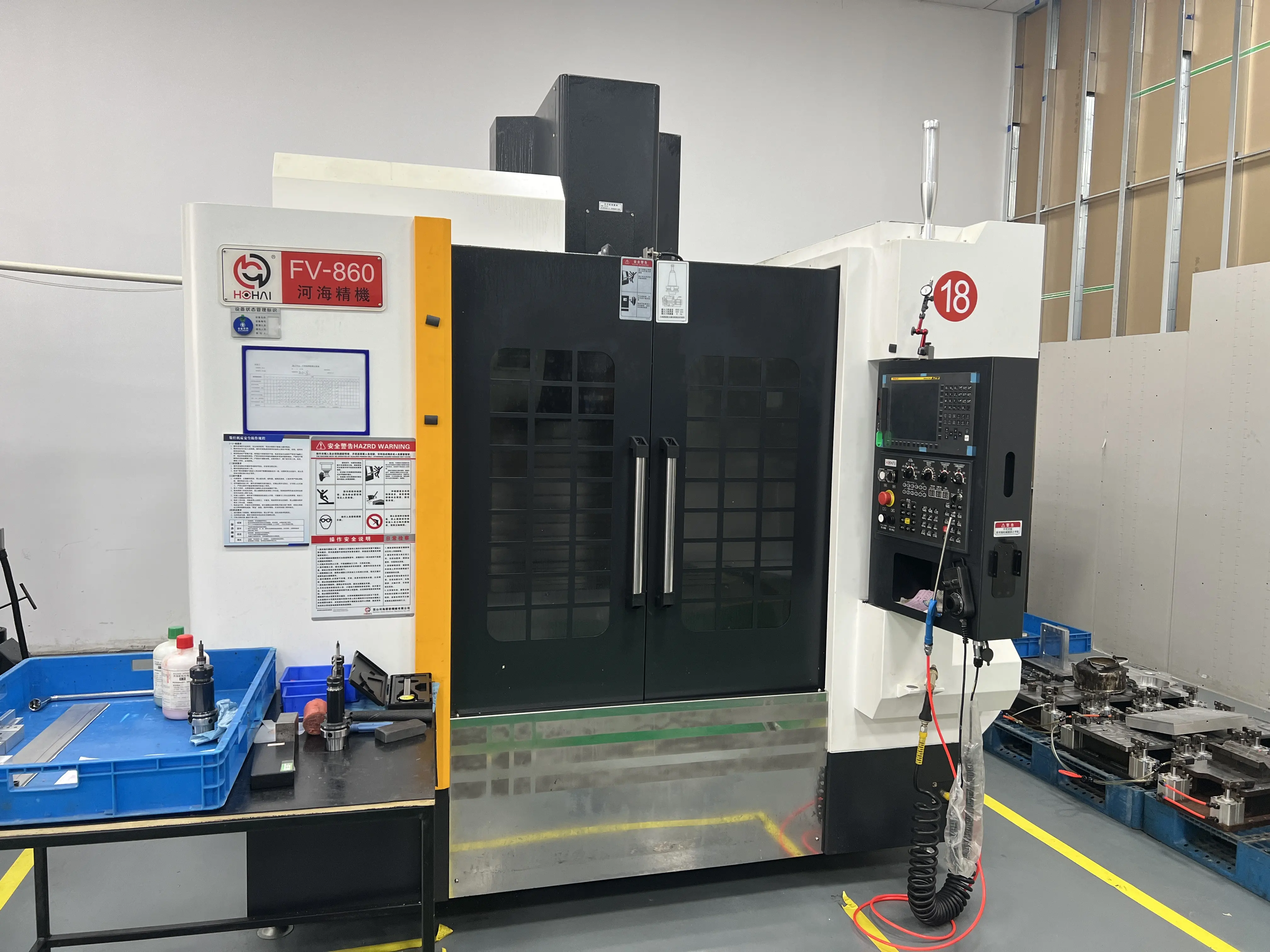
Understanding what CNC machines can do reveals the transformative power of computer numerical control technology in modern manufacturing. CNC machines represent sophisticated computer-controlled manufacturing equipment that transforms raw materials into precise finished products through automated cutting, drilling, milling, and shaping operations. These versatile systems execute complex manufacturing tasks with exceptional accuracy by following programmed instructions that control every aspect of the machining process. The fundamental capability of what CNC machines can do extends across multiple manufacturing disciplines, including metalworking, woodworking, plastic fabrication, and composite material processing. These machines operate through digital blueprints that guide cutting tools along predetermined paths, ensuring consistent results regardless of production volume. What CNC machines can do encompasses three-dimensional sculpting, intricate surface texturing, precision hole drilling, complex geometric cuts, and detailed engraving operations. The technological foundation relies on servo motors, linear actuators, and sophisticated software that translates design files into machine movements. Modern CNC systems integrate advanced features like automatic tool changing, real-time monitoring, and adaptive machining capabilities that optimize performance based on material properties. Industries ranging from aerospace and automotive to medical device manufacturing depend on what CNC machines can do to meet stringent quality standards and tight tolerances. The applications span from creating prototype components and custom parts to mass-producing identical items with microscopic precision. What CNC machines can do also includes multi-axis simultaneous operations that enable complex geometries impossible to achieve through traditional manufacturing methods, making them indispensable for contemporary production requirements.
The advantages of what CNC machines can do transform manufacturing operations through enhanced precision, efficiency, and cost-effectiveness that benefit businesses across all industries. What CNC machines can do delivers unmatched accuracy with tolerances measured in thousandths of an inch, eliminating human error and ensuring every produced part meets exact specifications consistently. This precision capability reduces material waste significantly since operators program exact cutting paths that minimize scrap generation and optimize raw material utilization. The automation inherent in what CNC machines can do enables continuous operation without constant human supervision, allowing manufacturers to maintain production schedules around the clock and meet tight delivery deadlines effectively. Speed represents another crucial advantage as what CNC machines can do includes rapid material removal rates and simultaneous multi-axis operations that complete complex parts in fraction of traditional manufacturing time. The repeatability factor ensures that what CNC machines can do produces identical parts regardless of quantity, maintaining quality standards from first piece to last piece in production runs. Cost savings emerge through reduced labor requirements since what CNC machines can do eliminates need for multiple skilled operators while one technician can oversee several machines simultaneously. Flexibility stands as major benefit because what CNC machines can do accommodates design changes quickly through software modifications rather than expensive tooling alterations or setup changes. The capability handles diverse materials from soft plastics to hardened steels, making what CNC machines can do suitable for varied product portfolios without equipment changes. Safety improvements occur naturally since what CNC machines can do keeps operators away from moving cutting tools and rotating workpieces, reducing workplace accidents significantly. Quality control becomes streamlined because what CNC machines can do incorporates measurement systems that verify dimensions during production, catching defects immediately rather than discovering problems after batch completion. The digital integration means what CNC machines can do connects seamlessly with design software, inventory systems, and production planning tools, creating efficient workflows that minimize delays and communication errors throughout manufacturing processes.
Unprecedented Manufacturing Precision and Accuracy
What CNC machines can do in terms of precision manufacturing sets new standards for accuracy that traditional machining methods cannot match consistently. The computer-controlled nature of what CNC machines can do eliminates human variables that typically introduce errors in manual operations, delivering tolerances as tight as plus or minus 0.0001 inches across complex three-dimensional geometries. This exceptional precision stems from advanced servo motor systems and feedback mechanisms that continuously monitor tool position and make microscopic adjustments in real-time to maintain exact cutting paths. What CNC machines can do includes producing intricate features like microscopic holes, razor-sharp edges, and smooth surface finishes that require minimal post-processing work. The precision advantage becomes particularly valuable in industries where component accuracy directly impacts performance, such as aerospace turbine blades, medical implants, and automotive engine components. What CNC machines can do extends beyond simple dimensional accuracy to include consistent surface textures, uniform wall thicknesses, and precise angular relationships between features that manual machining struggles to achieve reliably. The repeatability factor ensures that what CNC machines can do produces thousands of identical parts with dimensional variations measured in fractions of human hair thickness, enabling manufacturers to meet stringent quality standards demanded by regulated industries. Advanced probing systems integrated into what CNC machines can do provide real-time measurement feedback that automatically compensates for tool wear, thermal expansion, and material variations that could affect final part quality. This precision capability translates into reduced inspection time, lower rejection rates, and improved customer satisfaction since what CNC machines can do consistently delivers parts that fit perfectly in assemblies without adjustment or modification requirements.
Exceptional Versatility and Multi-Material Capabilities
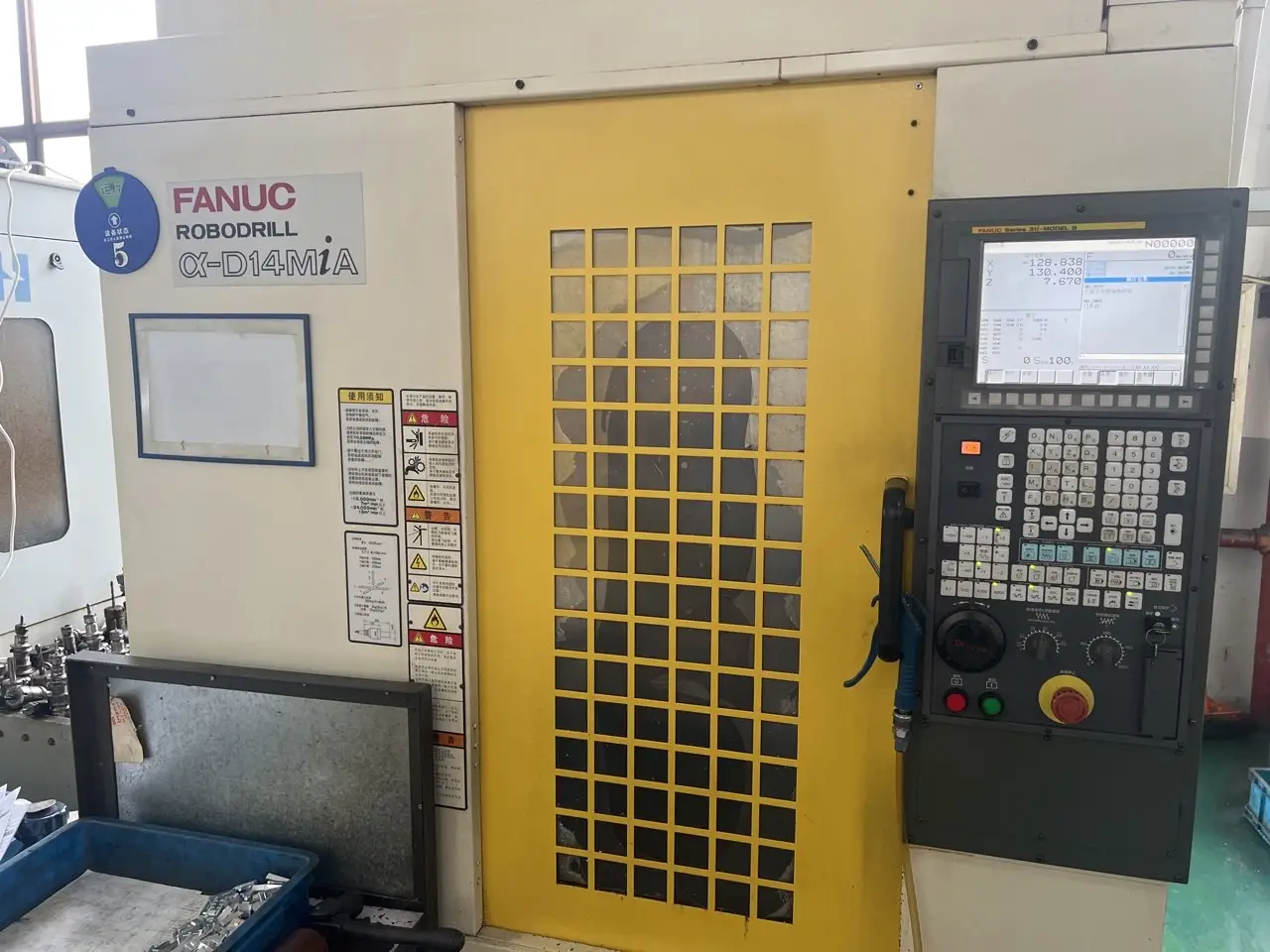
The remarkable versatility of what CNC machines can do enables manufacturers to process an extensive range of materials and create diverse product types using single equipment platforms, maximizing return on investment while minimizing facility space requirements. What CNC machines can do encompasses working with metals including aluminum, steel, titanium, and exotic alloys, while also handling non-metallic materials like plastics, composites, ceramics, and even soft materials such as foam and rubber with appropriate tooling selections. This material flexibility means what CNC machines can do supports diverse manufacturing sectors from electronics housings and medical devices to architectural components and sporting goods without requiring separate specialized equipment for each application. The multi-axis capabilities inherent in what CNC machines can do enable complex geometries that would require multiple setups or impossible manual techniques, including undercuts, compound angles, and intricate internal passages that enhance product functionality. Modern systems demonstrate what CNC machines can do through simultaneous five-axis operations that machine complex sculptured surfaces in single setups, reducing handling time and maintaining precise relationships between features that separate operations might compromise. Tool changing systems expand what CNC machines can do by automatically selecting appropriate cutting tools from magazines containing dozens of options, enabling everything from rough material removal to fine finishing operations without operator intervention. The programming flexibility shows what CNC machines can do through parametric capabilities that adjust cutting parameters automatically based on material properties, ensuring optimal performance whether processing soft aluminum or hardened tool steel. Advanced CAM software integration demonstrates what CNC machines can do by generating efficient toolpaths that optimize cycle times while maintaining surface quality across different materials and geometries, making these machines truly universal manufacturing solutions.
Streamlined Production Efficiency and Cost Optimization
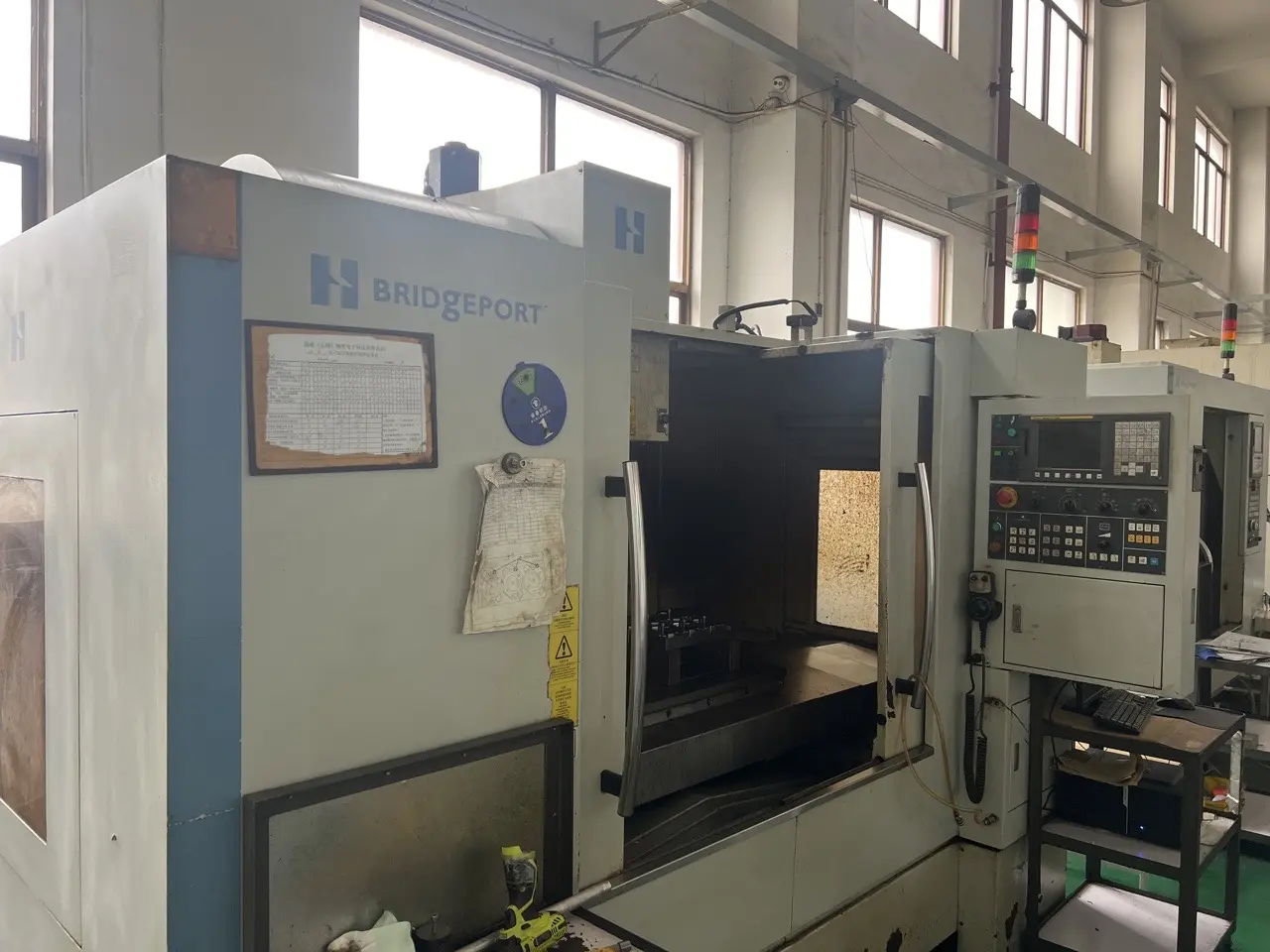
What CNC machines can do in terms of production efficiency revolutionizes manufacturing economics through automated operations that maximize output while minimizing labor costs and production time requirements. The unattended operation capability of what CNC machines can do allows continuous production during overnight shifts and weekends, effectively tripling available manufacturing time without proportional increases in labor expenses or facility overhead costs. Advanced scheduling systems demonstrate what CNC machines can do by queuing multiple jobs automatically, changing tools as needed, and maintaining production flow that keeps machines productive during entire shifts without constant operator attention. The setup efficiency shows what CNC machines can do through quick-change workholding systems and stored programs that enable rapid transitions between different part types, reducing non-productive downtime that traditionally consumed significant portions of manufacturing schedules. What CNC machines can do includes adaptive machining strategies that monitor cutting forces and adjust speeds automatically to maintain optimal material removal rates while preventing tool breakage or part damage that could halt production unexpectedly. The integration capabilities reveal what CNC machines can do through connections with inventory management systems that automatically order raw materials and cutting tools before shortages occur, preventing production delays caused by supply chain disruptions. Quality assurance becomes streamlined because what CNC machines can do incorporates measurement probes that verify dimensions during machining cycles, catching problems immediately rather than discovering defects after completing entire production batches. The predictive maintenance features show what CNC machines can do by monitoring machine conditions continuously and scheduling maintenance activities during planned downtime, preventing unexpected failures that could disrupt production schedules and damage customer relationships. Energy efficiency improvements demonstrate what CNC machines can do through optimized cutting parameters and standby modes that reduce power consumption compared to traditional manufacturing methods, lowering operational costs while supporting environmental sustainability initiatives that increasingly influence purchasing decisions.