
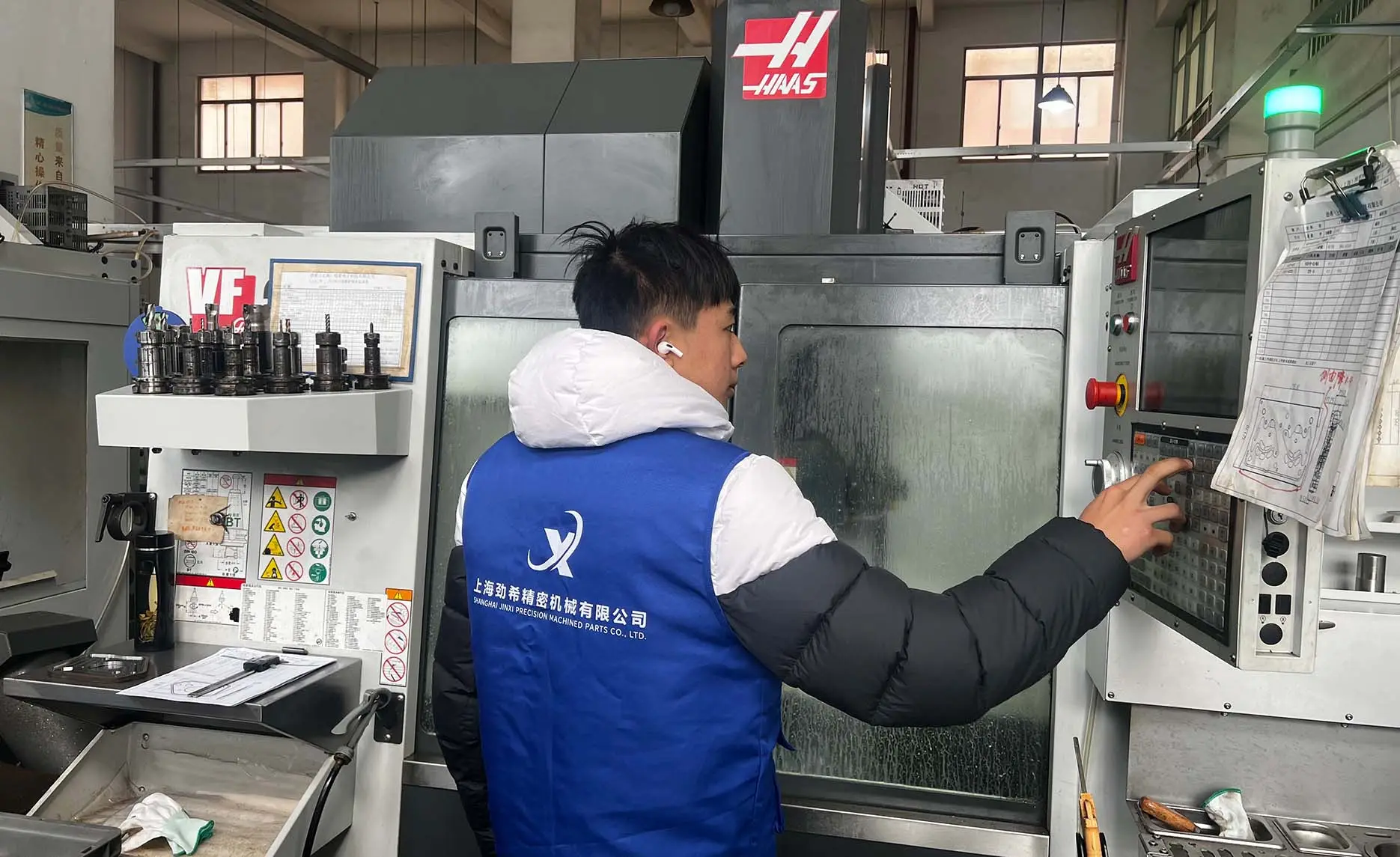
CNC prototyping represents a revolutionary manufacturing process that transforms digital designs into precise physical prototypes using computer numerical control technology. This advanced method employs sophisticated machinery to create highly accurate models directly from CAD files, eliminating traditional manufacturing limitations and human error. CNC prototyping serves as a critical bridge between conceptual design and full-scale production, allowing engineers and designers to validate their ideas before committing to expensive manufacturing processes. The technology operates through automated cutting, drilling, and shaping operations that follow programmed instructions with exceptional precision. CNC prototyping machines can work with diverse materials including metals, plastics, composites, and ceramics, making them versatile tools for various industries. The main functions of CNC prototyping include rapid material removal, complex geometry creation, and surface finishing operations that produce professional-grade prototypes. Technological features encompass multi-axis machining capabilities, automatic tool changing systems, and real-time monitoring sensors that ensure consistent quality throughout the manufacturing process. The integration of CAM software enables seamless translation from design files to machine instructions, streamlining the entire prototyping workflow. CNC prototyping applications span across automotive, aerospace, medical device manufacturing, consumer electronics, and industrial equipment development. Companies utilize this technology for functional testing, design validation, market research, and small-batch production runs. The process supports both subtractive manufacturing techniques and additive elements when combined with other technologies. Modern CNC prototyping systems feature advanced spindle technologies, precision linear guides, and thermal compensation systems that maintain accuracy even during extended operation cycles. The ability to produce prototypes with tight tolerances and superior surface finishes makes CNC prototyping indispensable for industries requiring high-performance components and rigorous quality standards.
CNC prototyping delivers exceptional speed advantages that dramatically reduce development timelines compared to traditional manufacturing methods. Companies can transform digital concepts into physical prototypes within hours rather than weeks, enabling rapid iteration cycles that accelerate product development. This speed translates directly into competitive advantages, allowing businesses to reach markets faster and respond quickly to customer feedback. The precision capabilities of CNC prototyping eliminate costly errors that often plague manual manufacturing processes. Machine accuracy levels reach tolerances as tight as 0.001 inches, ensuring prototypes match design specifications exactly. This precision reduces the need for multiple prototype iterations and minimizes material waste throughout the development cycle. Cost-effectiveness emerges as another significant advantage, particularly for small to medium production runs. CNC prototyping eliminates tooling costs associated with traditional manufacturing, making it economical for producing limited quantities or custom components. The technology supports design flexibility that traditional methods cannot match. Engineers can implement complex geometries, intricate internal features, and challenging surface contours without additional setup costs or manufacturing constraints. Material versatility expands design possibilities, allowing prototypes to be created from production-grade materials that accurately represent final product characteristics. This ensures functional testing provides reliable data about real-world performance. CNC prototyping supports design optimization through rapid testing and modification cycles. Teams can identify potential issues early in development when changes cost significantly less than modifications during production phases. Quality consistency remains superior throughout the prototyping process because computer control eliminates human variability. Each prototype maintains identical specifications, enabling reliable comparative testing and validation procedures. The technology integrates seamlessly with modern design workflows, accepting files from popular CAD software platforms and maintaining design intent throughout manufacturing. Documentation capabilities provide detailed production records that support quality assurance and regulatory compliance requirements. Scalability benefits allow successful prototypes to transition smoothly into production using similar CNC equipment, reducing manufacturing complexity and maintaining product consistency from prototype to final product.
Unmatched Precision and Accuracy for Critical Applications
CNC prototyping stands apart from other manufacturing methods through its exceptional precision capabilities that consistently deliver tolerances within 0.0005 inches across complex geometries. This level of accuracy proves essential for industries where component fit and function depend on exact specifications, such as aerospace, medical devices, and precision instrumentation. The computer-controlled nature of CNC prototyping eliminates human error variables that typically introduce inconsistencies in manual machining processes. Advanced feedback systems continuously monitor cutting tool positions, spindle speeds, and material removal rates to maintain optimal cutting conditions throughout the entire manufacturing cycle. Temperature compensation algorithms automatically adjust machine operations to account for thermal expansion, ensuring dimensional accuracy remains constant even during extended production runs. Multi-axis machining capabilities enable the creation of complex three-dimensional features that would be impossible or extremely costly using conventional manufacturing methods. The precision advantage extends beyond dimensional accuracy to include superior surface finish quality that often eliminates secondary finishing operations. CNC prototyping machines utilize high-speed spindles and precision cutting tools that produce smooth surfaces with minimal tool marks or machining artifacts. This capability proves particularly valuable for prototypes requiring optical clarity, aerodynamic performance, or aesthetic appeal. The repeatability factor ensures that multiple prototypes maintain identical specifications, enabling reliable comparative testing and validation procedures. Quality control integration allows real-time monitoring of critical dimensions during the manufacturing process, with automatic alerts when parameters drift outside acceptable ranges. Advanced probing systems can measure features during machining cycles, making automatic corrections that maintain accuracy without operator intervention. The precision capabilities of CNC prototyping support reverse engineering applications where existing components must be replicated with exact specifications. Coordinate measuring machine integration provides detailed quality reports that document compliance with design requirements and industry standards.
Rapid Prototyping Speed That Accelerates Innovation Cycles
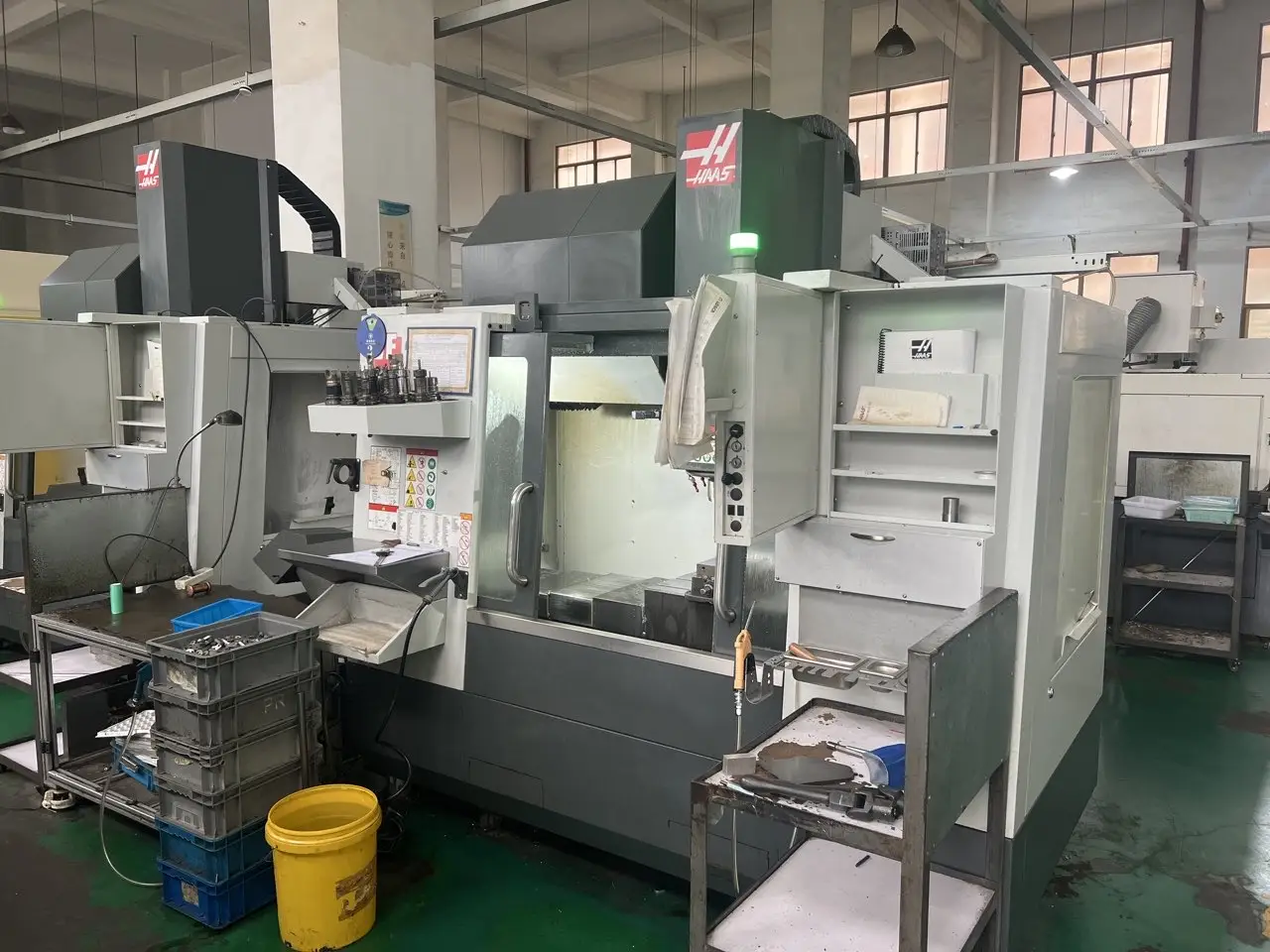
CNC prototyping transforms product development timelines through unprecedented manufacturing speed that enables same-day prototype delivery for many applications. Modern CNC machines operate at cutting speeds and feed rates that dramatically exceed traditional manufacturing methods while maintaining superior quality standards. High-speed machining strategies optimize tool paths to minimize air cutting time and maximize material removal rates without compromising surface finish quality. Automatic tool changing systems eliminate manual intervention delays, allowing continuous operation across multiple machining operations within a single setup. The speed advantage becomes particularly pronounced for complex geometries that would require multiple setups using conventional methods. CNC prototyping machines can complete intricate features through single-setup operations that maintain dimensional relationships and eliminate accumulated tolerances from multiple positioning operations. Programming efficiency contributes significantly to overall turnaround speed through CAM software integration that automatically generates optimized tool paths from CAD files. Advanced simulation capabilities identify potential collisions or inefficient cutting strategies before machining begins, eliminating costly trial-and-error approaches. Rapid setup procedures utilize standardized workholding systems and preset tooling libraries that minimize changeover times between different prototype projects. The speed benefits extend beyond individual part production to support rapid iteration cycles that accelerate design optimization processes. Teams can implement design changes and produce updated prototypes within hours, enabling real-time collaboration between design and engineering departments. This rapid feedback capability proves invaluable for identifying potential issues early in development cycles when corrections cost significantly less than modifications during production phases. Rush delivery capabilities support urgent project requirements without compromising quality standards. Emergency prototyping services can prioritize critical projects and deliver functional prototypes within 24 hours when necessary. The speed advantages of CNC prototyping enable agile development methodologies that respond quickly to market demands and customer feedback, providing competitive advantages in rapidly evolving industries.
Exceptional Material Versatility for Diverse Application Requirements
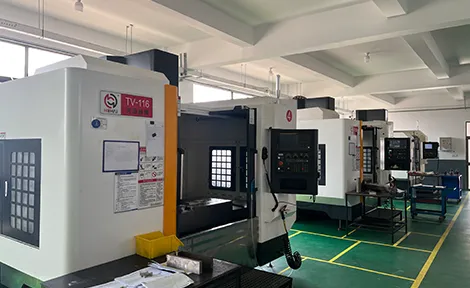
CNC prototyping demonstrates remarkable material versatility that accommodates virtually any machinable material, from soft plastics to exotic superalloys, enabling prototypes that accurately represent final production characteristics. This flexibility eliminates the material limitations that constrain other prototyping methods and ensures functional testing provides reliable performance data. Aluminum alloys represent the most common CNC prototyping materials, offering excellent machinability, strength-to-weight ratios, and corrosion resistance suitable for aerospace, automotive, and consumer electronics applications. Advanced aluminum grades including 7075-T6 and 6061-T6 provide different strength characteristics and surface finish qualities to match specific application requirements. Stainless steel variants enable prototypes for medical devices, food processing equipment, and marine applications where corrosion resistance proves essential. Grade 316 stainless steel offers superior chemical resistance, while 17-4 PH provides high strength capabilities for demanding structural applications. Engineering plastics expand CNC prototyping capabilities into lightweight, chemical-resistant applications including ABS, polycarbonate, PEEK, and Delrin materials. These thermoplastics offer different mechanical properties, temperature resistance levels, and chemical compatibility characteristics that match production material requirements. Carbon fiber composites and fiberglass materials enable prototypes for high-performance applications requiring exceptional strength-to-weight ratios and directional strength characteristics. Titanium alloys support aerospace and medical applications where biocompatibility and corrosion resistance combine with high strength requirements. Grade 5 titanium provides excellent mechanical properties for demanding structural components, while commercially pure grades offer superior corrosion resistance. Brass and bronze materials accommodate prototypes requiring electrical conductivity, antimicrobial properties, or decorative appearances. Exotic materials including Inconel, Hastelloy, and other superalloys enable prototypes for extreme temperature applications in aerospace and industrial processes. The material versatility extends to prototype finishing options including anodizing, plating, and coating applications that match production specifications. Surface treatment capabilities ensure prototypes accurately represent final product appearance and performance characteristics, supporting comprehensive testing and validation procedures that provide reliable data for production decisions.