
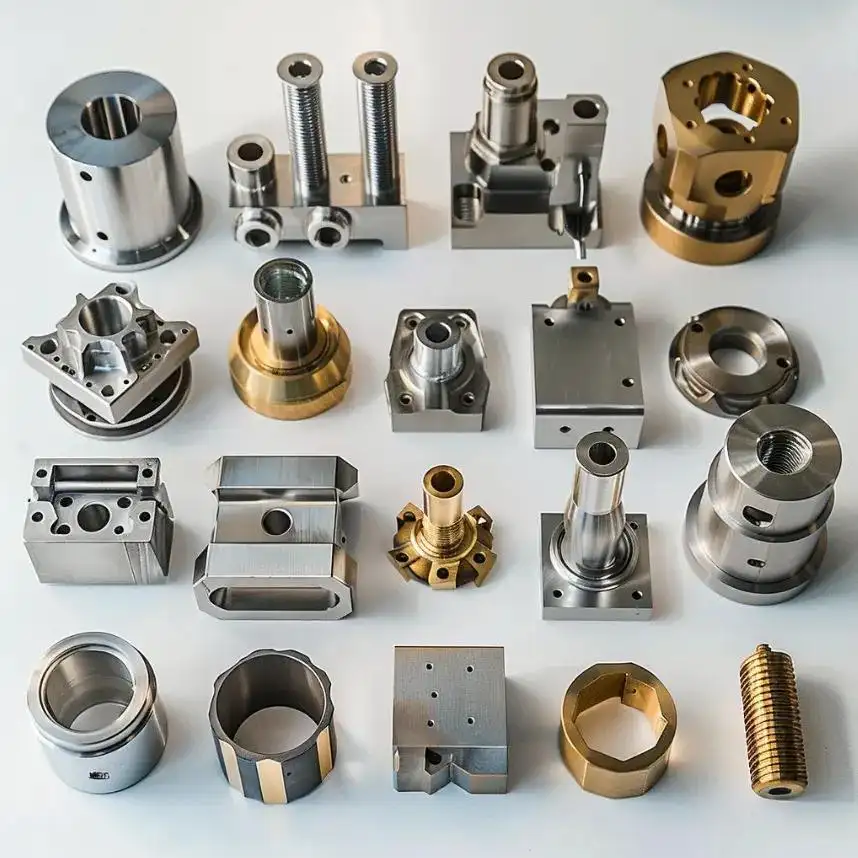
The convergence of artificial intelligence and precision manufacturing is reshaping how industries approach rapid production cycles, with AI-driven CNC machining emerging as the cornerstone technology that promises to revolutionize manufacturing efficiency, accuracy, and adaptability. This technological fusion represents more than an incremental improvement—it signifies a fundamental shift toward intelligent manufacturing systems that can learn, adapt, and optimize production processes in real-time, dramatically reducing lead times while maintaining exceptional quality standards.
As rapid manufacturing demands continue to intensify across aerospace, automotive, medical device, and electronics industries, traditional CNC machining approaches face increasing pressure to deliver faster turnaround times without compromising precision or cost-effectiveness. AI-driven CNC machining addresses these challenges by integrating machine learning algorithms, predictive analytics, and autonomous decision-making capabilities directly into the manufacturing workflow, creating smart production systems that anticipate problems, optimize tool paths, and continuously improve performance based on historical data and real-time feedback.
Intelligent Process Optimization Through Machine Learning
Adaptive Tool Path Generation and Real-Time Optimization
The foundation of AI-driven CNC machining lies in its ability to generate and continuously refine tool paths through sophisticated machine learning algorithms that analyze material properties, cutting conditions, and geometric complexity to determine optimal machining strategies. Unlike traditional CAM programming that relies on static parameters, AI systems learn from each machining operation, identifying patterns that lead to superior surface finishes, reduced cycle times, and extended tool life.
These intelligent systems process vast amounts of data from sensors monitoring spindle load, vibration patterns, temperature fluctuations, and acoustic signatures to make real-time adjustments to feed rates, spindle speeds, and cutting depths. The result is a dynamic machining process that adapts to changing conditions, compensates for tool wear, and maintains consistent quality throughout production runs.
Advanced AI algorithms also consider the cumulative effects of multiple machining operations, optimizing the entire production sequence rather than individual steps in isolation. This holistic approach enables significant improvements in overall equipment effectiveness and helps manufacturers achieve the rapid turnaround times demanded by modern supply chains.
Predictive Maintenance and Equipment Reliability
AI-driven CNC machining systems incorporate sophisticated predictive maintenance capabilities that monitor equipment health continuously, analyzing patterns in machine behavior to predict potential failures before they occur. This proactive approach eliminates unexpected downtime, ensures consistent production schedules, and maximizes the utilization of expensive machining equipment.
Machine learning models trained on historical maintenance data, sensor readings, and failure patterns can identify subtle changes in machine performance that precede component failures. These systems automatically schedule maintenance activities during planned downtime periods, order replacement parts in advance, and provide detailed diagnostics to maintenance teams.
The integration of digital twin technology with AI-driven predictive maintenance creates virtual replicas of physical machines that simulate wear patterns, stress distributions, and performance degradation under various operating conditions. This capability allows manufacturers to test different maintenance strategies virtually and optimize maintenance schedules for maximum equipment availability.
Quality Control and Defect Prevention Through Artificial Intelligence
Real-Time Quality Monitoring and Correction
AI-driven CNC machining systems revolutionize quality control by implementing continuous monitoring and real-time correction capabilities that detect and address quality issues during the machining process rather than after completion. Advanced computer vision systems analyze workpiece geometry, surface finish, and dimensional accuracy throughout each operation, comparing results against design specifications and quality standards.
These intelligent quality systems use machine learning to recognize patterns associated with specific defects, enabling early detection and automatic process adjustments to prevent defective parts from being produced. The AI algorithms learn to correlate subtle changes in cutting forces, vibration signatures, and acoustic patterns with emerging quality issues, providing operators with early warnings and recommended corrective actions.
Integration with coordinate measuring machines and optical inspection systems creates closed-loop quality control processes where measurement data feeds back into the AI system to refine machining parameters for subsequent parts. This continuous improvement cycle results in progressively better quality outcomes and reduced scrap rates over time.
Automated Process Documentation and Traceability
Modern AI-driven CNC machining systems automatically generate comprehensive process documentation and maintain detailed traceability records for regulatory compliance and quality assurance purposes. AI algorithms analyze production data to create detailed reports documenting machining parameters, quality measurements, tool usage, and environmental conditions for each manufactured part.
This automated documentation capability is particularly valuable for industries with strict regulatory requirements, such as aerospace and medical device manufacturing, where complete traceability is essential for certification and liability protection. The AI system maintains digital records linking each part to its specific production conditions, enabling rapid root cause analysis if quality issues arise.
Advanced blockchain integration ensures the integrity and immutability of production records, creating tamper-proof documentation chains that provide confidence to customers and regulatory bodies. These systems also generate statistical process control data automatically, identifying trends and patterns that inform continuous improvement initiatives.
Production Planning and Workflow Optimization
Intelligent Scheduling and Resource Allocation
AI-driven CNC machining transforms production planning through intelligent scheduling algorithms that optimize machine utilization, minimize setup times, and balance workloads across multiple machining centers. These systems consider factors such as part geometry, material requirements, tool availability, operator skills, and delivery deadlines to create optimal production schedules that maximize throughput while maintaining quality standards.
Machine learning algorithms analyze historical production data to identify bottlenecks, inefficiencies, and opportunities for improvement in workflow design. The AI system continuously refines scheduling algorithms based on actual performance data, learning to anticipate setup times, identify compatible part families for efficient batching, and optimize tool changes to minimize non-productive time.
Dynamic rescheduling capabilities allow the AI system to respond automatically to disruptions such as machine breakdowns, rush orders, or material shortages by reallocating resources and adjusting priorities in real-time. This adaptive approach ensures that production targets are met despite unexpected challenges and changes in demand patterns.
Supply Chain Integration and Demand Forecasting
AI-driven CNC machining systems integrate with broader supply chain management platforms to provide accurate demand forecasting and optimize inventory levels for raw materials, tooling, and consumables. Machine learning models analyze customer order patterns, market trends, and seasonal variations to predict future demand and ensure adequate production capacity is available when needed.
These predictive capabilities enable manufacturers to maintain lean inventory levels while avoiding stockouts and production delays. The AI system automatically generates purchase orders for materials and tooling based on production forecasts and lead times, optimizing cash flow while ensuring production continuity.
Integration with customer relationship management systems allows AI-driven CNC machining platforms to anticipate customer needs and proactively prepare for upcoming orders. This proactive approach reduces lead times and improves customer satisfaction by enabling faster response to new requirements and design changes.
Advanced Manufacturing Capabilities and Innovation
Multi-Axis Coordination and Complex Geometry Processing
AI-driven CNC machining excels in coordinating complex multi-axis operations that require precise synchronization between multiple cutting tools and workpiece positioning systems. Advanced algorithms optimize the coordination of 5-axis and multi-spindle machines to achieve optimal surface finishes and dimensional accuracy while minimizing machining time and tool wear.
The AI system analyzes part geometry to determine optimal workpiece orientation and clamping strategies that provide maximum accessibility for cutting tools while maintaining rigid support throughout the machining process. This intelligent approach enables the production of complex components with intricate internal features, compound angles, and tight tolerances that would be difficult or impossible to achieve with conventional programming methods.
Machine learning algorithms continuously refine multi-axis coordination strategies based on actual machining results, learning to avoid collisions, minimize axis movements, and optimize cutting engagement angles for different materials and geometries. This continuous improvement process results in progressively better performance and expanded capabilities for handling challenging manufacturing requirements.
Adaptive Manufacturing for Customization and Prototyping
The flexibility inherent in AI-driven CNC machining makes it ideal for rapid prototyping and mass customization applications where traditional manufacturing approaches struggle to maintain efficiency. AI algorithms can quickly generate optimized machining programs for new part designs, enabling rapid transition from concept to finished prototype without extensive programming and setup time.
These systems excel at processing design variations and customizations by identifying similarities with previously machined parts and adapting existing programs rather than creating entirely new toolpaths. This capability dramatically reduces programming time and enables cost-effective production of small batches and one-off custom parts.
AI-driven systems also support design optimization by analyzing manufacturability during the design phase and suggesting modifications that improve production efficiency without compromising functionality. This collaborative approach between design and manufacturing teams accelerates product development cycles and reduces the time required to bring new products to market.
Future Technological Developments and Industry Impact
Integration with Emerging Technologies
The future of AI-driven CNC machining will be shaped by integration with emerging technologies such as augmented reality, digital twins, and edge computing platforms that enhance human-machine interaction and enable more sophisticated autonomous operations. Augmented reality systems will provide operators with real-time visualizations of machining processes, quality data, and maintenance requirements, improving decision-making and reducing training requirements.
Edge computing platforms will enable AI processing to occur directly at the machine level, reducing latency and enabling faster response to changing conditions. This distributed intelligence approach will support more sophisticated real-time optimization while reducing dependence on cloud connectivity and improving data security for sensitive manufacturing applications.
Digital twin technology will continue to evolve, providing increasingly accurate virtual representations of physical machines and processes that enable advanced simulation, optimization, and predictive capabilities. These digital twins will support virtual commissioning of new production lines, optimization of existing processes, and training of AI algorithms using simulated data.
Industry-Wide Transformation and Competitive Advantages
The widespread adoption of AI-driven CNC machining will fundamentally transform manufacturing industries by enabling smaller companies to compete with larger organizations through improved efficiency and capabilities. AI systems will democratize access to advanced manufacturing expertise, allowing companies without extensive programming knowledge to achieve world-class production results.
This technological evolution will drive consolidation in some market segments while creating new opportunities for specialized service providers who can leverage AI-driven capabilities to serve niche markets and demanding applications. The ability to quickly adapt to changing requirements and deliver high-quality results will become increasingly important as customer expectations continue to rise.
Environmental sustainability will also benefit from AI-driven CNC machining through optimized material usage, reduced energy consumption, and extended equipment life cycles. These systems will enable manufacturers to achieve sustainability goals while maintaining competitive costs and delivery schedules, supporting broader industry initiatives toward carbon neutrality and resource conservation.
FAQ
How does AI-driven CNC machining differ from traditional automated machining?
AI-driven CNC machining incorporates machine learning algorithms that continuously learn and adapt from production data, while traditional automated machining follows pre-programmed instructions without the ability to learn or optimize based on experience. AI systems can make real-time decisions, predict problems before they occur, and automatically adjust parameters to improve quality and efficiency, whereas traditional systems require manual programming changes and human intervention to address issues or optimize performance.
What are the main benefits of implementing AI-driven CNC machining for rapid manufacturing?
The primary benefits include significantly reduced lead times through optimized scheduling and adaptive processing, improved quality consistency through real-time monitoring and correction, lower operational costs due to predictive maintenance and optimized resource utilization, enhanced flexibility for handling design changes and customization requirements, and reduced dependency on highly skilled programmers through intelligent automation of complex machining operations.
What challenges should manufacturers expect when transitioning to AI-driven CNC machining systems?
Manufacturers should prepare for initial investment costs in AI-capable equipment and software platforms, workforce training requirements to operate and maintain intelligent systems, potential integration challenges with existing manufacturing execution systems, data security considerations for protecting sensitive production information, and the need to establish new workflows and procedures that leverage AI capabilities effectively while maintaining quality and safety standards.
How will AI-driven CNC machining impact the future job market in manufacturing?
AI-driven CNC machining will shift manufacturing employment toward higher-skilled positions focused on system management, data analysis, and process optimization rather than manual programming and operation. While some traditional machining roles may be automated, new opportunities will emerge for AI system specialists, predictive maintenance technicians, and manufacturing data analysts who can work effectively with intelligent systems to achieve optimal production outcomes.