
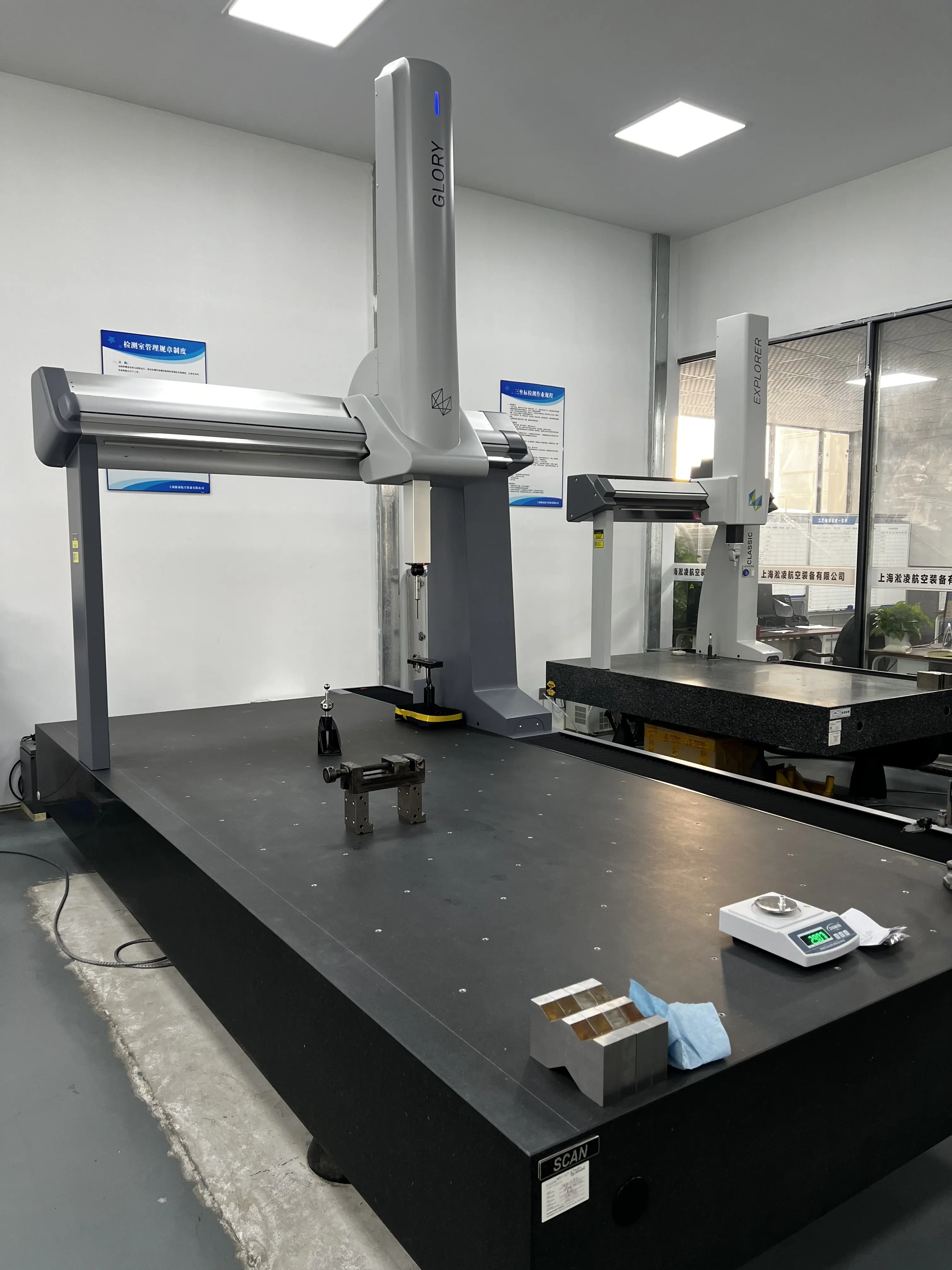
Machining and welding represent two fundamental manufacturing processes that form the backbone of modern industrial production. Machining involves the precise removal of material from workpieces using cutting tools, while welding joins materials together through the application of heat, pressure, or both. These complementary processes work together to create complex components and structures across countless industries. Machining encompasses various techniques including turning, milling, drilling, grinding, and cutting operations that shape raw materials into finished parts with exact specifications. The process utilizes computer-controlled equipment and traditional machinery to achieve dimensional accuracy and surface finish requirements. Welding, on the other hand, permanently bonds materials using techniques such as arc welding, MIG welding, TIG welding, and resistance welding. The technological features of modern machining include CNC automation, multi-axis capabilities, and advanced tooling systems that deliver consistent results. These systems can work with diverse materials including metals, plastics, composites, and ceramics. Welding technology has evolved to incorporate automated systems, robotic integration, and precise heat control mechanisms. Applications span automotive manufacturing, aerospace production, construction, shipbuilding, pipeline installation, and general fabrication work. In automotive industries, machining creates engine components, transmission parts, and chassis elements, while welding assembles body panels and structural frameworks. Aerospace applications require both processes for critical components where precision and reliability are paramount. Construction projects rely on welding for structural steel connections and machining for custom hardware. The synergy between machining and welding enables manufacturers to produce everything from simple brackets to complex machinery, making these processes indispensable in today’s manufacturing landscape.
The advantages of machining and welding extend far beyond basic manufacturing capabilities, offering businesses substantial benefits that directly impact their bottom line and operational efficiency. Cost-effectiveness stands as a primary advantage, as these processes eliminate the need for expensive custom tooling and reduce material waste through precise material removal and joining techniques. Companies save money by producing parts in-house rather than outsourcing to specialized vendors, maintaining better control over production schedules and quality standards. Speed and efficiency represent another significant benefit, with modern machining centers completing complex operations in minutes rather than hours, while advanced welding techniques create strong joints rapidly without compromising quality. This acceleration in production cycles allows businesses to meet tight deadlines and respond quickly to market demands. Versatility provides manufacturers with the flexibility to work with various materials and create diverse product lines using the same equipment investment. Machining handles everything from soft aluminum to hardened steel, while welding techniques accommodate different material thicknesses and compositions. Quality consistency emerges as a crucial advantage, with CNC machining delivering repeatable accuracy within tight tolerances, and controlled welding processes ensuring uniform joint strength across production runs. This reliability reduces rejection rates and minimizes costly rework. Customization capabilities enable businesses to produce unique components without significant setup changes, accommodating special customer requirements and prototype development efficiently. The combination of machining and welding allows for complete part manufacturing, from initial shaping through final assembly, streamlining workflows and reducing handling time. Durability benefits arise from proper welding practices that create joints stronger than the base materials, while precision machining ensures optimal fit and function. Environmental considerations favor these processes as they generate less waste compared to casting or forging alternatives, supporting sustainability initiatives. Investment returns prove substantial as equipment longevity and multi-purpose functionality provide years of productive service, making machining and welding essential components of successful manufacturing operations.
Precision Engineering Through Advanced CNC Machining Technology
Modern CNC machining technology revolutionizes manufacturing precision by delivering unmatched accuracy and repeatability that traditional manual methods simply cannot achieve. This advanced capability stems from computer-controlled systems that eliminate human error while maintaining consistent quality across thousands of identical parts. The precision engineering aspect of machining becomes particularly valuable when customers require components with tolerances measured in thousandths of an inch, where even minor variations can cause assembly problems or performance failures. CNC machining centers utilize sophisticated software that optimizes tool paths, cutting speeds, and feed rates automatically, ensuring optimal material removal while preserving dimensional integrity. This technological advancement translates into significant cost savings for customers by reducing scrap rates and eliminating the need for secondary operations. Multi-axis machining capabilities enable the creation of complex geometries in single setups, reducing handling time and improving accuracy by maintaining consistent reference points throughout the manufacturing process. Tool monitoring systems detect wear patterns and automatically compensate for changes, maintaining precision levels throughout extended production runs. The integration of in-process measurement systems allows for real-time quality verification, catching potential issues before they result in rejected parts. Customers benefit from shorter lead times as CNC machining eliminates the need for custom fixtures and extensive setup procedures required by conventional methods. The ability to store and recall proven programs ensures consistent results when repeat orders arrive, providing customers with reliable delivery schedules and predictable costs. Advanced machining centers can switch between different part configurations quickly, supporting just-in-time manufacturing strategies that minimize inventory carrying costs. The precision achieved through modern machining technology enables tighter assembly fits, improved product performance, and extended service life, delivering exceptional value to customers across diverse industries.
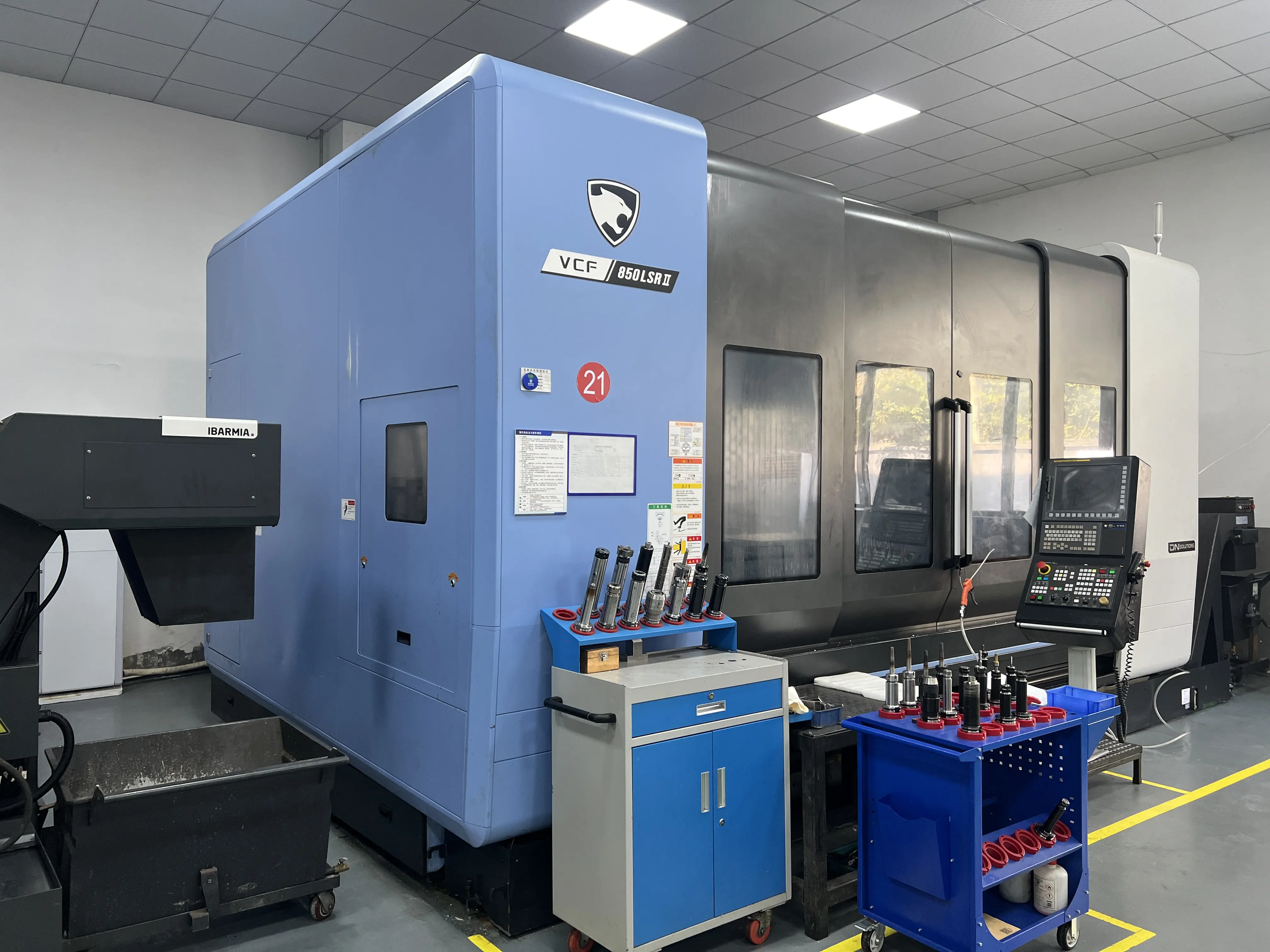
Superior Joint Strength Through Professional Welding Expertise
Professional welding expertise delivers superior joint strength that often exceeds the mechanical properties of base materials, creating assemblies capable of withstanding extreme operating conditions and extended service life. This exceptional strength results from proper welding technique selection, precise heat input control, and thorough understanding of metallurgical principles that govern joint formation. Skilled welders analyze base material properties, thickness variations, and intended service conditions to determine optimal welding parameters that maximize joint integrity while minimizing distortion. The strength advantage becomes critically important in structural applications where safety factors must account for dynamic loading, vibration, and environmental stresses over decades of service. Advanced welding processes such as submerged arc welding and gas tungsten arc welding produce deep penetration joints with excellent fusion characteristics that distribute loads effectively across the weld zone. Quality control measures including non-destructive testing verify joint integrity before components enter service, ensuring reliability standards are met consistently. Proper joint design considers stress concentration factors and load distribution patterns, optimizing weld placement to handle anticipated forces efficiently. Pre-welding preparation procedures remove contaminants and establish proper joint geometry, creating conditions that promote strong metallurgical bonding between materials. Heat treatment procedures following welding operations can further enhance joint properties by relieving residual stresses and optimizing microstructure characteristics. The expertise factor becomes particularly valuable when welding dissimilar materials or working with specialized alloys that require specific techniques to achieve acceptable results. Customers benefit from joints that maintain strength throughout temperature cycles, resist corrosion in challenging environments, and provide long-term reliability that minimizes maintenance costs. Professional welding expertise extends beyond basic joining to include repair welding that restores damaged components to original strength levels, extending equipment life and avoiding costly replacements. This comprehensive approach to welding delivers measurable value through reduced downtime, improved safety margins, and enhanced product performance that justifies the investment in professional services.
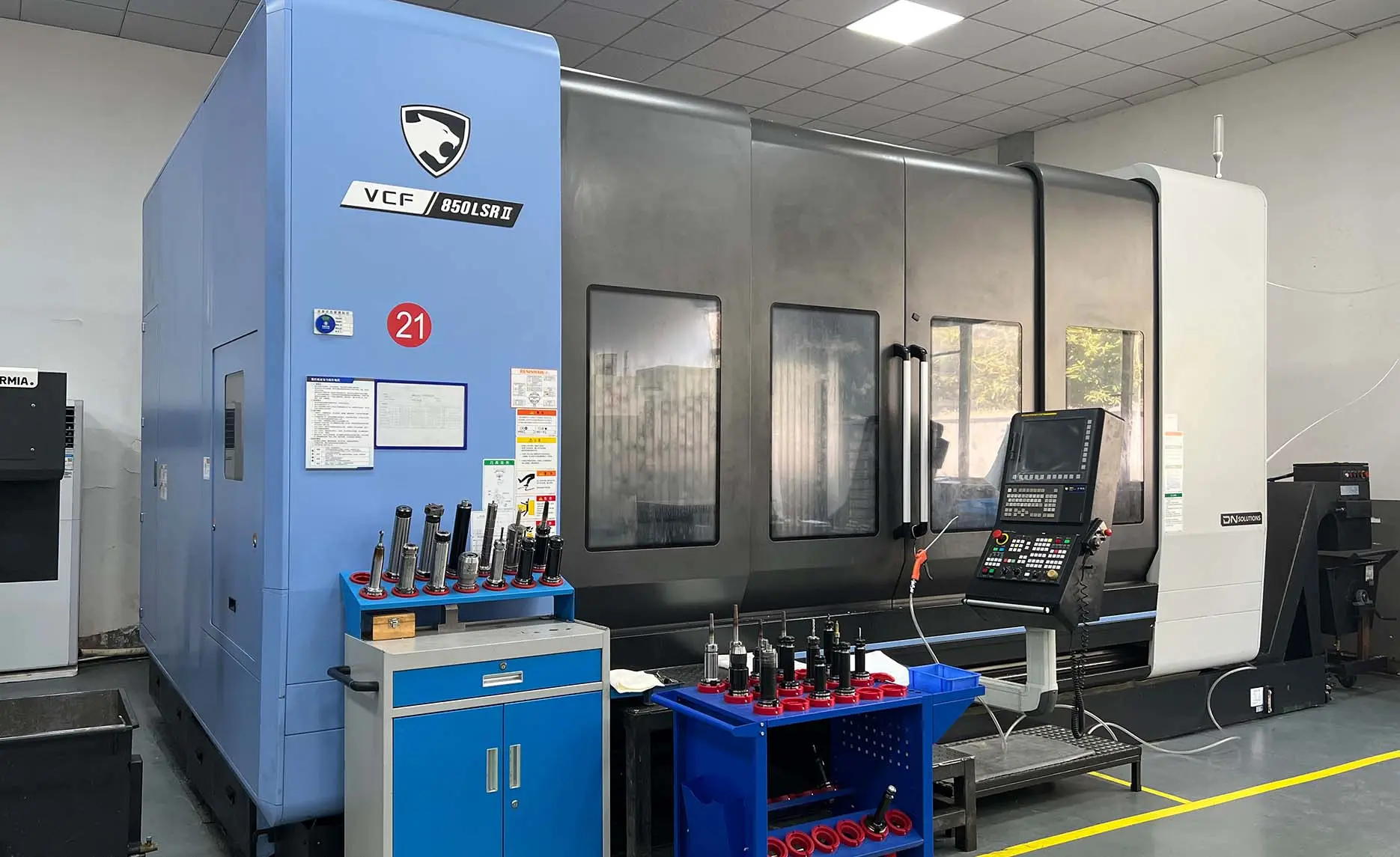
Integrated Manufacturing Solutions for Complete Project Delivery
Integrated manufacturing solutions combining machining and welding capabilities provide customers with complete project delivery from concept through finished product, eliminating coordination challenges and reducing overall project timelines significantly. This comprehensive approach streamlines the manufacturing process by housing all necessary operations under one roof, ensuring seamless communication between different production stages and maintaining consistent quality standards throughout. The integration advantage becomes particularly valuable for complex assemblies requiring both precision-machined components and welded structural elements, where dimensional compatibility between parts determines overall fit and function. Single-source responsibility eliminates finger-pointing between vendors and provides customers with clear accountability for project outcomes, simplifying project management and reducing administrative overhead. Coordinated scheduling between machining and welding operations optimizes workflow efficiency, minimizing work-in-process inventory and reducing carrying costs associated with partially completed assemblies. Quality control systems that span both processes ensure compatibility between machined surfaces and welded joints, preventing assembly issues that might arise from mismatched tolerances or surface conditions. The ability to modify designs during production accommodates engineering changes without requiring coordination between multiple vendors, maintaining project schedules while incorporating improvements. Cost advantages emerge from reduced transportation expenses, simplified invoicing procedures, and volume discounts that integrated suppliers can offer across multiple process types. Technical expertise that encompasses both machining and welding enables comprehensive design review services that optimize manufacturability while maintaining performance requirements. Prototype development benefits significantly from integrated capabilities, allowing rapid iteration cycles that incorporate lessons learned from both fabrication processes. Customer support becomes more responsive when single suppliers understand the complete manufacturing challenge rather than focusing solely on individual process steps. Risk mitigation improves substantially when one organization manages all critical manufacturing operations, reducing exposure to supplier disruptions or quality issues that might cascade through the supply chain. This integrated approach delivers exceptional value through reduced project complexity, improved communication, and comprehensive technical support that ensures successful outcomes for demanding manufacturing applications.