
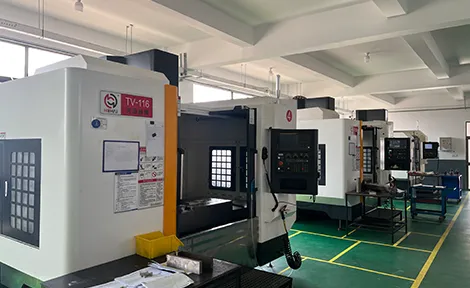
Understanding what is the difference between cnc and 3d printing requires examining two fundamentally distinct manufacturing approaches that serve different purposes in modern production. CNC (Computer Numerical Control) machining operates as a subtractive manufacturing process, removing material from solid blocks to create precise components. This technology uses computer-controlled cutting tools, mills, lathes, and routers to carve away excess material until the desired shape emerges. The process begins with raw materials like metals, plastics, or composites, which undergo systematic material removal guided by programmed instructions. CNC machines excel at producing parts with exceptional dimensional accuracy, typically achieving tolerances within 0.001 inches. The technological features include multi-axis movement capabilities, allowing simultaneous cutting operations from multiple angles. Advanced CNC systems incorporate automatic tool changers, coolant systems, and real-time monitoring for consistent quality control. Applications span aerospace components, automotive parts, medical devices, and precision tooling where dimensional accuracy remains critical. In contrast, 3D printing represents additive manufacturing technology that builds objects layer by layer from digital models. This process deposits materials such as thermoplastics, resins, metals, or ceramics in successive layers until complete structures form. The main functions include rapid prototyping, custom manufacturing, and producing complex geometries impossible through traditional methods. Technological features encompass various printing methods including Fused Deposition Modeling, Stereolithography, and Selective Laser Sintering, each suited for specific materials and applications. 3D printing applications include prototyping, architectural models, medical implants, custom prosthetics, and small-batch production runs. The fundamental difference lies in their operational philosophy: CNC removes material while 3D printing adds material. This distinction affects material utilization, design constraints, production speed, and cost structures. Understanding what is the difference between cnc and 3d printing helps manufacturers select appropriate technologies for specific project requirements, considering factors like precision, complexity, volume, and material properties.
The advantages of understanding what is the difference between cnc and 3d printing become immediately apparent when selecting manufacturing methods for specific projects. CNC machining delivers superior surface finish quality compared to most 3D printing technologies, requiring minimal post-processing for many applications. This characteristic saves time and reduces overall production costs when smooth surfaces are essential. The precision capabilities of CNC machines consistently produce parts within tight tolerances, making them ideal for mechanical components requiring exact fits and proper function. Material compatibility represents another significant advantage, as CNC machines work with virtually any machinable material including hardened steels, titanium alloys, and engineering plastics. This versatility allows manufacturers to select materials based purely on performance requirements rather than processing limitations. Speed advantages emerge in high-volume production scenarios where CNC machines can rapidly produce identical parts once initial setup completes. The established nature of CNC technology means extensive tooling availability, skilled operator pools, and proven processes that reduce implementation risks. Meanwhile, 3D printing offers distinct advantages in design freedom, enabling creation of internal channels, lattice structures, and complex geometries impossible through subtractive methods. Material efficiency stands out as 3D printing uses only required material amounts, eliminating waste common in CNC operations where substantial material gets removed and discarded. Customization capabilities allow each printed part to differ without additional tooling costs, perfect for personalized products or medical applications requiring patient-specific solutions. Setup time advantages become evident in prototype development where 3D printing can produce parts directly from digital files without extensive machine preparation. Cost effectiveness appears in low-volume production where 3D printing eliminates tooling expenses that make CNC economically unfeasible for small quantities. Understanding what is the difference between cnc and 3d printing enables informed decisions about when to leverage each technology’s strengths, optimizing production efficiency, cost control, and quality outcomes based on specific project parameters and business objectives.
Precision and Accuracy: The Manufacturing Quality Advantage
Understanding what is the difference between cnc and 3d printing reveals critical distinctions in precision and accuracy that directly impact manufacturing quality and application suitability. CNC machining consistently achieves exceptional dimensional accuracy, typically maintaining tolerances within ±0.001 inches (±0.025mm) across various materials and part geometries. This precision stems from the rigid mechanical systems, precise tool positioning, and controlled cutting environments that characterize modern CNC equipment. The subtractive nature of CNC machining allows for superior surface finishes, often achieving roughness values below 0.8 micrometers without additional processing. These characteristics make CNC ideal for applications requiring exact fits, such as bearing housings, valve components, and precision tooling where even minor deviations can cause functional failures. The repeatability of CNC processes ensures consistent quality across production runs, with statistical process control enabling predictable outcomes. Conversely, 3D printing accuracy varies significantly based on technology type, with high-end systems achieving tolerances around ±0.1mm while entry-level equipment may only reach ±0.3mm precision. Layer adhesion, thermal effects, and material shrinkage introduce variables that affect final part accuracy in additive manufacturing. However, 3D printing excels in creating complex internal geometries and intricate details that would be impossible or extremely expensive using CNC methods. The layer-by-layer construction enables features like internal cooling channels, honeycomb structures, and moving assemblies printed as single parts. Understanding what is the difference between cnc and 3d printing in terms of precision helps manufacturers select appropriate technologies based on specific accuracy requirements. For medical implants requiring precise bone interfaces, CNC machining provides necessary dimensional control. For architectural models or conceptual prototypes where visual representation matters more than exact dimensions, 3D printing offers sufficient accuracy with greater design flexibility. The precision advantage of each technology creates distinct value propositions that smart manufacturers leverage strategically.
Material Capabilities and Selection: Expanding Manufacturing Possibilities
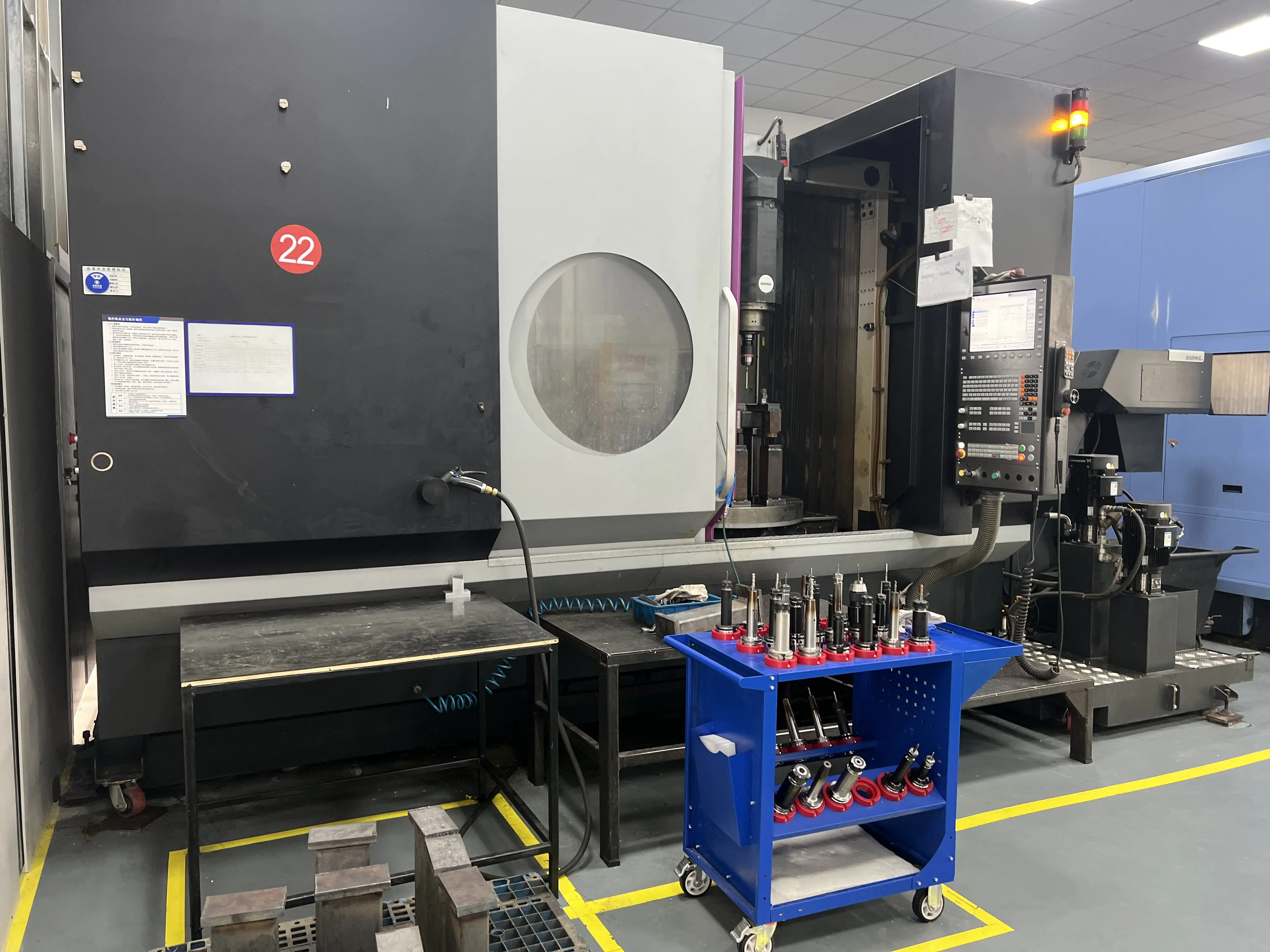
Exploring what is the difference between cnc and 3d printing in material capabilities reveals fundamental distinctions that significantly influence manufacturing decisions and product performance outcomes. CNC machining accommodates an extensive range of materials including metals, plastics, composites, ceramics, and even exotic alloys used in aerospace and medical applications. The subtractive process works effectively with materials ranging from soft aluminum to hardened tool steels, titanium alloys, and superalloys like Inconel. This material versatility allows engineers to select materials based purely on performance requirements such as strength, corrosion resistance, thermal properties, or biocompatibility without processing limitations. CNC machines can work with pre-hardened materials, maintaining their desired properties throughout manufacturing, which proves crucial for components requiring specific mechanical characteristics. The ability to machine materials in their final heat-treated state ensures optimal performance in demanding applications. Additionally, CNC machining preserves material grain structures and existing properties, making it suitable for critical components where material integrity cannot be compromised. In contrast, 3D printing material selection has expanded dramatically but remains somewhat limited compared to CNC capabilities. Traditional thermoplastics like PLA, ABS, and PETG provide basic functionality for prototypes and simple applications. Advanced materials including carbon fiber composites, metal powders, and engineering plastics like PEEK enable more demanding applications but require specialized equipment and processing expertise. Metal 3D printing technologies work with titanium, aluminum, stainless steel, and other alloys, but often require post-processing heat treatments to achieve desired material properties. The layer-by-layer construction can create anisotropic properties where strength varies directionally based on print orientation. Understanding what is the difference between cnc and 3d printing regarding materials helps manufacturers match technology capabilities with specific material requirements. For applications demanding certified materials with known properties, CNC machining provides confidence and traceability. For innovative designs requiring material combinations or gradient properties, 3D printing offers unique possibilities unavailable through traditional methods.
Cost Structure and Production Economics: Optimizing Manufacturing Investment
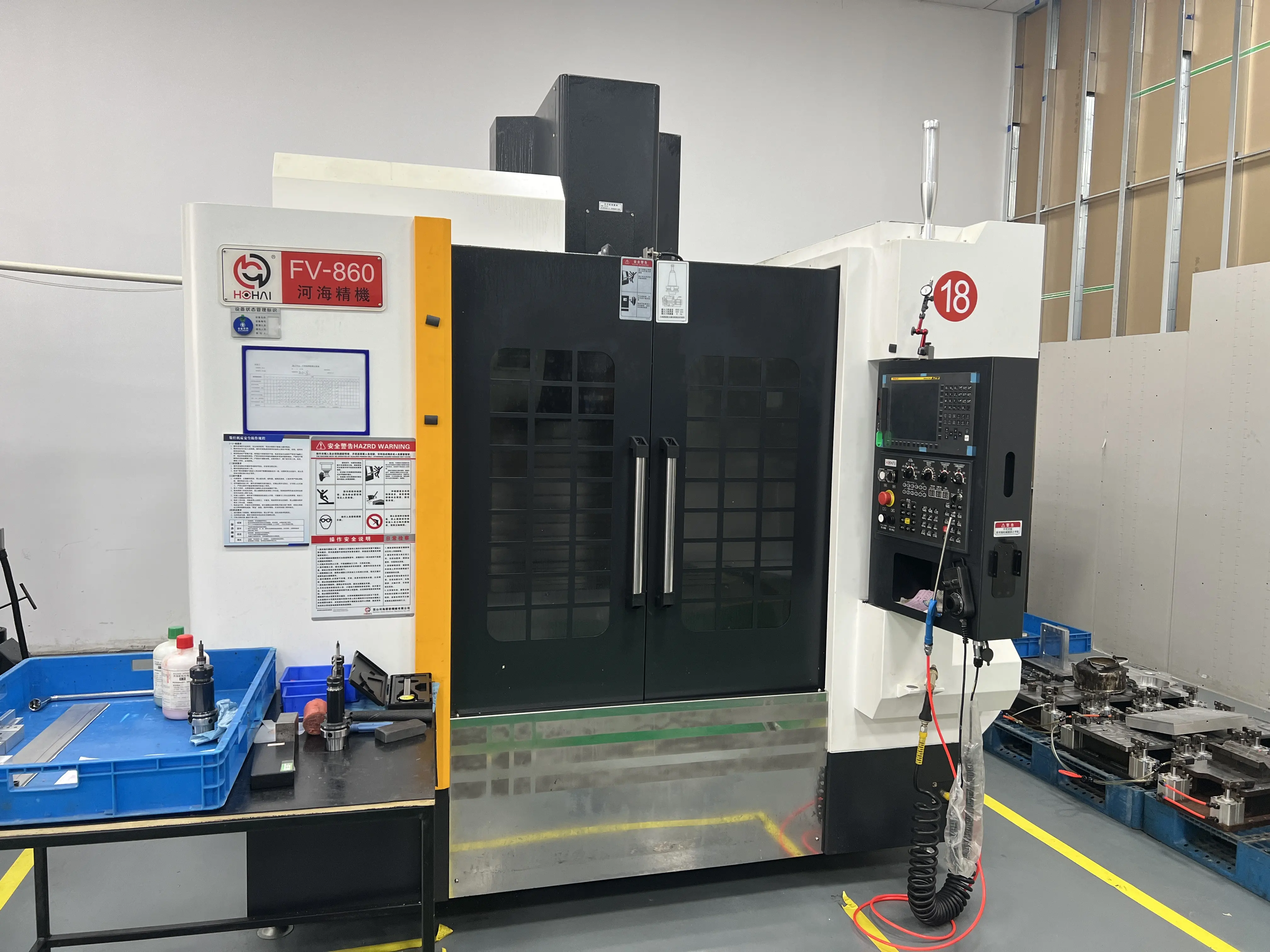
Analyzing what is the difference between cnc and 3d printing from economic perspectives reveals distinct cost structures that significantly impact manufacturing decisions and business profitability. CNC machining follows traditional manufacturing economics with high initial setup costs offset by lower per-unit costs in medium to high-volume production. The investment includes machine acquisition, tooling, fixtures, and skilled operator training, creating substantial upfront expenses. However, once setup completes, CNC machines can rapidly produce identical parts with minimal marginal costs, making them highly economical for production runs exceeding certain volume thresholds. The economies of scale become particularly apparent in automotive, aerospace, and industrial applications where thousands of identical components are required. Material utilization in CNC machining often results in significant waste, as the subtractive process removes material that becomes scrap, though this waste can sometimes be recycled depending on material type. Tooling costs represent ongoing expenses as cutting tools wear and require replacement, but predictable tool life enables accurate cost calculations. Conversely, 3D printing exhibits different economic characteristics with lower setup costs but higher per-unit material and processing expenses. The additive nature eliminates waste by using only required material amounts, providing material efficiency advantages particularly valuable with expensive materials like titanium or specialized polymers. Setup costs remain minimal since digital files drive production without physical tooling requirements, making 3D printing economically viable for single parts or small batches where CNC setup costs would be prohibitive. Labor requirements differ significantly, with 3D printing often requiring less skilled operators for basic operations while CNC demands experienced machinists for optimal results. Understanding what is the difference between cnc and 3d printing economically enables manufacturers to identify break-even points where one technology becomes more cost-effective than the other. For custom medical devices or prototypes requiring frequent design iterations, 3D printing provides cost advantages through eliminated tooling expenses and setup flexibility. For established products with predictable demand volumes, CNC machining delivers superior unit economics through established processes and efficient material removal rates that justify higher initial investments.