
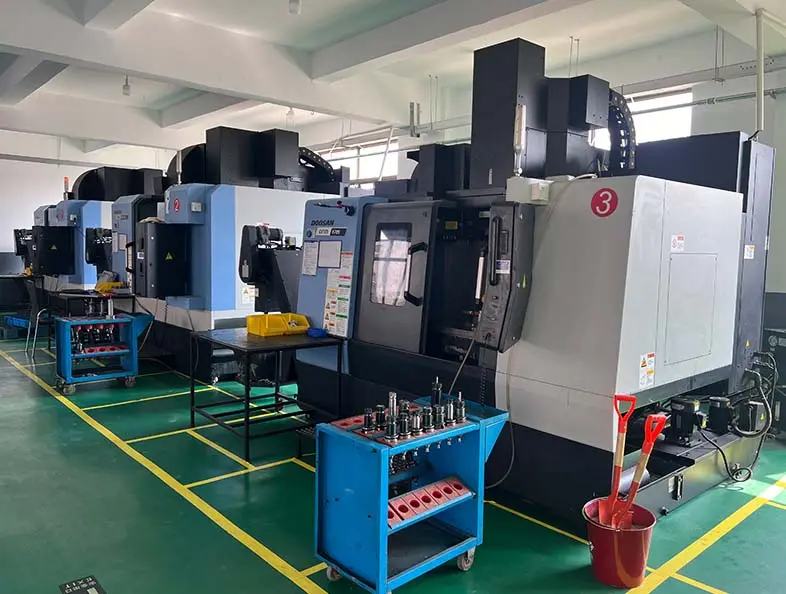
CNC precision machining represents a revolutionary manufacturing process that utilizes computer-controlled machines to create highly accurate parts and components from various materials including metals, plastics, and composites. This advanced manufacturing technique combines computer numerical control systems with sophisticated cutting tools to achieve exceptional dimensional accuracy, surface finish quality, and repeatability that traditional manual machining methods cannot match. The technology operates by following pre-programmed instructions that guide cutting tools along precise paths to remove material from raw stock, creating finished parts that meet exact specifications. What is CNC precision machining fundamentally involves the integration of computer-aided design software, numerical control programming, and precision machinery to produce complex geometries with tolerances as tight as plus or minus 0.0001 inches. The main functions of this technology include turning, milling, drilling, grinding, and electrical discharge machining, each serving specific manufacturing requirements. Modern CNC precision machining centers feature multi-axis capabilities, allowing simultaneous movement in multiple directions to create intricate three-dimensional shapes and internal features that would be impossible to achieve through conventional methods. The technological features encompass advanced servo motors for precise positioning, high-resolution encoders for accurate feedback, rigid machine structures to minimize vibration, and sophisticated control systems that monitor and adjust cutting parameters in real-time. These systems incorporate automatic tool changers, coolant systems, and workpiece clamping mechanisms that ensure consistent quality throughout production runs. Applications span across aerospace, automotive, medical device manufacturing, electronics, defense, and precision instrumentation industries where component accuracy and reliability are critical. The versatility of what is CNC precision machining enables manufacturers to produce everything from simple brackets and housings to complex turbine blades, surgical instruments, and semiconductor components with exceptional consistency and quality.
The advantages of what is CNC precision machining extend far beyond traditional manufacturing methods, offering businesses significant competitive benefits that directly impact their bottom line and operational efficiency. Manufacturing companies gain superior accuracy and consistency when implementing CNC precision machining systems, as these automated processes eliminate human error variables that commonly affect manual operations. This technology delivers repeatability rates exceeding 99.9 percent, ensuring every part matches exact specifications regardless of production volume. Cost reduction emerges as a primary benefit, particularly for medium to high-volume production runs where setup costs distribute across multiple units. Companies reduce labor expenses by minimizing manual intervention requirements while simultaneously increasing output capacity through continuous operation capabilities. What is CNC precision machining enables 24-hour production cycles with minimal supervision, allowing businesses to meet tight delivery schedules and respond quickly to market demands. Quality improvements manifest through consistent surface finishes, precise dimensional tolerances, and reduced reject rates that enhance customer satisfaction and reduce warranty claims. The technology accommodates complex geometries and intricate details that manual machining cannot achieve, opening new design possibilities for engineers and product developers. Material waste reduction occurs through optimized cutting paths and precise material removal calculations that maximize raw material utilization. Flexibility represents another significant advantage, as CNC systems adapt quickly to design changes through software modifications rather than expensive tooling replacements. This adaptability reduces time-to-market for new products while minimizing inventory requirements for specialized tooling. Safety improvements result from reduced operator exposure to cutting tools and hazardous machining environments, as workers monitor operations from safe distances while machines handle material processing. What is CNC precision machining also provides detailed production data and quality metrics that support continuous improvement initiatives and regulatory compliance requirements. Scalability advantages allow manufacturers to increase production capacity by adding machines rather than expanding workforce, providing predictable growth pathways. The technology supports lean manufacturing principles by reducing setup times, eliminating work-in-process inventory, and enabling just-in-time production strategies that improve cash flow and reduce storage costs.
Unmatched Precision and Accuracy Standards
What is CNC precision machining delivers unprecedented accuracy levels that transform manufacturing capabilities across diverse industries, establishing new benchmarks for dimensional precision and surface quality. This technology achieves tolerances within 0.0001 inches consistently, surpassing human capabilities and traditional machining methods by substantial margins. The precision advantage stems from computer-controlled movements that eliminate manual positioning errors, vibration-induced variations, and operator fatigue factors that compromise accuracy in conventional processes. Advanced feedback systems continuously monitor cutting tool positions through high-resolution encoders and laser interferometry, making real-time adjustments to maintain exact specifications throughout entire production cycles. Temperature compensation algorithms account for thermal expansion effects on both machinery and workpieces, ensuring dimensional stability regardless of ambient conditions or extended operation periods. Multi-axis coordination enables simultaneous movement control across five or more axes, creating complex geometries with mathematical precision that manual operations cannot replicate. The accuracy benefits extend beyond dimensional control to encompass surface finish quality, with CNC systems producing mirror-like finishes on critical surfaces through controlled cutting parameters and optimized tool paths. This precision capability eliminates secondary finishing operations in many applications, reducing production time and associated costs while maintaining superior quality standards. Medical device manufacturers rely on this accuracy for life-critical components where microscopic variations could affect patient safety, while aerospace applications demand precision for components operating under extreme conditions. What is CNC precision machining enables the production of parts with complex internal passages, precise angles, and intricate features that support advanced engineering designs previously considered impossible to manufacture. Quality control integration allows real-time dimensional verification through in-process measurement systems that detect deviations before completion, preventing defective parts from reaching subsequent production stages. The repeatability aspect ensures every part matches the first article exactly, regardless of production quantities or time intervals between manufacturing runs, providing confidence for high-volume applications where consistency determines product reliability and customer satisfaction.
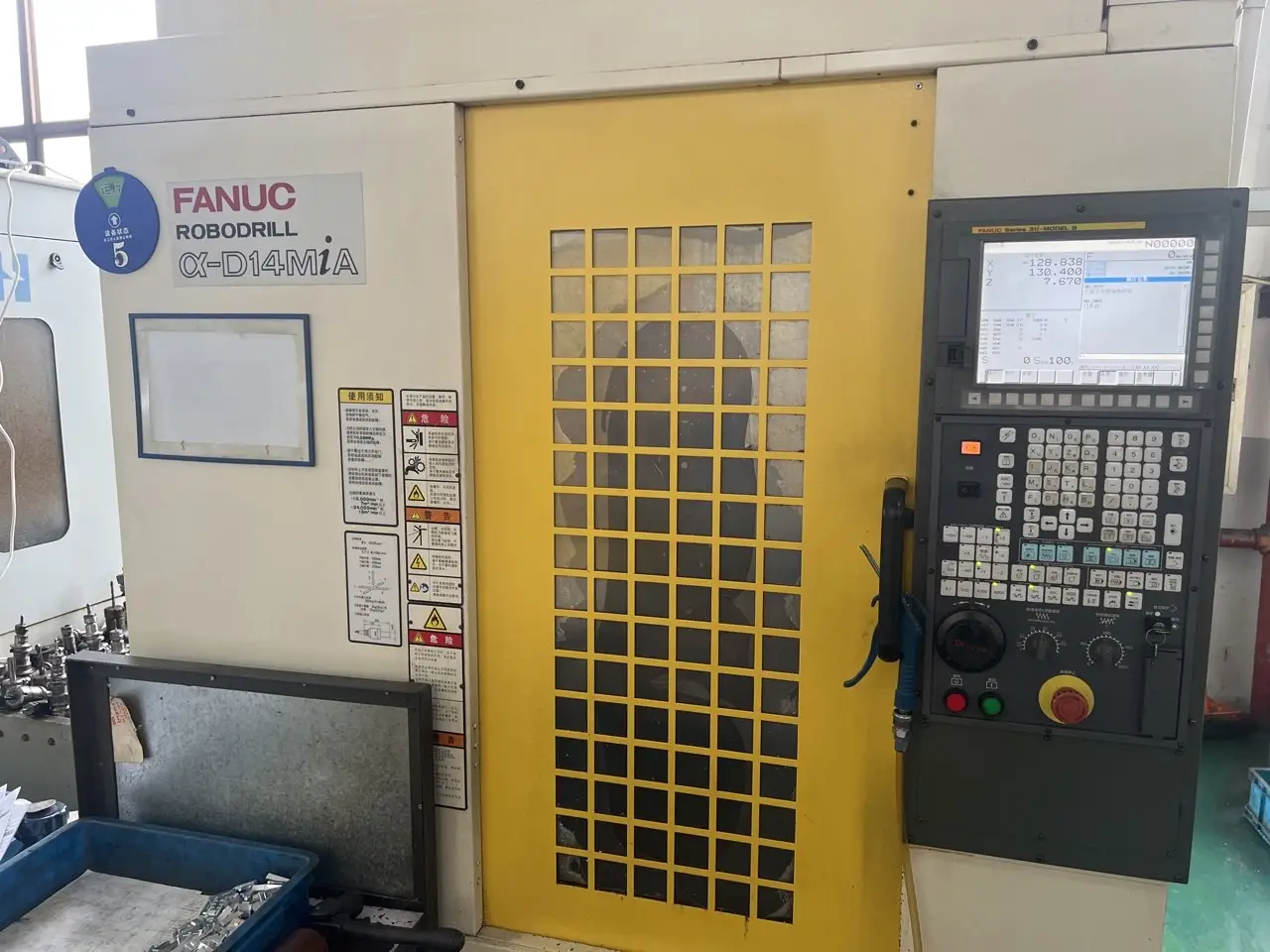
Enhanced Production Efficiency and Speed
The efficiency advantages of what is CNC precision machining revolutionize manufacturing operations by dramatically reducing production times while simultaneously improving output quality and consistency. Automated operations eliminate manual setup variations and operator-dependent cycle times, creating predictable production schedules that enable accurate delivery commitments and improved customer service levels. Modern CNC systems execute complex machining operations in single setups that previously required multiple machines and manual transfers, reducing handling time and eliminating positioning errors between operations. Rapid tool changing capabilities allow machines to switch between different cutting tools in seconds rather than minutes, minimizing downtime and maximizing productive machining time throughout each shift. What is CNC precision machining systems optimize cutting parameters automatically based on material properties, tool conditions, and desired surface finishes, achieving faster material removal rates while extending tool life and reducing replacement costs. Simultaneous multi-axis operations enable parallel processing of multiple features, cutting total machining time significantly compared to sequential operations required by conventional methods. Advanced programming capabilities include adaptive machining strategies that adjust feeds and speeds dynamically based on real-time cutting conditions, preventing tool breakage while maintaining maximum productivity levels. Automated workpiece handling systems integrate with CNC machines to provide continuous operation capabilities, loading new parts while previously loaded components undergo machining, effectively doubling throughput capacity. The efficiency gains extend to setup procedures through standardized tooling systems and modular fixtures that reduce changeover times between different part numbers from hours to minutes. What is CNC precision machining enables lights-out manufacturing operations where systems run unattended during off-shifts, providing 24-hour production capacity without additional labor costs. Quality improvements inherent in CNC processes reduce inspection requirements and eliminate rework operations that consume valuable production time in traditional manufacturing environments. Predictive maintenance capabilities monitor machine conditions continuously, scheduling maintenance activities during planned downtime periods rather than unexpected breakdowns that disrupt production schedules. Integration with enterprise resource planning systems provides real-time production data that supports accurate capacity planning and delivery scheduling, improving overall operational efficiency and customer satisfaction levels while reducing inventory requirements.
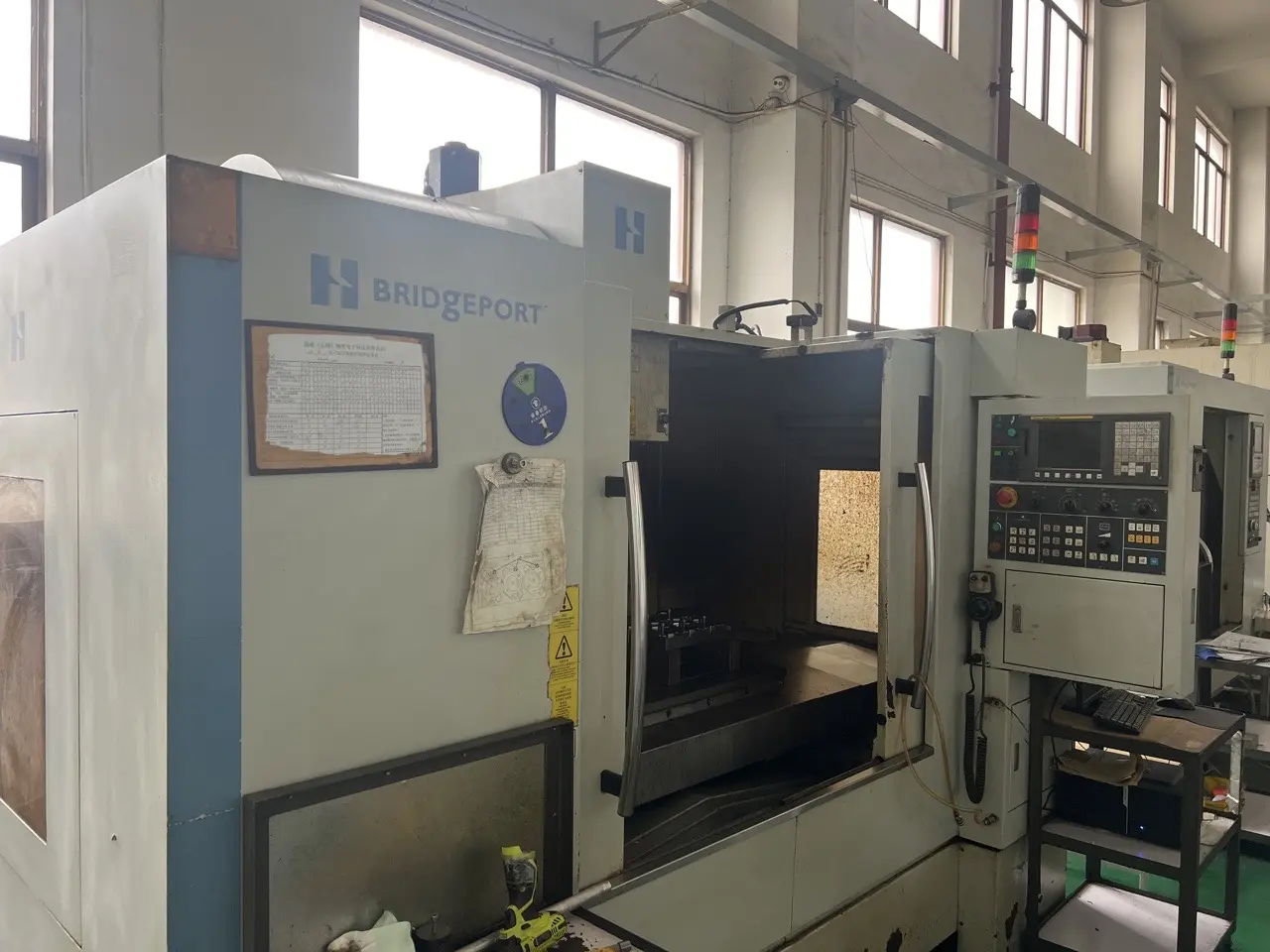
Versatile Material Processing and Design Flexibility
What is CNC precision machining offers exceptional versatility in material processing capabilities, accommodating an extensive range of materials from soft plastics to exotic superalloys while maintaining consistent quality and precision standards. This flexibility enables manufacturers to select optimal materials for specific applications without being constrained by machining limitations that affect conventional manufacturing methods. Advanced cutting tool technologies and adaptive machining strategies allow CNC systems to process materials with vastly different properties, including aluminum alloys, stainless steels, titanium, Inconel, carbon fiber composites, and engineering plastics, each requiring unique approaches for optimal results. Temperature control systems and specialized coolant delivery methods manage heat generation during machining operations, preventing material distortion and maintaining dimensional accuracy even when processing heat-sensitive materials or thin-walled components. What is CNC precision machining systems accommodate rapid design changes through software modifications rather than expensive tooling replacements, enabling manufacturers to respond quickly to engineering revisions or customer specification changes without significant cost penalties or schedule delays. Complex geometry capabilities include undercuts, internal cavities, compound angles, and intricate surface textures that support advanced product designs previously limited by manufacturing constraints. Multi-spindle configurations and live tooling options expand processing capabilities to include secondary operations such as cross-drilling, tapping, and turning within single setups, reducing part handling and improving geometric relationships between features. Modular fixturing systems provide flexibility for accommodating various part sizes and configurations while maintaining rigidity and accuracy standards required for precision machining operations. Custom programming capabilities enable optimization for specific applications, incorporating specialized cycles for thread cutting, gear cutting, and surface texturing that enhance functionality while reducing subsequent processing requirements. What is CNC precision machining supports prototype development through rapid programming and setup procedures that enable quick evaluation of design concepts before committing to production tooling investments. Material waste reduction occurs through optimized nesting algorithms and efficient cutting path planning that maximize raw material utilization while minimizing scrap generation. The technology accommodates both high-volume production runs and small batch custom manufacturing, providing scalability options that support diverse business models and market requirements without compromising quality or efficiency standards.