
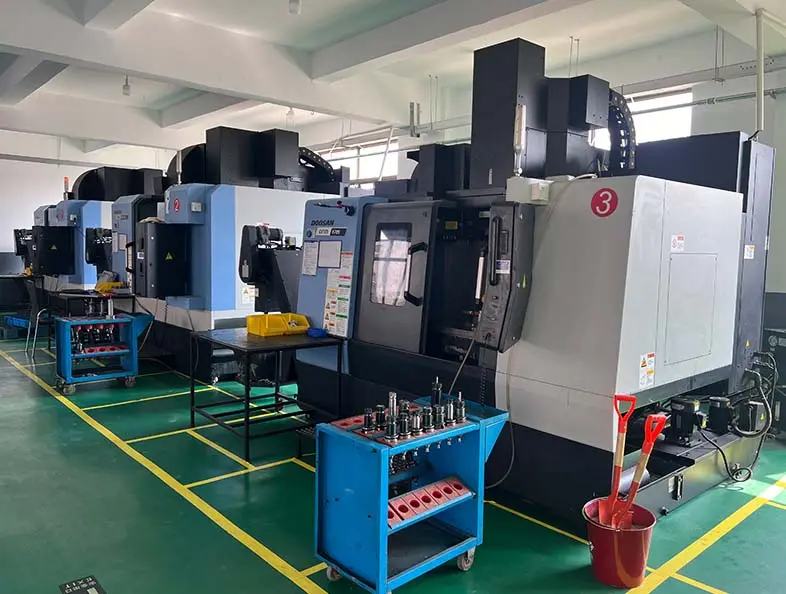
CNC machining vs laser cutting represents two fundamental manufacturing technologies that dominate modern production environments, each offering distinct capabilities for material processing and fabrication. CNC machining utilizes computer-controlled cutting tools to remove material from solid workpieces through subtractive manufacturing processes, while laser cutting employs focused laser beams to cut, engrave, or etch materials with exceptional precision. The comparison between CNC machining vs laser cutting reveals significant differences in operational methods, material compatibility, and production outcomes. CNC machining excels in creating complex three-dimensional parts with tight tolerances, utilizing various cutting tools including drills, mills, lathes, and routers to shape metals, plastics, and composite materials. This technology offers remarkable versatility in producing intricate geometries, internal features, and multi-axis components that require dimensional accuracy. Technological features of CNC machining include multi-axis capabilities, tool changers, coolant systems, and sophisticated control software that enables automated production cycles. Applications span aerospace components, automotive parts, medical devices, and precision tooling where structural integrity and exact specifications are paramount. Laser cutting technology harnesses concentrated light energy to vaporize, melt, or burn through materials, delivering clean cuts with minimal heat-affected zones. Key technological features include fiber lasers, CO2 lasers, variable power controls, and automated nesting software that optimizes material utilization. Laser cutting applications encompass sheet metal fabrication, signage production, architectural elements, and decorative items where speed and edge quality are priorities. The fundamental distinction in CNC machining vs laser cutting lies in their processing approaches: CNC machining creates parts through material removal using physical cutting tools, while laser cutting separates materials using thermal energy. Material thickness capabilities differ significantly, with CNC machining handling substantial workpiece dimensions and laser cutting optimized for thinner materials. Both technologies integrate seamlessly with CAD/CAM software systems, enabling automated production workflows and consistent quality control throughout manufacturing processes.
The advantages of CNC machining vs laser cutting reveal distinct benefits that make each technology superior for specific manufacturing requirements and production objectives. CNC machining delivers exceptional material versatility, processing virtually any machinable material including hardened steels, titanium alloys, aluminum, plastics, and exotic metals that laser cutting cannot effectively handle. This capability enables manufacturers to select optimal materials for their applications without technological constraints limiting their choices. CNC machining produces superior surface finishes directly from the machining process, eliminating secondary finishing operations and reducing overall production costs. The technology creates parts with excellent dimensional accuracy and repeatability, maintaining tolerances within microns across large production runs. CNC machining excels in creating complex three-dimensional geometries, internal features, undercuts, and intricate details that laser cutting cannot achieve due to its two-dimensional cutting limitations. The process generates minimal heat input, preserving material properties and preventing thermal distortion that can affect part quality and dimensional stability. CNC machining offers unlimited thickness capabilities, processing workpieces ranging from thin sheets to massive blocks, providing flexibility for diverse component requirements. Laser cutting advantages include exceptional cutting speed, especially for thin materials, significantly reducing production time compared to traditional cutting methods. The technology produces clean, precise cuts with smooth edges that often require no additional finishing, streamlining production workflows and reducing labor costs. Laser cutting generates narrow kerf widths, minimizing material waste and maximizing material utilization efficiency, which translates to cost savings in material-intensive applications. The process operates without physical tool contact, eliminating tool wear costs and reducing maintenance requirements compared to CNC machining operations. Laser cutting excels in processing reflective materials like copper and brass that present challenges for traditional machining methods. The technology offers rapid setup times and easy programming changes, making it ideal for prototype development and short-run production scenarios. Laser cutting provides consistent quality across entire production runs without tool degradation affecting cut quality. Both technologies integrate with advanced automation systems, but laser cutting typically requires less complex fixturing and workholding solutions. The choice between CNC machining vs laser cutting ultimately depends on specific application requirements, material properties, part geometry, production volume, and quality specifications that define project success.
Material Versatility and Processing Capabilities
The fundamental difference in material processing capabilities represents a critical factor when evaluating CNC machining vs laser cutting for manufacturing applications. CNC machining demonstrates superior material versatility, effectively processing virtually any machinable material regardless of hardness, thermal properties, or chemical composition. This technology successfully machines hardened tool steels, titanium alloys, inconel, aluminum, stainless steel, brass, copper, various plastics, composites, and exotic materials that present challenges for other manufacturing processes. The mechanical cutting action of CNC machining tools physically removes material without relying on thermal processes, making it suitable for heat-sensitive materials that might experience property changes under laser cutting conditions. CNC machining maintains consistent material properties throughout the cutting process, preserving metallurgical structures and mechanical characteristics essential for high-performance applications. This capability proves invaluable in aerospace, medical, and automotive industries where material integrity directly impacts safety and performance. Laser cutting excels with specific material categories, particularly sheet metals, but faces limitations with highly reflective materials, thick sections, and certain alloys that absorb laser energy inefficiently. The thermal nature of laser cutting can create heat-affected zones that alter material properties near cut edges, potentially compromising performance in critical applications. However, laser cutting processes materials like mild steel, stainless steel, aluminum sheets, and various plastics with exceptional efficiency and quality when material thickness falls within optimal ranges. The technology struggles with materials exceeding specific thickness thresholds, typically limiting applications to sheet and plate materials rather than substantial workpiece dimensions. CNC machining processes materials across unlimited thickness ranges, from thin sheets to massive forgings, providing flexibility for diverse component requirements. This thickness capability enables CNC machining to create complex parts with varying wall thicknesses, deep cavities, and substantial material removal that laser cutting cannot achieve. Material selection freedom in CNC machining vs laser cutting significantly impacts design flexibility, cost optimization, and performance characteristics, making material compatibility a primary consideration in technology selection decisions.
Geometric Complexity and Dimensional Accuracy
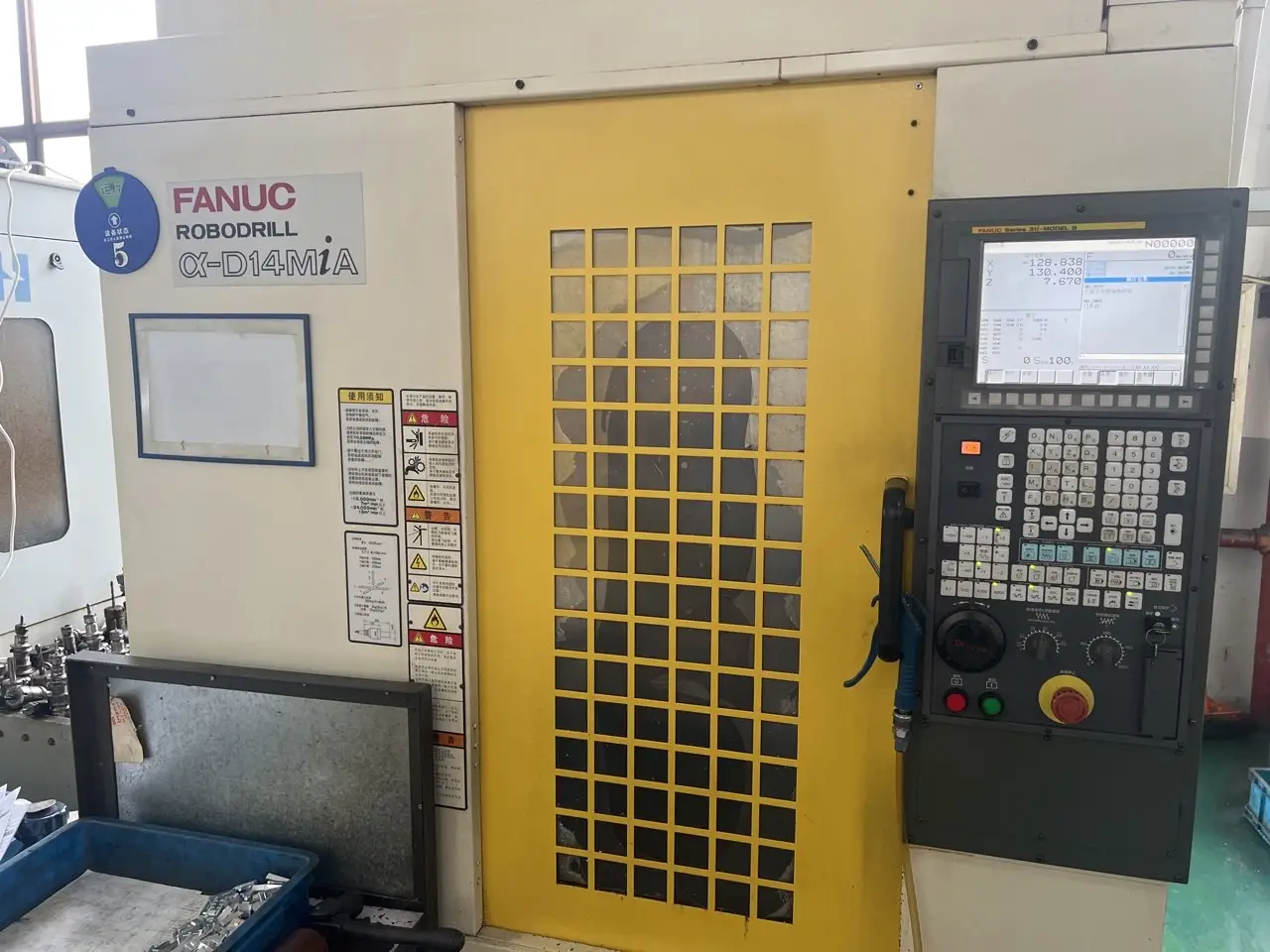
Geometric complexity and dimensional accuracy represent fundamental differentiators when comparing CNC machining vs laser cutting capabilities for precision manufacturing applications. CNC machining excels in creating complex three-dimensional parts with intricate internal features, undercuts, cavities, and multi-level surfaces that are impossible to achieve with two-dimensional cutting processes. This technology utilizes multiple cutting axes, typically ranging from three to five axes, enabling the production of parts with complex geometries, angled features, and curved surfaces that require precise three-dimensional coordination. CNC machining creates internal threads, bores, pockets, slots, and intricate details with exceptional accuracy, maintaining tight tolerances across all features simultaneously. The process accommodates design modifications and engineering changes without requiring new tooling investments, providing flexibility throughout product development cycles. Multi-axis CNC machining capabilities enable the production of parts with complex angular relationships, compound curves, and asymmetrical features that traditional manufacturing methods cannot achieve efficiently. Dimensional accuracy in CNC machining reaches extraordinary levels, with modern machines maintaining tolerances within 0.0001 inches or better, ensuring consistent quality across production runs. The technology provides excellent repeatability, producing identical parts with minimal variation between units, crucial for applications requiring interchangeable components. CNC machining verification processes include in-process measurement, dimensional inspection, and quality control protocols that ensure specification compliance throughout production. Laser cutting limitations include strictly two-dimensional cutting capabilities, restricting part geometry to flat patterns and simple extruded shapes without complex three-dimensional features. The technology cannot create internal features, undercuts, or complex cavities that require material removal from multiple directions. However, laser cutting delivers exceptional edge quality and dimensional accuracy within its operational parameters, maintaining tight tolerances on cut dimensions and producing clean, perpendicular cuts with minimal taper. Laser cutting accuracy depends on material thickness, cutting speed, and laser power settings, with optimal results achieved within specific parameter ranges. The comparison of CNC machining vs laser cutting geometric capabilities reveals that part complexity requirements often determine the most suitable technology selection, with CNC machining offering superior flexibility for complex three-dimensional components and laser cutting providing efficient solutions for two-dimensional cutting applications.
Production Speed and Cost Efficiency
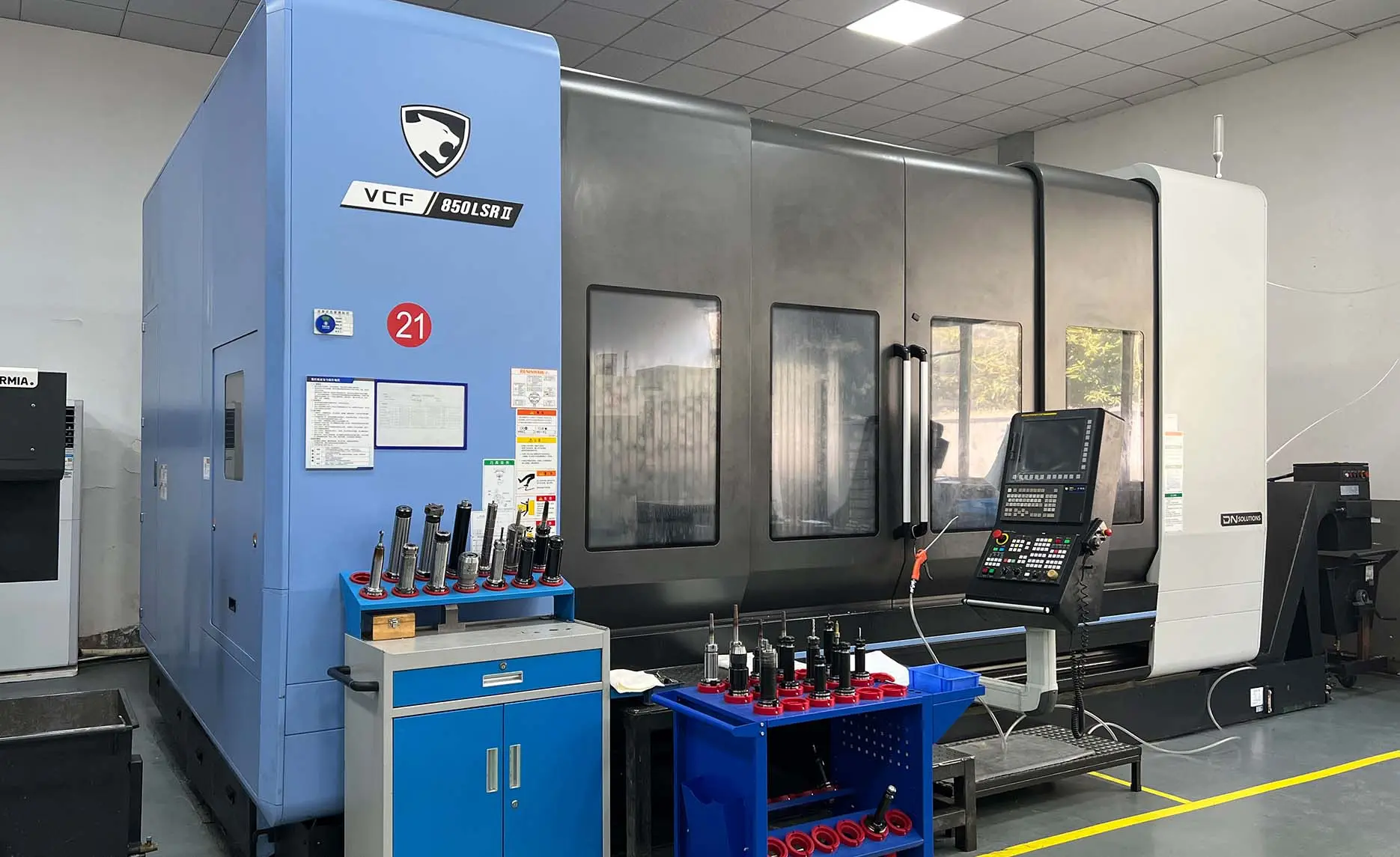
Production speed and cost efficiency analysis reveals distinct advantages for each technology when comparing CNC machining vs laser cutting across different manufacturing scenarios and production requirements. Laser cutting demonstrates exceptional speed advantages for thin sheet materials, often completing cuts at rates significantly faster than traditional machining methods, particularly for simple geometric shapes and straight-line cutting applications. The technology eliminates tool changes, reduces setup complexity, and enables continuous cutting operations that maximize productivity in high-volume production environments. Laser cutting automation capabilities include automatic nesting software that optimizes material utilization, reducing waste and maximizing the number of parts produced from each sheet. This optimization directly translates to material cost savings and improved overall production efficiency. The technology requires minimal operator intervention during cutting operations, enabling lights-out manufacturing scenarios where systems operate autonomously during extended periods. Laser cutting setup times are typically shorter than CNC machining preparations, particularly for simple part geometries that require minimal programming complexity. However, laser cutting speed advantages diminish as material thickness increases, with cutting rates decreasing significantly for thicker materials that require higher laser power and multiple passes. CNC machining speed varies considerably based on part complexity, material hardness, and required surface finish specifications, but demonstrates consistent performance across diverse material thicknesses and part geometries. The technology achieves excellent efficiency for complex parts that would require multiple operations using other manufacturing methods, consolidating production processes and reducing handling time. CNC machining provides superior cost efficiency for parts requiring multiple features, complex geometries, or high-precision tolerances that would necessitate secondary operations following laser cutting. Tool life and maintenance considerations impact overall cost efficiency in CNC machining vs laser cutting comparisons, with laser cutting eliminating tool wear costs but requiring laser source maintenance and periodic replacement. CNC machining tool costs and replacement schedules must be factored into production cost calculations, particularly for difficult-to-machine materials that accelerate tool wear rates. Energy consumption patterns differ between technologies, with laser cutting requiring significant electrical power for laser generation while CNC machining consumes energy primarily for spindle operation and auxiliary systems. The optimal choice between CNC machining vs laser cutting from a production speed and cost efficiency perspective depends on part complexity, material requirements, production volume, and quality specifications that define project success criteria and economic viability.