
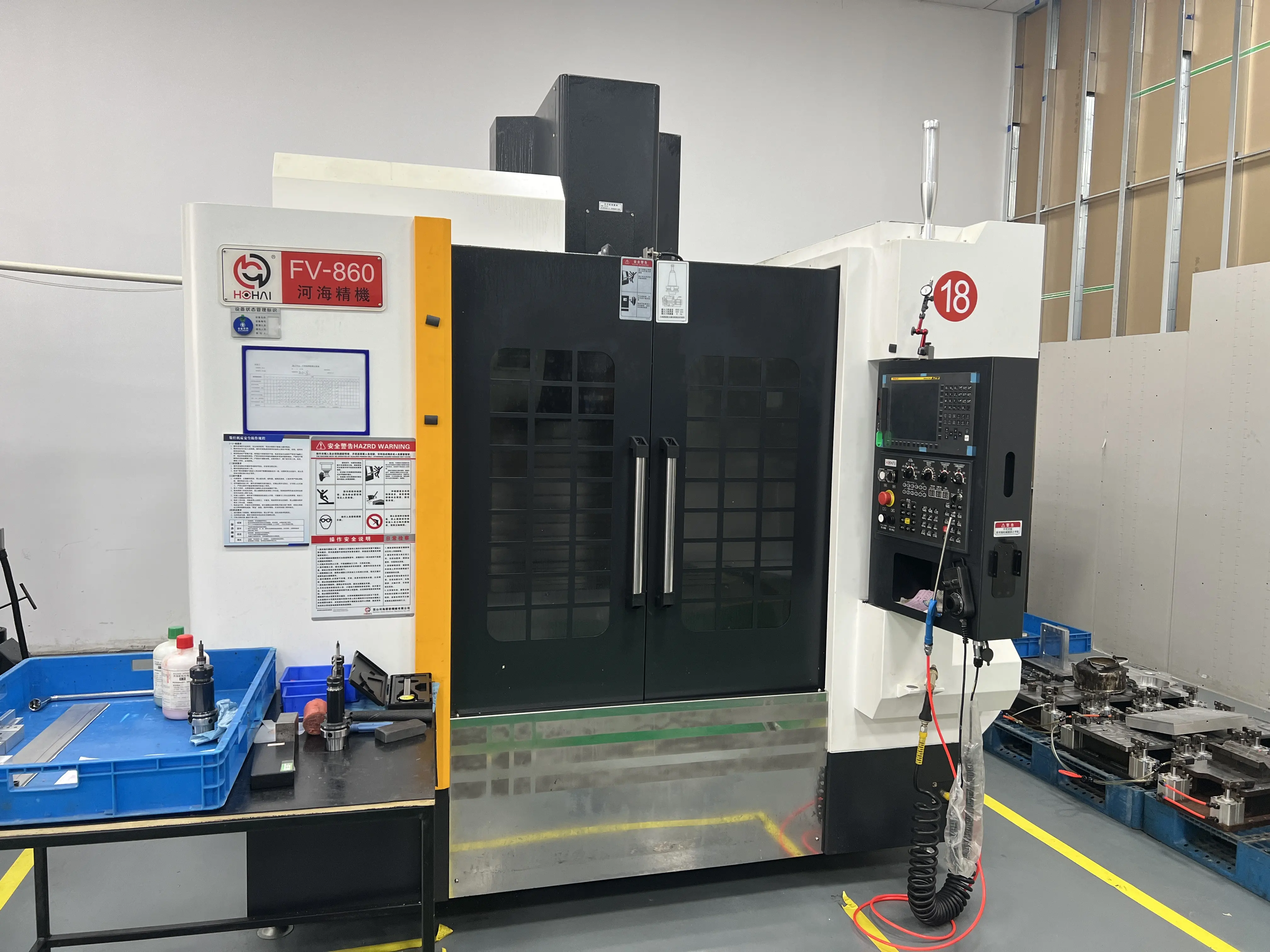
Understanding what is CNC code represents a fundamental aspect of modern manufacturing technology that has revolutionized precision engineering and automated production processes. CNC code, also known as G-code or NC code, is a specialized programming language that instructs Computer Numerical Control machines on how to perform specific manufacturing operations with exceptional accuracy and repeatability. This sophisticated coding system serves as the communication bridge between human operators and automated machinery, enabling the creation of complex parts and components across various industries. The essence of what is CNC code lies in its ability to translate engineering designs into executable machine instructions that control tool movement, spindle speed, feed rates, and coolant systems. These alphanumeric commands follow standardized formatting protocols that ensure universal compatibility across different CNC machine brands and models. The technological features of CNC code include precise coordinate positioning using Cartesian coordinate systems, parametric programming capabilities for variable adjustments, and subroutine functions that enable efficient code reuse and modification. Modern CNC code incorporates advanced features such as canned cycles for repetitive operations, macro programming for complex calculations, and adaptive control systems that optimize cutting parameters in real-time. The main functions encompass tool path definition, cutting parameter specification, machine setup instructions, and safety protocol implementation. CNC code applications span multiple industries including aerospace manufacturing for turbine components, automotive production for engine blocks and transmission parts, medical device fabrication for surgical instruments, and consumer electronics manufacturing for precision housings and connectors. The versatility of what is CNC code extends to various machining operations including milling, turning, drilling, grinding, and multi-axis simultaneous processing, making it indispensable for modern manufacturing facilities seeking competitive advantages through automation and precision.
The advantages of understanding what is CNC code extend far beyond basic machine operation, offering substantial practical benefits that directly impact manufacturing efficiency and profitability. Businesses implementing comprehensive CNC code knowledge experience significant reductions in production time through optimized tool paths and streamlined machining sequences that eliminate unnecessary movements and minimize setup changes. This programming expertise enables manufacturers to achieve consistent quality standards across large production runs, eliminating human error variables that traditionally plague manual machining operations. The precision control afforded by mastering what is CNC code allows companies to maintain tight tolerances within micrometers, resulting in superior product quality that meets increasingly demanding industry specifications. Cost savings materialize through reduced material waste, as optimized CNC code minimizes scrap generation through efficient nesting algorithms and precise cutting strategies that maximize raw material utilization. Labor cost reductions occur naturally when skilled operators leverage CNC code knowledge to automate complex operations that previously required multiple manual setups and constant supervision. The flexibility inherent in CNC code programming enables rapid prototyping and design modifications without extensive retooling, allowing manufacturers to respond quickly to market demands and customer specification changes. Production scalability becomes achievable through standardized CNC code libraries that can be easily adapted for different part quantities and variations, supporting both small-batch custom manufacturing and high-volume production requirements. Quality assurance improvements result from the repeatable nature of CNC code execution, where proven programs consistently produce identical results regardless of operator skill level or shift changes. Competitive advantages emerge from the ability to tackle increasingly complex geometries and multi-axis operations that would be impossible or economically unfeasible through conventional manufacturing methods. The integration capabilities of modern CNC code systems with CAD/CAM software and enterprise resource planning systems create seamless workflows that eliminate bottlenecks and improve overall manufacturing efficiency. Understanding what is CNC code also enables predictive maintenance scheduling through embedded diagnostic routines that monitor machine performance and alert operators to potential issues before costly breakdowns occur, ultimately extending equipment lifespan and maintaining consistent production schedules.
Precision Control and Repeatability Excellence
The cornerstone advantage of mastering what is CNC code lies in its unparalleled precision control capabilities that consistently deliver repeatable results across unlimited production cycles. This sophisticated programming language enables manufacturers to achieve dimensional accuracies measured in thousandths of inches or micrometers, surpassing human capabilities by orders of magnitude while maintaining consistency that manual operations simply cannot match. The mathematical precision embedded within CNC code eliminates the variability factors associated with human operators, such as fatigue, distraction, or skill level differences between shifts, ensuring that every manufactured component meets exact specifications regardless of when or who initiates the production run. Advanced interpolation algorithms within CNC code systems calculate optimal tool paths that minimize vibration and deflection while maximizing surface finish quality, resulting in superior part aesthetics and functional performance. The repeatability aspect becomes particularly crucial for industries requiring certified quality standards, where documentation and traceability demand consistent results that can be verified through statistical process control methods. Understanding what is CNC code empowers manufacturers to implement feedback control systems that automatically compensate for tool wear, thermal expansion, and machine deflection, maintaining precision throughout extended production runs without manual intervention. This precision control extends to complex geometries involving multiple coordinate systems, angular positioning, and synchronized multi-axis movements that would be impossible to achieve manually with comparable accuracy. The economic implications of this precision control are substantial, as manufacturers can confidently bid on contracts requiring tight tolerances while minimizing the risk of costly rejections or rework cycles that traditionally plague less precise manufacturing methods.
Operational Efficiency and Cost Optimization
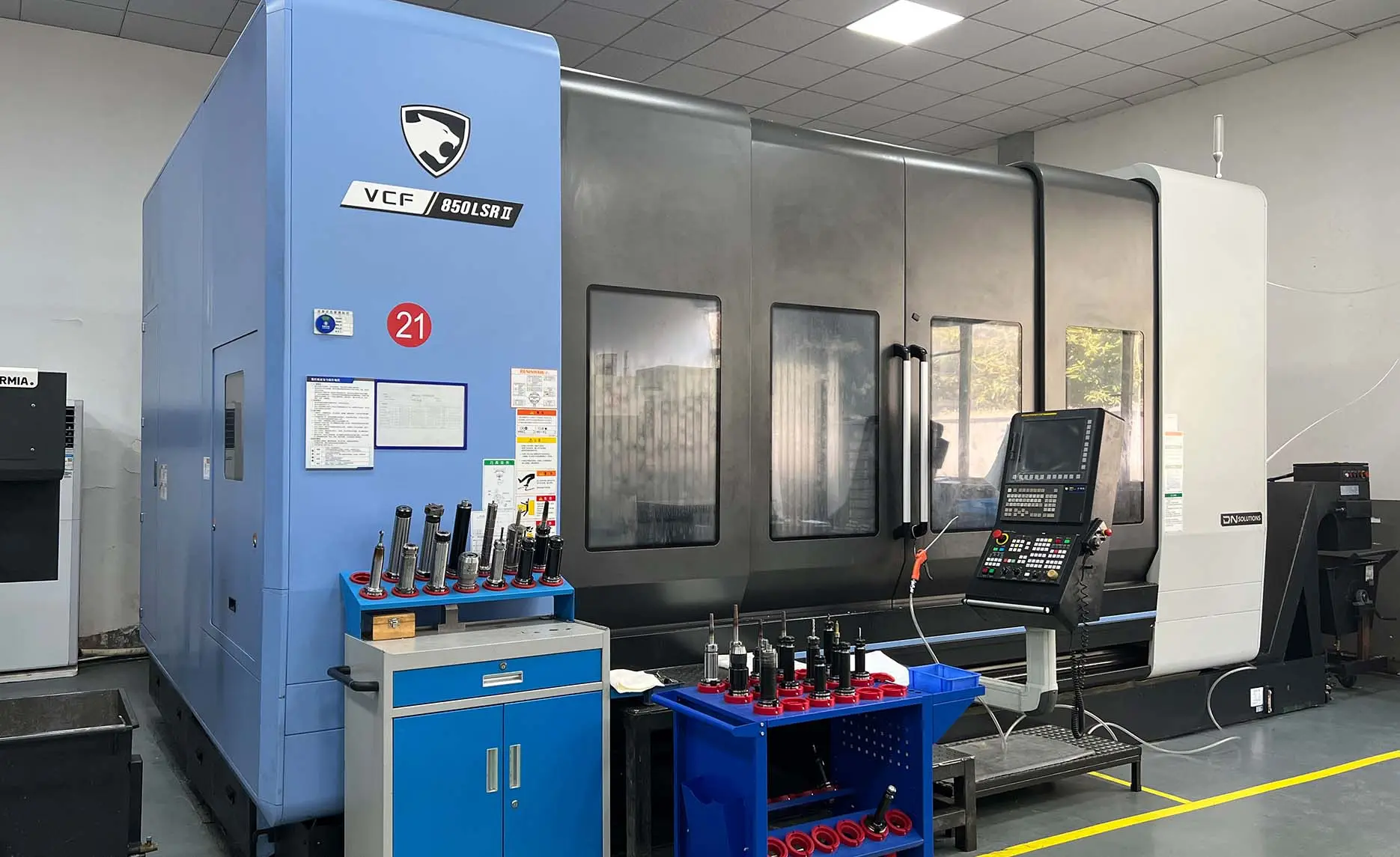
Implementing comprehensive knowledge of what is CNC code transforms manufacturing operations through dramatic efficiency improvements and cost optimization strategies that directly impact bottom-line profitability. The automation capabilities inherent in CNC code programming eliminate time-consuming manual setup procedures, reducing cycle times while simultaneously increasing throughput capacity without proportional increases in labor costs. Optimized tool path algorithms minimize non-productive time by calculating the most efficient movement sequences that reduce air cutting, eliminate unnecessary tool changes, and maximize spindle utilization throughout the machining cycle. Understanding what is CNC code enables the implementation of advanced strategies such as high-speed machining protocols, adaptive feed rate controls, and dynamic tool engagement optimization that collectively reduce manufacturing time by significant percentages compared to conventional programming approaches. The cost optimization benefits extend to raw material utilization through sophisticated nesting algorithms and cutting strategies that minimize waste generation while maximizing the number of parts produced from each material blank or sheet. Energy consumption reductions result from optimized spindle speeds, feed rates, and coolant usage patterns that maintain process effectiveness while minimizing power consumption and operational overhead costs. Labor cost optimization occurs through the ability to operate multiple machines simultaneously under CNC code control, allowing skilled operators to supervise several production cells rather than dedicating individual attention to single manual operations. The predictive capabilities embedded within modern CNC code systems enable proactive maintenance scheduling based on actual usage patterns and performance metrics, preventing costly unplanned downtime while extending equipment service life through optimized operating parameters. Inventory management benefits emerge from the flexibility to quickly reprogram existing setups for different part variations, reducing the need for dedicated tooling and setup inventory while improving cash flow through reduced work-in-process requirements.
Flexibility and Innovation Enhancement
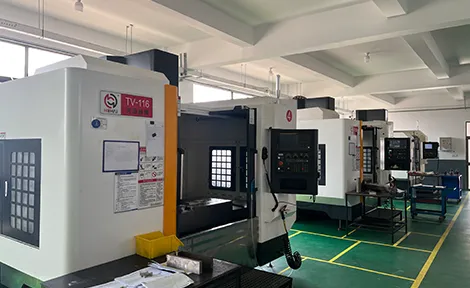
The transformative power of understanding what is CNC code extends far beyond basic manufacturing capabilities, unlocking unprecedented flexibility and innovation potential that enables manufacturers to tackle increasingly complex challenges while adapting rapidly to evolving market demands. This programming expertise facilitates rapid prototyping capabilities that compress design-to-production cycles from weeks to hours, allowing engineers to iteratively refine designs through multiple physical iterations without the traditional constraints of tooling lead times or setup costs associated with conventional manufacturing methods. The parametric programming features within advanced CNC code systems enable the creation of adaptive manufacturing programs that automatically adjust dimensions, features, and processing parameters based on input variables, supporting mass customization initiatives that deliver personalized products at near-production-scale efficiencies. Innovation enhancement becomes evident through the ability to experiment with unconventional machining strategies, tool paths, and cutting parameters that push the boundaries of what traditional manufacturing methods can achieve, often leading to breakthrough improvements in surface finish, dimensional accuracy, or production speed. Understanding what is CNC code empowers manufacturers to integrate cutting-edge technologies such as adaptive machining systems that automatically adjust parameters based on real-time feedback, artificial intelligence algorithms that optimize tool paths for specific materials and geometries, and Internet of Things connectivity that enables remote monitoring and control capabilities. The flexibility advantages extend to supply chain resilience, where CNC code knowledge enables manufacturers to quickly adapt to material substitutions, design modifications, or specification changes without extensive retooling or lengthy approval processes that traditionally slow response times to customer requirements. Multi-axis machining capabilities accessible through advanced CNC code programming enable the production of complex geometries in single setups that would otherwise require multiple operations, fixtures, and handling steps, reducing both cycle time and the potential for cumulative tolerance stack-up issues while improving overall part quality and consistency.