
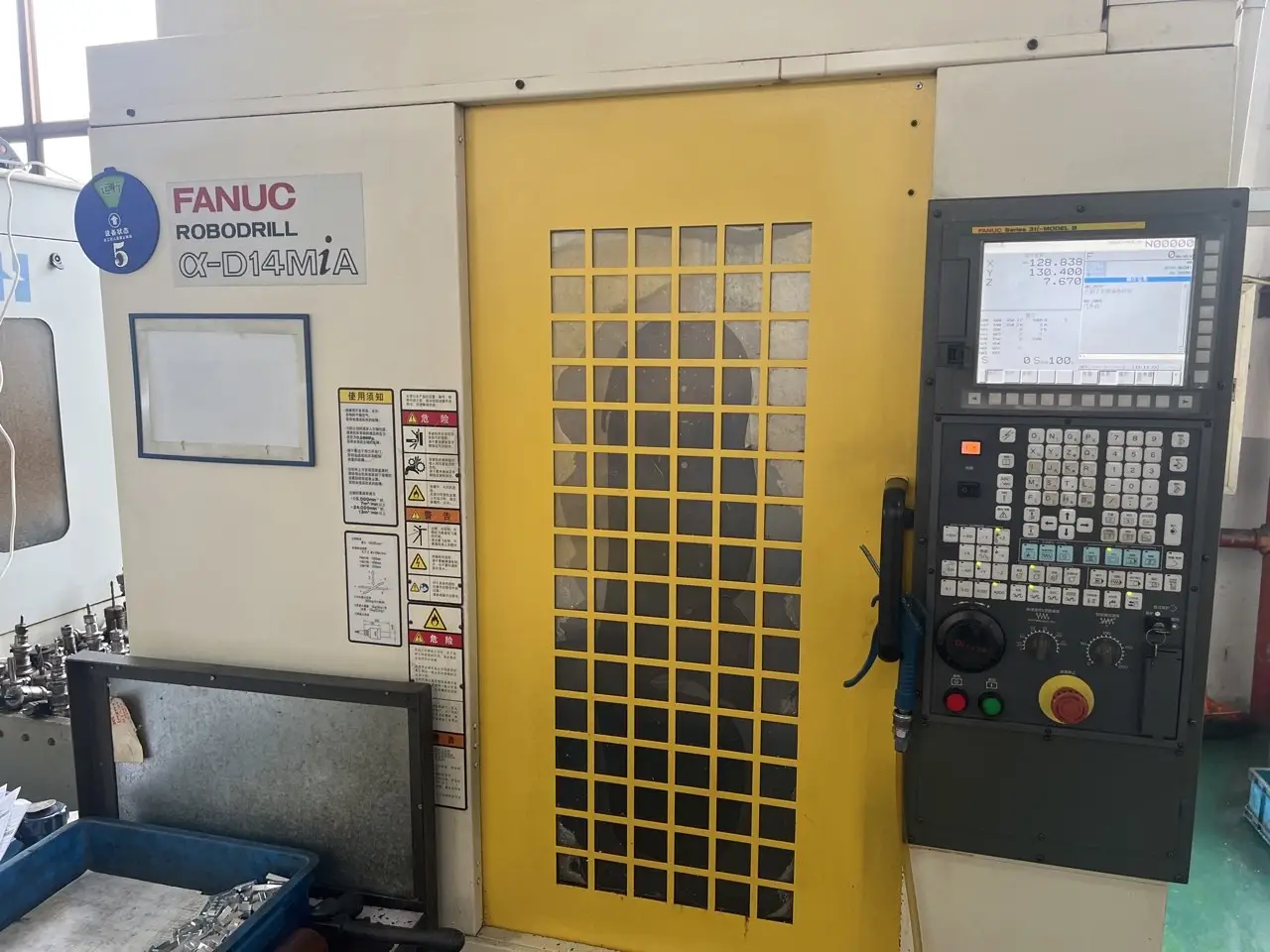
Steel machining represents a fundamental manufacturing process that transforms raw steel materials into precisely engineered components through various cutting, shaping, and finishing operations. This sophisticated manufacturing technique utilizes advanced machinery and cutting tools to remove material from steel workpieces, creating components that meet exact specifications and tolerances. The steel machining process encompasses multiple operations including turning, milling, drilling, grinding, and threading, each designed to achieve specific geometric features and surface finishes. Modern steel machining facilities employ computer numerical control (CNC) technology, enabling automated production with exceptional accuracy and repeatability. The technological features of steel machining include multi-axis capabilities that allow simultaneous operations on complex geometries, real-time monitoring systems that ensure quality control, and adaptive tooling systems that optimize cutting parameters based on material properties. Advanced cooling systems maintain optimal temperatures during operations, preventing thermal distortion and extending tool life. The applications of steel machining span numerous industries including automotive manufacturing, aerospace engineering, construction equipment, oil and gas exploration, medical device production, and heavy machinery fabrication. In automotive applications, steel machining produces engine components, transmission parts, and chassis elements that require precise tolerances and superior surface finishes. Aerospace applications demand ultra-precise components for aircraft engines, landing gear systems, and structural elements where safety and reliability are paramount. The construction industry relies on steel machining for producing heavy-duty equipment components, structural hardware, and specialized fasteners. Oil and gas operations require machined steel components for drilling equipment, pipeline systems, and refinery installations that must withstand extreme pressures and corrosive environments.
Steel machining offers numerous compelling advantages that make it an essential manufacturing solution for businesses seeking reliable, cost-effective production methods. The primary benefit lies in its exceptional precision capabilities, where modern steel machining achieves tolerances as tight as plus or minus 0.0001 inches, ensuring components fit perfectly in complex assemblies without costly modifications or adjustments. This precision translates directly into reduced assembly times and improved product performance, saving manufacturers significant costs in downstream operations. The versatility of steel machining allows production of components ranging from simple brackets to complex multi-featured parts in a single setup, eliminating the need for multiple manufacturing processes and reducing overall production time. Steel machining delivers superior surface finishes that often eliminate secondary operations like polishing or coating, reducing manufacturing steps and associated costs. The process accommodates various steel grades from standard carbon steels to exotic alloy compositions, providing manufacturers flexibility to select materials that best match their performance requirements and budget constraints. Steel machining offers excellent scalability, efficiently producing single prototypes for testing or thousands of production parts using the same setup and programming, making it ideal for both small-batch custom work and high-volume manufacturing runs. The durability of machined steel components provides exceptional value through extended service life, reducing replacement frequency and maintenance costs for end users. Modern steel machining incorporates automated quality inspection systems that detect dimensional variations in real-time, ensuring consistent quality throughout production runs and minimizing defective parts. The process generates minimal waste compared to alternative manufacturing methods, as removed material can often be recycled, supporting environmental sustainability goals while reducing raw material costs. Steel machining integrates seamlessly with lean manufacturing principles, enabling just-in-time production strategies that reduce inventory carrying costs and improve cash flow management. The established supply chains and widespread availability of steel machining services provide reliable sourcing options and competitive pricing for businesses of all sizes.
Unmatched Precision and Quality Control Systems
Steel machining delivers extraordinary precision that surpasses most other manufacturing methods, achieving dimensional tolerances that meet the most demanding engineering specifications. Modern CNC steel machining centers utilize advanced servo motor systems and linear encoders that provide positioning accuracy measured in micrometers, ensuring every component meets exact design requirements. The integration of in-process measurement systems allows continuous monitoring of dimensional accuracy during production, automatically compensating for tool wear and thermal variations that could affect part quality. These quality control systems include laser measurement devices, touch probes, and coordinate measuring machines that verify dimensions at multiple stages throughout the machining process. The precision capabilities of steel machining enable the production of components with complex geometric features including intricate internal passages, precise angular relationships, and multiple intersecting bores that maintain exact positional relationships. This level of precision eliminates the need for secondary machining operations or manual adjustments, reducing production time and associated labor costs while ensuring consistent quality across entire production runs. The superior surface finishes achieved through steel machining often eliminate requirements for additional finishing processes, with surface roughness values routinely achieving Ra values below 32 microinches. Advanced tooling systems utilize carbide and ceramic cutting inserts with precise geometries that maintain sharp cutting edges throughout extended production runs, ensuring consistent surface quality and dimensional accuracy. The implementation of statistical process control systems provides real-time feedback on machining parameters, enabling immediate adjustments to maintain optimal cutting conditions and prevent quality issues before they affect production output. Temperature-controlled machining environments and thermal compensation systems account for dimensional changes caused by heat generation during cutting operations, maintaining accuracy even during extended production cycles.
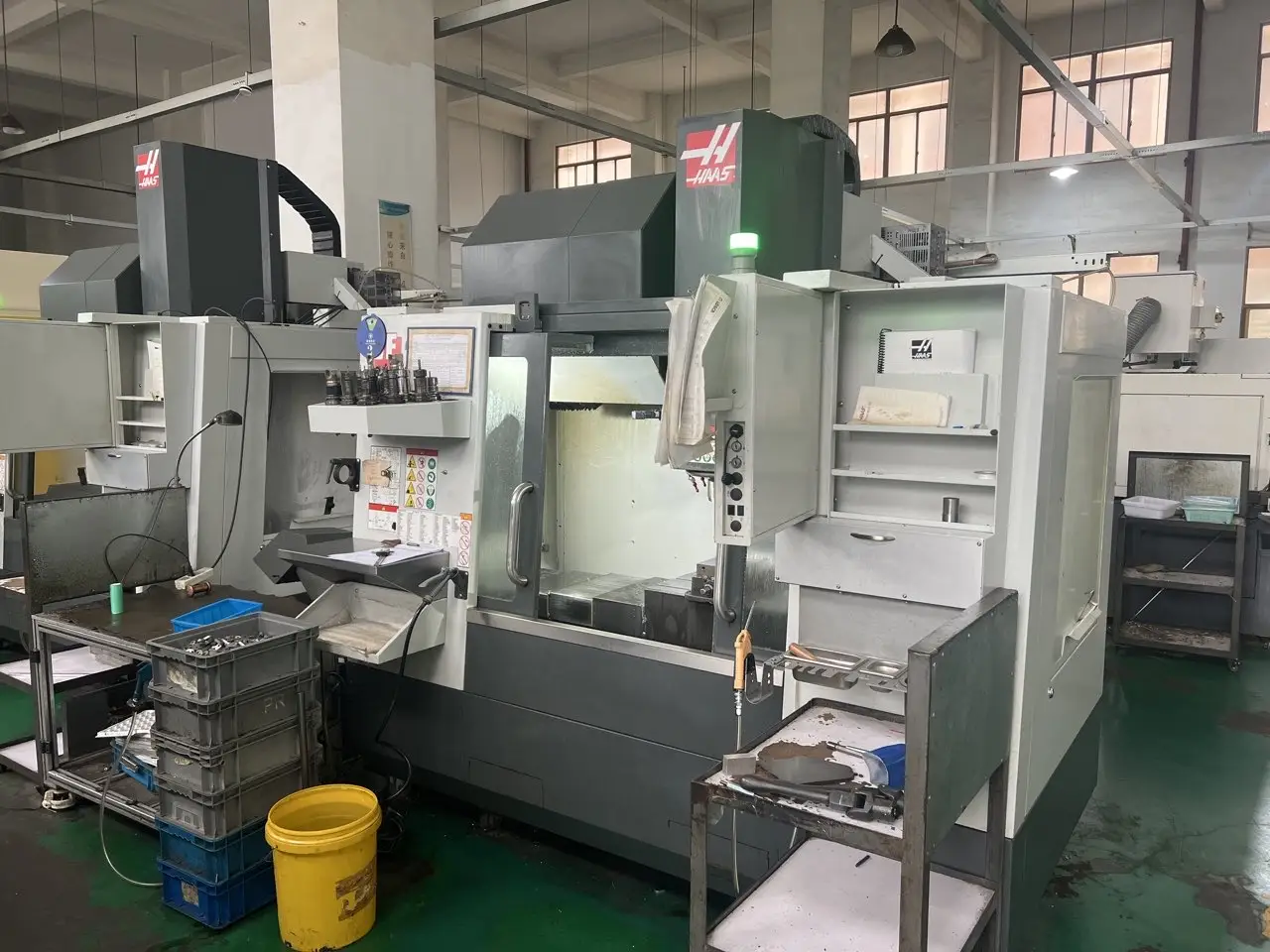
Exceptional Material Versatility and Adaptability
Steel machining demonstrates remarkable versatility in processing diverse steel alloys and compositions, accommodating everything from basic carbon steels to specialized high-performance alloys used in critical applications. This adaptability enables manufacturers to select optimal materials for specific applications while maintaining efficient production processes and consistent quality standards. The process effectively machines through hardened steels with Rockwell hardness values exceeding HRC 60, stainless steel alloys with superior corrosion resistance, and tool steels that maintain strength at elevated temperatures. Advanced cutting tool technologies and optimized machining parameters allow efficient processing of difficult-to-machine materials including precipitation-hardened stainless steels, duplex alloys, and exotic compositions containing titanium, molybdenum, or vanadium additions. Steel machining accommodates varying workpiece sizes from miniature precision components weighing ounces to massive structural elements weighing several tons, utilizing appropriate machinery configurations and workholding systems for each application. The flexibility extends to geometric complexity, where five-axis machining centers produce components with compound angles, undercuts, and internal features that would be impossible to achieve through conventional manufacturing methods. Adaptive machining strategies automatically adjust cutting parameters based on material properties and geometric features, optimizing productivity while maintaining surface quality and dimensional accuracy throughout diverse production requirements. The ability to machine both soft annealed materials and fully heat-treated components provides scheduling flexibility, allowing production planning that optimizes workflow and equipment utilization. Custom tooling solutions enable machining of specialized features including keyways, splines, threads, and contoured surfaces that match specific design requirements without compromising production efficiency or quality standards.
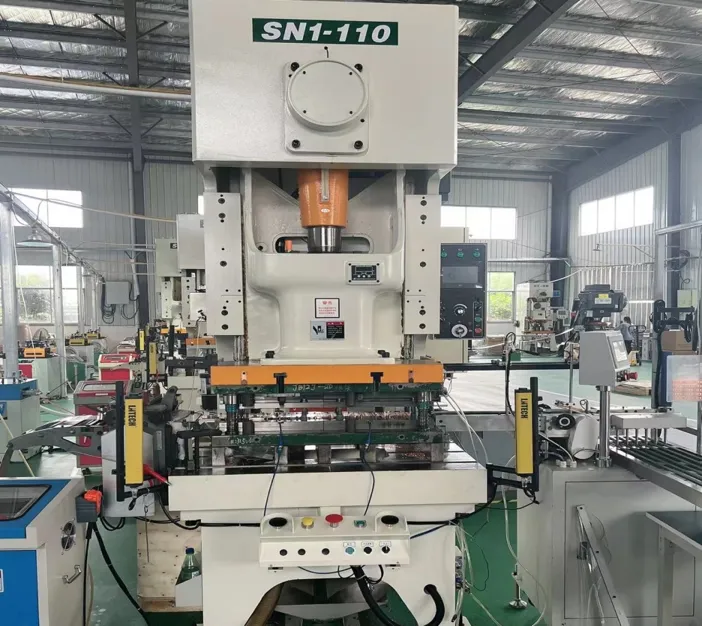
Cost-Effective Production with Rapid Turnaround Times
Steel machining provides exceptional economic value through efficient production processes that minimize both manufacturing time and overall project costs, making it an ideal solution for businesses seeking competitive manufacturing options. The setup efficiency of modern CNC steel machining enables rapid transitions between different part configurations, reducing non-productive time and maximizing equipment utilization throughout production schedules. Automated tool changing systems and pre-staged tooling arrangements allow continuous production with minimal operator intervention, reducing labor costs while maintaining consistent output quality and meeting demanding delivery schedules. The elimination of specialized tooling requirements for many applications reduces upfront investment costs and enables rapid prototype development for design verification and market testing activities. Steel machining achieves excellent material utilization rates through optimized cutting strategies and nesting algorithms that minimize waste generation, reducing raw material costs and supporting environmental sustainability objectives. The durability of machined steel components provides exceptional long-term value through extended service life and reduced maintenance requirements, lowering total cost of ownership for end users and supporting customer satisfaction goals. Efficient chip management systems and automated material handling reduce labor requirements while maintaining clean, organized work environments that support productivity and quality objectives. The scalability of steel machining operations accommodates varying production volumes without significant setup changes, enabling cost-effective production whether manufacturing single prototypes or thousands of production components. Integrated quality assurance systems eliminate costly rework and warranty issues by ensuring all components meet specifications before shipment, protecting profit margins and maintaining customer relationships. The widespread availability of steel machining services creates competitive pricing environments that benefit customers while providing reliable sourcing options and backup capacity during peak demand periods.