
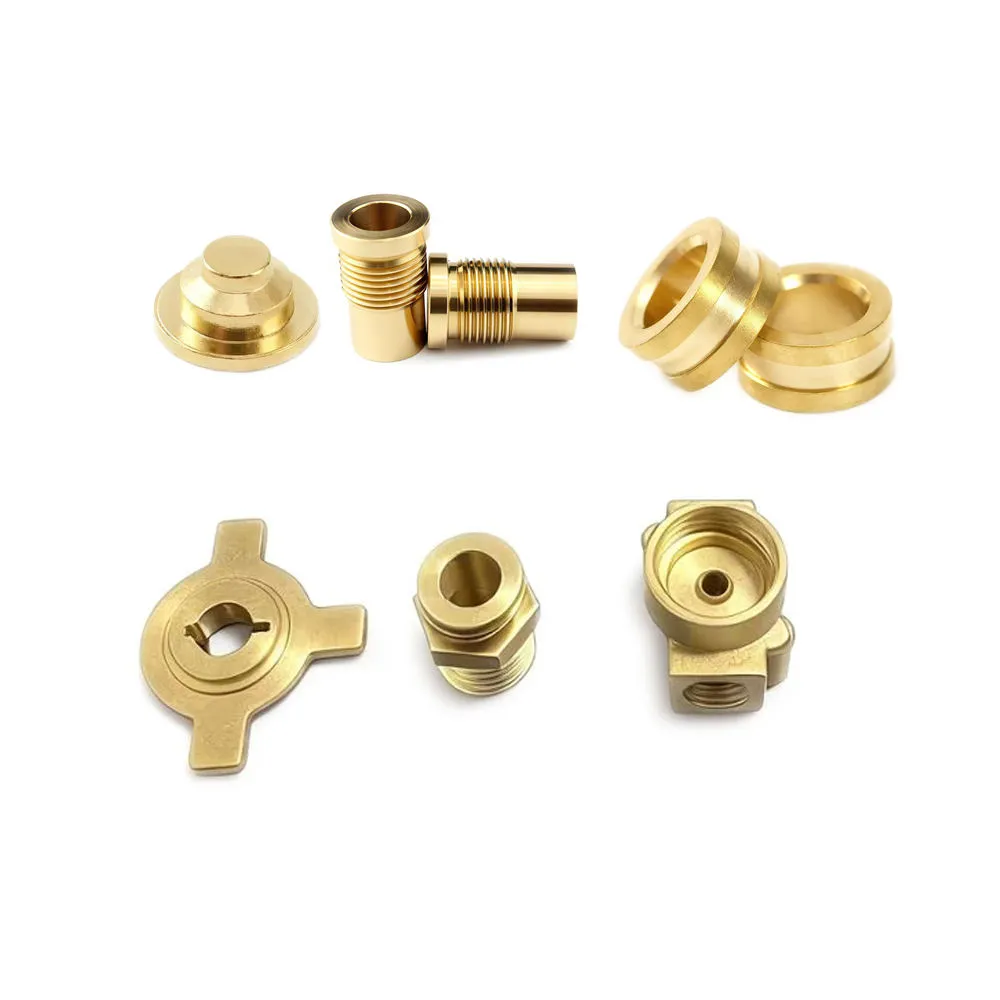
Guide to Material Selection for CNC Machining: An Analysis of Brass Classifications, Key Properties, and Industrial Applications
Brass is one of the most widely used non-ferrous metals in precision CNC machining and the customization of non-standard parts. Thanks to its excellent machinability, electrical and thermal conductivity, corrosion resistance, and distinctive metallic finish, brass components are utilized across numerous sectors, including electronics and electrical engineering, valves and piping, instrumentation, hardware fittings, and telecommunications equipment. Due to variations in zinc content and alloying element ratios, different types of brass exhibit significant differences in mechanical properties, machining characteristics, and suitable applications; selecting the right material is crucial for ensuring part performance and controlling production costs. Today, Shanghai Jinxi Precision Machinery breaks down the mainstream classifications, core properties, and typical application scenarios of brass from a practical industrial machining perspective.
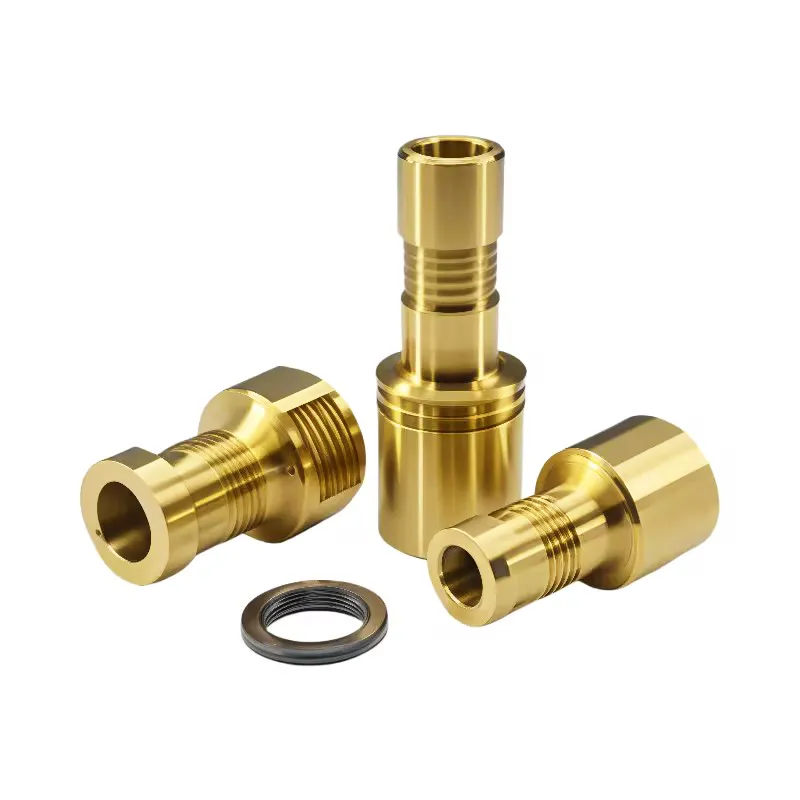
I. Ordinary Brass: The Basic Category of Binary Copper-Zinc Alloys
Ordinary brass is an alloy composed solely of copper and zinc; it is the most fundamental and widely consumed category of brass in industry. Grades are typically designated by the prefix “H” followed by the copper content percentage. Zinc content directly determines material properties: higher zinc proportions result in increased strength and hardness, though plasticity and corrosion resistance gradually decrease.
1. High-Copper Brass (H90, H80)
With copper contents of 90% and 80% respectively, these alloys feature low zinc content and a bright, gold-like hue, offering excellent decorative appeal. They possess superior plasticity and corrosion resistance, though their strength is relatively low. These brass types exhibit excellent cold-stamping performance and are commonly used for parts requiring high standards for appearance and conductivity, such as electroplated decorative components, handicrafts, conductive connectors, and nameplates.
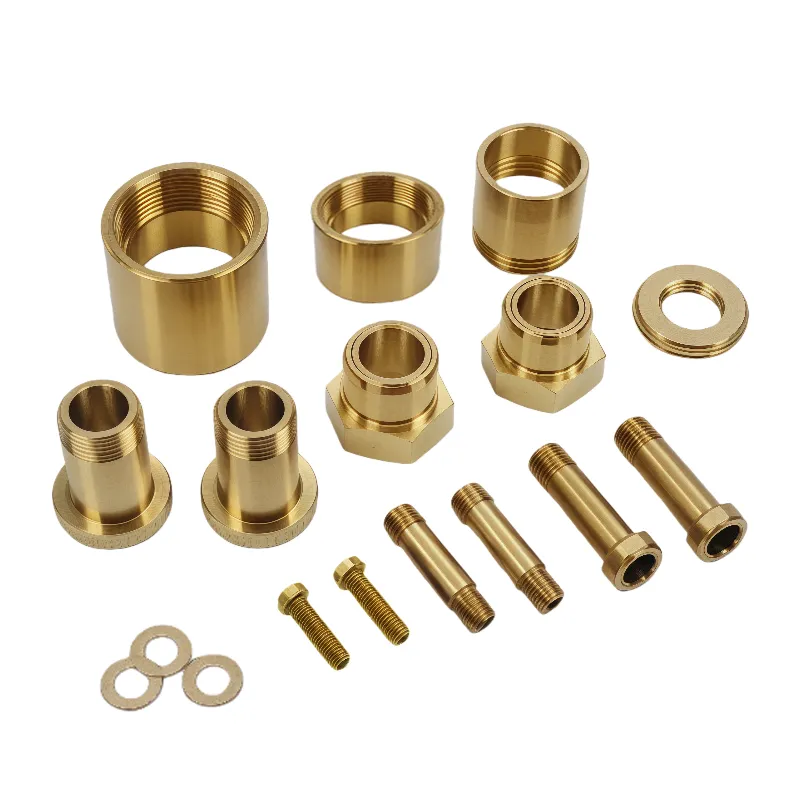
2. Medium-Copper Brass (H70, H68)
Also known as “70/30 brass” (or “7-3 brass”), this category contains approximately 70% copper. It offers the best plasticity and deep-drawing performance among brass alloys, while providing higher strength than high-copper brass and maintaining good corrosion resistance. It is the material of choice for complex formed parts and is widely used for non-standard components requiring deep drawing, such as bellows, radiator fins, precision instrument housings, and battery casings. 3. General-purpose Brass (H62, H59)
These are the most widely used types of ordinary brass in the industrial sector, with copper contents of 62% and 59%, respectively. Their high zinc content results in significantly enhanced strength and hardness. They offer good machinability and excellent cost-performance ratios. H62 features balanced overall properties, making it a standard choice for fasteners, connectors, valve fittings, and general hardware structural components. H59 offers higher strength but slightly lower ductility, making it better suited for hot forging and heavy-duty mechanical parts.
II. Special Brass: Functionally Enhanced Alloys
Special brass is created by adding alloying elements—such as lead, tin, aluminum, or manganese—to the basic copper-zinc composition. These additions specifically enhance machinability, corrosion resistance, wear resistance, or strength to suit particular industrial operating conditions. They are frequently used as functional materials in precision non-standard machining.
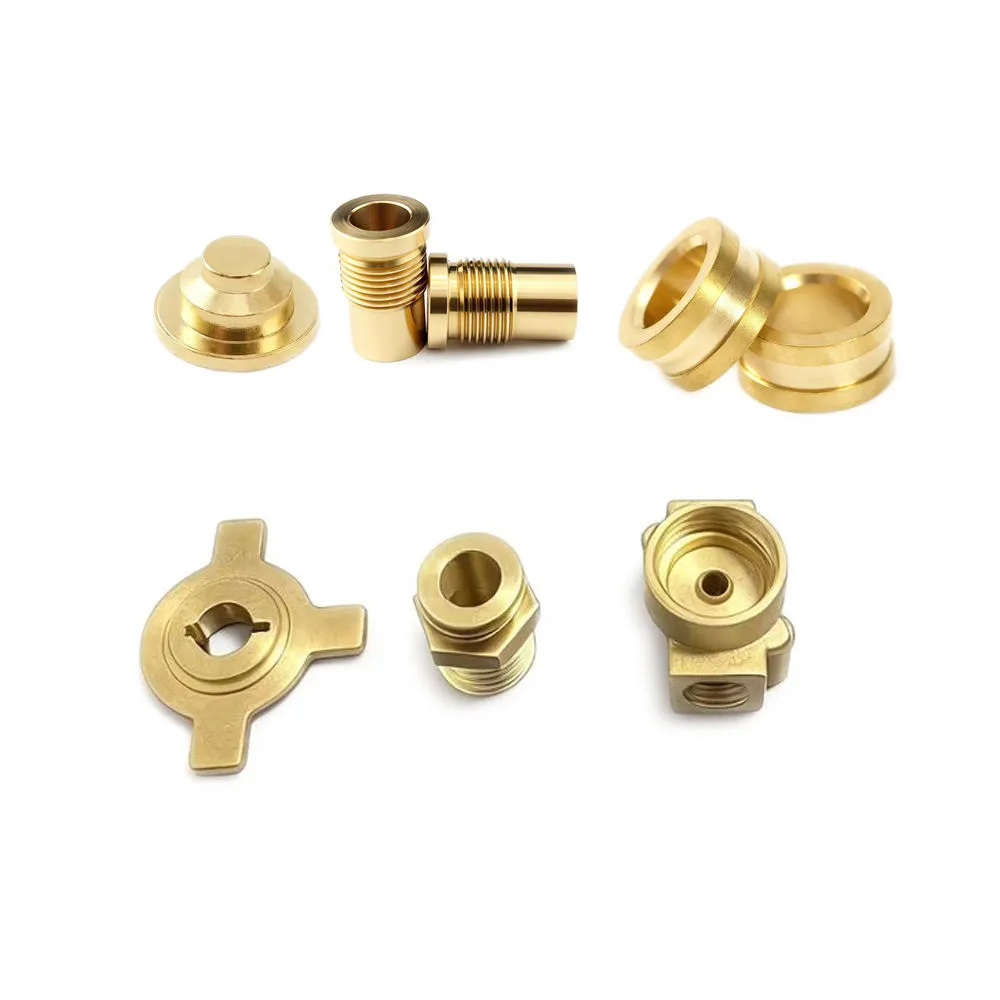
1. Leaded Brass: A Core Material for Precision CNC Machining
Representative grades include HPb59-1 and HPb63-3; these are the most commonly used brass alloys for precision turning. The addition of lead significantly improves chip-breaking performance, ensuring smooth cutting and preventing the material from sticking to the tool. It yields a high-quality surface finish, making it ideal for high-precision part production (in both small and large batches) on automatic lathes and CNC turning centers, while also offering good wear and corrosion resistance. It is widely used for high-precision components such as electronic connectors, precision hardware, valve cores, and instrument bushings.
2. Tin Brass: A Material Specialized for Highly Corrosive Marine Environments
The representative grade is HSn70-1, commonly known as “Naval Brass.” The addition of tin significantly enhances the material’s resistance to seawater corrosion and dezincification, while maintaining good ductility and machinability. It is a key material choice for components in marine, waterworks, and chemical piping systems, frequently used in marine equipment fittings, pipeline valves, and condenser pipe fittings. 3. Aluminum Brass and Manganese Brass: High-Strength, Wear-Resistant Materials
Aluminum brass (e.g., HA177-2) incorporates aluminum to significantly enhance strength, hardness, and corrosion resistance; offering excellent wear resistance, it is suitable for high-strength, corrosion-resistant structural components, gears, worm gears, and heavy-duty marine fittings. Manganese brass (e.g., HMn58-2) incorporates manganese to balance high strength with good ductility; featuring wear and impact resistance, it is commonly used for bearing bushings, heavy-duty mechanical parts, and valve bodies.
III. Recommendations for Brass Material Selection in Precision Machining
For the customization of non-standard parts, material selection can be quickly determined based on core requirements: prioritize leaded brass (HPb59-1) for applications demanding easy machinability and high-precision mass turning; choose standard brass (H62) for general structural parts and fasteners where cost-effectiveness and performance must be balanced; select H68 or H70 brass for complex deep-drawn parts; opt for tin brass for highly corrosive environments such as marine or waterworks applications; and choose aluminum brass or manganese brass for high-strength, wear-resistant, heavy-duty components.
Different brass alloys vary significantly in terms of machining parameters, forming processes, and surface treatment methods; matching the material to the appropriate processing strategy is essential to ensure dimensional precision and surface quality. Shanghai Jinxi Precision Machinery operates multi-axis CNC machining centers and employs a mature non-ferrous metal processing system. We precisely control dimensional tolerances and surface finishes for various brass parts, supporting everything from small-batch prototyping to large-scale custom production.
We are capable of machining non-standard precision parts from a wide range of brass alloys; please feel free to contact us with your requirements.