
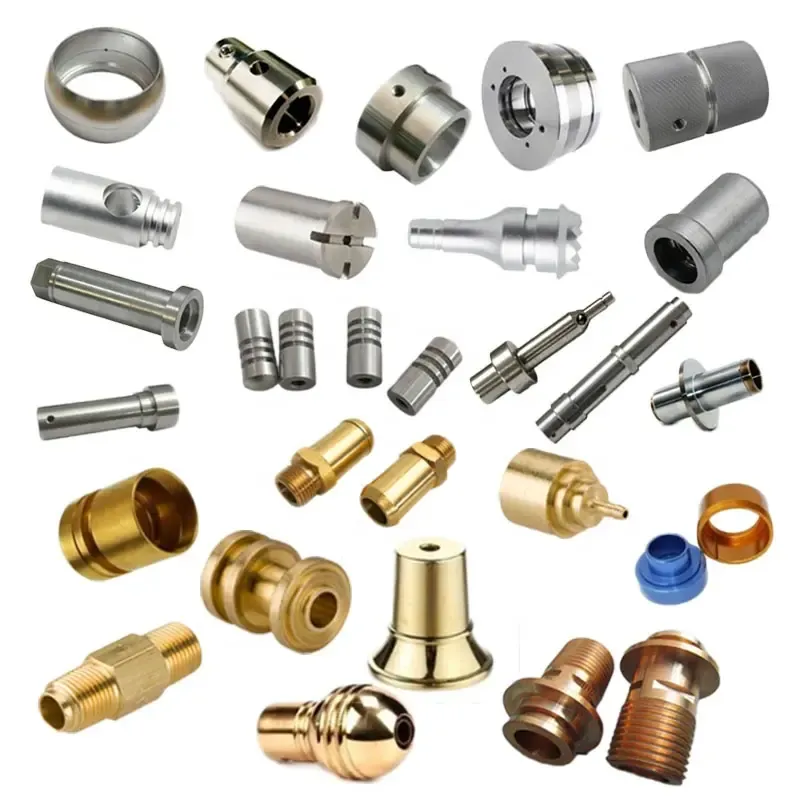
Aluminium CNC parts represent a cornerstone of modern precision manufacturing, combining the exceptional properties of aluminum alloys with the accuracy of computer numerical control machining technology. These components are manufactured through subtractive manufacturing processes where raw aluminum stock is systematically removed using automated cutting tools guided by precise digital instructions. The main functions of aluminium CNC parts encompass structural support, mechanical operation, thermal management, and electrical conductivity applications across diverse industries. The technological features of these components include dimensional accuracy typically within ±0.005 inches, superior surface finishes ranging from 32 to 125 microinches, and consistent mechanical properties throughout production runs. Aluminium CNC parts utilize various aluminum grades including 6061-T6 for general purpose applications, 7075-T6 for high-strength requirements, and 2024-T4 for aerospace applications. The manufacturing process incorporates advanced CAD/CAM software integration, multi-axis machining capabilities, and real-time quality monitoring systems. Applications span aerospace components such as aircraft brackets and housings, automotive parts including engine blocks and transmission cases, electronics enclosures for thermal dissipation, medical device components requiring biocompatibility, and industrial machinery elements demanding precision and durability. The versatility of aluminium CNC parts extends to prototype development where rapid iteration and design validation are crucial. Modern CNC centers can accommodate complex geometries, intricate internal channels, and tight tolerance requirements that traditional manufacturing methods cannot achieve. The material’s excellent strength-to-weight ratio makes it ideal for weight-critical applications while maintaining structural integrity under varying load conditions and environmental stresses.
Aluminium CNC parts deliver exceptional value through their remarkable combination of lightweight properties and structural strength, making them superior choices for applications where weight reduction directly impacts performance and efficiency. These components weigh approximately 65% less than comparable steel parts while maintaining impressive tensile strength ratings between 20,000 to 80,000 PSI depending on the specific aluminum alloy selected. The manufacturing precision achievable with CNC machining ensures consistent dimensional accuracy across production runs, eliminating variability that can compromise assembly processes and final product performance. Cost-effectiveness emerges as a significant advantage since aluminum’s excellent machinability reduces cutting tool wear and enables faster production cycles compared to harder materials like stainless steel or titanium. The material’s natural corrosion resistance eliminates the need for additional protective coatings in many applications, reducing both initial costs and long-term maintenance requirements. Aluminium CNC parts exhibit excellent thermal conductivity properties, making them ideal for heat dissipation applications in electronics and automotive systems where temperature management is critical for optimal performance. The electrical conductivity of aluminum also makes these parts suitable for applications requiring electromagnetic shielding or electrical grounding. Design flexibility represents another crucial advantage as CNC machining can create complex internal geometries, undercuts, and intricate surface features that would be impossible or extremely expensive with other manufacturing methods. The rapid prototyping capabilities allow engineers to quickly test and refine designs before committing to full production, significantly reducing development timelines and costs. Environmental benefits include aluminum’s infinite recyclability without property degradation, supporting sustainable manufacturing practices and reducing environmental impact. The material’s stability across wide temperature ranges ensures consistent performance in demanding environments from cryogenic applications to high-temperature industrial processes. Additionally, the non-magnetic properties of aluminum make these parts suitable for sensitive electronic applications and medical equipment where magnetic interference must be minimized.
Precision Manufacturing Excellence
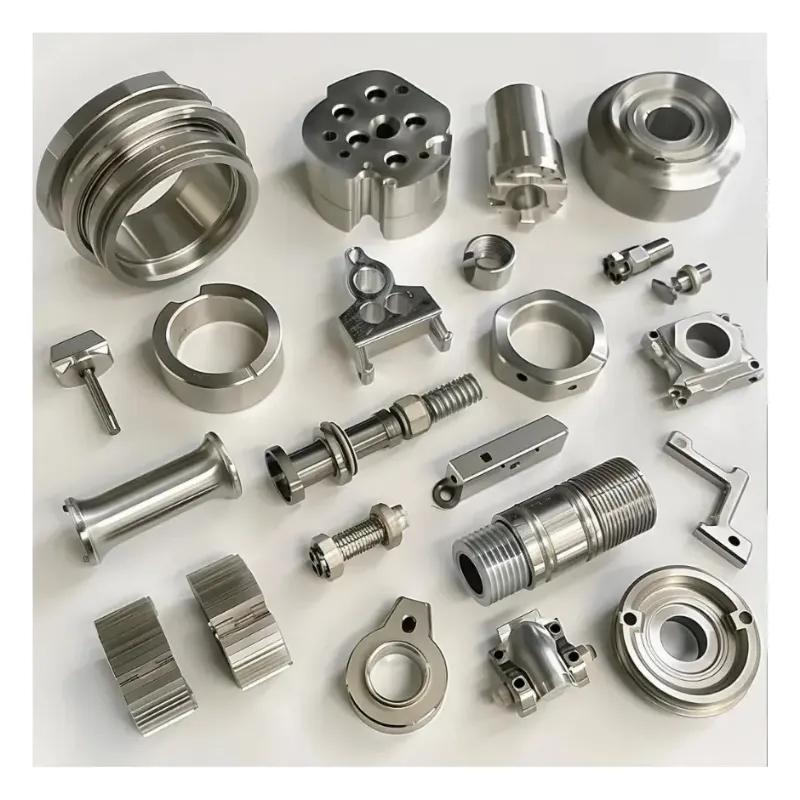
The precision manufacturing capabilities of aluminium CNC parts set new standards for dimensional accuracy and surface quality in modern production environments. Advanced multi-axis CNC machining centers equipped with sophisticated control systems can achieve tolerances as tight as ±0.0005 inches, ensuring perfect fit and function in critical assemblies. This exceptional precision stems from the combination of aluminum’s excellent machinability characteristics and the computer-controlled nature of CNC operations, which eliminate human error and maintain consistent cutting parameters throughout production runs. The surface finish quality achievable on aluminium CNC parts ranges from standard machined finishes of 125 microinches to mirror-like finishes of 8 microinches, depending on application requirements and machining parameters. This precision extends beyond simple dimensional accuracy to include complex geometric features such as compound angles, intricate internal channels, and precisely positioned mounting holes that align perfectly with mating components. The stability of aluminum during machining operations prevents warping and distortion that can occur with other materials, ensuring that finished parts maintain their intended dimensions even after stress relief and thermal cycling. Quality assurance protocols integrated into the CNC manufacturing process include real-time monitoring of cutting forces, spindle loads, and dimensional verification using coordinate measuring machines and laser scanning systems. These quality control measures ensure that every aluminium CNC part meets specified requirements before leaving the production facility. The repeatability of CNC manufacturing means that replacement parts produced months or years later will maintain identical specifications to original components, supporting long-term serviceability and inventory management strategies. This precision manufacturing excellence translates directly into improved product performance, reduced assembly times, and enhanced customer satisfaction across all applications where aluminium CNC parts are utilized.
Superior Material Properties and Performance
Aluminium CNC parts showcase exceptional material properties that deliver superior performance across diverse operating conditions and application requirements. The strength-to-weight ratio of aluminum alloys used in CNC manufacturing provides structural capabilities comparable to steel while reducing overall system weight by up to 65%, enabling more efficient designs and improved fuel economy in transportation applications. The inherent corrosion resistance of aluminum creates a protective oxide layer that prevents degradation in harsh environments, eliminating the need for expensive protective coatings and reducing maintenance requirements over the component’s service life. Thermal conductivity properties of aluminium CNC parts make them ideal for heat management applications, with thermal conductivity values ranging from 120 to 200 watts per meter-kelvin depending on the specific alloy composition. This thermal efficiency enables effective heat dissipation in electronic devices, automotive components, and industrial equipment where temperature control is critical for optimal performance and longevity. The electrical conductivity of aluminum, approximately 61% that of copper, makes aluminium CNC parts suitable for electrical applications while maintaining significant weight advantages over traditional copper components. Fatigue resistance characteristics ensure reliable performance under cyclic loading conditions, with properly designed aluminium CNC parts capable of withstanding millions of stress cycles without failure. The non-magnetic properties of aluminum prevent interference with sensitive electronic equipment and medical devices, making these parts essential for applications in telecommunications, aerospace, and healthcare industries. Temperature stability across a wide range from cryogenic temperatures to 400°F enables reliable operation in extreme environments without property degradation. The ductility of aluminum allows for energy absorption during impact events, providing safety benefits in automotive and aerospace applications where crashworthiness is important. These superior material properties combine to create aluminium CNC parts that consistently outperform alternatives in demanding applications while providing long-term reliability and cost-effective operation.
Versatile Applications and Design Flexibility
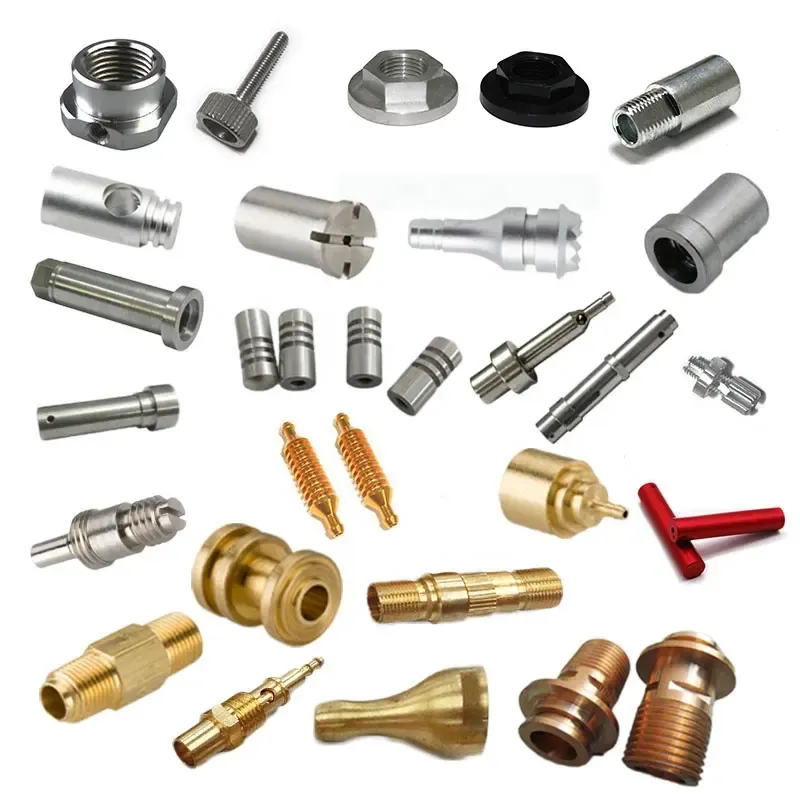
The versatile applications and design flexibility of aluminium CNC parts enable engineers and designers to create innovative solutions across virtually every industry sector, from aerospace and automotive to medical devices and consumer electronics. This versatility stems from aluminum’s unique combination of workability, strength, and adaptability to complex manufacturing processes that can accommodate intricate designs previously impossible with traditional manufacturing methods. In aerospace applications, aluminium CNC parts form critical structural components, engine housings, and avionics enclosures where weight savings directly translate to fuel efficiency and payload capacity improvements. The automotive industry leverages these parts for engine blocks, transmission housings, suspension components, and body panels where the combination of strength and weight reduction enhances vehicle performance and fuel economy. Medical device manufacturers utilize aluminium CNC parts for surgical instruments, diagnostic equipment housings, and implantable device components where biocompatibility and precision are paramount. The electronics industry depends on these parts for heat sinks, equipment chassis, and electromagnetic shielding applications where thermal management and electrical properties are critical. Design flexibility allows for the integration of multiple functions into single aluminium CNC parts, reducing assembly complexity and potential failure points while improving overall system reliability. Complex internal geometries, including cooling channels, lightening pockets, and intricate mounting features, can be machined directly into components, eliminating the need for secondary operations and reducing production costs. The ability to create custom profiles, non-standard thread forms, and specialized surface textures enables engineers to optimize performance for specific applications without compromising manufacturability. Rapid prototyping capabilities facilitate iterative design processes where multiple design concepts can be quickly evaluated and refined before committing to production tooling. This design flexibility extends to material selection, with various aluminum alloys available to match specific performance requirements including high strength, enhanced corrosion resistance, or improved machinability depending on application demands.