
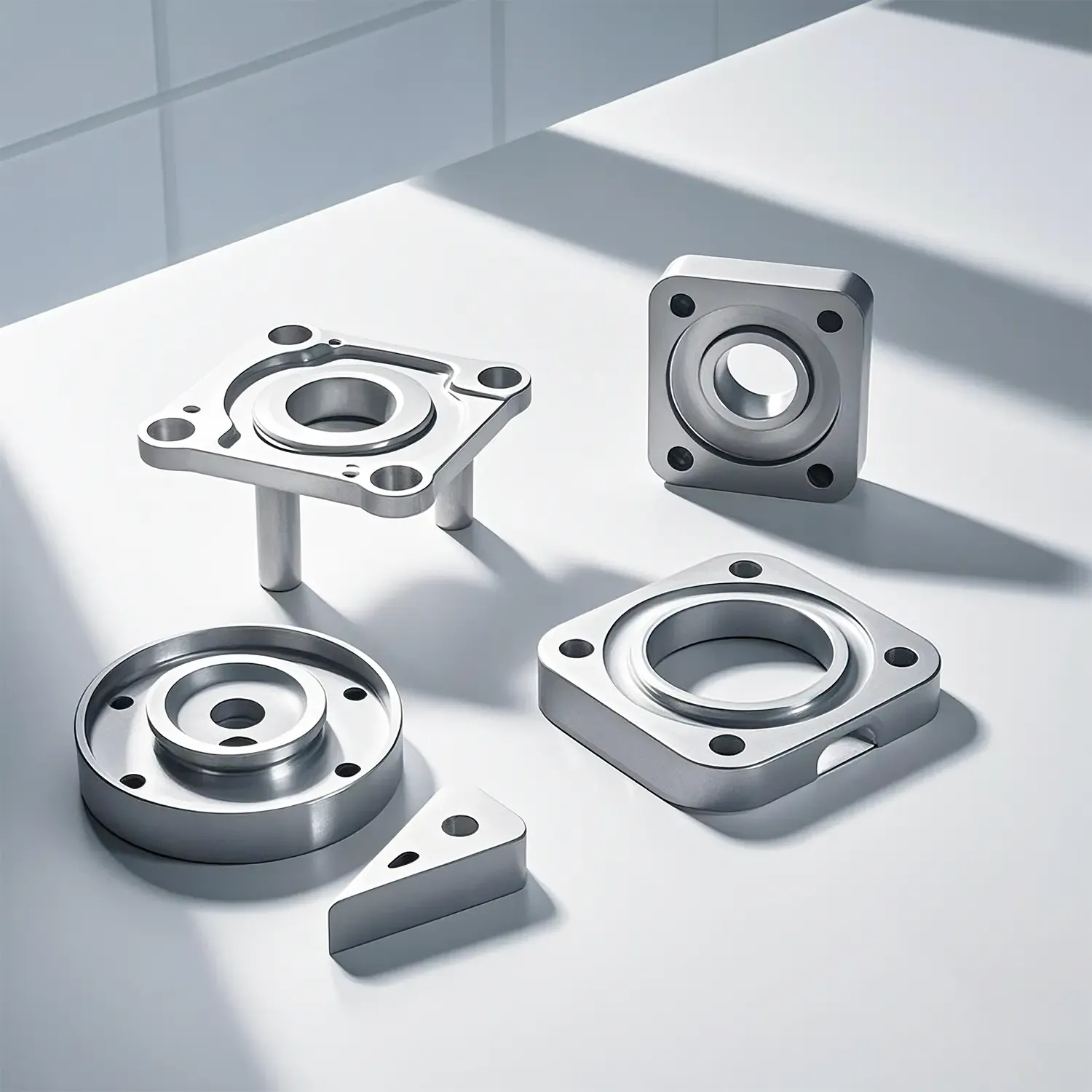
Small batch CNC machining represents a revolutionary manufacturing solution designed to meet the specific needs of businesses requiring precise, high-quality parts in limited quantities. This advanced manufacturing process utilizes computer numerical control technology to produce components ranging from prototypes to short production runs, typically involving quantities between one and several hundred pieces. The core functionality of small batch CNC machining centers around its ability to transform raw materials into finished components through automated cutting, drilling, milling, and turning operations controlled by sophisticated software programs. The technological foundation of small batch CNC machining relies on multi-axis machines capable of executing complex geometries with exceptional accuracy. Modern CNC systems integrate advanced features including real-time monitoring, adaptive toolpath optimization, and precision measurement systems that ensure consistent quality across every manufactured piece. These machines can work with diverse materials including aluminum, steel, titanium, plastics, and exotic alloys, making them versatile solutions for various industrial applications. The programming aspect utilizes CAD/CAM software to convert three-dimensional designs into machine-readable instructions, enabling rapid setup changes and efficient production workflows. Applications for small batch CNC machining span numerous industries including aerospace, medical devices, automotive prototyping, electronics, and custom machinery components. Aerospace companies rely on this technology for creating specialized brackets, housings, and structural components that require strict tolerances and material certifications. Medical device manufacturers utilize small batch CNC machining for producing surgical instruments, implant components, and diagnostic equipment parts that demand biocompatible materials and precise specifications. The automotive sector leverages this capability for prototype development, testing fixtures, and limited production components. Electronics manufacturers depend on small batch CNC machining for creating custom enclosures, heat sinks, and connector assemblies that require precise dimensional control and surface finishes.
Small batch CNC machining offers significant cost advantages for businesses that need quality components without the financial burden of large-scale production commitments. Traditional manufacturing often requires substantial minimum order quantities that force companies to invest in excess inventory, tying up capital and creating storage challenges. Small batch CNC machining eliminates these constraints by allowing businesses to order precisely the quantities they need when they need them. This approach reduces inventory carrying costs, minimizes waste, and provides better cash flow management for growing companies. The speed advantage of small batch CNC machining cannot be overstated in today’s competitive marketplace. While traditional manufacturing methods may require weeks or months for tooling setup and production scheduling, small batch CNC machining can often deliver finished parts within days. This rapid turnaround enables companies to respond quickly to market opportunities, accelerate product development cycles, and maintain competitive edges. Engineering teams can test multiple design iterations rapidly, reducing time-to-market for new products and allowing for more thorough validation processes. Quality control represents another major advantage of small batch CNC machining. Each component undergoes rigorous inspection processes using advanced measurement equipment, ensuring dimensional accuracy and surface finish specifications are met consistently. The digital nature of CNC programming eliminates human error factors common in manual machining operations, while real-time monitoring systems can detect and correct variations before they affect part quality. This level of quality assurance is particularly valuable for applications where component failure could result in safety hazards or costly system downtime. Flexibility stands out as a defining characteristic of small batch CNC machining services. Production schedules can accommodate urgent requests, design modifications can be implemented quickly without significant setup penalties, and material changes can be executed seamlessly. This adaptability proves invaluable for businesses operating in dynamic markets where customer requirements evolve rapidly. Companies can experiment with different materials, test alternative designs, and optimize performance characteristics without committing to large production volumes. The precision capabilities of small batch CNC machining enable the creation of components with tolerances that would be impossible or prohibitively expensive using conventional manufacturing methods. This precision translates into better-fitting assemblies, improved product performance, and reduced field service requirements.
Unmatched Precision and Quality Control
Small batch CNC machining delivers exceptional precision that surpasses traditional manufacturing methods, making it the preferred choice for applications requiring tight tolerances and superior surface finishes. Modern CNC machines achieve positional accuracy within microns, enabling the production of components with dimensional tolerances as tight as ±0.001 inches or better. This level of precision stems from advanced machine tool design incorporating linear scales, high-resolution encoders, and temperature compensation systems that maintain accuracy regardless of environmental conditions. The quality control advantages extend beyond dimensional accuracy to encompass surface finish characteristics that directly impact component performance and appearance. Small batch CNC machining operations utilize specialized cutting tools, optimized spindle speeds, and controlled feed rates to achieve surface finishes ranging from rough machined to mirror-like polished surfaces. This capability proves crucial for applications such as hydraulic components where surface finish directly affects sealing performance, or optical components where surface quality impacts light transmission properties. The digital nature of CNC programming ensures repeatability that human operators cannot match. Once a program is validated and optimized, every subsequent part will be machined to identical specifications, eliminating the variability inherent in manual machining processes. This consistency becomes particularly valuable for small batch production runs where each component must fit precisely into assemblies or interface with other manufactured parts. Quality assurance processes integrated into small batch CNC machining operations include in-process measurement systems that monitor critical dimensions during machining cycles. These systems can automatically adjust cutting parameters to maintain dimensional accuracy, or stop production if variations exceed specified limits. Post-machining inspection utilizing coordinate measuring machines provides comprehensive verification of geometric features, ensuring compliance with engineering specifications. Documentation capabilities provide detailed inspection reports that support quality management systems and regulatory compliance requirements, particularly important for aerospace, medical, and automotive applications where traceability is mandatory.
Cost-Effective Solution for Custom Manufacturing
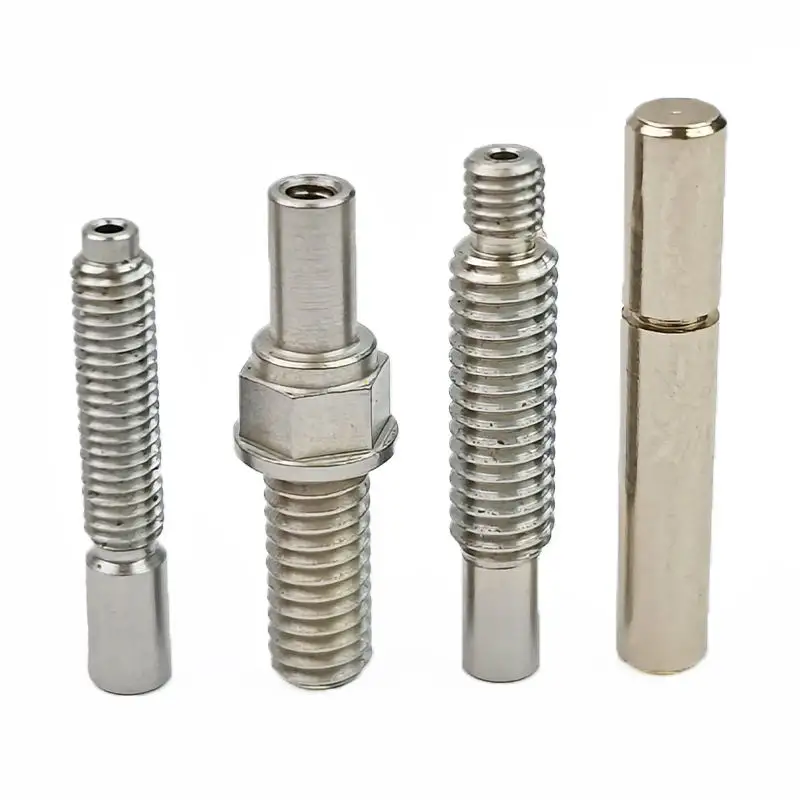
Small batch CNC machining revolutionizes cost structures for custom manufacturing by eliminating traditional barriers associated with tooling investments and minimum order quantities. Conventional manufacturing approaches often require substantial upfront investments in dedicated tooling, dies, or molds that can cost thousands or tens of thousands of dollars before a single part is produced. Small batch CNC machining utilizes standard cutting tools and work-holding fixtures that can be quickly reconfigured for different components, dramatically reducing setup costs and making small quantity production economically viable. The economic advantages become particularly pronounced when considering the total cost of ownership for manufactured components. Traditional manufacturing may offer lower per-piece costs for large volumes, but the associated inventory carrying costs, obsolescence risks, and cash flow impacts often offset these apparent savings. Small batch CNC machining allows businesses to implement just-in-time manufacturing strategies, ordering components as needed and avoiding the financial burden of excess inventory. This approach proves especially valuable for companies with unpredictable demand patterns or seasonal variations in production requirements. Setup time reduction represents another significant cost advantage of small batch CNC machining. Modern CNC centers can transition between different part programs in minutes rather than hours or days required for retooling conventional machines. This efficiency enables cost-effective production of mixed part batches, allowing manufacturers to optimize machine utilization while maintaining competitive pricing for small quantities. Labor cost advantages emerge from the automated nature of CNC operations, where a single operator can supervise multiple machines simultaneously, reducing direct labor content per manufactured component. The programming capabilities of small batch CNC machining enable design optimization that can reduce material usage and machining time. CAM software can analyze part geometry and automatically generate efficient toolpaths that minimize cycle time while maintaining quality requirements. These optimizations compound over multiple parts, providing cumulative cost savings that benefit both manufacturers and their customers. Risk mitigation represents an often-overlooked cost advantage of small batch CNC machining, as companies can validate designs and market acceptance before committing to large-scale production investments.
Rapid Prototyping and Design Iteration Capabilities
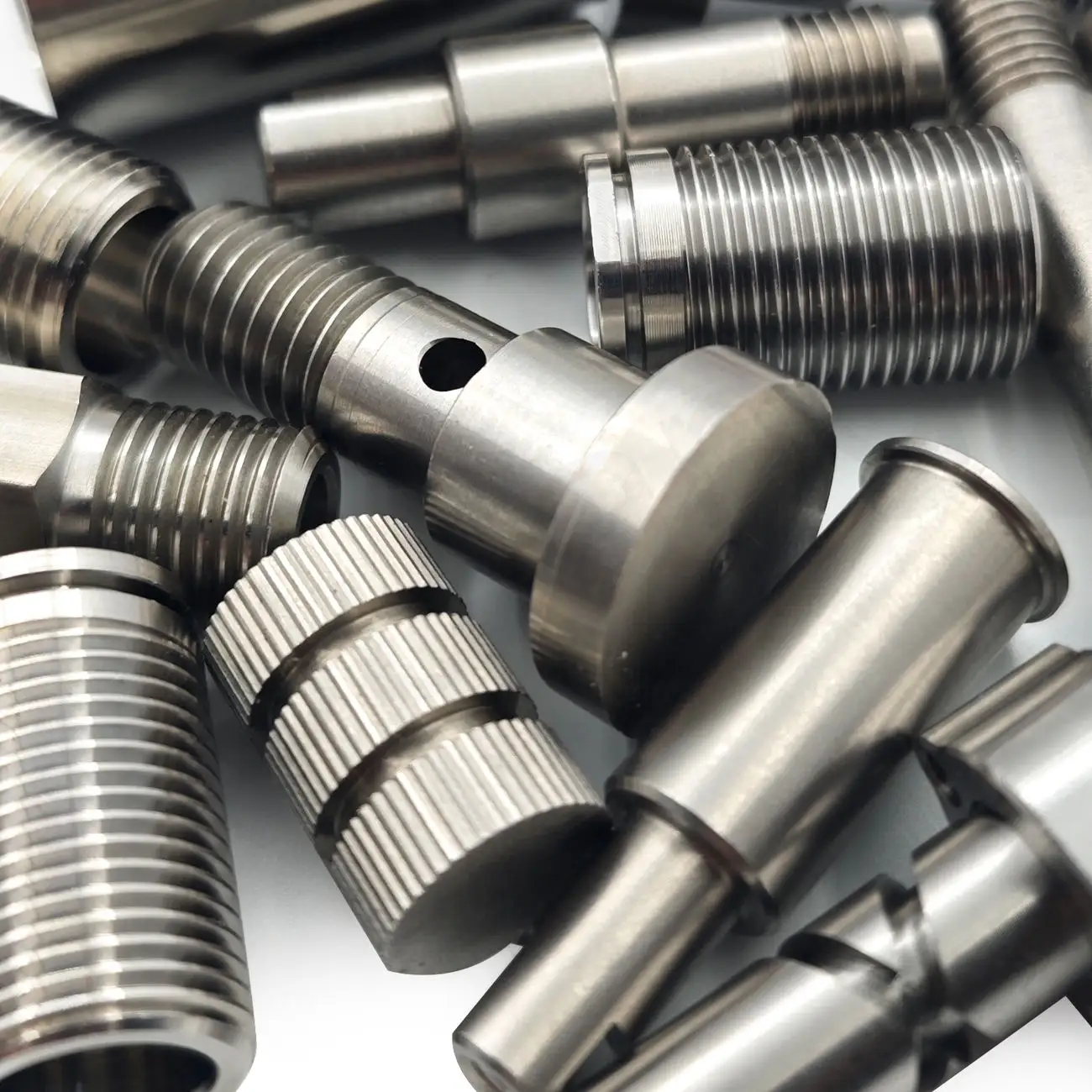
Small batch CNC machining serves as the cornerstone of modern rapid prototyping, enabling engineers and designers to transform concepts into physical components with unprecedented speed and accuracy. This capability has revolutionized product development cycles by allowing multiple design iterations within timeframes that were previously impossible using traditional manufacturing methods. The digital workflow begins with CAD models that can be directly converted into CNC programs, eliminating manual programming steps and reducing the time between design completion and first article production. Advanced CAM software automatically generates optimized toolpaths, selects appropriate cutting tools, and calculates machining parameters, further accelerating the transition from design to reality. The speed advantage of small batch CNC machining becomes particularly valuable during the critical design validation phase of product development. Engineers can produce functional prototypes that accurately represent production intent, allowing comprehensive testing of fit, form, and function before finalizing designs. This capability enables the identification and resolution of design issues early in the development process, preventing costly changes during later production phases. Multiple design variations can be produced simultaneously, enabling comparative testing that leads to optimal solutions. Material flexibility within small batch CNC machining operations supports comprehensive prototype testing using production-intent materials. Rather than relying on substitute materials that may not accurately represent final product performance, prototypes can be machined from the same alloys, plastics, or composites intended for production use. This material authenticity ensures that prototype testing results accurately predict production component behavior, reducing the risk of performance surprises during volume manufacturing. The iterative design process benefits enormously from the rapid turnaround capabilities of small batch CNC machining. Design modifications can be implemented and tested within days rather than weeks, enabling multiple improvement cycles within typical product development timelines. This acceleration allows for more thorough design optimization, potentially leading to superior final products with enhanced performance characteristics. Documentation and traceability features inherent in CNC operations provide detailed records of each design iteration, supporting design history maintenance and regulatory compliance requirements. Engineering teams can track the evolution of designs, understand the rationale behind specific modifications, and maintain comprehensive development documentation that supports intellectual property protection and future product enhancements.