
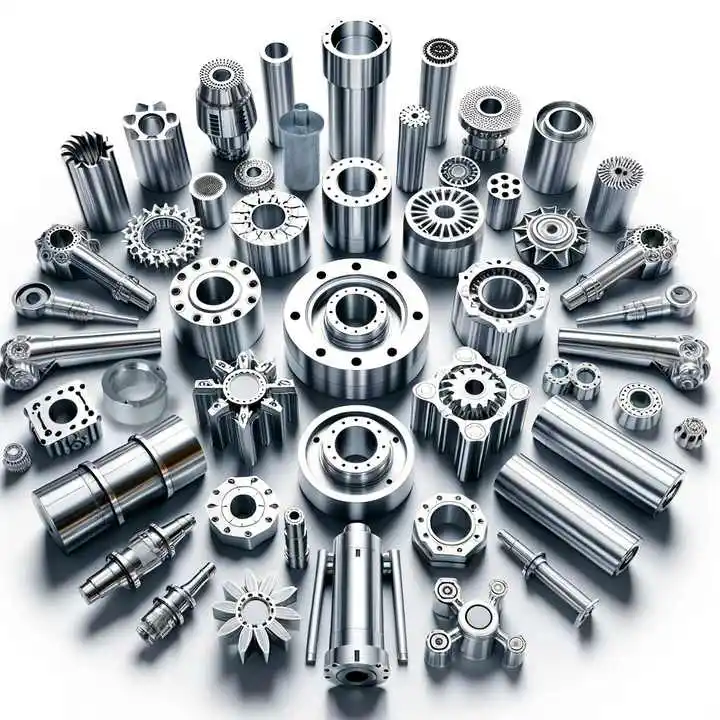
Machined aluminum parts represent the pinnacle of precision manufacturing, combining advanced CNC technology with the exceptional properties of aluminum alloys to create components that meet the most demanding industrial specifications. These parts are produced through computer-controlled machining processes that remove material from aluminum stock to achieve exact dimensions, surface finishes, and geometric tolerances required for critical applications across multiple industries. The primary function of machined aluminum parts lies in providing lightweight yet robust solutions for mechanical assemblies, structural components, and precision instruments where weight reduction and corrosion resistance are paramount. Technological features of these components include exceptional dimensional accuracy typically within ±0.001 inches, superior surface finishes ranging from standard machined to mirror-like polished surfaces, and the ability to incorporate complex geometries including internal channels, threaded features, and intricate contours that would be impossible to achieve through traditional forming methods. The machining process utilizes state-of-the-art CNC equipment capable of multi-axis operations, enabling the production of parts with undercuts, angled features, and precise hole patterns. Applications for machined aluminum parts span numerous sectors including aerospace, automotive, medical devices, electronics, marine equipment, and industrial machinery. In aerospace applications, these components serve as structural brackets, housing assemblies, and critical flight control elements where every gram of weight savings translates to improved fuel efficiency. The automotive industry relies heavily on machined aluminum parts for engine components, transmission housings, and chassis elements that contribute to vehicle lightweighting initiatives while maintaining structural integrity. Medical device manufacturers utilize these precision components for surgical instruments, diagnostic equipment housings, and implantable device components where biocompatibility and precision are essential. The electronics sector benefits from machined aluminum parts in heat sinks, enclosures, and connector assemblies that provide electromagnetic shielding and thermal management capabilities essential for modern electronic systems.
Machined aluminum parts deliver substantial weight savings compared to steel and other traditional materials, typically reducing component weight by 60-70 percent without compromising structural performance. This weight reduction directly translates to improved energy efficiency in transportation applications, reduced shipping costs, and enhanced portability for handheld devices and equipment. The excellent strength-to-weight ratio of aluminum allows designers to create components that maintain structural integrity while minimizing overall system weight, making these parts ideal for applications where performance and efficiency are critical factors. Corrosion resistance stands as another significant advantage, as aluminum naturally forms a protective oxide layer that prevents degradation in harsh environments including marine conditions, chemical exposure, and outdoor applications. This inherent corrosion resistance eliminates the need for additional protective coatings in many applications, reducing maintenance requirements and extending service life substantially compared to ferrous materials. The thermal conductivity properties of aluminum make machined parts excellent choices for heat dissipation applications, effectively transferring heat away from sensitive components and maintaining optimal operating temperatures in electronic systems, automotive engines, and industrial equipment. This thermal management capability helps prevent overheating, extends component life, and improves overall system reliability. Machined aluminum parts offer exceptional dimensional stability across wide temperature ranges, maintaining precise tolerances and geometric accuracy even when subjected to thermal cycling. This stability ensures consistent performance and fit-up in assemblies where precision is critical for proper function. The machinability of aluminum allows for rapid production cycles and cost-effective manufacturing, even for complex geometries and tight tolerances. Advanced CNC machining centers can produce intricate features with minimal setup time, enabling efficient production of both prototype quantities and high-volume runs. Surface finish options range from functional machined surfaces to decorative anodized finishes, providing flexibility to meet both performance and aesthetic requirements. The recyclability of aluminum supports sustainability initiatives, as these parts can be recycled indefinitely without loss of material properties, making them environmentally responsible choices for conscious manufacturers. Cost-effectiveness emerges through reduced material waste during machining, lower transportation costs due to weight savings, and decreased maintenance requirements throughout the product lifecycle, providing excellent value proposition for customers seeking high-performance solutions.
Precision Engineering Excellence with Advanced CNC Technology
The foundation of superior machined aluminum parts lies in the integration of cutting-edge CNC technology with precision engineering principles that deliver components meeting the most stringent quality standards across diverse industries. Modern CNC machining centers equipped with multi-axis capabilities, advanced spindle systems, and sophisticated tooling enable the production of aluminum components with dimensional tolerances as tight as ±0.0005 inches, ensuring perfect fit and function in critical assemblies. This precision engineering excellence extends beyond basic dimensional accuracy to encompass surface finish quality, geometric tolerancing, and feature consistency that traditional manufacturing methods simply cannot match. The computer-controlled nature of CNC machining eliminates human error variables while maintaining repeatability across production runs, ensuring that every machined aluminum part meets identical specifications regardless of quantity or complexity. Advanced CAM programming optimizes tool paths and cutting parameters specifically for aluminum alloys, maximizing material removal rates while minimizing tool wear and maintaining superior surface finishes. Temperature-controlled machining environments and precision measurement systems throughout the production process guarantee that thermal effects and dimensional variations are eliminated, resulting in components that maintain their specified dimensions and performance characteristics throughout their service life. The capability to machine complex three-dimensional geometries, including undercuts, internal cavities, and intricate surface contours, opens design possibilities that were previously impossible or prohibitively expensive with conventional manufacturing methods. This precision engineering excellence translates directly to improved product performance, reduced assembly time, elimination of secondary operations, and enhanced overall system reliability for end users who demand nothing less than perfection in their critical applications.
Superior Material Properties for Demanding Applications
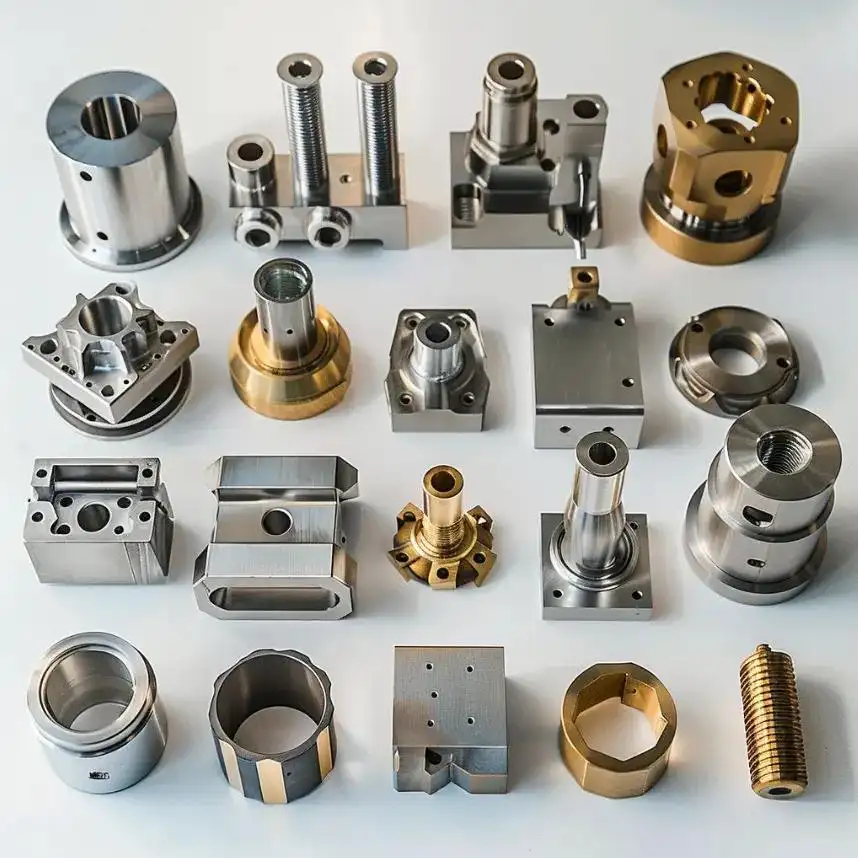
Machined aluminum parts leverage the exceptional material properties of aluminum alloys to deliver performance characteristics that exceed conventional materials in weight-critical and corrosion-sensitive applications where reliability and longevity are paramount considerations. The inherent strength-to-weight ratio of aluminum alloys, particularly precipitation-hardened grades like 6061-T6 and 7075-T6, provides structural capabilities comparable to steel while maintaining weights up to 70 percent lower, enabling designers to optimize system performance without sacrificing durability. This superior strength-to-weight relationship becomes particularly valuable in aerospace applications where every ounce of weight savings contributes to improved fuel efficiency, extended range, and enhanced payload capacity. The natural corrosion resistance of aluminum, enhanced through the formation of a protective aluminum oxide layer, eliminates the need for expensive protective coatings while ensuring long-term reliability in challenging environments including marine conditions, chemical processing facilities, and outdoor installations subject to weather exposure. Excellent thermal conductivity properties make these machined parts ideal for heat management applications, efficiently conducting thermal energy away from sensitive components to maintain optimal operating temperatures and prevent performance degradation or premature failure. The non-magnetic properties of aluminum prove essential in applications involving sensitive electronic equipment, medical imaging systems, and precision measurement instruments where magnetic interference must be eliminated. Fatigue resistance characteristics of properly heat-treated aluminum alloys enable machined parts to withstand millions of stress cycles without failure, making them suitable for dynamic applications including rotating machinery, vibrating equipment, and cyclically loaded structures. The excellent machinability of aluminum allows for the creation of complex internal features, precision threads, and intricate surface textures that enhance functionality while maintaining structural integrity throughout demanding service conditions.
Cost-Effective Manufacturing with Exceptional Value Proposition
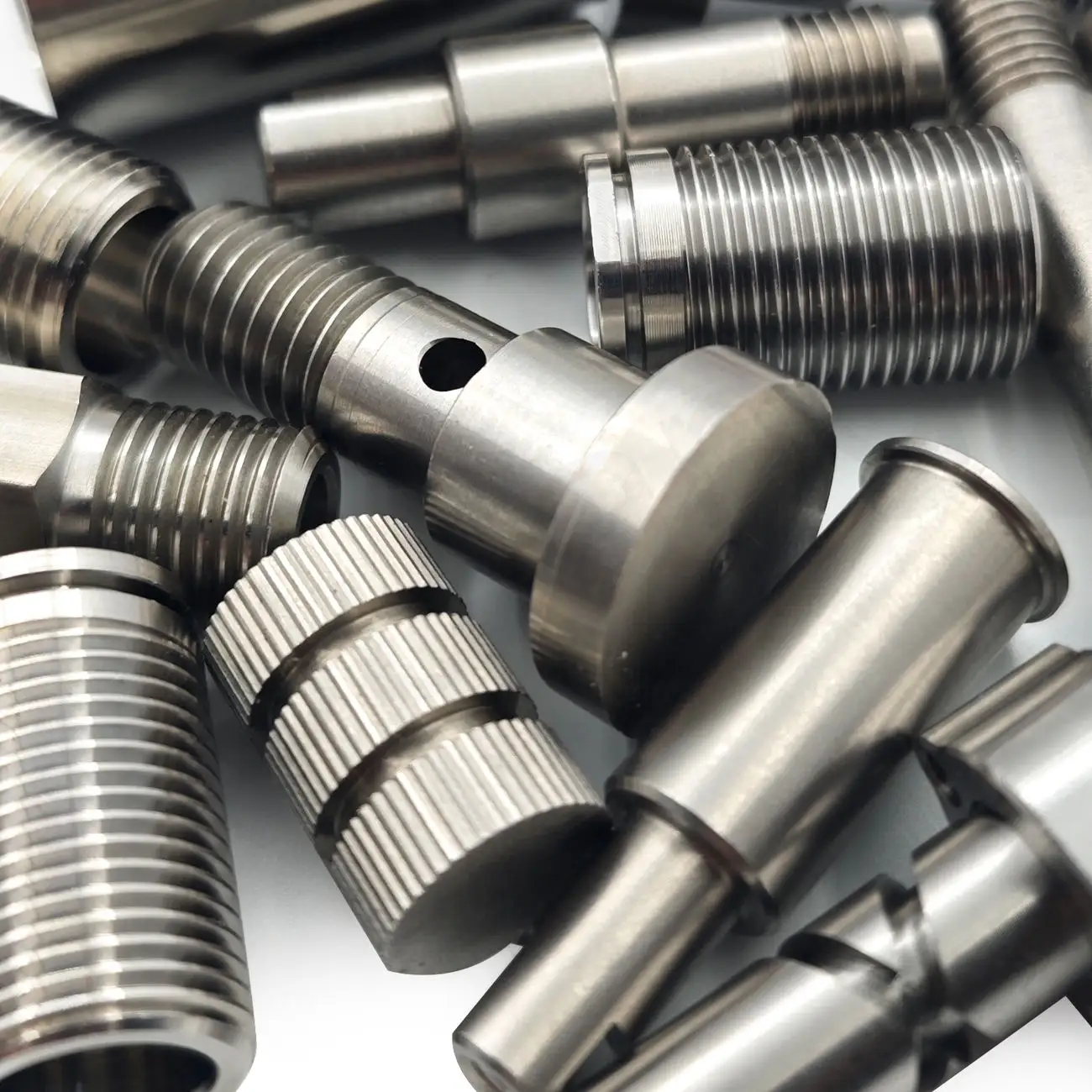
The cost-effectiveness of machined aluminum parts extends far beyond initial manufacturing costs to encompass total lifecycle value through reduced material usage, streamlined production processes, and minimized maintenance requirements that deliver exceptional return on investment for customers across all industries. Advanced CNC machining technology enables rapid material removal rates when working with aluminum alloys, significantly reducing cycle times compared to harder materials while maintaining precision and surface finish quality, resulting in lower manufacturing costs per component without compromising quality standards. The excellent chip evacuation characteristics of aluminum during machining operations minimize tool wear and extend cutting tool life, reducing tooling costs and eliminating production delays associated with frequent tool changes, contributing to overall manufacturing efficiency and cost reduction. Aluminum’s superior machinability allows for the completion of complex parts in single setups, eliminating secondary operations, reducing handling costs, and minimizing the potential for dimensional errors that can occur during part transfer between machines. The lightweight nature of machined aluminum parts translates to substantial savings in shipping and handling costs throughout the supply chain, particularly beneficial for high-volume applications or international distribution where transportation expenses represent significant cost factors. Reduced assembly time and labor costs result from the precision and consistency of machined aluminum components, as parts fit together perfectly without adjustment or modification, streamlining production processes and reducing overall manufacturing costs for end products. The corrosion resistance and durability of aluminum eliminate the need for expensive protective coatings, periodic maintenance, and premature replacement that plague steel and other ferrous materials, providing long-term cost savings that often exceed initial material cost differences. Recyclability at end-of-life adds value through material recovery, supporting sustainability initiatives while providing economic benefits through scrap value recovery, making machined aluminum parts increasingly attractive as environmental consciousness becomes a key consideration in material selection decisions.