
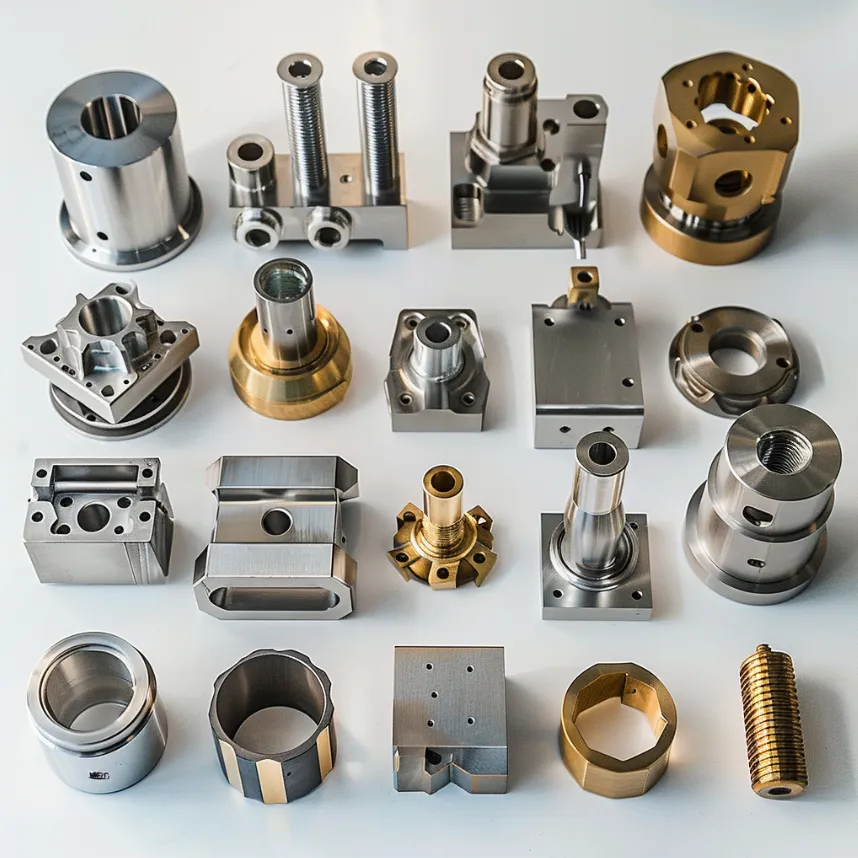
Aluminum parts machining represents a sophisticated manufacturing process that transforms raw aluminum materials into precision-engineered components through various cutting, shaping, and finishing techniques. This advanced manufacturing method utilizes computer-controlled machinery, including CNC mills, lathes, and specialized cutting tools, to create complex geometries with exceptional accuracy and surface quality. The aluminum parts machining process encompasses multiple operations such as turning, milling, drilling, tapping, and surface treatments to produce components that meet strict dimensional tolerances and performance specifications. Modern aluminum parts machining facilities employ state-of-the-art equipment capable of handling diverse aluminum alloys, from lightweight 6061-T6 to high-strength 7075 variants, ensuring optimal material properties for specific applications. The technological features of aluminum parts machining include multi-axis capabilities that enable the creation of intricate three-dimensional shapes, automated tool changing systems for continuous production efficiency, and precision measurement systems that guarantee consistent quality control throughout the manufacturing process. Advanced CAD/CAM software integration allows for seamless transition from design concepts to finished products, while real-time monitoring systems ensure optimal cutting parameters and tool life management. The applications of aluminum parts machining span numerous industries, including aerospace, automotive, electronics, medical devices, and consumer goods manufacturing. In aerospace applications, aluminum parts machining produces critical components such as brackets, housings, and structural elements that require exceptional strength-to-weight ratios and precise dimensional accuracy. The automotive industry relies on aluminum parts machining for engine components, transmission cases, and lightweight body panels that contribute to fuel efficiency improvements. Electronics manufacturers utilize aluminum parts machining for heat sinks, enclosures, and connector components that provide electromagnetic shielding and thermal management properties.
The advantages of aluminum parts machining extend far beyond basic manufacturing capabilities, offering significant benefits that directly impact production efficiency, cost-effectiveness, and product performance. One primary advantage involves the exceptional material properties that aluminum provides during the machining process, including superior machinability characteristics that allow for faster cutting speeds and extended tool life compared to steel or other metals. This enhanced machinability translates to reduced manufacturing time and lower production costs, making aluminum parts machining an economically attractive option for businesses seeking to optimize their manufacturing budgets. The lightweight nature of aluminum components produces substantial benefits in applications where weight reduction is critical, such as automotive and aerospace industries, where every gram saved contributes to improved fuel efficiency and performance capabilities. Aluminum parts machining delivers excellent corrosion resistance properties, eliminating the need for expensive protective coatings in many applications and reducing long-term maintenance requirements. The natural oxide layer that forms on aluminum surfaces provides inherent protection against environmental factors, extending component lifespan and reducing replacement costs. Another significant advantage of aluminum parts machining involves the exceptional dimensional stability and precision achievable through modern manufacturing techniques, with tolerances reaching as tight as ±0.001 inches in many applications. This level of accuracy ensures consistent fit and function across production runs, reducing assembly time and minimizing quality issues. The thermal conductivity properties of aluminum make it ideal for heat dissipation applications, with aluminum parts machining enabling the creation of complex cooling channels and heat sink geometries that maximize thermal performance. Aluminum parts machining offers excellent surface finish capabilities, often eliminating secondary finishing operations and reducing overall production time. The material responds well to various surface treatments, including anodizing, powder coating, and chemical conversion coatings, providing enhanced appearance and additional protection properties. Design flexibility represents another key advantage, as aluminum parts machining accommodates complex geometries and intricate features that would be difficult or impossible to achieve with other manufacturing methods. The recyclability of aluminum materials adds environmental benefits to aluminum parts machining operations, supporting sustainability initiatives while maintaining material quality through multiple recycling cycles.
Precision Engineering Excellence Through Advanced CNC Technology
The precision engineering capabilities of aluminum parts machining represent a cornerstone advantage that sets this manufacturing process apart from conventional production methods. Modern aluminum parts machining facilities utilize advanced CNC technology that delivers unprecedented accuracy levels, with many operations achieving tolerances within ±0.0005 inches across complex three-dimensional geometries. This exceptional precision stems from the combination of rigid machine construction, sophisticated control systems, and optimized cutting strategies specifically developed for aluminum materials. The multi-axis capabilities inherent in contemporary aluminum parts machining operations enable the creation of intricate features and complex contours in a single setup, eliminating the cumulative errors associated with multiple positioning operations. Advanced spindle technology, featuring high-speed capabilities exceeding 20,000 RPM, allows for fine surface finishes and detailed feature creation that meets the most demanding specifications. The integration of real-time measurement systems within aluminum parts machining operations provides continuous quality monitoring, ensuring dimensional accuracy throughout the entire production process. Adaptive machining strategies automatically adjust cutting parameters based on material conditions and tool wear, maintaining consistent quality while optimizing production efficiency. The precision achieved through aluminum parts machining extends beyond dimensional accuracy to include exceptional surface quality, with Ra values often reaching 32 microinches or better without secondary finishing operations. This level of surface quality is particularly valuable in applications requiring smooth fluid flow, precise mating surfaces, or enhanced aesthetic appearance. The repeatability inherent in aluminum parts machining operations ensures that each component matches the first article exactly, providing confidence in large production runs and eliminating concerns about dimensional drift over time. Temperature-controlled machining environments and advanced workholding systems contribute to the overall precision by minimizing thermal effects and vibration-induced variations that could compromise accuracy.
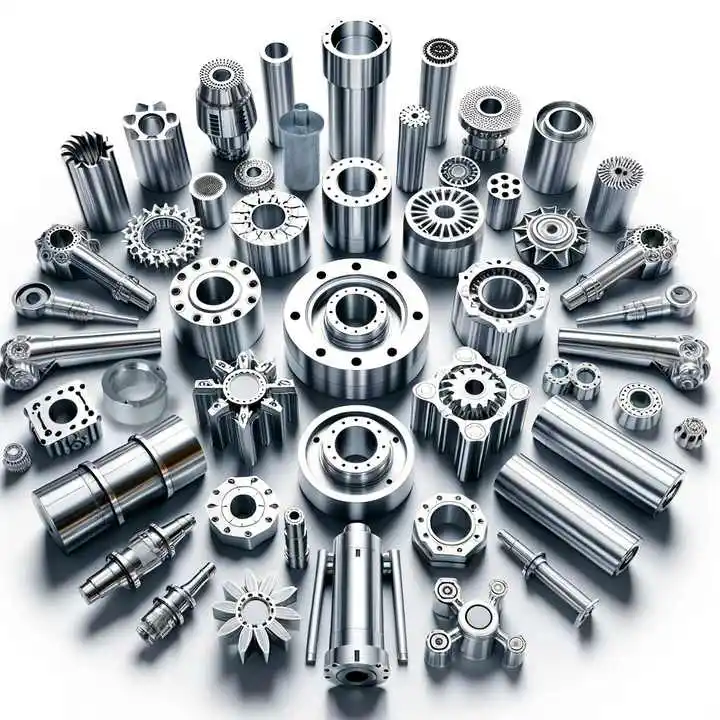
Cost-Effective Production Solutions with Rapid Turnaround
The cost-effectiveness of aluminum parts machining emerges from multiple factors that collectively deliver significant economic advantages to manufacturers across diverse industries. The superior machinability characteristics of aluminum allow for aggressive cutting parameters and extended tool life, directly reducing per-part manufacturing costs while maintaining exceptional quality standards. Unlike harder materials that require specialized tooling and conservative cutting speeds, aluminum parts machining operates efficiently with standard carbide tools at high removal rates, minimizing both tooling costs and cycle times. The reduced cutting forces associated with aluminum parts machining enable the use of lighter, more economical machine tools while still achieving excellent results, making this process accessible to businesses with varying equipment budgets. Setup efficiency represents another significant cost advantage, as aluminum parts machining typically requires fewer specialized fixtures and holding devices compared to other materials, reducing both initial setup costs and changeover times between different part configurations. The ability to machine aluminum components from solid billets eliminates the costs and lead times associated with custom castings or forgings, providing manufacturers with greater flexibility and faster time-to-market capabilities. Aluminum parts machining delivers exceptional material utilization rates, with chip recycling programs recovering valuable aluminum waste and converting it back into usable raw material, further reducing overall material costs. The streamlined production process inherent in aluminum parts machining often eliminates secondary operations such as heat treatment, stress relieving, or extensive surface preparation, reducing both processing time and associated labor costs. Quality consistency achieved through aluminum parts machining reduces scrap rates and rework requirements, contributing to overall cost savings while maintaining delivery schedules. The rapid prototyping capabilities offered by aluminum parts machining enable faster design validation and product development cycles, reducing time-to-market and associated development costs. Energy efficiency represents an often-overlooked cost advantage, as aluminum parts machining typically requires less power consumption compared to processing harder materials, contributing to reduced utility costs over high-volume production runs.
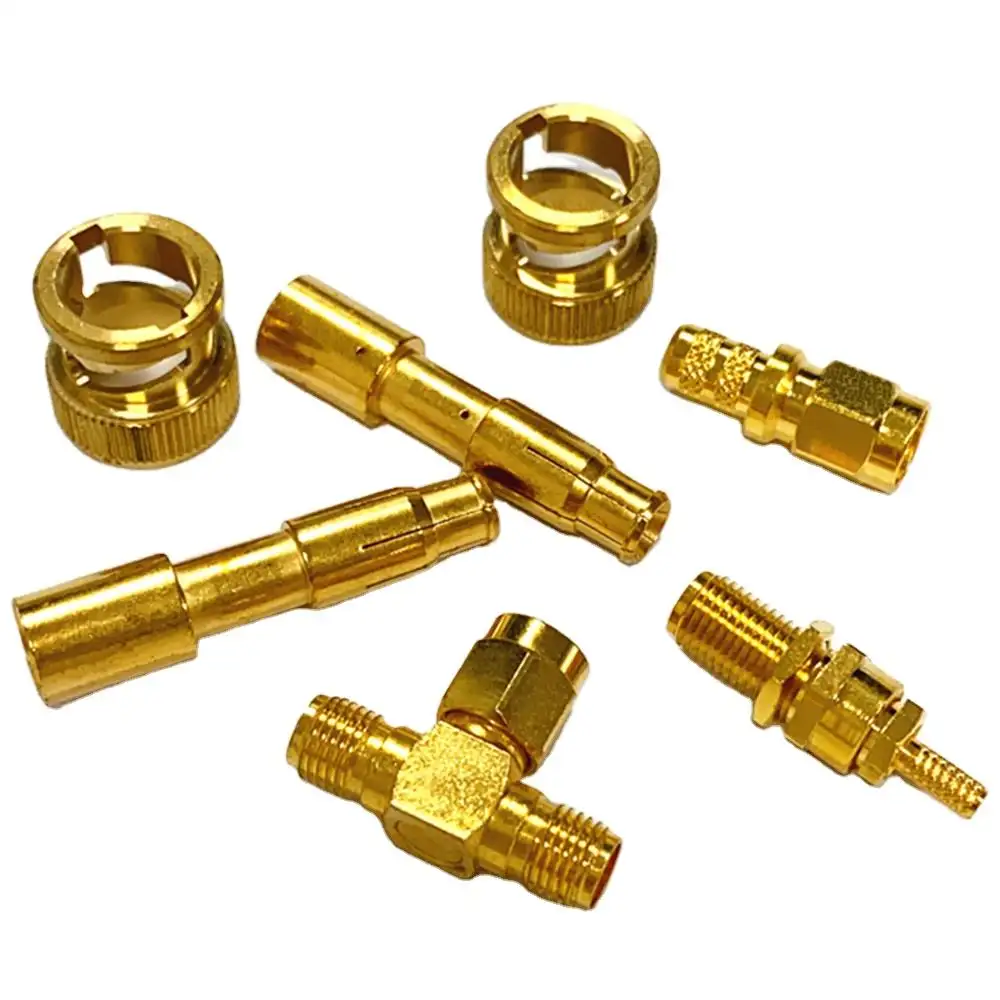
Versatile Material Properties for Diverse Industrial Applications
The versatile material properties inherent in aluminum parts machining make it an ideal solution for an extraordinarily wide range of industrial applications, each benefiting from aluminum’s unique combination of strength, weight, and performance characteristics. The excellent strength-to-weight ratio achieved through aluminum parts machining enables the creation of robust components that significantly reduce overall system weight, a critical factor in aerospace, automotive, and portable equipment applications where every ounce matters for performance and efficiency. Aluminum parts machining takes advantage of the material’s natural corrosion resistance, which stems from the formation of a protective oxide layer that prevents degradation in harsh environmental conditions, making it suitable for marine, chemical processing, and outdoor applications without requiring expensive protective coatings. The thermal conductivity properties of aluminum, enhanced through precision aluminum parts machining techniques, enable the creation of efficient heat management solutions including heat sinks, cooling channels, and thermal interface components that are essential in electronics, LED lighting, and power generation applications. Electrical conductivity represents another valuable property optimized through aluminum parts machining, making it ideal for electrical enclosures, bus bars, and connector components that require reliable current-carrying capacity while maintaining dimensional stability. The non-magnetic properties of aluminum processed through aluminum parts machining make it invaluable in applications involving sensitive electronic equipment, medical devices, and precision instruments where magnetic interference must be eliminated. Design flexibility achieved through aluminum parts machining accommodates complex geometries, thin walls, and intricate features that would be challenging to produce in other materials, enabling innovative product designs and optimized functionality. The wide range of available aluminum alloys processed through aluminum parts machining provides options tailored to specific performance requirements, from the excellent formability of 6061 alloys to the high strength characteristics of 7075 variants. Surface treatment compatibility represents a significant advantage of aluminum parts machining, as the material readily accepts anodizing, powder coating, chemical conversion coatings, and other finishing processes that enhance appearance, durability, and specialized performance properties. Food safety compliance achieved through aluminum parts machining makes it suitable for food processing equipment, pharmaceutical applications, and consumer products where material purity and cleanliness are paramount concerns.