
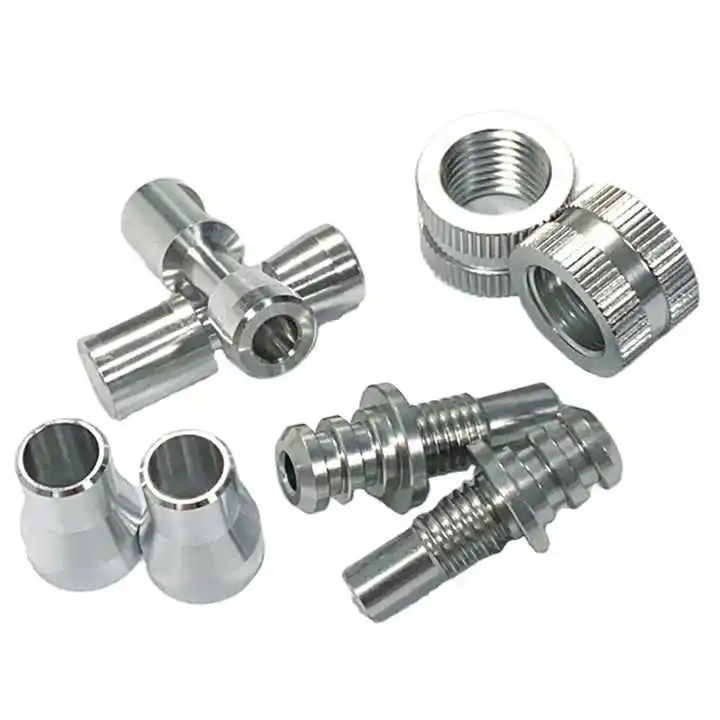
CNC aluminum parts represent the pinnacle of modern precision manufacturing, combining advanced computer numerical control technology with aluminum’s exceptional material properties. These components are produced through sophisticated machining processes where computer-controlled cutting tools remove material from aluminum billets, sheets, or bars to create precise geometrical shapes and features. The CNC aluminum parts manufacturing process ensures dimensional accuracy, surface quality, and repeatability that manual machining simply cannot achieve. The main functions of CNC aluminum parts span across numerous industrial applications, serving as structural components, housings, brackets, heat sinks, and decorative elements. Their technological features include exceptional dimensional tolerance capabilities, often achieving tolerances within ±0.001 inches, superior surface finishes ranging from 32 to 125 microinches, and complex geometrical capabilities including intricate internal channels, precise threading, and multi-axis features. The CNC aluminum parts production utilizes various aluminum alloys, each selected for specific mechanical properties such as strength, corrosion resistance, electrical conductivity, or weight reduction requirements. Common applications encompass aerospace components where weight-to-strength ratios are critical, automotive parts requiring durability and thermal management, electronic enclosures demanding electromagnetic shielding and heat dissipation, medical device components needing biocompatibility and sterilization resistance, and consumer products where aesthetics meet functionality. The versatility of CNC aluminum parts extends to prototype development, low-volume production runs, and high-volume manufacturing scenarios, making them indispensable across industries ranging from robotics and automation to telecommunications and renewable energy systems.
CNC aluminum parts deliver remarkable advantages that transform manufacturing efficiency and product performance across diverse industries. The precision manufacturing process ensures consistent quality and dimensional accuracy, eliminating the variations common in traditional manufacturing methods. This consistency translates directly into reduced assembly time, improved product reliability, and decreased warranty claims for manufacturers. The lightweight nature of aluminum combined with impressive strength characteristics makes CNC aluminum parts ideal for applications where weight reduction is paramount without compromising structural integrity. These components typically weigh 65% less than comparable steel parts while maintaining excellent mechanical properties, resulting in significant fuel savings in transportation applications and reduced material handling costs during manufacturing and installation processes. The superior corrosion resistance of CNC aluminum parts eliminates the need for additional protective coatings in many applications, reducing both initial production costs and long-term maintenance requirements. This natural corrosion resistance extends component lifespan significantly, providing excellent return on investment for customers. The excellent thermal conductivity properties of aluminum make CNC aluminum parts perfect for heat management applications, efficiently dissipating heat from electronic components, engines, and industrial equipment, thereby extending operational life and improving performance reliability. Manufacturing flexibility represents another significant advantage, as CNC aluminum parts can be produced in quantities ranging from single prototypes to high-volume production runs without requiring expensive tooling changes. This scalability allows businesses to respond quickly to market demands and design modifications. The recyclability of aluminum adds environmental benefits, as CNC aluminum parts can be recycled indefinitely without losing material properties, supporting sustainability initiatives and reducing raw material costs. Additionally, the excellent electrical conductivity of aluminum makes these parts suitable for electrical and electronic applications, while their non-magnetic properties prevent interference with sensitive electronic equipment. Surface treatment options for CNC aluminum parts include anodizing, powder coating, and chemical conversion coatings, providing enhanced aesthetics, improved wear resistance, and additional corrosion protection tailored to specific application requirements.
Exceptional Precision and Quality Control in CNC Aluminum Parts Manufacturing
The precision capabilities of CNC aluminum parts manufacturing represent a quantum leap in production accuracy and quality assurance compared to conventional manufacturing methods. Modern CNC machining centers utilize advanced servo motors, linear encoders, and sophisticated software algorithms to achieve dimensional tolerances as tight as ±0.0005 inches, ensuring that every CNC aluminum parts component meets exacting specifications consistently. This level of precision is maintained through rigorous quality control protocols that include in-process monitoring, statistical process control, and comprehensive final inspection procedures using coordinate measuring machines and laser scanning technology. The precision advantage of CNC aluminum parts extends beyond dimensional accuracy to include surface finish quality, with achievable surface roughness values as low as 8 microinches Ra, eliminating the need for secondary finishing operations in many applications. This exceptional surface quality reduces friction in moving parts, improves seal integrity in hydraulic applications, and enhances aesthetic appeal in consumer products. The repeatability of CNC aluminum parts production ensures that every component in a production run maintains identical specifications, crucial for applications requiring interchangeable parts or assembly line efficiency. Quality control systems integrated into CNC aluminum parts manufacturing include real-time tool wear monitoring, automatic offset compensation, and adaptive machining parameters that maintain consistent results throughout extended production runs. The precision manufacturing process also enables the creation of complex geometries impossible to achieve through traditional manufacturing methods, including internal cooling channels, intricate pocket geometries, and multi-axis features that optimize component performance and functionality. This precision capability translates into reduced assembly time, improved product performance, and enhanced customer satisfaction, making CNC aluminum parts the preferred choice for critical applications in aerospace, medical devices, and precision instrumentation where dimensional accuracy directly impacts safety and performance.
Superior Material Properties and Performance Benefits of CNC Aluminum Parts
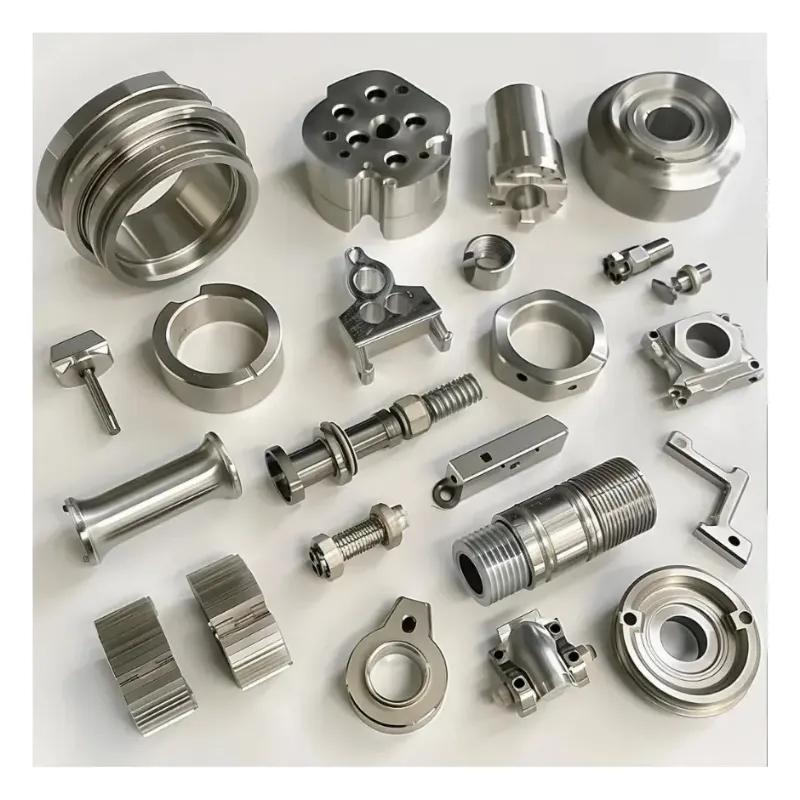
CNC aluminum parts leverage aluminum’s exceptional material properties to deliver superior performance characteristics that outperform many alternative materials in critical applications. The strength-to-weight ratio of CNC aluminum parts is remarkable, with high-strength aluminum alloys like 7075-T6 achieving tensile strengths exceeding 80,000 PSI while maintaining density of only 2.8 g/cm³, approximately one-third the weight of steel. This weight advantage translates into significant performance benefits including reduced inertial loads in rotating machinery, lower transportation costs, easier handling during installation and maintenance, and improved fuel efficiency in automotive and aerospace applications. The fatigue resistance of properly designed CNC aluminum parts ensures reliable performance under cyclic loading conditions, with fatigue limits often exceeding 50% of ultimate tensile strength when appropriate design practices are implemented. Thermal management capabilities represent another significant advantage, as aluminum’s thermal conductivity of 237 W/m·K enables CNC aluminum parts to efficiently dissipate heat from electronic components, preventing overheating and extending component life. The corrosion resistance of CNC aluminum parts stems from the natural formation of aluminum oxide layers that protect the base material from environmental degradation, eliminating maintenance requirements and extending service life in harsh environments. Electrical conductivity properties make CNC aluminum parts ideal for electrical applications, with conductivity values reaching 65% of copper while offering significant weight and cost advantages. The non-magnetic properties of aluminum ensure that CNC aluminum parts do not interfere with magnetic fields or electronic equipment, making them suitable for precision instruments and sensitive electronic applications. Machinability characteristics of aluminum alloys enable complex geometries to be produced efficiently, reducing manufacturing costs and lead times compared to harder materials that require specialized tooling and slower cutting speeds. The combination of these material properties in CNC aluminum parts provides customers with components that deliver exceptional performance, reliability, and value across demanding applications ranging from high-performance racing to critical medical devices.
Cost-Effectiveness and Manufacturing Efficiency of CNC aluminum Parts Production
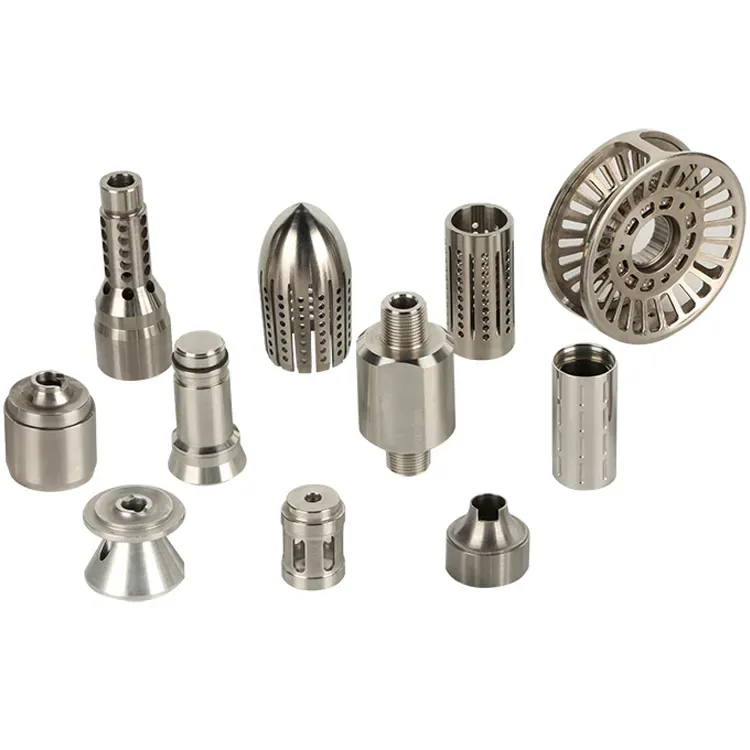
The cost-effectiveness of CNC aluminum parts production stems from multiple factors that combine to deliver exceptional value throughout the entire product lifecycle. Raw material costs for aluminum remain competitive compared to other engineering materials, while the excellent machinability of aluminum alloys enables higher cutting speeds and longer tool life, reducing per-part manufacturing costs significantly. The efficiency of CNC aluminum parts production is enhanced by aluminum’s favorable machining characteristics, including low cutting forces, excellent chip evacuation, and compatibility with high-speed machining techniques that can achieve removal rates exceeding 1000 cubic inches per minute in appropriate applications. This manufacturing efficiency translates directly into shorter lead times and lower production costs for customers. The versatility of CNC aluminum parts production enables cost-effective manufacturing across volume ranges from single prototypes to high-volume production runs without requiring expensive tooling investments, providing flexibility that traditional manufacturing methods cannot match. Setup times for CNC aluminum parts are minimized through advanced CAM software and standardized workholding systems, enabling quick changeovers between different part configurations and reducing overall manufacturing costs. The dimensional stability of aluminum during machining eliminates the need for extensive heat treatment processes, reducing both processing time and energy consumption compared to steel components requiring thermal processing. Surface treatment options for CNC aluminum parts can be integrated efficiently into production workflows, with processes like anodizing providing both aesthetic enhancement and improved durability in a single operation. The recyclability of aluminum contributes to long-term cost effectiveness, as scrap material from CNC aluminum parts production retains significant value and can be recycled into new components without material property degradation. Quality consistency in CNC aluminum parts production reduces inspection requirements and eliminates costly rework, while the precision manufacturing process minimizes material waste through optimized cutting strategies and efficient nesting algorithms. Maintenance costs for equipment producing CNC aluminum parts are reduced due to aluminum’s non-abrasive characteristics that extend cutting tool life and reduce wear on machine components. The combination of these cost advantages makes CNC aluminum parts an economically attractive solution for applications ranging from high-volume consumer products to specialized industrial components where performance and value must be carefully balanced.