
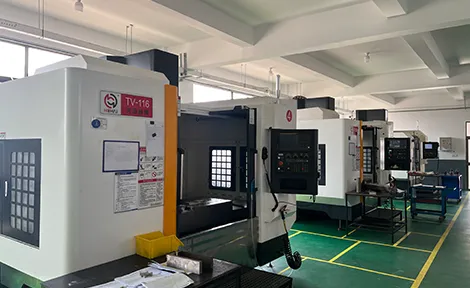
CNC custom cutting represents a revolutionary approach to precision manufacturing that transforms raw materials into intricate components with exceptional accuracy and consistency. This advanced machining process utilizes computer numerical control technology to execute complex cutting operations across diverse materials including metals, plastics, composites, and ceramics. The CNC custom cutting process begins with detailed digital blueprints that are converted into precise machine instructions, enabling automated tool movements that achieve tolerances as tight as 0.001 inches. The primary function of CNC custom cutting involves removing material from workpieces through various cutting methods such as milling, turning, drilling, and grinding. Each operation is controlled by sophisticated software that coordinates multiple axes of movement, ensuring that every cut follows predetermined specifications exactly. The technological features of CNC custom cutting include advanced servo motors, linear encoders, and real-time feedback systems that continuously monitor and adjust cutting parameters. Modern CNC custom cutting machines incorporate adaptive control systems that automatically compensate for tool wear, temperature variations, and material inconsistencies. These systems utilize sensors to detect changes in cutting forces, vibrations, and surface temperatures, making real-time adjustments to maintain optimal cutting conditions throughout the manufacturing process. The applications of CNC custom cutting span numerous industries including aerospace, automotive, medical devices, electronics, and architectural components. In aerospace manufacturing, CNC custom cutting produces critical engine parts, structural components, and precision instruments that must meet stringent safety standards. The automotive industry relies on CNC custom cutting for engine blocks, transmission components, and custom brackets that require exceptional dimensional accuracy. Medical device manufacturers utilize CNC custom cutting to create surgical instruments, implants, and diagnostic equipment that demand biocompatible materials and precise geometries. The versatility of CNC custom cutting allows manufacturers to work with exotic alloys, hardened steels, and specialized polymers that would be challenging to machine using conventional methods.
CNC custom cutting delivers remarkable precision that surpasses traditional manufacturing methods by maintaining consistent dimensional accuracy across large production runs. This precision eliminates the variability associated with manual operations, ensuring that every component meets exact specifications without requiring extensive quality control measures. The automated nature of CNC custom cutting significantly reduces production time by operating continuously without breaks, holidays, or shift changes that affect human operators. This continuous operation capability allows manufacturers to complete projects faster while maintaining consistent quality standards throughout the entire production cycle. The flexibility of CNC custom cutting enables rapid prototyping and design iterations, allowing engineers to test multiple configurations without investing in expensive tooling or setup procedures. This adaptability proves particularly valuable when developing new products or modifying existing designs to meet changing market demands. CNC custom cutting reduces material waste through optimized cutting paths that maximize material utilization and minimize scrap generation. The software calculates the most efficient cutting sequences, reducing raw material costs while supporting environmental sustainability initiatives. The repeatability of CNC custom cutting ensures that identical components are produced consistently, eliminating variations that could compromise assembly processes or product performance. This consistency becomes critical when manufacturing components that must interface precisely with other parts in complex assemblies. The scalability of CNC custom cutting accommodates both prototype quantities and high-volume production runs without requiring significant changes to setup procedures or tooling investments. This flexibility allows businesses to respond quickly to market demands while maintaining cost-effective production methods. CNC custom cutting eliminates human error factors that can occur during manual machining operations, such as measurement mistakes, tool positioning errors, or inconsistent feed rates. The computer-controlled process follows programmed instructions exactly, reducing defect rates and improving overall product quality. The documentation capabilities of CNC custom cutting provide detailed records of cutting parameters, tool usage, and quality measurements that support traceability requirements and continuous improvement initiatives. These records enable manufacturers to optimize processes, predict maintenance needs, and demonstrate compliance with industry standards and customer specifications.
Unmatched Precision and Quality Control
CNC custom cutting achieves extraordinary precision levels that traditional manufacturing methods simply cannot match, delivering dimensional accuracy that consistently meets or exceeds the most demanding engineering specifications. This precision stems from the elimination of human variables that typically introduce inconsistencies in manual machining processes. The computer-controlled systems maintain exact positioning accuracy through advanced feedback mechanisms that continuously monitor tool positions and make micro-adjustments as needed. These systems utilize high-resolution encoders and laser measurement devices that detect positional variations measured in thousandths of an inch, automatically correcting any deviations from programmed specifications. The precision of CNC custom cutting extends beyond dimensional accuracy to include surface finish quality, geometric tolerances, and feature consistency across entire production batches. This level of control proves essential in industries where component failure could have catastrophic consequences, such as aerospace, medical devices, and nuclear applications. The quality control aspects of CNC custom cutting include integrated measurement systems that perform real-time inspections during the cutting process, identifying potential quality issues before they result in defective parts. These systems can automatically adjust cutting parameters to compensate for tool wear, material variations, or environmental changes that might affect part quality. The statistical process control capabilities built into modern CNC custom cutting systems provide comprehensive data about every aspect of the manufacturing process, enabling predictive quality management and continuous improvement initiatives. This data-driven approach allows manufacturers to identify trends, optimize processes, and prevent quality problems before they occur. The precision and quality control advantages of CNC custom cutting translate into significant cost savings through reduced rework, lower scrap rates, and improved customer satisfaction. Components produced through CNC custom cutting typically require minimal secondary operations, reducing handling time and associated labor costs while maintaining superior quality standards throughout the production process.
Exceptional Versatility and Material Compatibility
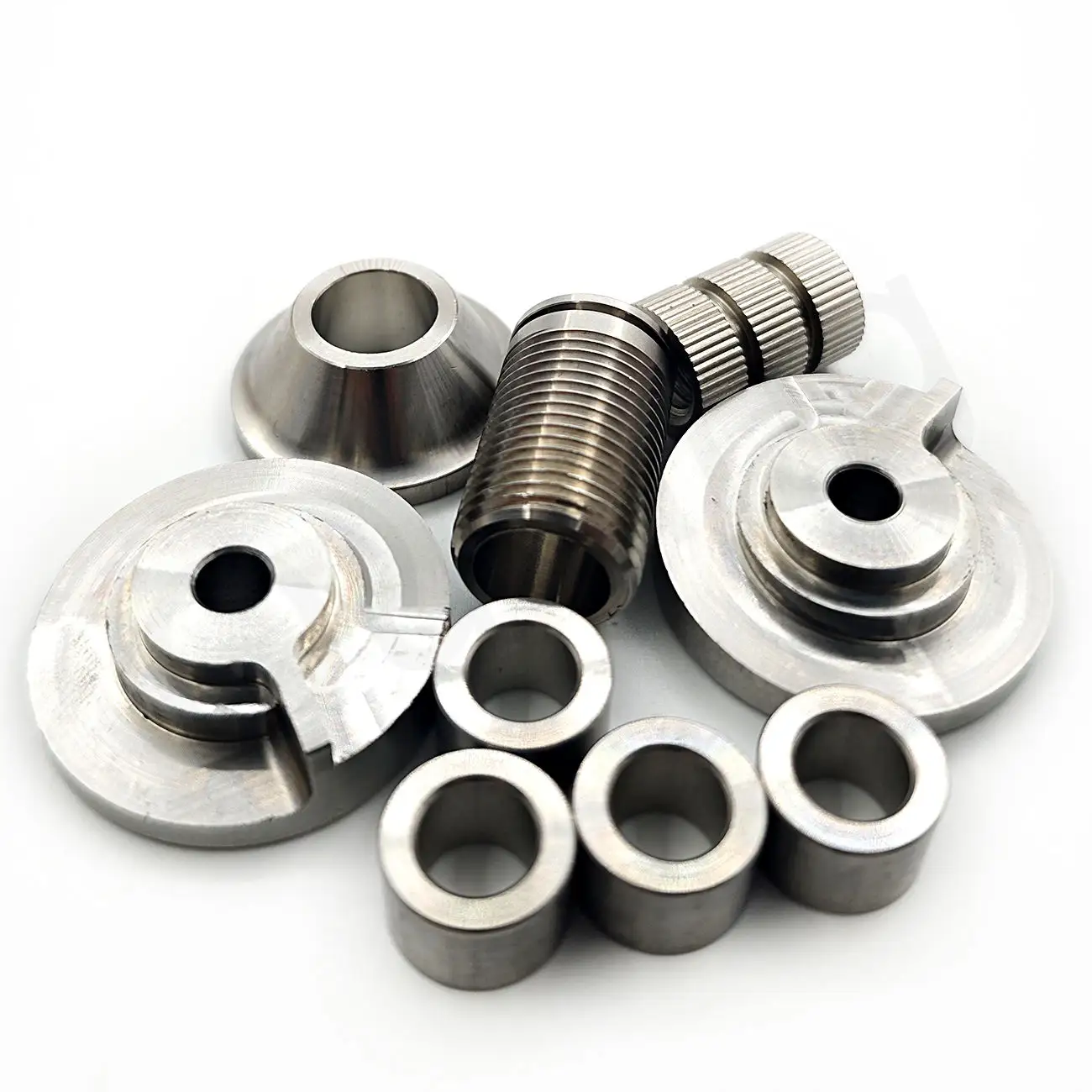
CNC custom cutting demonstrates remarkable versatility by successfully processing an extensive range of materials that would challenge or defeat conventional machining methods, from soft polymers to exotic superalloys used in the most demanding applications. This versatility stems from the precise control over cutting parameters that CNC systems provide, allowing operators to optimize speeds, feeds, and tool paths for each specific material type. The computer-controlled nature of CNC custom cutting enables the system to automatically adjust cutting conditions based on material properties, ensuring optimal results regardless of whether the workpiece is aluminum, titanium, stainless steel, or advanced composite materials. This adaptability proves particularly valuable in industries that require components made from multiple materials with vastly different machining characteristics. The material compatibility of CNC custom cutting extends to challenging substances such as hardened tool steels, heat-resistant alloys, and abrasive ceramics that require specialized cutting tools and techniques. The precise control over cutting forces and thermal generation allows CNC custom cutting to machine these difficult materials without causing thermal damage or inducing harmful residual stresses that could compromise part performance. The versatility of CNC custom cutting also encompasses the ability to create complex geometries that would be impossible to achieve through conventional methods, including undercuts, internal cavities, and intricate surface textures. This geometric freedom enables designers to optimize component functionality without being constrained by manufacturing limitations, leading to innovative solutions that improve product performance while reducing weight and material usage. The multi-axis capabilities of advanced CNC custom cutting systems allow for simultaneous machining operations from multiple angles, reducing setup time and improving accuracy by maintaining workpiece orientation throughout the entire manufacturing process. This capability proves essential when creating components with complex angular features or when tight tolerances must be maintained between features that would traditionally require multiple setups and potential cumulative errors.
Cost-Effective Production and Operational Efficiency
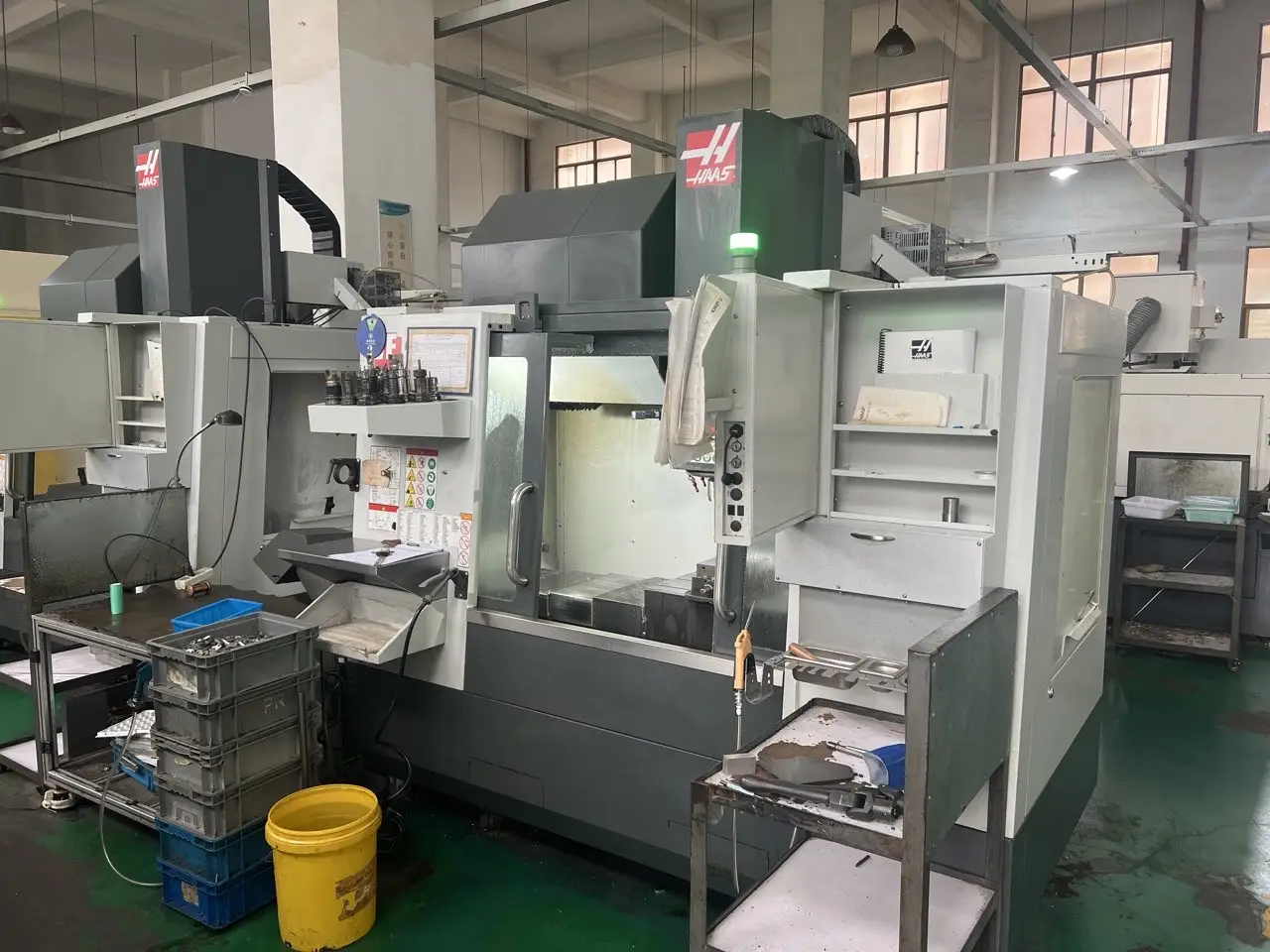
CNC custom cutting delivers exceptional cost-effectiveness through improved operational efficiency that reduces per-part manufacturing costs while maintaining superior quality standards across all production volumes. The automated nature of CNC custom cutting eliminates the need for highly skilled manual machinists for routine operations, allowing these valuable human resources to focus on more complex tasks such as programming, setup, and quality assurance. This labor optimization reduces direct manufacturing costs while improving overall productivity through better resource allocation. The efficiency gains from CNC custom cutting include reduced setup times compared to conventional machining, as programs can be recalled instantly and tools can be changed automatically, minimizing downtime between different part configurations. The ability to run unattended during off-hours significantly increases machine utilization rates, effectively multiplying production capacity without proportional increases in labor costs or facility overhead. The predictable nature of CNC custom cutting operations enables accurate cost estimation and delivery scheduling, improving cash flow management and customer satisfaction through reliable promise dates. The reduced variability in cycle times and quality outcomes allows manufacturers to optimize inventory levels and reduce working capital requirements. The long-term cost benefits of CNC custom cutting include reduced tool consumption through optimized cutting parameters and automatic tool management systems that maximize tool life while maintaining consistent performance. The predictive maintenance capabilities of modern CNC systems help prevent unexpected breakdowns that could disrupt production schedules and increase emergency repair costs. The documentation and traceability features of CNC custom cutting support lean manufacturing initiatives by providing detailed analysis of production efficiency, identifying bottlenecks, and enabling continuous improvement programs that further reduce costs over time. The scalability of CNC custom cutting allows businesses to respond efficiently to changing demand levels without significant capital investments in additional equipment or personnel, providing operational flexibility that supports long-term profitability and growth objectives.