
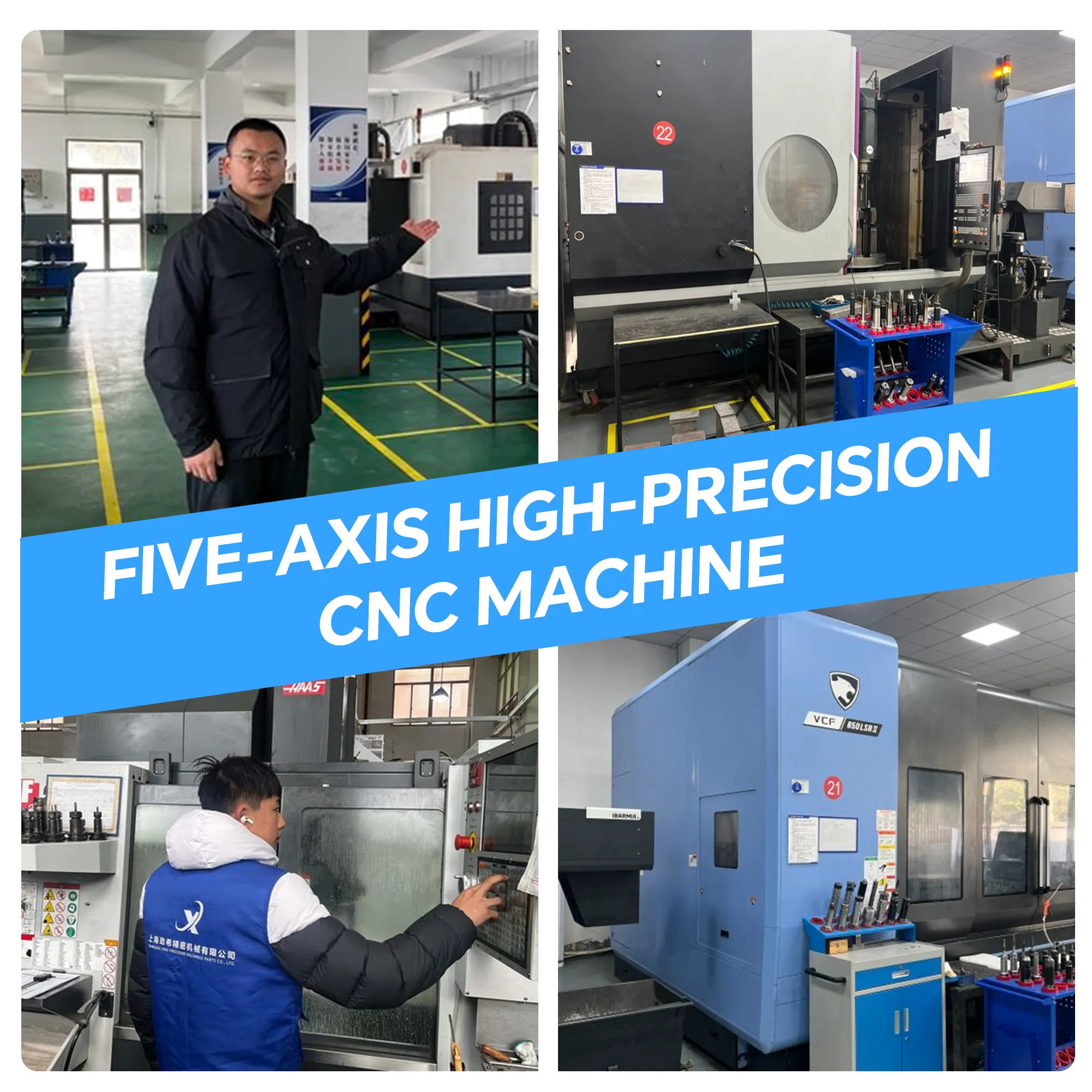
CNC lathe thread cutting represents a sophisticated manufacturing process that combines computer numerical control technology with precision threading operations. This advanced machining technique enables manufacturers to create accurate internal and external threads on various workpieces with exceptional consistency and quality. The CNC lathe thread cutting system operates through programmed instructions that control the synchronized movement of the cutting tool and workpiece rotation, ensuring perfect thread pitch and profile geometry. Modern CNC lathe thread cutting machines incorporate sophisticated sensors and feedback systems that monitor cutting forces, tool wear, and dimensional accuracy in real-time. The process begins with precise workpiece setup and tool selection, followed by programming the thread specifications including pitch, depth, and lead angle. During operation, the CNC lathe thread cutting system maintains constant surface speed while automatically adjusting feed rates to accommodate varying thread requirements. The technology supports multiple threading operations including metric, imperial, and custom thread profiles with micron-level precision. CNC lathe thread cutting applications span across automotive, aerospace, medical device manufacturing, and precision engineering industries where threaded components are essential. The process accommodates various materials from soft aluminum to hardened steel, titanium alloys, and exotic metals. Advanced CNC lathe thread cutting systems feature multiple spindle configurations, live tooling capabilities, and integrated measurement systems that verify thread quality during production. The technology enables manufacturers to produce complex threaded components including tapered threads, multi-start threads, and interrupted threading patterns. Quality control features include automatic tool compensation, real-time monitoring, and statistical process control integration. CNC lathe thread cutting systems deliver superior surface finish quality while maintaining tight tolerances across extended production runs, making them indispensable for high-volume manufacturing environments.
CNC lathe thread cutting delivers remarkable precision that transforms manufacturing capabilities across multiple industries. The automated nature of this technology eliminates human error while maintaining consistent thread quality throughout extended production runs. Manufacturers benefit from reduced setup times as CNC lathe thread cutting systems store multiple program configurations that can be recalled instantly for repeat jobs. The process significantly reduces material waste through precise cutting parameters that minimize overcutting and tool breakage incidents. Labor costs decrease substantially since CNC lathe thread cutting requires minimal operator intervention once programs are established and validated. Production speed increases dramatically compared to manual threading methods, with CNC lathe thread cutting systems capable of completing complex threading operations in fraction of traditional timeframes. The technology provides exceptional flexibility, allowing quick changeovers between different thread specifications without extensive retooling procedures. Quality consistency remains unmatched as CNC lathe thread cutting systems maintain identical cutting conditions for every workpiece, eliminating variations that plague manual operations. Tool life extends considerably through optimized cutting parameters that reduce wear while maintaining cutting efficiency. The automated monitoring capabilities of CNC lathe thread cutting systems detect tool wear and dimensional drift before quality issues arise, preventing costly rework scenarios. Integration capabilities allow CNC lathe thread cutting operations to connect seamlessly with existing manufacturing execution systems for comprehensive production tracking. The technology supports lights-out manufacturing where CNC lathe thread cutting systems operate unattended during off-hours, maximizing equipment utilization. Maintenance requirements remain minimal due to robust construction and predictive maintenance features that schedule service based on actual usage patterns. Return on investment accelerates through increased throughput, reduced scrap rates, and lower labor requirements. CNC lathe thread cutting systems adapt easily to changing production demands, scaling from prototype quantities to high-volume manufacturing without compromising quality standards. The technology future-proofs manufacturing operations by supporting Industry 4.0 initiatives through data collection and analysis capabilities that optimize performance continuously.
Advanced Precision Control Technology
The precision control technology integrated within CNC lathe thread cutting systems represents a revolutionary advancement in manufacturing accuracy that delivers unprecedented threading quality. This sophisticated technology employs high-resolution encoders and servo motors that position cutting tools with nanometer-level precision, ensuring thread profiles meet the most demanding specifications. The CNC lathe thread cutting control system continuously monitors spindle position, feed rate, and cutting depth while making real-time adjustments to maintain perfect thread geometry throughout the cutting cycle. Advanced algorithms compensate for thermal expansion, tool deflection, and machine compliance effects that traditionally compromise thread accuracy in conventional systems. The precision control technology enables CNC lathe thread cutting operations to achieve thread tolerances within 0.0001 inches consistently, surpassing manual threading capabilities by orders of magnitude. Closed-loop feedback systems verify actual tool position against programmed coordinates, automatically correcting deviations before they affect thread quality. The technology supports complex threading operations including variable pitch threads, compound angles, and multi-start configurations that would be impossible to achieve manually. Temperature compensation features ensure CNC lathe thread cutting accuracy remains stable across varying environmental conditions and extended operating periods. The control system stores detailed cutting parameters for different materials and thread specifications, optimizing performance for each application automatically. Advanced interpolation capabilities allow smooth tool movements that eliminate chatter marks and surface irregularities common in traditional threading methods. The precision control technology integrates seamlessly with quality measurement systems, providing real-time feedback on thread dimensions and automatically adjusting cutting parameters to maintain specifications. Predictive algorithms analyze cutting forces and vibration patterns to optimize tool paths and prevent tool breakage incidents. This comprehensive precision control approach makes CNC lathe thread cutting the preferred choice for critical applications where thread quality directly impacts product performance and safety.
Versatile Multi-Material Compatibility
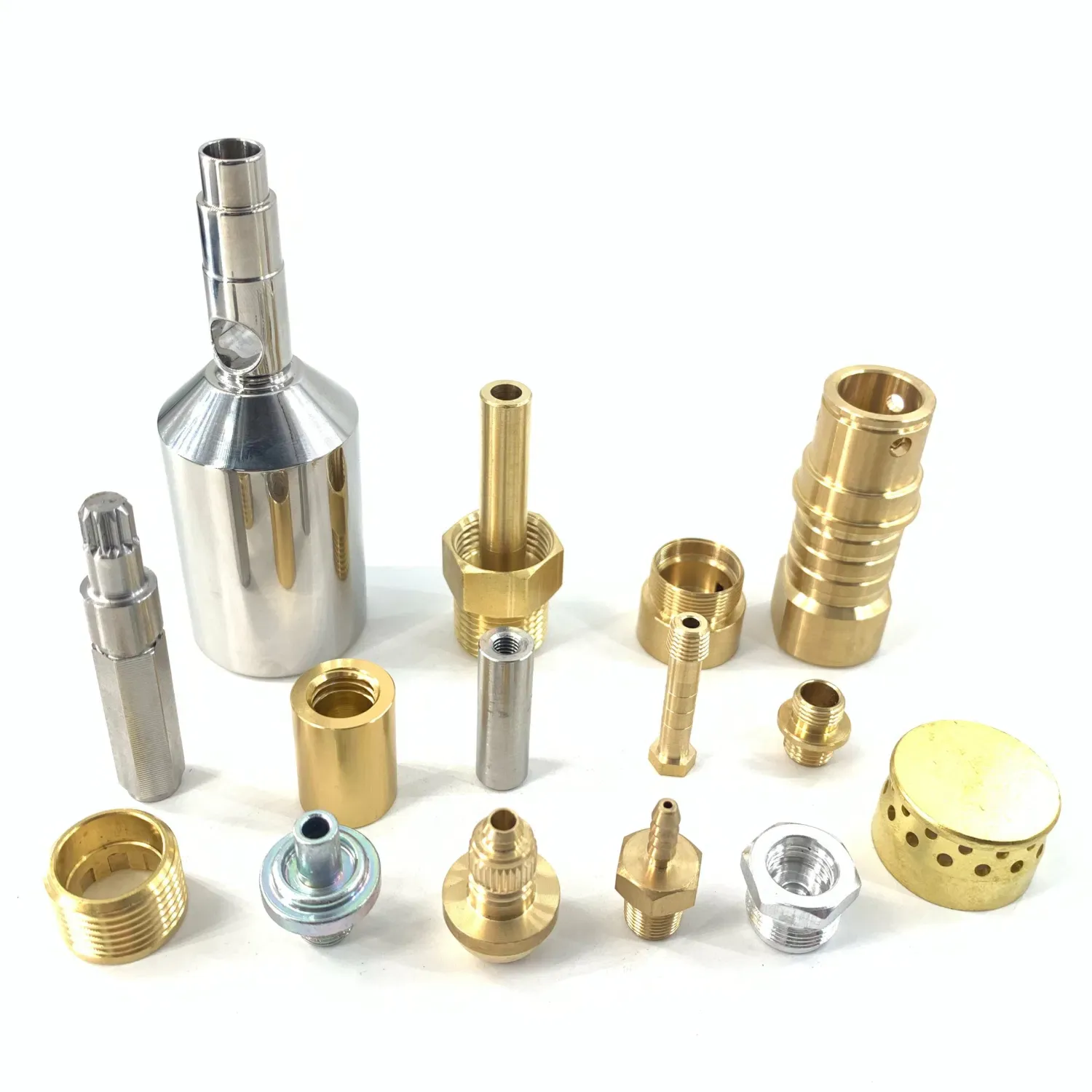
CNC lathe thread cutting systems demonstrate exceptional versatility through their ability to process diverse materials with optimized cutting strategies tailored to each material’s unique characteristics. This multi-material compatibility enables manufacturers to consolidate threading operations for various components within single production environments, reducing equipment investment and floor space requirements. The adaptive technology within CNC lathe thread cutting systems automatically adjusts cutting speeds, feed rates, and tool engagement based on material properties ranging from soft plastics to hardened tool steels. Specialized programming modules optimize CNC lathe thread cutting parameters for aluminum alloys, ensuring excellent surface finish while preventing built-up edge formation that compromises thread quality. Stainless steel threading operations benefit from controlled cutting environments that manage heat generation and work hardening tendencies through precisely programmed tool paths and coolant application. The system handles exotic materials including titanium alloys, Inconel, and other aerospace-grade materials that demand specialized threading approaches due to their work-hardening characteristics and thermal properties. CNC lathe thread cutting operations for cast iron materials employ vibration dampening techniques and optimized tool geometries that produce clean threads without chipping or surface defects. The technology accommodates brittle materials through modified cutting strategies that minimize cutting forces while maintaining thread form accuracy. Tool selection databases within CNC lathe thread cutting systems recommend optimal cutting tools and coatings for specific material applications, maximizing tool life while ensuring superior thread quality. Material-specific macros automate complex cutting sequences, reducing programming time while ensuring consistent results across different operators and shifts. The versatile system handles both ferrous and non-ferrous materials seamlessly, switching between applications without extensive reconfiguration procedures. Advanced coolant management systems adapt delivery methods and coolant types based on material requirements, optimizing chip evacuation and thermal management. This comprehensive multi-material capability positions CNC lathe thread cutting as the ideal solution for job shops and manufacturing facilities processing diverse product portfolios with varying material requirements.
Intelligent Quality Assurance Integration
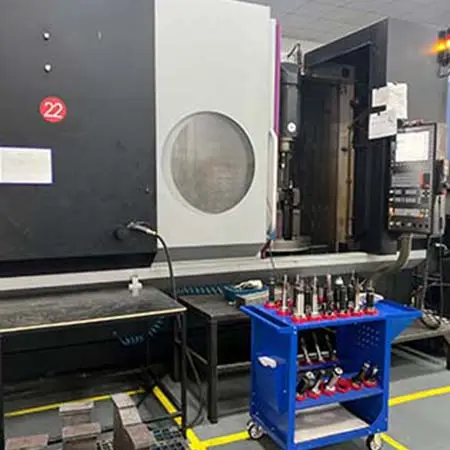
The intelligent quality assurance integration within CNC lathe thread cutting systems revolutionizes manufacturing quality control by embedding comprehensive measurement and verification capabilities directly into the production process. This integrated approach eliminates traditional quality bottlenecks while ensuring every threaded component meets specifications before leaving the machine. Advanced probe systems within CNC lathe thread cutting operations measure thread pitch, major diameter, minor diameter, and flank angles automatically during or immediately after cutting cycles. The intelligent system compares measured values against programmed specifications, generating real-time quality reports that document compliance with engineering requirements. Statistical process control algorithms analyze measurement data trends, identifying potential quality drift before parts fall outside acceptable tolerances. The CNC lathe thread cutting quality system maintains comprehensive traceability records linking each component to specific cutting parameters, tool conditions, and measurement results for complete manufacturing documentation. Automatic tool compensation features adjust cutting parameters based on measurement feedback, maintaining consistent thread dimensions as tools experience normal wear progression. The intelligent system detects unusual measurement patterns that indicate tool damage, material inconsistencies, or setup problems, alerting operators before quality issues propagate through production batches. Integration with enterprise quality systems enables CNC lathe thread cutting operations to contribute measurement data directly to broader quality management databases for comprehensive analysis and reporting. The system supports various measurement standards including ISO, ANSI, and custom specifications, adapting measurement protocols to match specific customer requirements automatically. Gauge repeatability and reproducibility studies execute automatically within CNC lathe thread cutting systems, validating measurement system capability and identifying potential calibration needs. Advanced visualization tools display thread profiles graphically, enabling operators to identify quality trends and optimize cutting parameters proactively. The intelligent quality integration reduces inspection costs significantly by eliminating secondary measurement operations while improving quality confidence through 100% inspection coverage. This comprehensive quality assurance approach makes CNC lathe thread cutting systems indispensable for regulated industries where threading quality directly impacts product safety and performance reliability.