
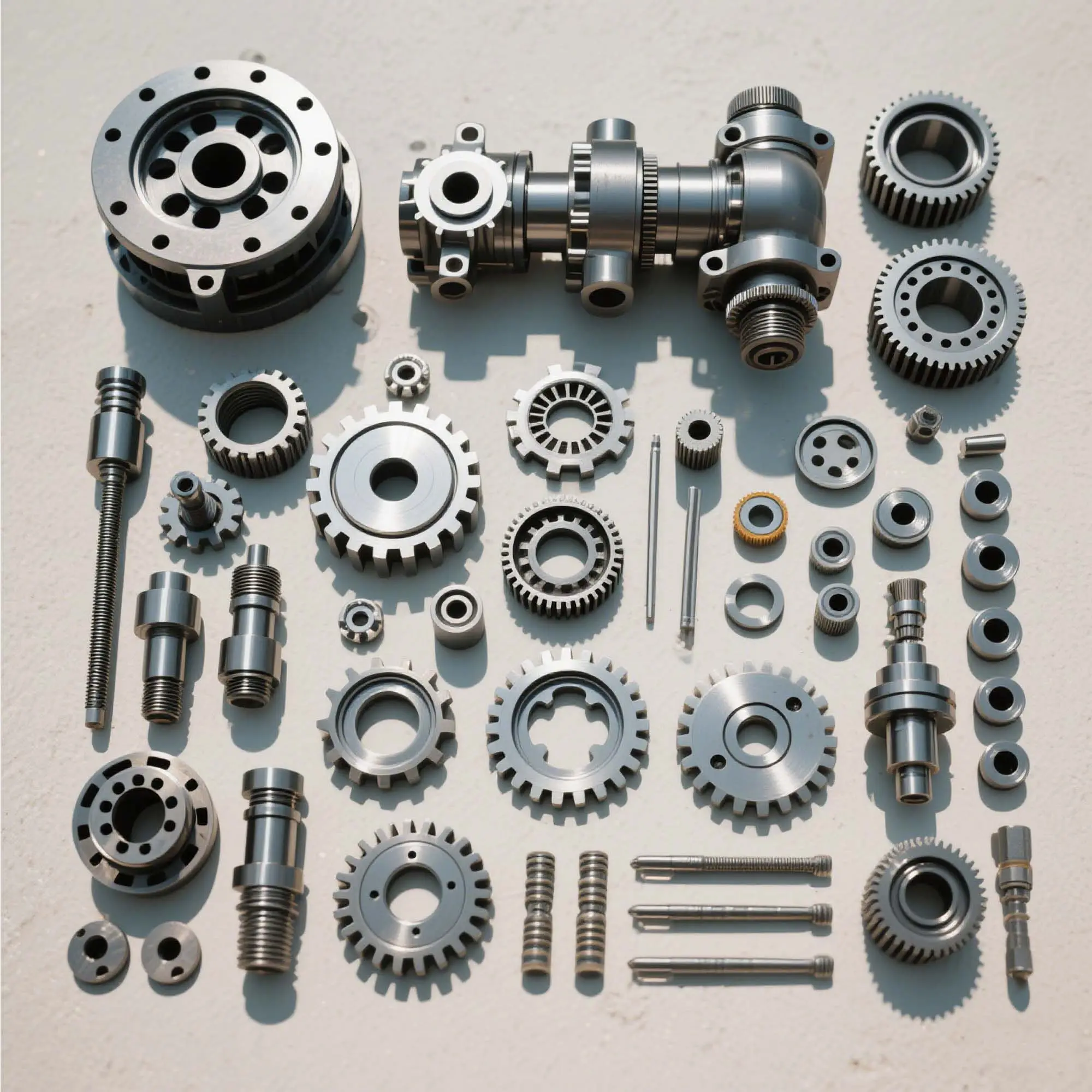
A CNC turn mill represents the pinnacle of modern machining technology, combining the capabilities of both turning and milling operations within a single, sophisticated machine tool. This advanced manufacturing equipment integrates computer numerical control systems with precision mechanical components to deliver exceptional versatility and productivity for complex part production. The CNC turn mill operates by simultaneously performing rotational turning operations and linear milling processes, allowing manufacturers to complete intricate workpieces without requiring multiple machine setups or transfers between different equipment stations. The machine features a rotating spindle that holds the workpiece while additional cutting tools approach from various angles to perform milling, drilling, and other secondary operations. This dual-functionality design eliminates the need for separate turning lathes and milling machines, significantly streamlining production workflows and reducing floor space requirements. Modern CNC turn mill systems incorporate sophisticated software interfaces that enable operators to program complex tool paths, coordinate multiple cutting operations, and maintain tight tolerances throughout the manufacturing process. The technological architecture includes high-precision servo motors, advanced feedback systems, and rigid machine structures that ensure consistent performance even during demanding production cycles. These machines typically feature automatic tool changers, coolant systems, and chip evacuation mechanisms that support continuous operation with minimal manual intervention. The integration of sensors and monitoring systems provides real-time feedback on cutting conditions, tool wear, and part quality, enabling predictive maintenance and process optimization. CNC turn mill technology supports a wide range of materials including steel, aluminum, titanium, and exotic alloys, making it suitable for diverse industrial applications from automotive components to aerospace parts and medical devices.
CNC turn mill machines deliver substantial operational benefits that directly impact manufacturing efficiency and profitability for businesses across various industries. The primary advantage lies in the dramatic reduction of setup time and part handling requirements, as operators can complete multiple machining operations without removing the workpiece from the machine. This single-setup capability eliminates potential positioning errors that occur when transferring parts between different machines, resulting in superior dimensional accuracy and surface finish quality. The consolidated workflow significantly reduces labor costs by minimizing the number of operators required and decreasing the time spent on part handling and fixture changes. Production flexibility represents another major benefit, as these machines can easily switch between different part types and configurations through simple program changes, enabling efficient small-batch production and rapid prototyping without extensive retooling. The space efficiency of CNC turn mill systems becomes particularly valuable in modern manufacturing facilities where floor space commands premium costs, as a single machine replaces multiple separate units while maintaining or improving production capacity. Quality improvements stem from the elimination of multiple setups and the inherent precision of the integrated system, leading to tighter tolerances, better surface finishes, and reduced scrap rates. The advanced control systems provide comprehensive process monitoring and data collection capabilities, enabling manufacturers to optimize cutting parameters, predict maintenance requirements, and maintain consistent quality standards. Energy efficiency gains result from the consolidated operations and modern drive systems that consume less power compared to running separate turning and milling machines. The reduced work-in-process inventory and shorter cycle times improve cash flow and enable faster response to customer demands. Additionally, the sophisticated programming capabilities allow for complex geometries and intricate features that would be difficult or impossible to achieve with conventional machining methods, opening new opportunities for innovative product designs and enhanced functionality.
Revolutionary Multi-Axis Machining Capability
The multi-axis machining capability of CNC turn mill systems represents a transformative advancement that fundamentally changes how manufacturers approach complex part production. This sophisticated feature enables simultaneous control of multiple cutting tools and workpiece orientations, allowing for the creation of intricate geometries that were previously impossible or extremely difficult to achieve with traditional machining methods. The multi-axis functionality typically includes independent control of the main spindle rotation, secondary milling spindles, and programmable tool positioning systems that can approach the workpiece from virtually any angle. This comprehensive accessibility eliminates the geometric limitations that constrain conventional machining operations, enabling the production of parts with undercuts, complex internal features, and multi-directional surfaces in a single setup. The precision control systems coordinate all axes simultaneously, maintaining exact positioning relationships and ensuring that complex tool paths are executed with exceptional accuracy. This capability proves particularly valuable for aerospace components that require intricate internal cooling passages, medical implants with complex surface geometries, and automotive parts featuring integrated mounting features and fluid channels. The programming flexibility allows engineers to optimize tool paths for maximum efficiency while minimizing cutting forces and tool wear, resulting in superior surface finishes and extended tool life. The multi-axis approach also enables the machining of complete assemblies where multiple components can be produced simultaneously or sequentially without part repositioning. This advanced capability reduces the total number of operations required, shortens overall cycle times, and eliminates the cumulative tolerancing errors that occur in multi-setup operations. The sophisticated control algorithms ensure smooth motion coordination between axes, preventing vibration and maintaining optimal cutting conditions throughout complex machining cycles. For manufacturers dealing with high-value materials or critical applications, the multi-axis capability provides the precision and reliability necessary to meet stringent quality requirements while maximizing material utilization and minimizing waste.
Integrated Live Tooling Technology
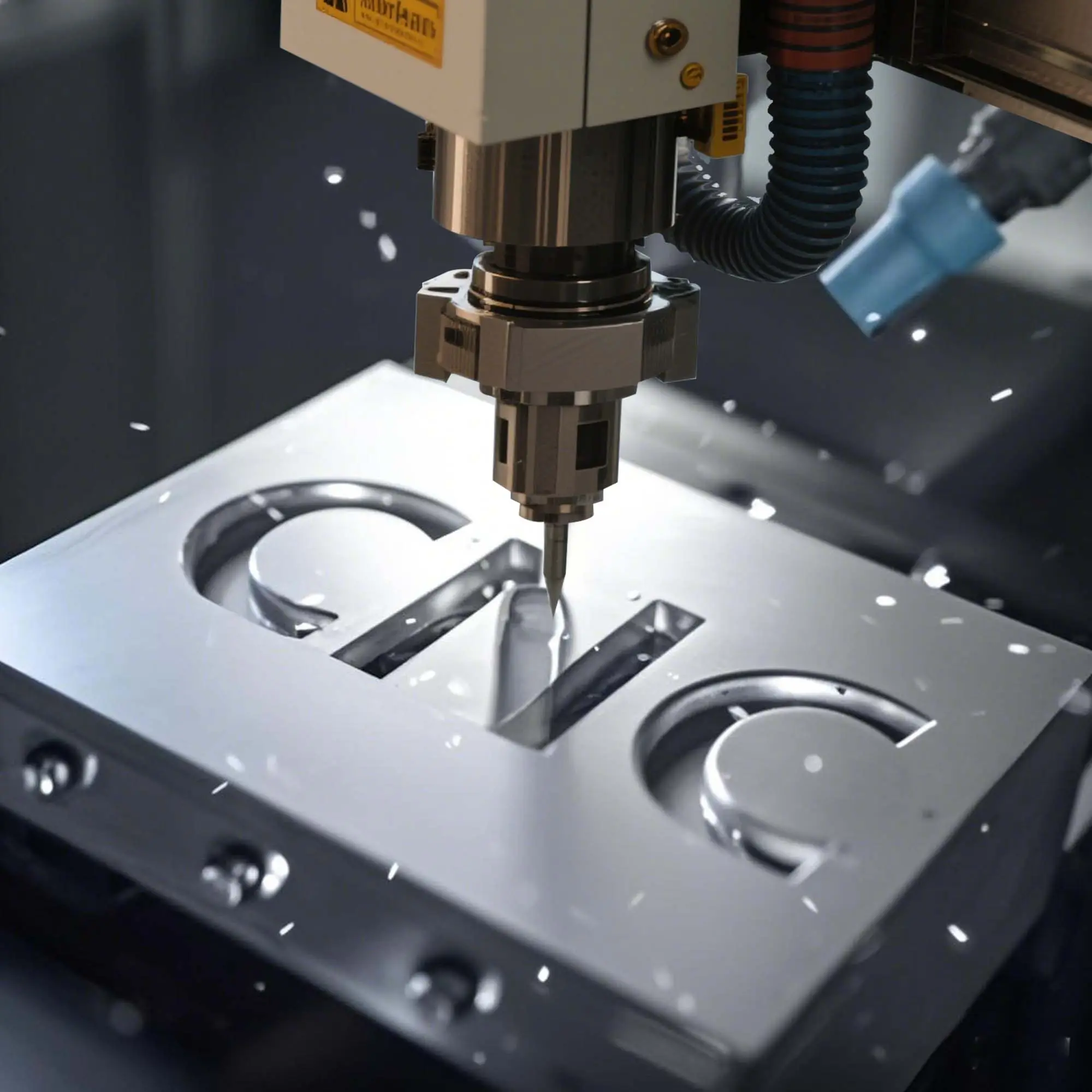
Integrated live tooling technology transforms the CNC turn mill into a comprehensive manufacturing solution by incorporating powered cutting tools that operate independently of the main spindle rotation. This advanced feature enables the machine to perform drilling, milling, tapping, and other rotary cutting operations while the workpiece continues to rotate or remains stationary, dramatically expanding the range of possible operations within a single setup. The live tooling system typically consists of multiple tool stations equipped with independent servo motors and precision tool holders that can be programmed to engage at specific positions and orientations relative to the workpiece. This technology eliminates the need for secondary operations on separate machines, reducing handling time, setup complexity, and the potential for positioning errors that can compromise part accuracy. The synchronized control between the main spindle and live tools enables complex operations such as cross-drilling, side milling, and the creation of keyways, flats, and other features that require precise angular relationships to turned surfaces. The programming flexibility allows operators to optimize tool engagement sequences, cutting parameters, and approach angles for maximum efficiency and tool life while maintaining exceptional surface quality. Live tooling systems support a wide variety of cutting tools including end mills, drills, reamers, and specialized forming tools, providing the versatility needed for diverse manufacturing applications. The independent drive systems deliver consistent cutting speeds and feeds regardless of workpiece rotation, ensuring optimal cutting conditions for each specific operation. This capability proves particularly valuable for complex parts requiring multiple machining processes, such as hydraulic valve bodies with cross-drilled passages, gear blanks requiring keyway milling, or shafts needing radial holes and flats. The precision timing and positioning control ensure that all operations maintain exact geometric relationships, critical for assemblies where multiple parts must fit together with tight tolerances. The integrated approach reduces overall cycle times by performing multiple operations simultaneously or in rapid sequence, significantly improving productivity while maintaining the highest quality standards.
Advanced Process Monitoring and Control Systems
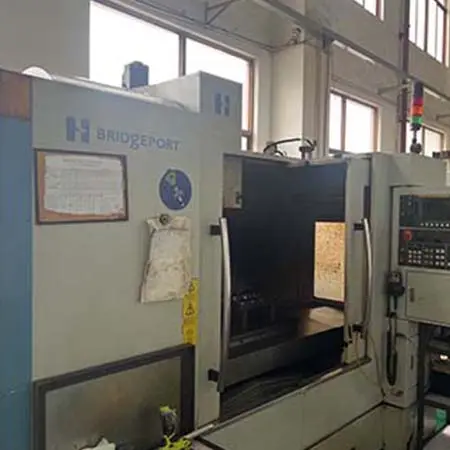
The advanced process monitoring and control systems integrated into modern CNC turn mill machines provide unprecedented insight into machining operations while ensuring consistent quality and optimal performance throughout production runs. These sophisticated systems employ multiple sensor technologies including vibration monitors, acoustic emission sensors, force measurement devices, and thermal monitoring equipment to continuously assess cutting conditions and machine performance in real-time. The comprehensive data collection enables proactive identification of potential issues before they impact part quality or cause tool failure, significantly reducing scrap rates and unexpected downtime. The intelligent control algorithms analyze sensor data patterns to detect tool wear progression, spindle bearing condition changes, and cutting parameter deviations that could affect surface finish or dimensional accuracy. This predictive capability allows operators to schedule tool changes and maintenance activities during planned downtime rather than responding to unexpected failures. The adaptive control features automatically adjust cutting parameters based on real-time conditions, optimizing feed rates, spindle speeds, and tool paths to maintain consistent chip loads and surface finishes even as tools wear or material properties vary. The integrated quality monitoring systems can perform in-process measurements using touch probes and laser measurement devices, verifying critical dimensions and geometric features without interrupting the machining cycle. This capability enables immediate corrections if parameters drift outside acceptable ranges, preventing the production of non-conforming parts. The comprehensive data logging and reporting functions provide detailed production records that support quality certification requirements and enable continuous process improvement through statistical analysis. The user-friendly interfaces present complex information in easily interpreted formats, allowing operators to quickly assess machine status, identify optimization opportunities, and respond appropriately to changing conditions. The connectivity features enable integration with enterprise resource planning systems and manufacturing execution software, providing real-time production status updates and supporting advanced scheduling and inventory management. For manufacturers operating in regulated industries such as aerospace and medical devices, these monitoring systems provide the documentation and traceability required for compliance while ensuring that every part meets specified quality standards.