
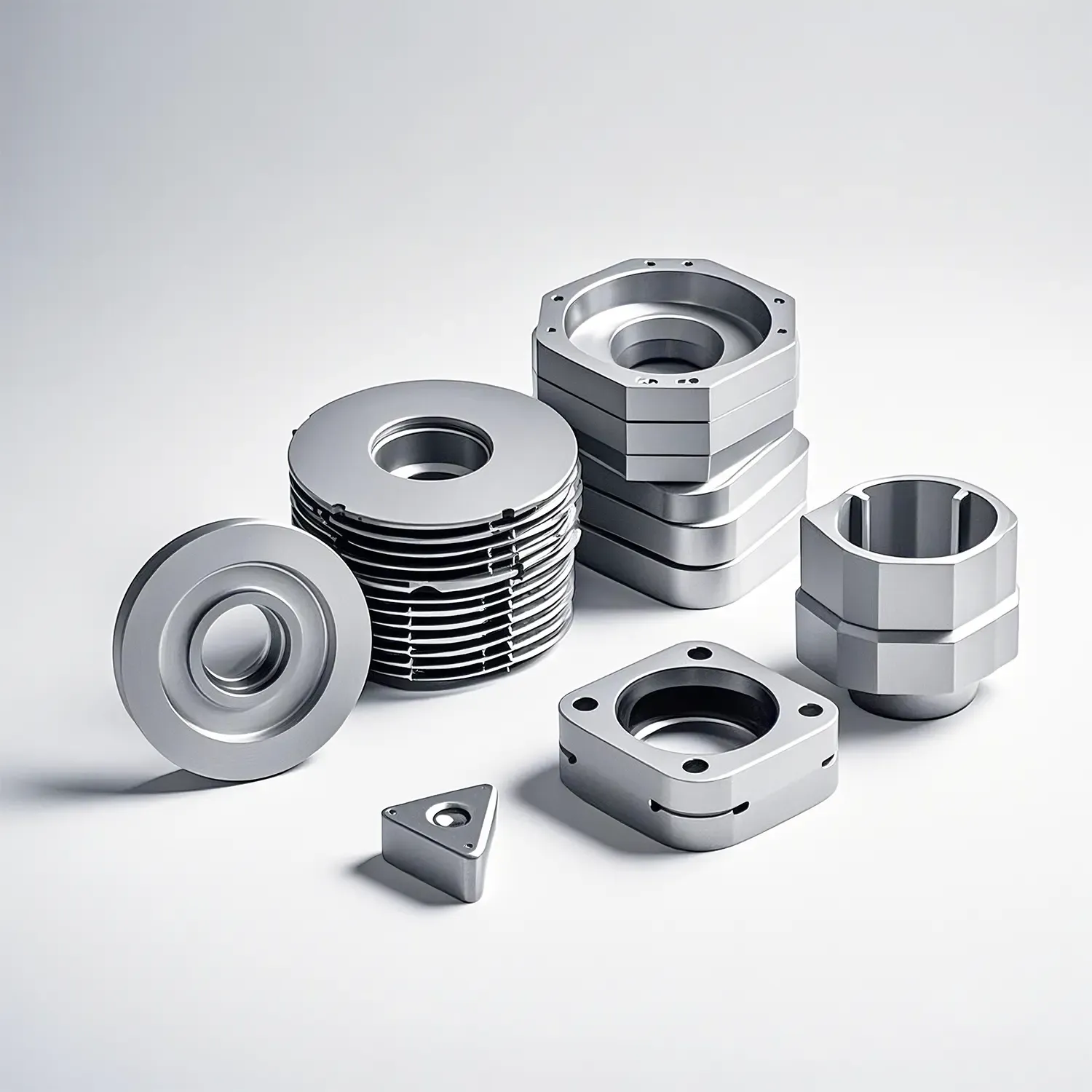
CNC turning part manufacturing represents a sophisticated machining process that utilizes computer numerical control technology to create precise cylindrical components from various materials. This automated manufacturing method employs specialized lathes equipped with programmable controls to rotate workpieces while cutting tools shape them into desired specifications. The process begins with detailed CAD designs that are converted into machine-readable code, enabling operators to produce complex geometries with exceptional accuracy and consistency. Modern CNC turning centers feature multiple axes of movement, allowing for intricate operations including threading, grooving, drilling, and contouring in a single setup. The technological features of cnc turning part manufacturing include real-time monitoring systems, automatic tool changers, and advanced coolant delivery mechanisms that ensure optimal cutting conditions. These machines can handle diverse materials ranging from aluminum and steel to exotic alloys and plastics, making them versatile solutions for various industries. The process excels at producing rotational components such as shafts, pins, bushings, connectors, and fittings with tight tolerances typically within ±0.0001 inches. Applications span across automotive, aerospace, medical device, electronics, and industrial equipment sectors where precision components are critical. The manufacturing process offers excellent surface finishes, dimensional stability, and the ability to create complex internal and external features simultaneously. Integration with quality control systems allows for in-process inspection and immediate corrections, ensuring consistent output quality. The scalability of cnc turning part manufacturing makes it suitable for both prototype development and high-volume production runs, providing flexibility that traditional machining methods cannot match.
CNC turning part manufacturing delivers substantial benefits that directly impact operational efficiency and product quality for businesses across multiple sectors. The precision capabilities of this technology eliminate manual errors while achieving tolerances that surpass conventional machining methods, resulting in components that fit perfectly and function reliably in critical applications. Cost reduction emerges as a primary advantage since automated operations require minimal human intervention, reducing labor expenses while maximizing machine utilization rates around the clock. The consistency achieved through cnc turning part manufacturing ensures every component meets identical specifications, eliminating the variability associated with manual processes and reducing rejection rates significantly. Speed advantages become apparent when producing complex geometries that would require multiple setups using traditional methods, as CNC turning centers complete intricate operations in single configurations. Material waste reduction occurs through optimized cutting paths and precise material removal, converting more raw stock into finished products while minimizing scrap generation. Quality improvements stem from integrated measurement systems that monitor dimensions continuously, enabling immediate corrections and preventing defective parts from progressing through production cycles. The flexibility of cnc turning part manufacturing allows rapid changeovers between different part configurations, supporting diverse product lines without extensive retooling investments. Repeatability ensures that components manufactured months apart maintain identical characteristics, supporting inventory management and assembly line operations. Documentation capabilities provide complete traceability for each component, supporting quality certifications and regulatory compliance requirements. The reduced setup times associated with program-driven operations enable faster response to customer demands and shorter lead times for urgent projects. Skilled operator requirements decrease as programming handles complex calculations and tool movements, allowing facilities to maintain production even with limited experienced machinists. The scalability of cnc turning part manufacturing accommodates growth from small batch runs to large-scale production without proportional increases in overhead costs, supporting business expansion strategies effectively.
Unmatched Precision and Accuracy in Component Manufacturing
The precision capabilities of cnc turning part manufacturing set new standards for dimensional accuracy that traditional machining methods cannot achieve consistently. Advanced servo motors and linear encoders work together to position cutting tools with incredible accuracy, typically maintaining tolerances within ±0.0001 inches across extended production runs. This level of precision stems from the elimination of human error variables that affect manual operations, as computer programs control every aspect of the cutting process from feed rates to tool positioning. The closed-loop feedback systems continuously monitor actual versus programmed positions, making real-time adjustments to compensate for tool wear, thermal expansion, or material variations. Thermal management systems within modern CNC turning centers maintain stable operating temperatures, preventing dimensional drift that could affect part accuracy during extended production cycles. The rigidity of machine structures, combined with vibration dampening technologies, ensures cutting forces do not introduce unwanted movements that could compromise surface finishes or dimensional integrity. Multi-axis capabilities enable complex geometries to be machined in single setups, eliminating accumulation of tolerances that occur when parts require multiple operations across different machines. In-process measurement systems verify dimensions while components remain in the machine spindle, allowing immediate corrections before parts are completed and potentially scrapped. This precision advantage translates directly into improved product performance for customers, as components fit together perfectly in assemblies, reducing warranty claims and enhancing end-user satisfaction. The consistent accuracy achieved through cnc turning part manufacturing eliminates the need for secondary finishing operations in many applications, reducing overall production costs while maintaining superior quality standards that exceed customer expectations.
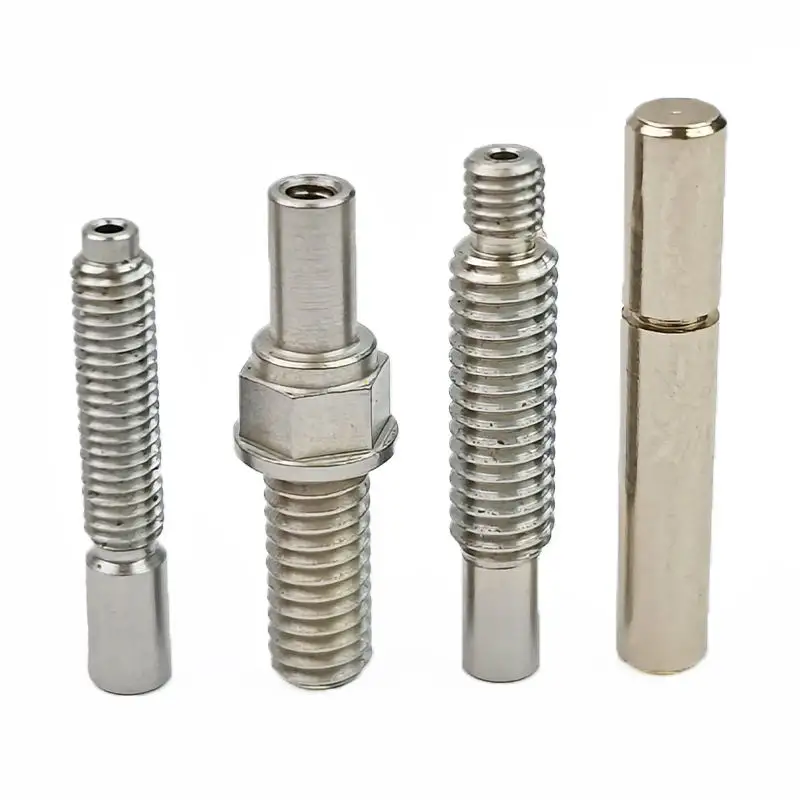
Superior Efficiency and Cost-Effectiveness for Modern Manufacturing
CNC turning part manufacturing transforms production economics through automated operations that maximize throughput while minimizing operational costs across all production volumes. The elimination of manual setup procedures reduces changeover times dramatically, as programs store all necessary parameters including tool selections, speeds, feeds, and cutting sequences that can be recalled instantly for repeat orders. Automated tool changers enable multiple operations to occur within single machine cycles, reducing handling time and eliminating opportunities for damage that can occur during part transfers between different machines or workstations. The 24/7 operational capability of cnc turning part manufacturing systems allows production to continue during off-shifts with minimal supervision, effectively tripling productive capacity compared to traditional single-shift manual operations. Material utilization improvements result from optimized cutting strategies that minimize waste generation while maximizing the number of finished components produced from standard stock lengths. Energy efficiency advantages emerge from modern machine designs that consume power only during active cutting operations, with standby modes that reduce electrical consumption during idle periods between production runs. Labor cost reductions become significant as single operators can oversee multiple machines simultaneously, leveraging the automated nature of cnc turning part manufacturing to achieve higher output per employee. Quality-related cost savings occur through reduced scrap rates and elimination of rework requirements, as consistent processes produce components that meet specifications on the first attempt. Inventory carrying costs decrease through just-in-time production capabilities that can respond quickly to customer demands without maintaining large finished goods inventories. The predictable cycle times associated with programmed operations enable accurate scheduling and delivery commitments, improving customer relationships while optimizing production planning activities for maximum facility utilization and profitability.
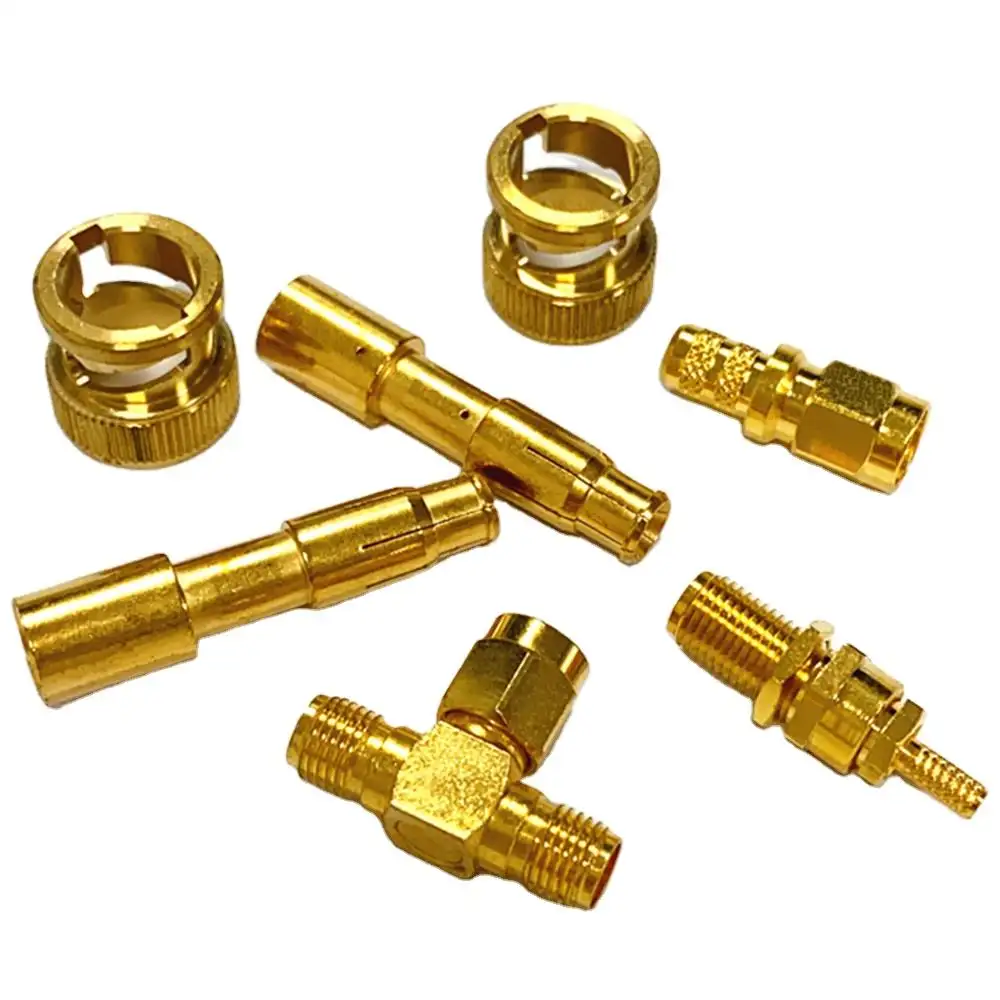
Exceptional Versatility and Adaptability for Diverse Applications
The versatility inherent in cnc turning part manufacturing enables facilities to serve diverse markets and applications without significant capital investments in specialized equipment or tooling systems. Multi-axis capabilities allow complex geometries including eccentric shapes, helical threads, and intricate internal passages to be machined in single setups that would be impossible or prohibitively expensive using conventional methods. Material compatibility extends across the complete spectrum of engineering materials from soft plastics and aluminum alloys to hardened steels and exotic superalloys, accommodating virtually any customer requirement without process limitations. The programmable nature of cnc turning part manufacturing enables rapid transitions between vastly different component configurations, supporting product development initiatives and prototype requirements alongside production volumes. Custom tooling integration allows specialized cutting tools and workholding fixtures to be incorporated seamlessly into standard machine configurations, expanding capabilities to address unique customer specifications or industry-specific requirements. Size range flexibility accommodates components from miniature electronic connectors measuring fractions of inches to large industrial shafts spanning several feet in length, all within the same manufacturing framework. Surface finish versatility ranges from rough machined surfaces for internal components to mirror-like finishes required for hydraulic applications, achieved through appropriate cutting parameters and tool selections. The scalability of cnc turning part manufacturing operations adapts efficiently to volume fluctuations, processing single prototype units with the same precision and efficiency as thousand-piece production runs. Integration capabilities with upstream and downstream processes including automatic loading systems, robotic handling, and quality inspection equipment create seamless manufacturing cells that maximize overall system efficiency. Future expansion possibilities remain virtually unlimited as software updates and additional axis options can enhance capabilities without replacing entire machine investments, protecting capital expenditures while adapting to evolving market demands and technological advances.