
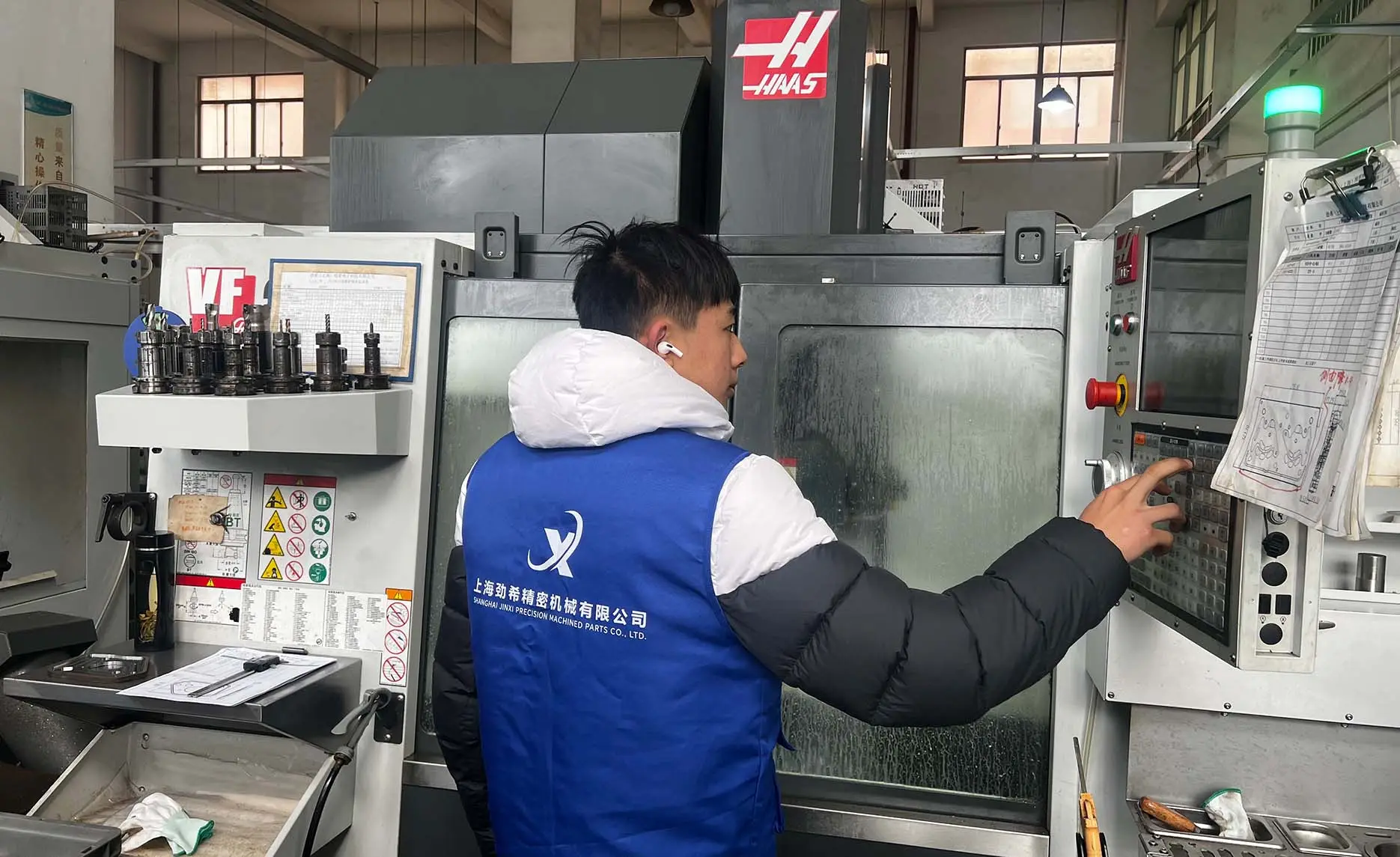
Custom aluminium machining represents a sophisticated manufacturing process that transforms raw aluminium materials into precisely engineered components tailored to specific requirements. This advanced technique combines cutting-edge technology with skilled craftsmanship to deliver exceptional results across diverse industries. The process involves the systematic removal of material from aluminium workpieces using computer-controlled machines, creating components with exact dimensions and superior surface finishes. Custom aluminium machining encompasses various operations including milling, turning, drilling, and grinding, each designed to achieve specific geometric features and tolerances. The technological foundation of this process relies on Computer Numerical Control (CNC) systems that ensure consistent accuracy and repeatability throughout production runs. These sophisticated machines interpret digital blueprints and execute complex cutting patterns with microscopic precision, enabling the creation of intricate shapes and internal features that would be impossible through traditional manufacturing methods. The versatility of custom aluminium machining makes it indispensable across multiple sectors, from aerospace and automotive to medical devices and electronics. In aerospace applications, lightweight aluminium components reduce overall aircraft weight while maintaining structural integrity. The automotive industry benefits from custom machined parts that enhance vehicle performance and fuel efficiency. Medical device manufacturers rely on this process to create biocompatible components with smooth surfaces essential for patient safety. Electronics companies utilize precision-machined aluminium housings that provide excellent heat dissipation and electromagnetic shielding. The surface treatment capabilities extend beyond basic machining, incorporating anodizing, powder coating, and other finishing processes that enhance corrosion resistance and aesthetic appeal. Quality control measures throughout the custom aluminium machining process ensure dimensional accuracy and material integrity, with advanced inspection equipment verifying that each component meets stringent specifications before delivery.
Custom aluminium machining offers numerous compelling advantages that make it the preferred choice for manufacturers seeking high-quality, precision-engineered components. The exceptional dimensional accuracy achieved through this process ensures that parts fit perfectly within assemblies, eliminating costly modifications and reducing assembly time significantly. This precision stems from the advanced CNC technology that maintains tolerances as tight as plus or minus 0.001 inches, delivering consistency that manual processes simply cannot match. The material properties of aluminium enhance the appeal of custom machining, as this lightweight metal provides an excellent strength-to-weight ratio that benefits applications where weight reduction is critical. Unlike heavier metals, aluminium components reduce overall system weight without compromising structural performance, leading to improved efficiency in transportation applications and reduced material handling costs during manufacturing. The corrosion resistance inherent in aluminium extends component lifespan dramatically, particularly when combined with appropriate surface treatments available through custom aluminium machining processes. This durability translates directly into lower maintenance costs and reduced replacement frequency, providing substantial long-term savings for end users. The thermal conductivity properties of aluminium make it ideal for heat management applications, where custom machined components can incorporate specific features like fins, channels, or mounting surfaces that optimize heat transfer performance. Production flexibility represents another significant advantage, as custom aluminium machining accommodates both prototype development and large-scale manufacturing with equal effectiveness. This scalability allows companies to test designs thoroughly before committing to high-volume production, reducing development risks and time-to-market pressures. The machining process generates minimal waste compared to other manufacturing methods, as excess material can be recycled efficiently, supporting environmental sustainability goals while reducing material costs. Speed of production enables rapid response to market demands, with many custom aluminium machining operations capable of delivering finished parts within days rather than weeks required by alternative manufacturing approaches.
Unmatched Precision and Quality Control
Custom aluminium machining delivers unparalleled precision that sets it apart from conventional manufacturing methods, establishing new standards for dimensional accuracy and surface quality in component production. The foundation of this precision lies in state-of-the-art CNC machining centers equipped with advanced positioning systems that achieve repeatability within micrometers, ensuring every component meets exact specifications regardless of production volume. This level of accuracy proves crucial for industries where component compatibility directly impacts system performance and safety. The quality control framework supporting custom aluminium machining incorporates multiple verification stages, from incoming material inspection through final dimensional verification, creating a comprehensive system that identifies and corrects potential issues before they affect finished products. Advanced measurement equipment including coordinate measuring machines, laser scanners, and optical comparators provide detailed analysis of critical dimensions, surface roughness, and geometric tolerances throughout the manufacturing process. The traceability systems implemented in professional custom aluminium machining facilities document every aspect of production, from material certifications through machining parameters, creating detailed records that support quality audits and continuous improvement initiatives. Surface finish capabilities extend far beyond basic machining marks, incorporating specialized techniques that achieve mirror-like finishes or specific textures required for functional or aesthetic purposes. The consistency achieved through custom aluminium machining eliminates the variability common in manual processes, ensuring that components perform identically across entire production runs and reducing the need for extensive testing and adjustment during assembly operations. This reliability factor becomes particularly valuable in automated manufacturing environments where consistent component dimensions enable smooth operation of robotic assembly systems and reduce downtime associated with part fit issues.
Exceptional Design Flexibility and Customization
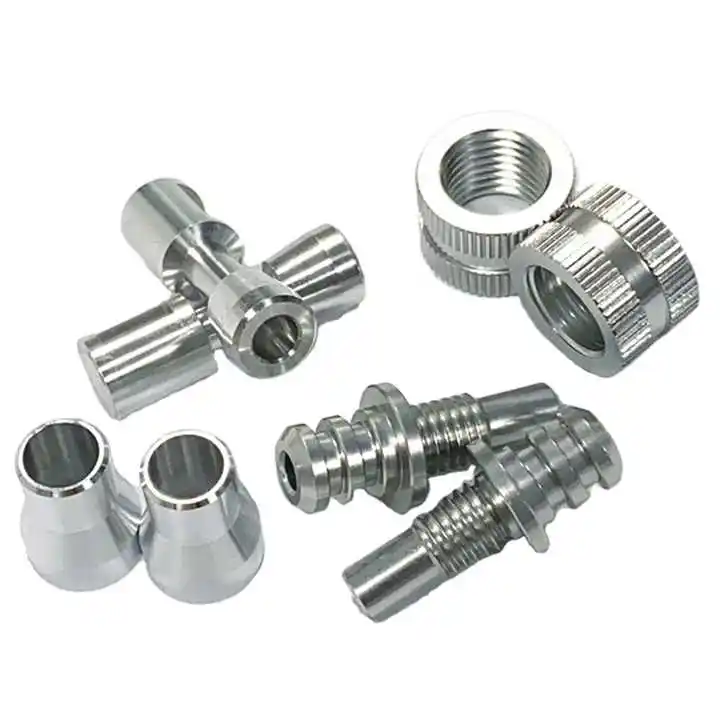
The design flexibility inherent in custom aluminium machining opens unlimited possibilities for creating components that perfectly match specific application requirements, enabling engineers to optimize performance without compromise. This flexibility begins with the ability to machine complex geometries that would be impossible or prohibitively expensive using traditional manufacturing methods such as casting or forging. Multi-axis machining capabilities allow the creation of intricate internal passages, undercuts, and compound angles within single workpieces, eliminating the need for assembly operations that introduce potential failure points and reduce overall system reliability. The customization extends to material selection, where different aluminium alloys can be chosen based on specific performance requirements such as strength, corrosion resistance, or thermal properties, ensuring optimal performance in demanding environments. Custom aluminium machining accommodates rapid design iterations during product development phases, allowing engineers to test multiple configurations quickly and cost-effectively without the tooling investments required by other manufacturing processes. This capability proves invaluable during prototype development, where design modifications can be implemented immediately based on testing results or changing requirements. The process supports both simple modifications to existing designs and completely novel geometries, providing the flexibility needed to address evolving market demands or emerging technical challenges. Integration features such as threaded holes, mounting bosses, sealing surfaces, and alignment features can be incorporated directly into machined components, reducing assembly complexity and improving overall system reliability. The ability to combine multiple functions within single components through custom aluminium machining reduces part counts, simplifies supply chain management, and decreases assembly time while maintaining or improving system performance. Surface treatments and finishing options available through custom aluminium machining facilities provide additional customization opportunities, enabling components to meet specific environmental requirements or aesthetic standards without additional processing steps.
Superior Cost-Effectiveness and Production Efficiency
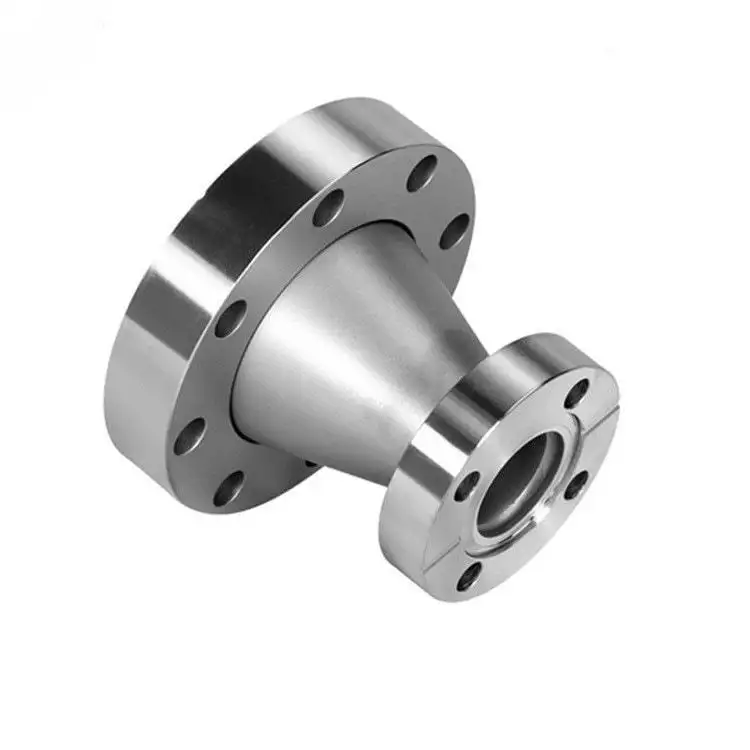
Custom aluminium machining delivers exceptional cost-effectiveness that extends well beyond initial component pricing, providing comprehensive value through reduced lifecycle costs and improved operational efficiency. The elimination of expensive tooling requirements associated with casting or stamping processes makes custom aluminium machining particularly attractive for low to medium volume applications, where tooling costs would otherwise make production economically unfeasible. This advantage becomes even more pronounced for complex parts requiring multiple forming operations, where the cumulative tooling investment quickly exceeds the cost of direct machining approaches. Material utilization efficiency in custom aluminium machining maximizes value from raw materials, with advanced programming techniques minimizing waste generation while optimizing cutting paths for reduced cycle times. The recyclability of aluminium chips and offcuts generated during machining operations creates additional value streams, with scrap material maintaining significant value that offsets raw material costs. Production scheduling flexibility enables custom aluminium machining operations to respond rapidly to changing demand patterns without the lead times associated with tooling modifications or procurement, reducing inventory requirements and improving cash flow management. The ability to produce components on-demand eliminates the need for large inventory investments while ensuring availability when needed, particularly valuable for maintenance and repair applications where downtime costs far exceed component prices. Labor efficiency improvements result from automated machining processes that require minimal operator intervention once programs are established, reducing labor costs per component while maintaining consistent quality standards. The integration of multiple operations within single machine setups reduces handling time, eliminates work-in-process inventory, and minimizes the opportunity for damage during material transfer between operations. Quality improvements achieved through custom aluminium machining reduce downstream costs associated with rework, warranty claims, and customer dissatisfaction, creating value that extends throughout the entire product lifecycle and enhances brand reputation in competitive markets.