
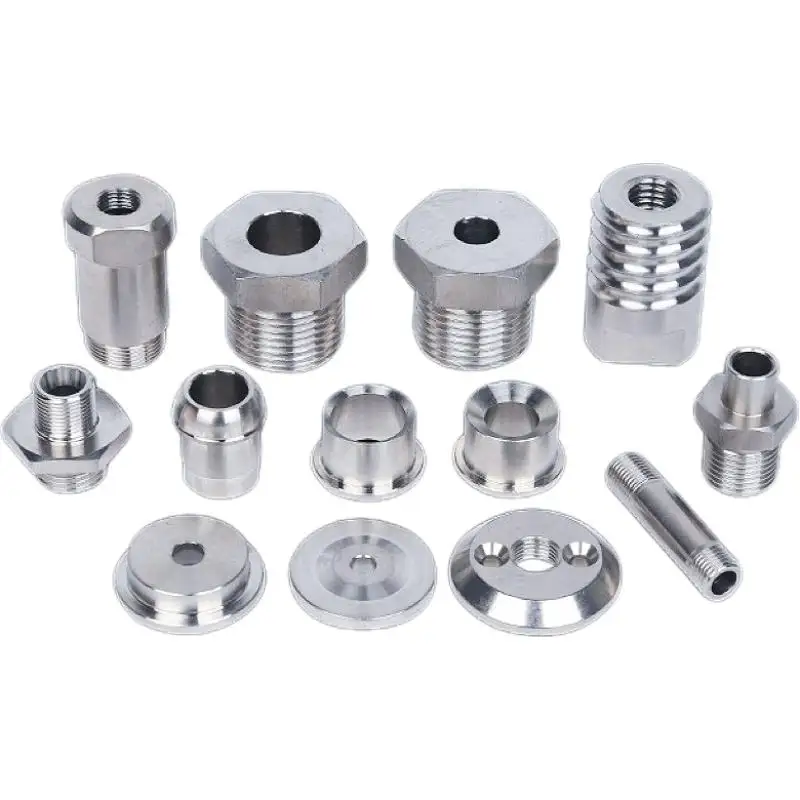
Custom aluminum machined parts represent precision-engineered components manufactured through advanced machining processes to meet specific dimensional and functional requirements. These specialized components are created using state-of-the-art CNC machining technology that transforms raw aluminum stock into precisely crafted parts with exceptional accuracy and surface finish quality. The manufacturing process involves computer-controlled cutting tools that remove material from aluminum billets, bars, or plates to achieve the exact specifications demanded by each unique application. Custom aluminum machined parts serve critical functions across numerous industries, providing lightweight yet durable solutions for complex mechanical assemblies, structural components, and specialized equipment. The primary technological features of these components include exceptional dimensional precision, typically achieving tolerances within ±0.001 inches, superior surface finishes ranging from as-machined to mirror-polished quality, and the ability to incorporate complex geometries including intricate internal channels, precise threading, and multi-axis contours. Advanced machining centers utilize sophisticated tooling systems and real-time monitoring to ensure consistent quality throughout production runs. The applications for custom aluminum machined parts span aerospace components such as aircraft structural elements and engine housings, automotive parts including transmission cases and suspension components, medical device housings and surgical instruments, electronics enclosures and heat sinks, marine hardware and boat fittings, industrial machinery components, and consumer product assemblies. The versatility of aluminum as a base material, combined with precise machining capabilities, enables manufacturers to create components that meet stringent performance requirements while maintaining cost-effectiveness. These parts often serve as critical elements in assemblies where weight reduction, corrosion resistance, and structural integrity are paramount considerations for overall system performance and longevity.
Custom aluminum machined parts deliver exceptional weight-to-strength ratios that significantly reduce overall system weight while maintaining structural integrity and load-bearing capacity. This weight reduction translates directly into improved fuel efficiency for automotive and aerospace applications, reduced shipping costs, and easier handling during installation and maintenance procedures. The inherent corrosion resistance of aluminum ensures long-term durability in challenging environments, eliminating the need for costly protective coatings or frequent replacement cycles that plague steel alternatives. Manufacturing flexibility stands as another major advantage, allowing engineers to create complex geometries and intricate features that would be impossible or prohibitively expensive using traditional manufacturing methods such as casting or forging. The precision achievable through CNC machining enables tight tolerances and perfect fit-up with mating components, reducing assembly time and eliminating the need for secondary operations or adjustments. Cost-effectiveness emerges through reduced material waste, as machining processes utilize raw materials efficiently and generate recyclable chips that can be reclaimed for future use. Production scalability accommodates both prototype quantities and high-volume manufacturing runs without significant tooling investments or setup changes, making custom aluminum machined parts economically viable for diverse project scopes. The excellent thermal conductivity of aluminum provides superior heat dissipation capabilities for electronic applications and engine components, extending operational life and improving performance reliability. Surface treatment options expand functionality further, with anodizing, powder coating, and plating processes enhancing wear resistance, electrical properties, and aesthetic appeal according to specific application requirements. Quick turnaround times become possible through established supply chains and proven manufacturing processes, enabling rapid prototyping and shortened product development cycles. Quality consistency remains superior to cast alternatives, as machining eliminates porosity, inclusions, and dimensional variations common in foundry processes. The non-magnetic properties of aluminum prove essential for electronic applications and precision instruments where magnetic interference could compromise functionality. Environmental benefits include full recyclability and reduced carbon footprint compared to steel production and processing, supporting sustainability initiatives and regulatory compliance requirements across industries.
Unmatched Precision and Quality Control
Custom aluminum machined parts achieve extraordinary dimensional accuracy through advanced CNC machining technology that consistently delivers tolerances within ±0.001 inches across complex geometries and challenging specifications. This precision level stems from sophisticated machine tools equipped with linear encoders, thermal compensation systems, and real-time monitoring capabilities that automatically adjust cutting parameters to maintain accuracy throughout extended production runs. The quality control process integrates multiple inspection stages using coordinate measuring machines, optical comparators, and surface roughness analyzers to verify every critical dimension and feature. Statistical process control methodologies track machining performance continuously, identifying potential variations before they affect part quality and enabling proactive adjustments to maintain consistency. Advanced tooling systems utilize carbide and diamond-coated cutting tools specifically designed for aluminum machining, ensuring superior surface finishes and dimensional stability while maximizing tool life and production efficiency. The precision capabilities extend beyond basic dimensional accuracy to include complex features such as threaded holes with precise pitch and lead specifications, intricate internal channels for fluid flow applications, and multi-axis contours that require simultaneous coordination of multiple cutting axes. Custom aluminum machined parts manufactured under these controlled conditions exhibit exceptional repeatability, ensuring that each component performs identically within assemblies and meets the demanding requirements of critical applications. This precision advantage eliminates costly secondary operations such as hand fitting, selective assembly, or post-machining corrections that compromise production efficiency and increase overall costs. The superior accuracy achieved through precision machining also extends component service life by ensuring proper load distribution, minimizing wear patterns, and preventing premature failure modes associated with poor dimensional control. Quality documentation accompanying each shipment provides complete traceability and certification of dimensional compliance, supporting quality management systems and regulatory requirements in aerospace, medical, and automotive industries where documentation integrity is essential for product approval and liability protection.
Exceptional Material Properties and Performance
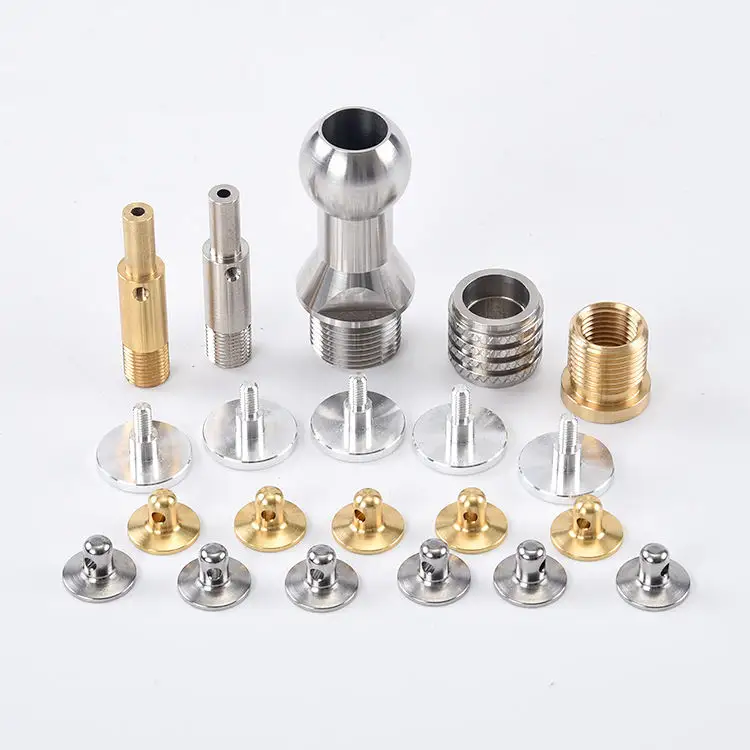
Custom aluminum machined parts leverage the outstanding material properties of aluminum alloys to deliver superior performance characteristics that exceed the capabilities of alternative materials in demanding applications. The exceptional strength-to-weight ratio of aluminum enables engineers to design components that withstand substantial loads while maintaining minimal mass, contributing to overall system efficiency and performance optimization. Aluminum’s inherent corrosion resistance provides long-term durability in harsh environmental conditions, including exposure to moisture, salt spray, chemicals, and temperature extremes without requiring protective coatings or maintenance interventions. The material’s excellent thermal conductivity facilitates efficient heat transfer and dissipation, making custom aluminum machined parts ideal for applications requiring thermal management such as electronic housings, engine components, and heat exchangers where temperature control directly impacts performance and reliability. Electrical conductivity properties enable aluminum components to serve effectively in electrical applications while maintaining lightweight construction and corrosion resistance superior to copper alternatives in many environments. The non-magnetic characteristics of aluminum prove essential for precision instruments, electronic devices, and applications where magnetic interference could compromise functionality or measurement accuracy. Custom aluminum machined parts exhibit excellent fatigue resistance under cyclic loading conditions, maintaining structural integrity through millions of load cycles without crack initiation or propagation that could lead to catastrophic failure. The material’s ductility allows for complex forming operations during machining while maintaining toughness and impact resistance in service applications. Surface treatment compatibility enables custom aluminum machined parts to accept various finishing processes including anodizing for enhanced corrosion protection and wear resistance, powder coating for aesthetic appeal and environmental protection, and specialized treatments for specific performance requirements. The recyclability of aluminum supports environmental sustainability initiatives while maintaining material properties through multiple recycling cycles, reducing environmental impact and supporting circular economy principles. Temperature stability ensures consistent performance across wide operating ranges, from cryogenic applications to elevated temperature environments where dimensional stability and mechanical properties must remain constant for reliable operation.
Versatile Manufacturing Capabilities and Customization
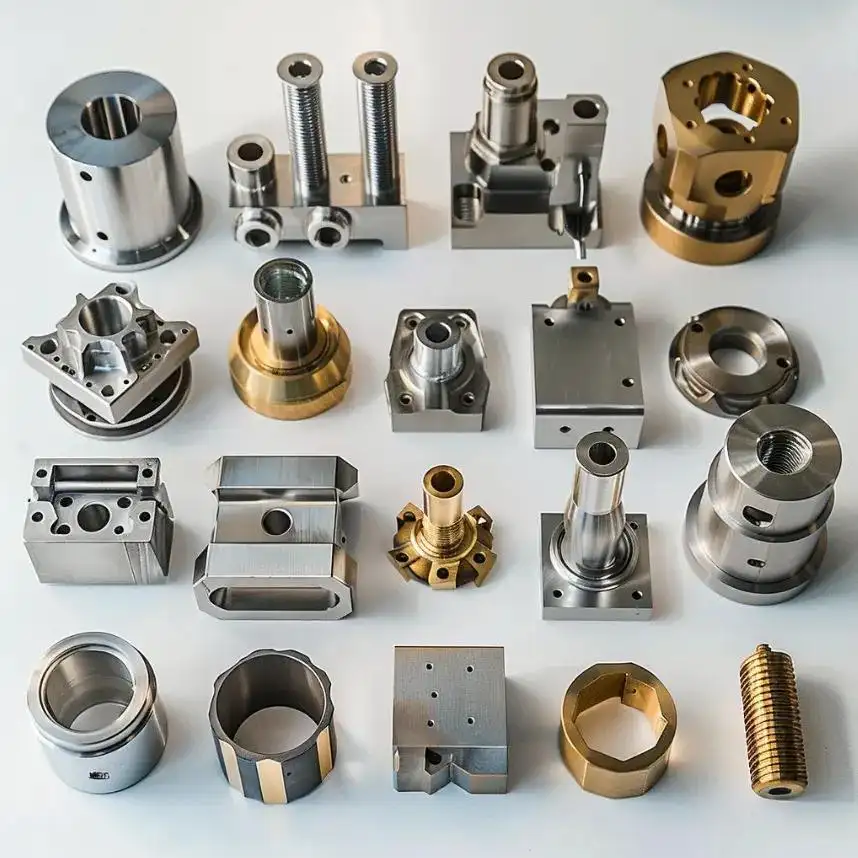
Custom aluminum machined parts showcase remarkable manufacturing versatility that accommodates virtually unlimited design possibilities and customization options to meet specific application requirements across diverse industries and technical challenges. Advanced multi-axis CNC machining centers enable the production of complex geometries with undercuts, internal features, and intricate contours that would be impossible to achieve through conventional manufacturing methods such as casting, forging, or sheet metal fabrication. The manufacturing process supports both simple geometric shapes and highly complex assemblies with multiple features integrated into single components, reducing part count and assembly complexity while improving overall system reliability and cost-effectiveness. Rapid prototyping capabilities allow engineers to iterate design concepts quickly, testing form, fit, and function before committing to production tooling or high-volume manufacturing, significantly reducing development time and associated costs. Batch size flexibility accommodates everything from single prototype units to high-volume production runs without requiring significant changes in setup or processing methods, making custom aluminum machined parts economically viable for diverse project scopes and market demands. Material selection options span the complete range of aluminum alloys, each offering specific property combinations optimized for particular applications, including high-strength aerospace alloys, corrosion-resistant marine grades, and specialized alloys for electronic or thermal management applications. Secondary operations integration allows manufacturers to incorporate additional processes such as threading, assembly, surface treatments, and quality testing within the same production facility, streamlining supply chains and reducing lead times while maintaining quality control throughout the entire manufacturing sequence. Design optimization services help customers maximize component performance while minimizing material usage and machining time, leveraging manufacturing expertise to achieve cost savings and performance improvements that may not be apparent during initial design phases. Tolerancing capabilities accommodate various precision requirements from general commercial tolerances to ultra-precision specifications demanded by aerospace and medical applications, ensuring that each component meets its intended function requirements without over-specification that increases costs unnecessarily. The ability to machine from solid billets eliminates joint lines, weld zones, and assembly interfaces that can compromise strength or create leak paths in pressure applications, providing superior reliability and performance compared to fabricated alternatives.