
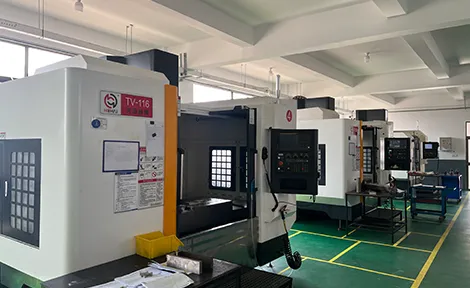
Custom aluminum machining represents a sophisticated manufacturing process that transforms raw aluminum materials into precisely engineered components tailored to specific requirements. This advanced fabrication technique combines computer-controlled machinery with skilled craftsmanship to produce parts that meet exact dimensional tolerances and performance specifications. The process encompasses various methods including CNC milling, turning, drilling, and surface finishing operations that work together to create components ranging from simple brackets to complex aerospace assemblies. Modern custom aluminum machining facilities utilize state-of-the-art equipment such as multi-axis CNC machines, automated tool changers, and precision measuring instruments to ensure consistent quality and accuracy. The technological foundation relies on computer-aided design software that translates engineering blueprints into machine-readable code, enabling manufacturers to produce identical parts with remarkable precision. Quality control systems monitor every stage of production, from material verification through final inspection, ensuring that each component meets stringent standards. The versatility of custom aluminum machining allows for the creation of prototypes, small batch production runs, and large-scale manufacturing operations. Advanced surface treatments including anodizing, powder coating, and chemical etching can be applied to enhance corrosion resistance and aesthetic appeal. Temperature control systems maintain optimal machining conditions, preventing thermal expansion that could compromise dimensional accuracy. Tool path optimization software maximizes efficiency while minimizing material waste and production time. The integration of robotic systems enables lights-out manufacturing capabilities, allowing continuous operation and improved productivity. Material handling systems ensure proper part positioning and secure workholding throughout the machining process. Real-time monitoring capabilities provide instant feedback on cutting tool performance and part quality, enabling immediate adjustments when necessary. This comprehensive approach to custom aluminum machining delivers superior results across diverse industrial applications while maintaining cost-effectiveness and production efficiency.
Custom aluminum machining offers exceptional precision that surpasses traditional manufacturing methods, delivering components with tolerances as tight as plus or minus 0.0001 inches. This level of accuracy ensures perfect fit and function in critical applications where even minor deviations can cause system failures. The process provides remarkable design flexibility, allowing engineers to create complex geometries that would be impossible or prohibitively expensive using other manufacturing techniques. Manufacturers can easily accommodate design changes without significant tooling costs, making custom aluminum machining ideal for iterative development processes and rapid prototyping. Cost efficiency emerges as a major benefit, particularly for medium to high-volume production runs where the initial setup costs are amortized across multiple parts. The elimination of expensive dies, molds, or specialized tooling reduces upfront investment while maintaining competitive per-piece pricing. Material waste reduction represents another significant advantage, as computer-controlled machining optimizes cutting paths to maximize material utilization and minimize scrap generation. This efficiency translates directly into cost savings and environmental benefits. Speed of production stands out as a crucial competitive advantage, with modern CNC equipment capable of producing complex parts in hours rather than days or weeks required by traditional methods. Rush orders can be accommodated without compromising quality, enabling businesses to respond quickly to market demands and customer requirements. Quality consistency remains unmatched in custom aluminum machining, where computer control eliminates human error and ensures every part meets identical specifications. Statistical process control systems monitor production parameters continuously, identifying potential issues before they affect part quality. The repeatability of CNC processes means that reorders produce parts identical to original specifications, regardless of when they are manufactured. Scalability provides exceptional value for growing businesses, as production volumes can be easily adjusted without major capital investments or lengthy setup procedures. Small prototype runs can seamlessly transition to full production without changing manufacturing processes or compromising part quality. Surface finish options expand design possibilities while enhancing functionality, with available treatments including precision grinding, polishing, and various coating applications. These finishing capabilities eliminate secondary operations while improving corrosion resistance, wear characteristics, and aesthetic appeal. Documentation and traceability features built into modern custom aluminum machining operations provide complete production records, essential for industries requiring certification and quality auditing capabilities.
Unmatched Precision and Dimensional Accuracy
The cornerstone of custom aluminum machining lies in its ability to achieve extraordinary precision that consistently exceeds industry standards across all manufacturing parameters. Modern CNC machining centers equipped with advanced feedback systems and precision measuring capabilities routinely produce components with dimensional tolerances within 0.0001 inches, representing accuracy levels that were previously unattainable through conventional manufacturing methods. This remarkable precision stems from the integration of high-resolution encoders, thermal compensation systems, and vibration-dampening technologies that eliminate external factors affecting machining accuracy. The computer-controlled nature of custom aluminum machining ensures that human error is virtually eliminated from the production equation, while sophisticated software algorithms optimize tool paths and cutting parameters for maximum precision. Real-time monitoring systems continuously track spindle performance, cutting tool wear, and workpiece positioning to maintain consistent accuracy throughout extended production runs. Temperature-controlled environments prevent thermal expansion and contraction that could compromise dimensional stability, while precision workholding fixtures ensure repeatable part positioning across multiple setups. Advanced metrology equipment including coordinate measuring machines and laser interferometers verify dimensional accuracy at multiple stages of production, providing documented proof of conformance to specifications. The cumulative effect of these precision-enhancing technologies enables manufacturers to produce complex aluminum components that function flawlessly in demanding applications such as aerospace assemblies, medical devices, and precision instrumentation. Quality assurance protocols built into custom aluminum machining operations include statistical process control monitoring that tracks dimensional variations over time, enabling proactive adjustments before tolerances drift outside acceptable limits. This commitment to precision excellence translates into reduced assembly time, improved product performance, and enhanced customer satisfaction across diverse industrial sectors where dimensional accuracy directly impacts operational success and safety requirements.
Exceptional Material Properties and Performance Benefits
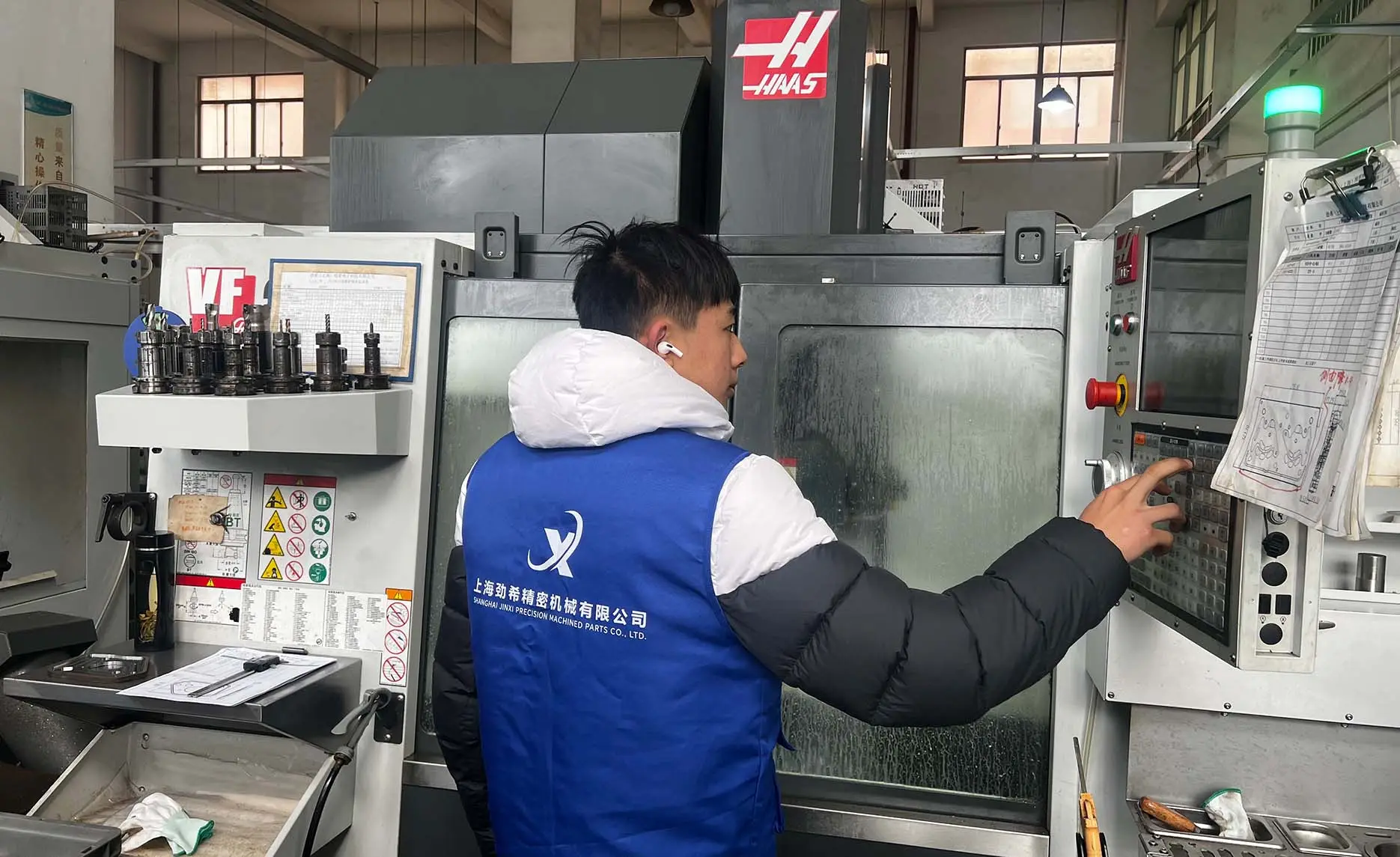
Custom aluminum machining unlocks the full potential of aluminum alloys by preserving and enhancing their inherent material properties while creating precisely engineered components that deliver superior performance characteristics. Aluminum’s exceptional strength-to-weight ratio makes it an ideal choice for applications where weight reduction is critical without compromising structural integrity, and custom machining techniques ensure these properties are maximized in finished components. The corrosion resistance naturally present in aluminum alloys is maintained and can be further enhanced through specialized surface treatments available as part of comprehensive custom aluminum machining services. Heat dissipation capabilities inherent in aluminum make it particularly valuable for thermal management applications, and precision machining ensures optimal surface area and thermal pathway configurations for maximum efficiency. Electrical conductivity properties are preserved during the machining process, making custom aluminum components ideal for electronic enclosures, heat sinks, and conductive pathways in various industrial applications. The machinability characteristics of aluminum alloys enable rapid material removal rates and excellent surface finishes, resulting in reduced production times and superior aesthetic appeal without additional finishing operations. Fatigue resistance properties crucial for cyclically loaded components are maintained through proper machining techniques that avoid stress concentrations and surface imperfections that could compromise long-term performance. Custom aluminum machining processes can be tailored to specific alloy compositions, taking advantage of unique properties such as the high strength of 7075 alloy or the excellent formability of 6061 alloy. Stress-relieving procedures integrated into custom aluminum machining operations ensure dimensional stability over time, preventing warping or distortion that could affect assembly tolerances or component function. The ability to machine complex internal geometries and thin-wall sections while maintaining structural integrity opens new possibilities for lightweight design optimization and material efficiency improvements that directly impact product performance and cost-effectiveness.
Rapid Prototyping and Design Iteration Capabilities
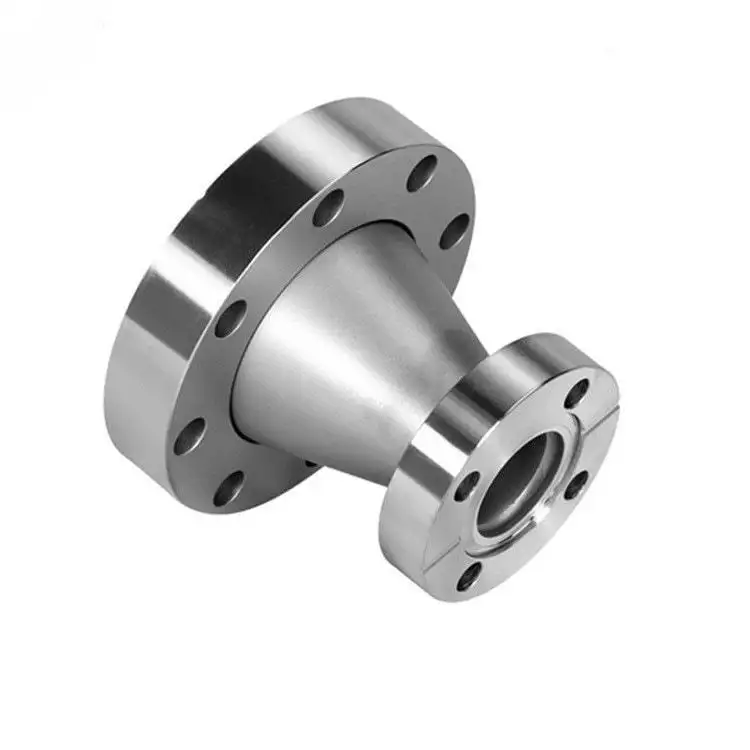
Custom aluminum machining serves as the ultimate enabler of rapid prototyping and iterative design development, providing engineers and product developers with unparalleled speed and flexibility in bringing concepts to reality. Unlike traditional manufacturing methods that require expensive tooling and lengthy setup procedures, custom aluminum machining can transform digital designs into physical prototypes within hours of receiving specifications, dramatically accelerating product development timelines. The elimination of tooling requirements means that design modifications can be implemented immediately without incurring additional costs or delays, enabling true iterative development where multiple design variations can be tested and refined in rapid succession. Computer-aided manufacturing software integrated with custom aluminum machining operations allows for seamless transition from CAD models to finished prototypes, minimizing the potential for translation errors while maximizing design fidelity. The ability to produce fully functional prototypes with production-quality surface finishes and material properties enables comprehensive testing and validation that accurately predicts final product performance. Complex assemblies can be prototyped with precision-matched components that demonstrate actual fit and function relationships, identifying potential issues early in the development process when corrections are most cost-effective. Custom aluminum machining capabilities extend to producing prototype tooling and fixtures required for testing and evaluation procedures, further streamlining the development process while reducing external dependencies. Material selection flexibility allows prototypes to be manufactured from the same aluminum alloys intended for production, ensuring that test results accurately reflect final product characteristics and performance parameters. Documentation capabilities built into custom aluminum machining operations provide complete traceability of prototype iterations, enabling design teams to track changes and improvements systematically throughout the development cycle. The scalability of custom aluminum machining means that successful prototype designs can seamlessly transition to pilot production and full-scale manufacturing without process changes or quality compromises, ensuring continuity from concept through commercialization while maintaining design integrity and performance specifications throughout the entire product lifecycle.