
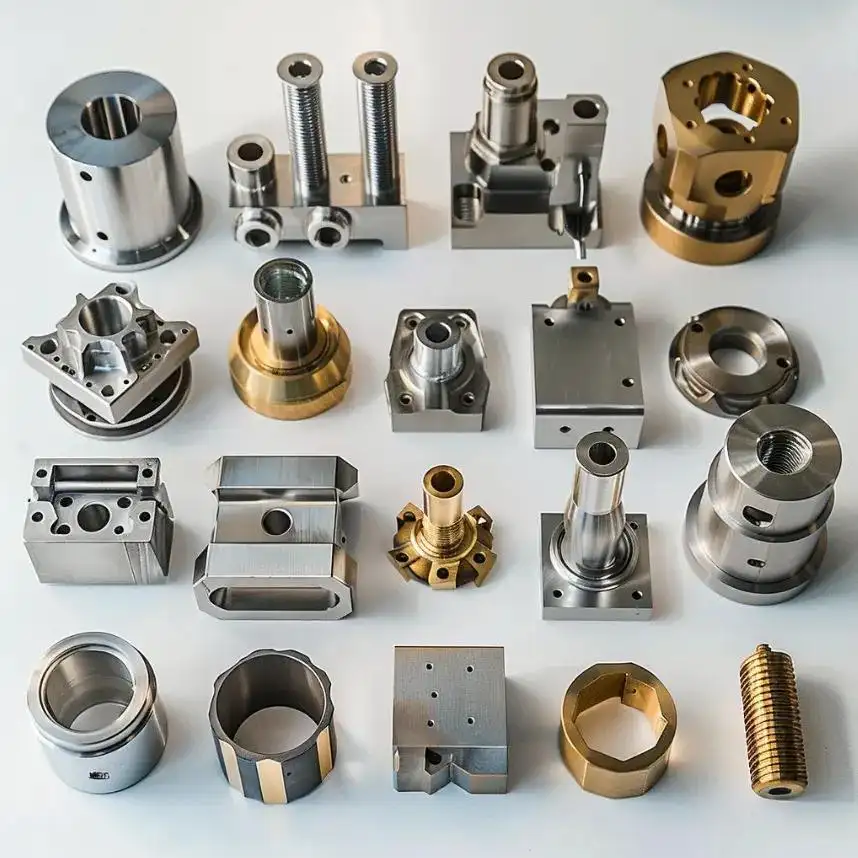
Custom aluminum milling represents a sophisticated manufacturing process that transforms raw aluminum materials into precisely engineered components tailored to specific requirements. This advanced machining technique utilizes computer-controlled cutting tools to remove material from aluminum workpieces, creating complex geometries, intricate features, and tight tolerances that meet exact specifications. The process combines traditional machining principles with modern CNC technology, enabling manufacturers to produce high-quality aluminum parts across diverse industries. Custom aluminum milling encompasses various operations including face milling, peripheral milling, slot cutting, drilling, and contouring, all performed with exceptional accuracy and repeatability. The technological foundation of custom aluminum milling relies on sophisticated CNC machines equipped with multi-axis capabilities, allowing for simultaneous machining operations from multiple angles. These systems integrate advanced software programming, precision tooling, and real-time monitoring to ensure consistent quality throughout production runs. The process begins with detailed CAD drawings and specifications, which are converted into machine code that directs the milling equipment through precise cutting paths. Modern custom aluminum milling operations utilize high-speed machining techniques, optimized cutting parameters, and specialized aluminum-specific tooling to maximize efficiency while maintaining surface finish quality. Temperature control systems and flood coolant applications prevent material distortion and extend tool life during extended machining cycles. The versatility of custom aluminum milling enables production of components ranging from simple brackets and housings to complex aerospace parts, medical devices, and automotive components. Industries rely on this process for prototyping, low-volume production, and high-volume manufacturing of aluminum parts that require exceptional dimensional accuracy, smooth surface finishes, and consistent mechanical properties that cannot be achieved through alternative manufacturing methods.
Custom aluminum milling delivers substantial benefits that make it an preferred choice for manufacturers seeking reliable, cost-effective production solutions. The process offers exceptional dimensional accuracy, typically achieving tolerances within ±0.001 inches, ensuring components fit perfectly within assemblies without costly modifications or adjustments. This precision eliminates the need for secondary machining operations, reducing production time and overall manufacturing costs significantly. The versatility of custom aluminum milling allows manufacturers to produce complex geometries, undercuts, and intricate features in a single setup, minimizing handling requirements and maintaining consistent quality throughout the manufacturing process. Material utilization efficiency represents another major advantage, as the subtractive nature of milling allows for optimal material usage while generating recyclable aluminum chips that can be reprocessed, reducing waste and environmental impact. Custom aluminum milling accommodates a wide range of aluminum alloys, from soft commercial grades to high-strength aerospace materials, providing flexibility to select the most appropriate material for specific applications. The process delivers superior surface finishes directly from the machine, often eliminating the need for additional finishing operations such as grinding or polishing, which saves time and reduces production costs. Rapid prototyping capabilities enable quick design validation and testing, allowing engineers to identify potential issues early in the development cycle and make necessary adjustments before committing to full production runs. Custom aluminum milling offers scalability from single prototypes to high-volume production runs without significant setup changes, providing consistent quality regardless of quantity requirements. The process maintains excellent repeatability, ensuring each part meets identical specifications throughout extended production campaigns. Lead times are typically shorter compared to alternative manufacturing methods, as custom aluminum milling requires minimal tooling preparation and can begin production quickly after receiving specifications. Quality control integration throughout the machining process enables real-time monitoring and immediate corrections, preventing defective parts from advancing through production stages and ensuring consistent output quality that meets or exceeds customer expectations.
Precision Engineering Excellence
Custom aluminum milling achieves unprecedented levels of precision that set new standards for manufacturing accuracy and quality control. This exceptional precision stems from advanced CNC machining centers equipped with high-resolution feedback systems, precision linear guides, and thermal compensation technologies that maintain dimensional stability throughout extended machining cycles. The process consistently delivers tolerances within ±0.0005 inches on critical dimensions, enabling the production of components that meet the most demanding specifications required by aerospace, medical, and electronics industries. Precision engineering excellence in custom aluminum milling extends beyond dimensional accuracy to encompass surface finish quality, with Ra values typically ranging from 32 to 125 microinches depending on application requirements. This level of surface quality often eliminates the need for secondary finishing operations, reducing production time and costs while maintaining the highest quality standards. The precision capabilities enable manufacturers to create complex internal passages, thin-walled sections, and intricate geometric features that would be impossible or extremely difficult to achieve through other manufacturing methods. Advanced tool path optimization software calculates the most efficient cutting strategies to minimize tool deflection, reduce vibration, and maintain consistent chip loads throughout the machining process. Temperature monitoring and control systems prevent thermal expansion that could compromise dimensional accuracy, while precision workholding fixtures ensure repeatable part positioning for consistent results across production runs. The integration of in-process measurement systems allows for real-time verification of critical dimensions, enabling immediate adjustments to maintain tight tolerances throughout the manufacturing cycle. This precision engineering excellence translates directly into reduced assembly time, improved product performance, and enhanced customer satisfaction, as components fit perfectly within assemblies without modification or adjustment requirements.
Material Versatility and Optimization
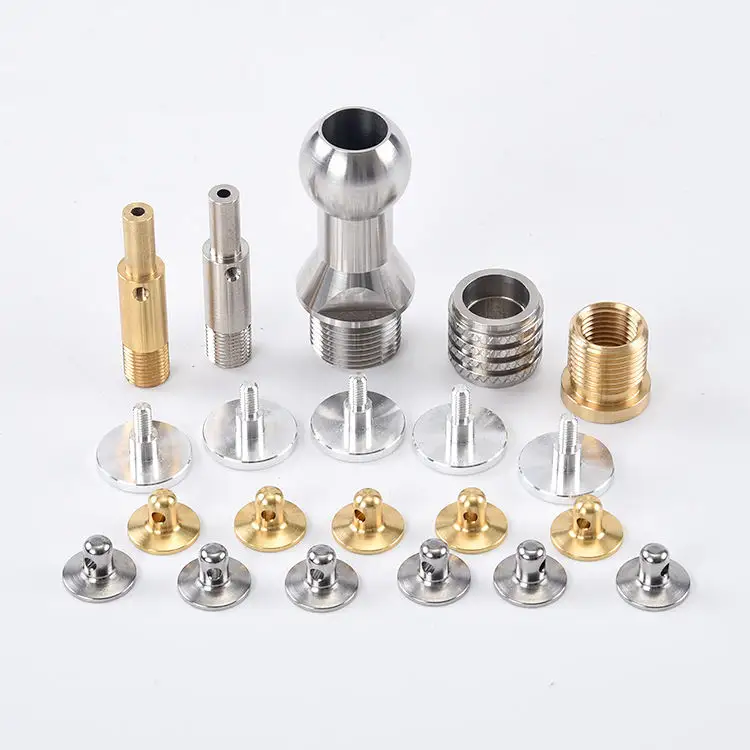
Custom aluminum milling demonstrates exceptional material versatility, accommodating an extensive range of aluminum alloys while optimizing machining parameters for each specific material grade to maximize performance and efficiency. This comprehensive material capability spans from soft, easily machinable alloys like 6061 and 6063 to high-strength aerospace grades such as 7075 and 2024, each requiring specialized cutting strategies, tooling selection, and process parameters to achieve optimal results. The material optimization approach involves careful analysis of each aluminum alloy’s characteristics, including hardness, thermal conductivity, chip formation tendencies, and work-hardening behavior, enabling machinists to select the most appropriate cutting speeds, feed rates, and tool geometries for superior performance. Specialized aluminum cutting tools with optimized rake angles, clearance angles, and coatings are employed to maximize tool life while maintaining excellent surface finish quality and dimensional accuracy throughout the machining process. The process accommodates both wrought and cast aluminum materials, adapting machining strategies to address the unique challenges presented by each material type, such as porosity in cast materials or directional properties in wrought products. Material optimization extends to coolant selection and application methods, with specialized aluminum cutting fluids that provide superior lubrication, heat dissipation, and chip evacuation while preventing aluminum buildup on cutting tools. Custom aluminum milling operations utilize advanced chip management systems that efficiently evacuate aluminum chips from the cutting zone, preventing recutting and surface damage while maintaining consistent cutting conditions throughout the machining cycle. The material versatility enables manufacturers to select the most cost-effective aluminum grade that meets performance requirements without over-specifying expensive alloys where standard grades would suffice. This optimization approach results in significant material cost savings while ensuring components meet all functional requirements, strength specifications, and environmental resistance standards demanded by specific applications.
Rapid Prototyping and Production Flexibility
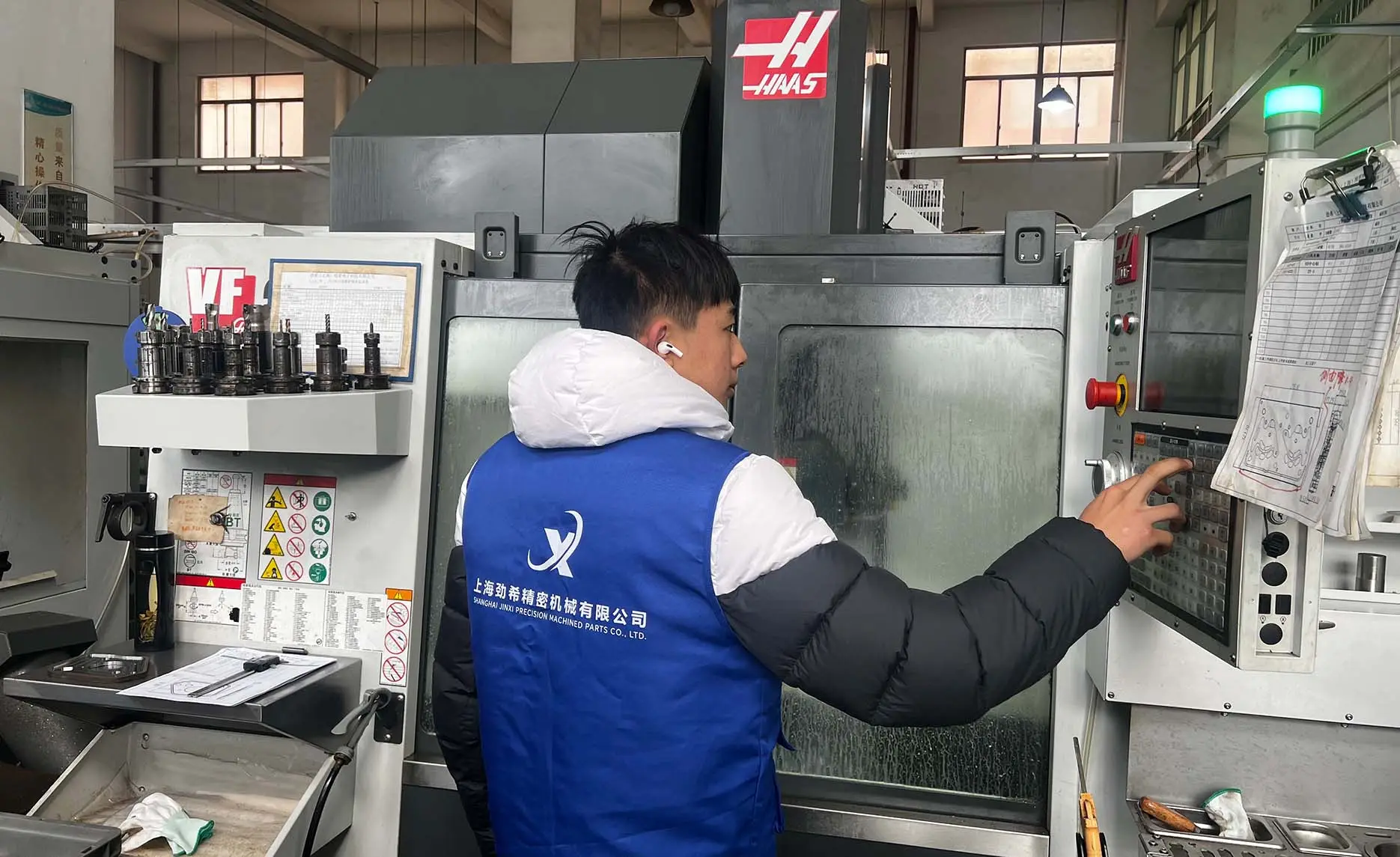
Custom aluminum milling excels in providing rapid prototyping capabilities and production flexibility that enable manufacturers to respond quickly to design changes, market demands, and customer requirements while maintaining consistent quality standards throughout varying production volumes. The rapid prototyping advantage stems from the minimal setup requirements and direct translation of CAD designs into machine code, allowing production to begin within hours of receiving specifications rather than weeks required for tooling-dependent processes. This speed-to-market capability proves invaluable during product development cycles, enabling engineers to validate designs, test form and fit, and evaluate performance characteristics using actual production materials rather than substitute materials that may not accurately represent final product behavior. The flexibility of custom aluminum milling accommodates design modifications and revisions without significant cost penalties or time delays, as changes can be implemented through software updates rather than expensive tooling modifications or replacements. Production volume flexibility represents another significant advantage, as the same setup and programming can efficiently produce single prototypes, small batches for market testing, or full production runs without compromising quality or requiring different manufacturing approaches. This scalability eliminates the traditional barriers between prototyping and production, allowing seamless transition from development to manufacturing while maintaining consistent part quality and dimensional accuracy. The process accommodates rush orders and expedited delivery requirements through flexible scheduling and rapid setup capabilities, enabling manufacturers to meet tight deadlines and respond to urgent customer needs without sacrificing quality standards. Advanced programming software allows for rapid optimization of cutting strategies, tool paths, and cycle times, enabling continuous improvement in efficiency and productivity while maintaining the flexibility to accommodate unique requirements or special features. The production flexibility extends to batch size optimization, allowing manufacturers to produce exactly the quantities needed without minimum order requirements or excessive inventory investments, resulting in improved cash flow and reduced storage costs while ensuring product availability when needed.