
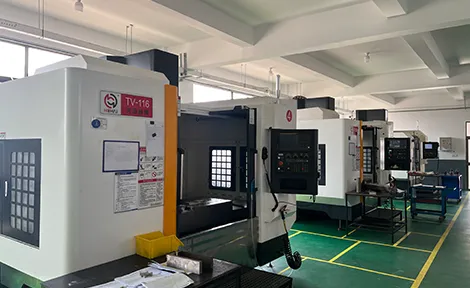
Custom CNC aluminum parts represent the pinnacle of precision manufacturing technology, offering unparalleled versatility and quality for diverse industrial applications. These components are produced through computer numerical control machining processes that transform raw aluminum stock into precisely engineered parts according to exact customer specifications. The CNC machining process utilizes advanced cutting tools and automated systems to achieve tolerances as tight as ±0.0005 inches, ensuring consistent quality and dimensional accuracy across production runs. Custom CNC aluminum parts serve critical functions in industries ranging from aerospace and automotive to electronics and medical devices, where reliability and precision are paramount. The technological features of custom CNC aluminum parts include multi-axis machining capabilities, enabling the creation of complex geometries that would be impossible with traditional manufacturing methods. Modern CNC centers can operate on up to 5 axes simultaneously, allowing for intricate cuts, holes, and surface finishes in a single setup. This technology eliminates the need for multiple fixtures and reduces production time while maintaining exceptional accuracy. The aluminum material itself contributes significantly to the parts’ performance characteristics, offering an excellent strength-to-weight ratio, superior corrosion resistance, and excellent thermal conductivity. These properties make custom CNC aluminum parts ideal for applications requiring lightweight yet durable components. The applications for custom CNC aluminum parts span virtually every manufacturing sector. In aerospace, these parts are used for structural components, brackets, and housings where weight reduction is critical. Automotive manufacturers rely on custom CNC aluminum parts for engine components, transmission housings, and suspension elements. The electronics industry utilizes these parts for heat sinks, enclosures, and connector housings. Medical device manufacturers depend on custom CNC aluminum parts for surgical instruments, diagnostic equipment housings, and implantable device components. The versatility of the machining process allows for rapid prototyping and production scalability, making custom CNC aluminum parts suitable for both low-volume specialty applications and high-volume manufacturing runs.
Custom CNC aluminum parts deliver exceptional value through numerous practical benefits that directly impact manufacturing efficiency and product performance. The primary advantage lies in the precision and consistency achievable through computer-controlled machining processes. Unlike manual machining operations, CNC systems eliminate human error and produce identical parts with repeatable accuracy, reducing quality control costs and minimizing waste. This precision translates directly into better-fitting assemblies, reduced assembly time, and improved overall product reliability. The speed of production represents another significant advantage of custom CNC aluminum parts. Modern CNC machines operate continuously with minimal supervision, allowing for 24-hour production cycles that dramatically reduce lead times compared to conventional manufacturing methods. This rapid turnaround capability enables manufacturers to respond quickly to market demands and maintain competitive delivery schedules. Cost-effectiveness emerges as a key benefit when considering the total manufacturing equation. While initial setup costs may appear higher than traditional methods, custom CNC aluminum parts eliminate numerous secondary operations such as drilling, tapping, and finishing that would otherwise require separate equipment and labor. The ability to complete complex parts in a single setup reduces handling costs and minimizes the risk of damage during transfer between operations. The material properties of aluminum provide additional economic advantages through reduced shipping costs due to lighter weight and lower material costs compared to steel or titanium alternatives. Design flexibility stands as a cornerstone advantage of custom CNC aluminum parts. Engineers can create complex internal geometries, undercuts, and intricate surface features that would be impossible or prohibitively expensive with other manufacturing methods. This design freedom enables optimization of part function while potentially consolidating multiple components into single, more efficient designs. The ability to modify designs quickly through programming changes rather than tooling modifications reduces development costs and accelerates time-to-market for new products. Quality consistency remains unmatched with custom CNC aluminum parts. Each component meets identical specifications regardless of production volume or timing, ensuring reliable performance across entire product lines. This consistency reduces field failures, warranty claims, and customer dissatisfaction while building brand reputation for reliability. The aluminum material itself contributes to longevity through excellent corrosion resistance and fatigue properties, resulting in longer service life and reduced replacement costs. Environmental benefits also factor into the advantages of custom CNC aluminum parts. Aluminum is highly recyclable, and CNC machining produces minimal waste compared to casting or forging processes. The energy efficiency of modern CNC machines, combined with the recyclability of aluminum chips and scrap, creates a more sustainable manufacturing process that appeals to environmentally conscious customers and regulatory requirements.
Unmatched Precision and Dimensional Accuracy
The precision capabilities of custom CNC aluminum parts set the industry standard for dimensional accuracy and surface finish quality. Advanced CNC machining centers achieve tolerances as tight as ±0.0001 inches, a level of precision that ensures perfect fit and function in critical applications. This extraordinary accuracy results from the computer-controlled nature of the manufacturing process, where every cut, drill, and surface finish is executed according to precise digital instructions without variation or human interpretation. The importance of this precision cannot be overstated in industries where component failure can have catastrophic consequences. In aerospace applications, custom CNC aluminum parts must meet stringent safety requirements where even microscopic deviations from specifications can compromise structural integrity. Medical device manufacturers depend on this precision for implantable components where biocompatibility and exact fit are literally matters of life and death. The automotive industry relies on this accuracy for engine components where tolerances directly affect performance, fuel efficiency, and emissions compliance. The technological foundation enabling this precision includes advanced servo motors, linear encoders, and sophisticated control systems that monitor and adjust cutting parameters in real-time. Tool compensation systems automatically adjust for tool wear, maintaining consistent dimensions throughout production runs. Temperature compensation features account for thermal expansion and contraction, ensuring accuracy even as machines warm up during operation. Multi-point inspection systems integrated into the machining process provide continuous quality verification, catching potential issues before they affect part quality. The value proposition of this precision extends beyond mere dimensional compliance to encompass reduced assembly costs, improved product performance, and enhanced customer satisfaction. Parts that fit correctly the first time eliminate costly rework, reduce assembly labor, and minimize quality-related delays. The consistency of precision across production quantities means that customers can rely on identical performance from every component, whether ordering prototypes or production quantities. This reliability enables just-in-time manufacturing strategies and reduces inventory requirements while maintaining production flexibility.
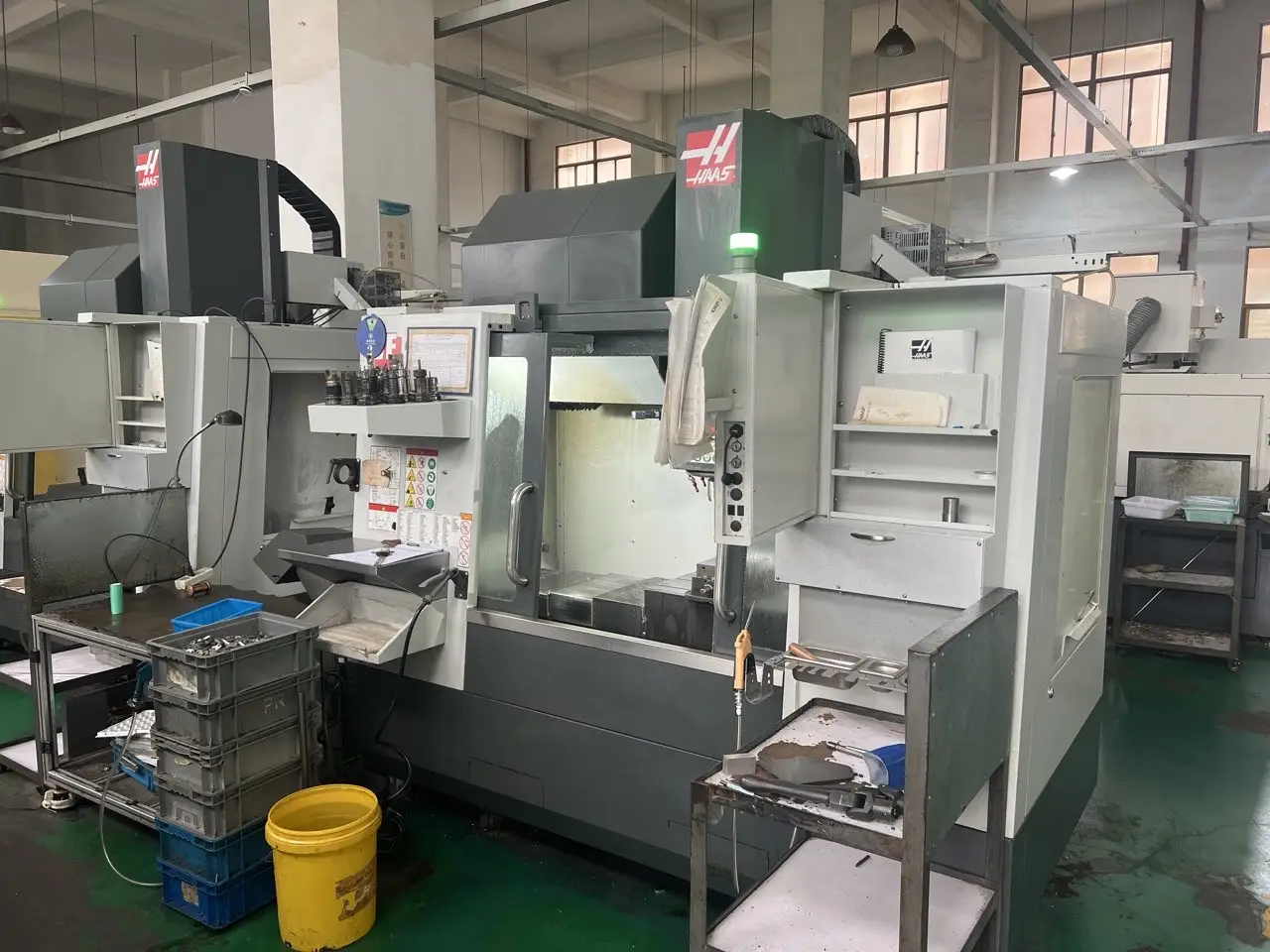
Superior Material Properties and Performance Characteristics
The aluminum material used in custom CNC aluminum parts provides an optimal combination of mechanical properties, environmental resistance, and processing characteristics that deliver exceptional performance across diverse applications. Aluminum alloys offer strength-to-weight ratios that often exceed steel while providing significantly better corrosion resistance and thermal conductivity. These properties make custom CNC aluminum parts ideal for applications where weight reduction is critical, such as aerospace structures, automotive components, and portable equipment. The specific alloy selection process considers the intended application requirements, with options ranging from pure aluminum for electrical conductivity applications to high-strength aerospace alloys for structural components. The corrosion resistance of aluminum provides long-term durability advantages that reduce maintenance costs and extend service life. Unlike steel components that require protective coatings or regular maintenance to prevent rust, custom CNC aluminum parts maintain their integrity in harsh environments without additional protection. This natural corrosion resistance proves particularly valuable in marine applications, chemical processing equipment, and outdoor installations where exposure to moisture and corrosive substances is unavoidable. The thermal properties of aluminum create unique advantages for heat dissipation applications. Custom CNC aluminum parts excel in electronic enclosures, LED lighting fixtures, and power electronics where efficient heat transfer is essential for proper operation and component longevity. The excellent thermal conductivity of aluminum, combined with the ability to machine complex cooling fins and heat transfer surfaces, enables optimal thermal management solutions that enhance product performance and reliability. The machinability characteristics of aluminum contribute significantly to the quality and efficiency of custom CNC aluminum parts production. Aluminum machines cleanly with excellent surface finishes achievable directly from the cutting process, often eliminating the need for secondary finishing operations. The material’s forgiving nature allows for high cutting speeds and feeds, reducing production time while maintaining quality. The chip formation characteristics of aluminum facilitate efficient coolant flow and chip evacuation, contributing to longer tool life and consistent surface quality. Environmental considerations increasingly influence material selection decisions, and aluminum’s recyclability provides sustainability advantages that align with corporate environmental goals and regulatory requirements. Custom CNC aluminum parts can be manufactured from recycled content without compromising performance characteristics, and end-of-life components can be recycled indefinitely without material degradation. This circular lifecycle approach reduces environmental impact while potentially providing cost advantages through material sourcing flexibility.
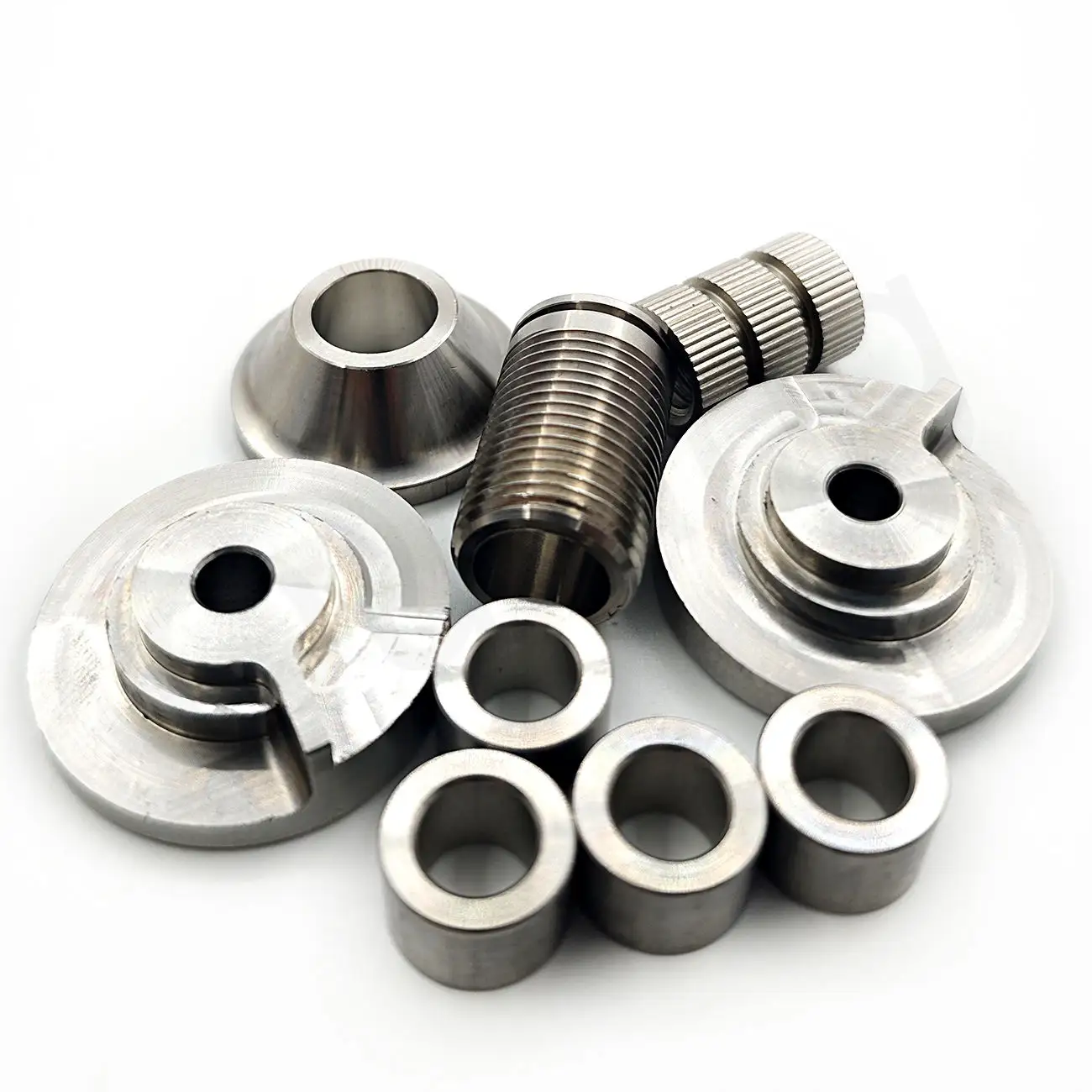
Rapid Prototyping and Production Scalability
The scalability and flexibility of custom CNC aluminum parts manufacturing processes provide unmatched advantages for companies navigating dynamic market conditions and evolving product requirements. This manufacturing approach seamlessly transitions from prototype development through low-volume production to high-volume manufacturing without requiring significant tooling investments or process changes. The programmable nature of CNC machining eliminates the need for expensive dedicated tooling, allowing rapid iteration during product development phases and quick response to design modifications or market feedback. The rapid prototyping capabilities of custom CNC aluminum parts enable accelerated product development cycles that provide competitive advantages in fast-moving markets. Engineers can test form, fit, and function with production-intent materials and processes, eliminating the uncertainties associated with prototype materials that differ from production specifications. This capability reduces development risk and enables more confident design decisions while shortening time-to-market intervals that are critical for commercial success. The ability to produce functional prototypes within days rather than weeks allows for iterative design improvements and validation testing that would be impractical with traditional manufacturing methods. Production scalability represents a fundamental advantage of custom CNC aluminum parts manufacturing that provides flexibility as business requirements evolve. Companies can begin with small quantities to test market acceptance, then seamlessly increase production volumes without process changes or quality compromises. This scalability eliminates the traditional barriers between prototype and production phases, where different manufacturing processes often introduce variables that affect part performance and quality. The consistent process parameters and material properties ensure that production parts perform identically to prototypes, reducing the risk of unexpected issues during volume production ramp-up. The economic benefits of this scalability approach include reduced inventory risks and improved cash flow management. Companies can maintain minimal inventory levels while retaining the ability to respond quickly to demand fluctuations or rush orders. The elimination of minimum order quantities associated with traditional manufacturing methods provides financial flexibility, particularly beneficial for companies introducing new products or serving niche markets with unpredictable demand patterns. The programming-based manufacturing approach enables rapid changeovers between different part configurations, maximizing equipment utilization and reducing per-part costs even for small quantities. Quality consistency across all production volumes ensures that customer expectations established during prototype and initial production phases are maintained throughout the product lifecycle. This consistency builds customer confidence and brand reputation while reducing warranty claims and field service requirements that can erode profitability and market position.