
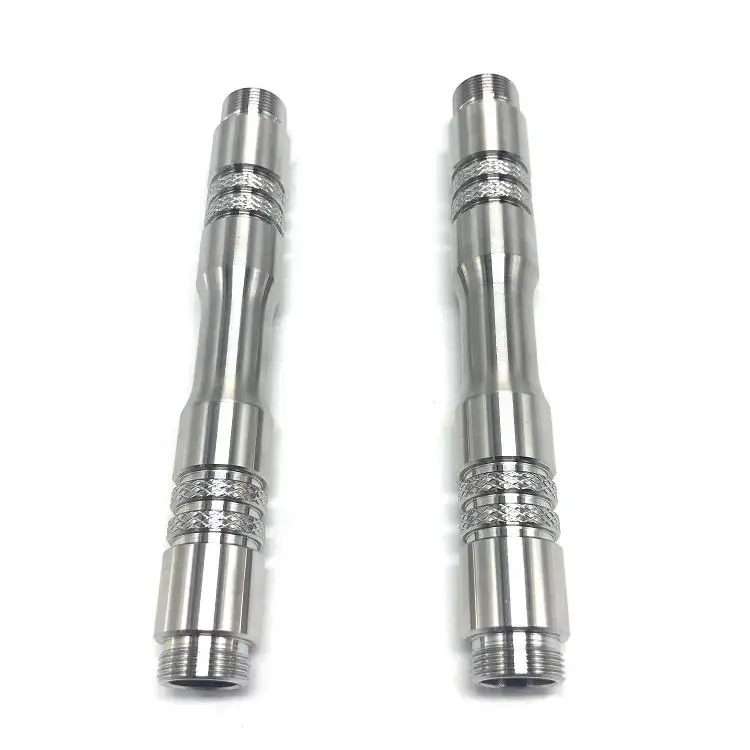
Custom CNC service represents a sophisticated manufacturing solution that transforms raw materials into precision-engineered components through computer-controlled machining processes. This advanced manufacturing approach utilizes state-of-the-art Computer Numerical Control technology to deliver highly accurate parts tailored to specific client requirements. The custom CNC service encompasses a comprehensive range of machining operations, including milling, turning, drilling, and grinding, all executed with exceptional precision and repeatability. Modern CNC systems integrate cutting-edge software platforms that translate digital designs into precise toolpath instructions, enabling the production of complex geometries that would be impossible to achieve through traditional manufacturing methods. The technological foundation of custom CNC service relies on multi-axis machining centers equipped with sophisticated spindle systems, advanced tool changers, and real-time monitoring capabilities. These systems can accommodate various materials ranging from aluminum and steel to exotic alloys and engineering plastics. The service typically includes comprehensive project consultation, design optimization, prototype development, and full-scale production runs. Quality assurance protocols are embedded throughout the process, incorporating coordinate measuring machines and statistical process control to ensure dimensional accuracy and surface finish requirements. Custom CNC service applications span numerous industries, including aerospace, automotive, medical devices, electronics, and defense sectors. In aerospace applications, the service produces critical flight components such as turbine blades, structural brackets, and landing gear components. Automotive manufacturers rely on custom CNC service for engine blocks, transmission housings, and suspension components. Medical device companies utilize these services for surgical instruments, implants, and diagnostic equipment housings. The electronics industry benefits from precision enclosures, heat sinks, and connector components. Defense applications include weapon systems components, radar assemblies, and vehicle armor plating.
Custom CNC service delivers exceptional precision that surpasses traditional manufacturing methods, achieving tolerances as tight as plus or minus 0.0001 inches consistently across production runs. This remarkable accuracy eliminates the need for extensive secondary operations and reduces assembly complications significantly. Manufacturers save substantial costs by avoiding expensive tooling investments typically required for conventional machining approaches. The service provides immediate access to advanced equipment worth millions of dollars without capital expenditure commitments. Lead times decrease dramatically because custom CNC service eliminates lengthy tooling design and fabrication phases. Projects move from concept to finished parts within days rather than weeks or months. Material utilization improves substantially through optimized cutting strategies and minimal waste generation, reducing raw material costs by up to thirty percent compared to alternative methods. The flexibility inherent in custom CNC service allows rapid design modifications without costly retooling expenses. Engineers can iterate designs quickly, testing multiple configurations efficiently before finalizing production specifications. Quality consistency remains unmatched because computer-controlled processes eliminate human error variables that plague manual operations. Each part emerges identical to programmed specifications, ensuring reliable assembly processes and consistent product performance. Custom CNC service accommodates both prototype quantities and high-volume production runs seamlessly, providing scalability that traditional job shops cannot match. Small batches receive the same attention to detail as large orders, making it ideal for specialized applications and custom products. The service supports complex geometries impossible to achieve through conventional machining, enabling innovative designs that enhance product functionality and performance. Multi-axis capabilities allow complete part finishing in single setups, reducing handling time and improving dimensional relationships between features. Documentation and traceability systems provide complete manufacturing records, supporting quality audits and regulatory compliance requirements. Advanced programming capabilities optimize cutting parameters automatically, maximizing tool life and minimizing cycle times. This optimization translates directly into cost savings and faster delivery schedules for customers.
Advanced Multi-Axis Machining Capabilities
Custom CNC service leverages cutting-edge multi-axis machining technology that revolutionizes component manufacturing through simultaneous control of multiple cutting tool movements. This advanced capability enables the production of highly complex geometries in single machine setups, dramatically reducing production time and improving dimensional accuracy. Five-axis and six-axis machining centers form the backbone of modern custom CNC service operations, allowing cutting tools to approach workpieces from virtually any angle. This flexibility proves invaluable for manufacturing components with intricate contours, undercuts, and internal features that would require multiple setups on conventional equipment. The technology excels in producing aerospace components such as impellers, turbine blades, and structural brackets where complex curves and precise surface finishes are critical. Medical device manufacturers benefit enormously from these capabilities when producing orthopedic implants, surgical instruments, and prosthetic components that demand exceptional surface quality and biocompatibility. The simultaneous multi-axis movement eliminates the need for part repositioning between operations, maintaining consistent reference points throughout the machining process. This approach significantly reduces cumulative positioning errors that typically occur when transferring parts between multiple machines or setups. Custom CNC service providers utilize advanced CAM software that automatically generates optimized toolpaths for multi-axis operations, considering factors such as tool accessibility, surface finish requirements, and material removal rates. The software analyzes part geometry and automatically selects appropriate cutting strategies to minimize machining time while maintaining quality standards. Collision detection algorithms prevent tool damage and ensure operator safety during complex machining operations. Real-time monitoring systems track cutting forces, spindle loads, and vibration levels to optimize cutting parameters continuously. This intelligent approach extends tool life, improves surface finishes, and reduces cycle times substantially compared to traditional machining methods.
Rapid Prototyping and Design Iteration
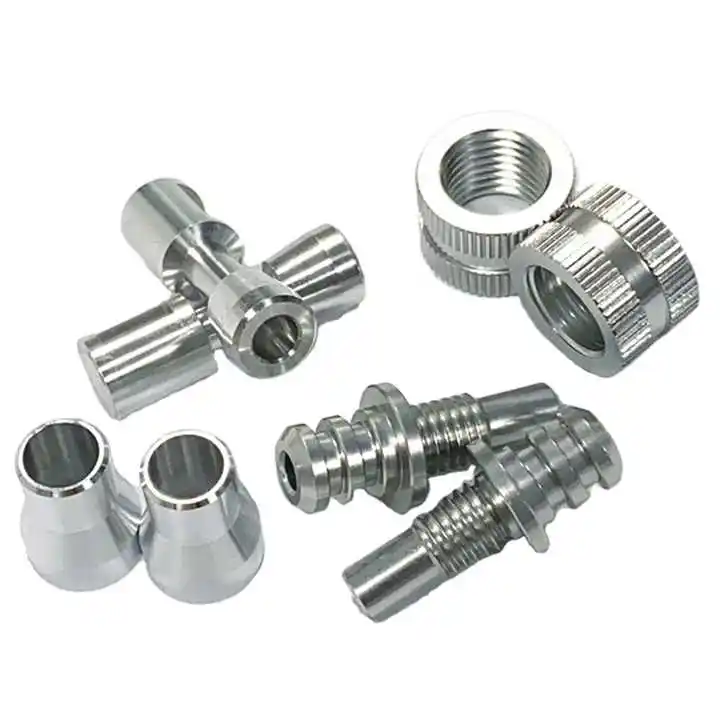
Custom CNC service excels in rapid prototyping applications where speed and accuracy are paramount for product development success. This capability transforms conceptual designs into tangible prototypes within hours rather than weeks, accelerating development cycles significantly. Engineering teams can validate design concepts quickly, identifying potential issues before committing to expensive production tooling. The service eliminates traditional barriers between design and manufacturing, enabling seamless transitions from CAD models to physical parts. Advanced programming techniques allow immediate implementation of design changes without lengthy setup procedures or tooling modifications. Design engineers can explore multiple iterations rapidly, testing various configurations to optimize performance characteristics. This iterative approach proves invaluable in industries where form and function must align perfectly, such as consumer electronics, automotive components, and industrial equipment. Custom CNC service supports various materials during prototyping phases, allowing engineers to test parts using actual production materials rather than substitute materials that may behave differently. This material authenticity provides more accurate performance data and reduces uncertainty when transitioning to full production. The service accommodates both aesthetic prototypes for marketing purposes and functional prototypes for engineering validation. Surface finish capabilities range from rough machined surfaces for fit testing to mirror-polished surfaces suitable for customer presentations. Complex assemblies can be prototyped completely, including multiple components that interface with tight tolerances. This comprehensive approach identifies assembly issues early in the development process, preventing costly modifications during production phases. Documentation generated during prototype manufacturing provides valuable insights for production planning, including cycle time estimates, material requirements, and quality considerations. Engineers receive detailed reports covering dimensional analysis, surface finish measurements, and material property verification. These comprehensive reports support design validation processes and regulatory submissions where required. The flexibility of custom CNC service allows prototype quantities ranging from single pieces to small production runs, supporting various development strategies and market testing requirements.
Comprehensive Quality Assurance and Certification
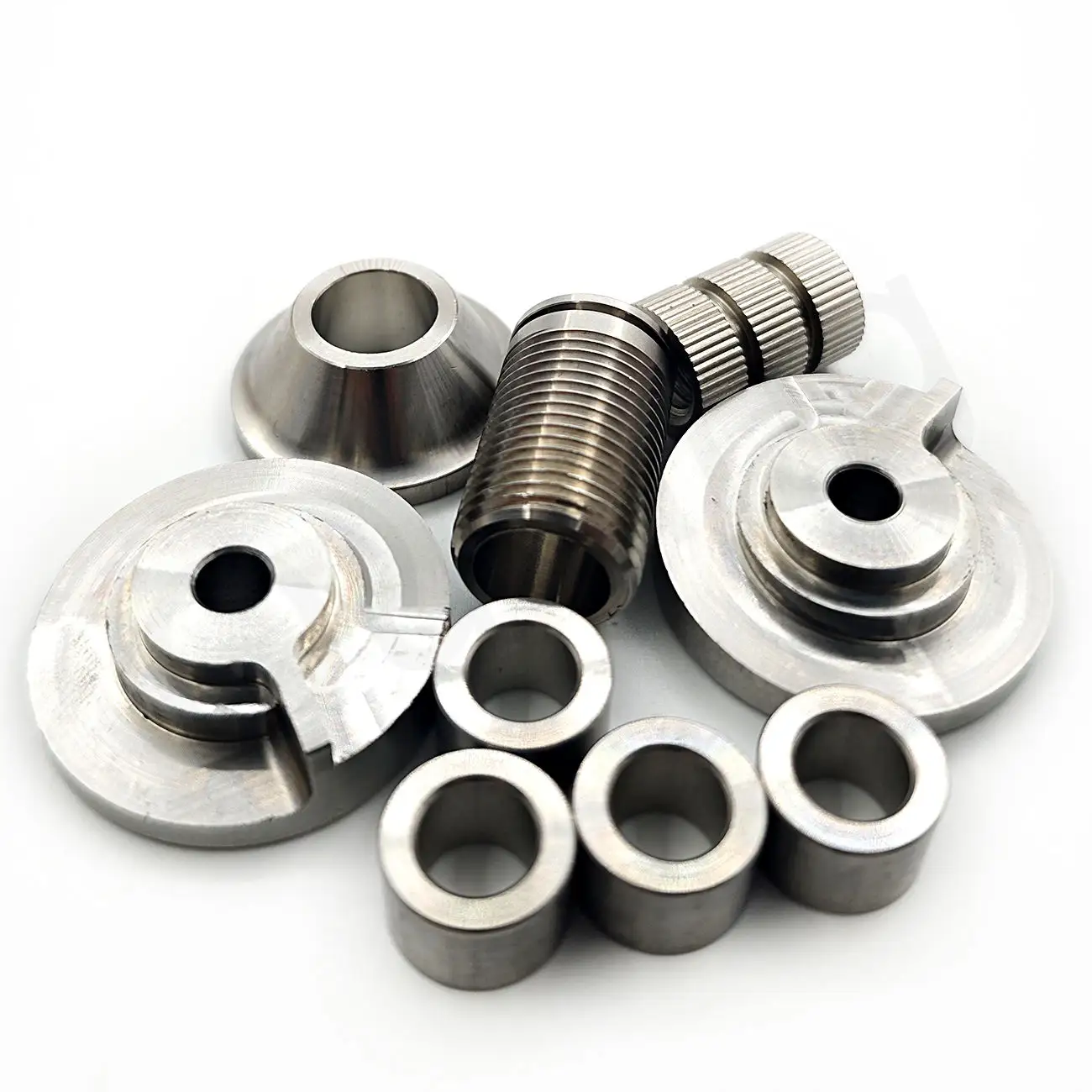
Custom CNC service incorporates rigorous quality assurance protocols that exceed industry standards and meet the most demanding certification requirements across various sectors. Advanced metrology equipment forms the foundation of quality control processes, including coordinate measuring machines, optical comparators, and surface finish analyzers that provide precise dimensional verification. Statistical process control systems monitor production variables continuously, identifying trends before they affect part quality. This proactive approach prevents defective parts from reaching customers and maintains consistent quality throughout production runs. Custom CNC service providers typically maintain ISO 9001 certification as a minimum standard, with many facilities achieving additional certifications such as AS9100 for aerospace applications, ISO 13485 for medical devices, and IATF 16949 for automotive components. These certifications demonstrate commitment to quality management systems and regulatory compliance. Traceability systems track materials from receipt through final inspection, providing complete documentation for each manufactured component. This comprehensive record-keeping supports customer audits, regulatory inspections, and warranty investigations. Quality documentation includes material certifications, process parameters, inspection results, and operator qualifications. First article inspection protocols verify that initial production parts meet all specifications before full production begins. This critical step prevents costly production runs of non-conforming parts. In-process inspection procedures monitor critical dimensions throughout machining operations, ensuring specifications are maintained consistently. Final inspection protocols verify all dimensions, surface finishes, and material properties before parts are approved for shipment. Custom CNC service quality systems incorporate supplier qualification programs that ensure raw materials meet stringent requirements. Incoming inspection procedures verify material properties, dimensions, and certifications before materials enter production. Environmental controls maintain stable conditions that prevent dimensional variations due to temperature fluctuations. Climate-controlled inspection rooms provide accurate measurement environments for precision components. Calibration programs ensure measurement equipment maintains accuracy and traceability to national standards. Regular audits verify that quality systems function effectively and identify opportunities for continuous improvement.