
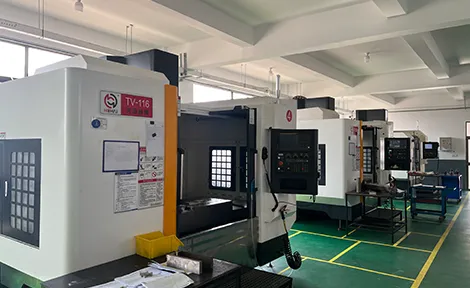
Custom machined metal parts represent precision-engineered components manufactured through advanced metalworking processes to meet specific dimensional, material, and performance requirements. These specialized components are created using computer numerical control (CNC) machines, lathes, mills, and other sophisticated manufacturing equipment that removes material from metal stock to achieve exact specifications. The primary function of custom machined metal parts is to provide tailored solutions for applications where standard off-the-shelf components cannot meet unique engineering requirements. These parts serve critical roles in mechanical assemblies, structural frameworks, and precision instruments across numerous industries. Technological features of custom machined metal parts include exceptional dimensional accuracy, typically achieving tolerances within thousandths of an inch, superior surface finishes ranging from rough machined to mirror-like polish, and the ability to incorporate complex geometries, threads, holes, and intricate details in a single operation. The manufacturing process utilizes advanced CAD/CAM software for design optimization and tool path generation, ensuring consistent quality and repeatability. Material options span a wide range including aluminum, steel, stainless steel, brass, copper, titanium, and exotic alloys, each selected based on specific mechanical properties, corrosion resistance, and environmental conditions. Applications for custom machined metal parts encompass aerospace components such as brackets, housings, and precision fittings, automotive parts including engine components, transmission elements, and suspension hardware, medical devices requiring biocompatible materials and sterile surfaces, electronics enclosures and heat sinks, marine hardware exposed to harsh saltwater environments, and industrial machinery components subjected to heavy loads and extreme operating conditions. The versatility of custom machined metal parts makes them indispensable in prototyping, low-volume production, and specialized applications where precision, reliability, and performance are paramount.
Custom machined metal parts deliver substantial benefits that make them superior choices for demanding applications across multiple industries. The precision achieved through modern CNC machining eliminates the guesswork and inconsistencies associated with manual fabrication methods, resulting in components that fit perfectly every time and perform reliably throughout their service life. This accuracy translates directly into reduced assembly time, fewer quality issues, and lower overall project costs. Material versatility stands as another significant advantage, allowing engineers to select the optimal metal alloy for each specific application based on strength requirements, environmental exposure, weight considerations, and budget constraints. Unlike plastic or composite alternatives, metal parts provide exceptional durability and can withstand extreme temperatures, heavy loads, corrosive chemicals, and repetitive stress cycles without degradation. The ability to create complex geometries in single setups eliminates the need for multiple components and assembly operations, reducing potential failure points while improving overall system reliability. Cost-effectiveness becomes apparent when considering the total lifecycle value of custom machined metal parts compared to alternative solutions. While initial manufacturing costs may seem higher than standard parts, the precision fit eliminates rework, the durability extends service intervals, and the reliability prevents costly downtime and emergency repairs. Lead times for custom machined metal parts have shortened dramatically with advances in manufacturing technology, enabling rapid prototyping and quick-turn production to meet urgent project deadlines. Quality control measures inherent in modern machining processes ensure consistent dimensional accuracy and surface finish characteristics, eliminating the variability often encountered with other manufacturing methods. Design flexibility allows engineers to optimize part geometry for specific performance requirements without being constrained by the limitations of standard components. This capability enables weight reduction, stress concentration elimination, and integration of multiple functions into single parts. The scalability of machining operations accommodates everything from single prototype parts to medium-volume production runs, providing flexibility as project requirements evolve. Environmental benefits include the recyclability of metal materials and the elimination of waste through precise material removal rather than molding processes that generate excess material.
Unmatched Precision and Quality Control
Custom machined metal parts achieve dimensional accuracies that exceed industry standards through the implementation of state-of-the-art CNC technology and rigorous quality control protocols. Modern machining centers utilize advanced feedback systems, thermal compensation, and tool wear monitoring to maintain tolerances within ±0.0005 inches across complex geometries and extended production runs. This level of precision ensures perfect fit and function in critical applications where even minor dimensional variations can cause performance degradation or complete system failure. The quality control process begins with incoming material inspection using certified metal stock that meets stringent chemical composition and mechanical property specifications. Throughout the machining process, coordinate measuring machines (CMM) and automated inspection systems continuously monitor dimensional accuracy, surface finish, and geometric tolerances to ensure each part meets or exceeds specified requirements. Statistical process control methods track manufacturing variables to identify trends before they affect part quality, enabling proactive adjustments that maintain consistent output. Surface finish control represents another critical aspect of quality assurance, with custom machined metal parts achieving surface roughness values from 32 micro-inches Ra for standard applications to 4 micro-inches Ra for precision sealing surfaces. This control over surface characteristics ensures proper fit with mating components, optimal performance in dynamic applications, and enhanced corrosion resistance in demanding environments. The traceability systems implemented in professional machining operations provide complete documentation of material certifications, process parameters, and inspection results for each custom machined metal part, enabling full accountability and supporting quality initiatives in regulated industries such as aerospace, medical devices, and automotive manufacturing. First article inspection procedures validate initial setup accuracy before production begins, while in-process monitoring and final inspection ensure that every part leaving the facility meets the customer’s exact specifications.
Material Expertise and Optimization
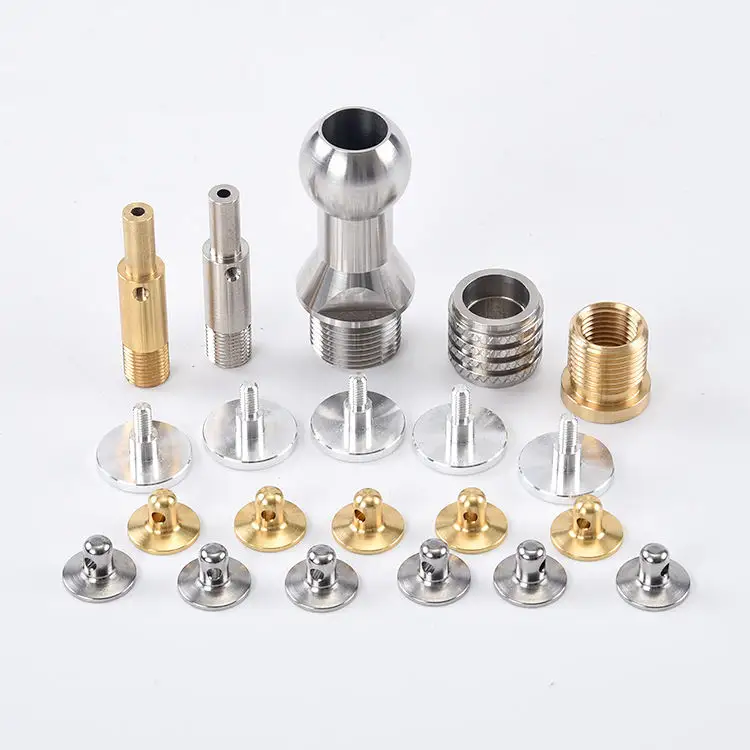
Custom machined metal parts benefit from extensive material knowledge and optimization capabilities that ensure each component is manufactured from the ideal metal alloy for its specific application requirements. Professional machining facilities maintain relationships with certified suppliers of specialty metals, providing access to a comprehensive range of materials including aerospace-grade aluminum alloys, medical-grade stainless steels, high-strength tool steels, corrosion-resistant titanium alloys, and exotic materials such as Inconel and Hastelloy for extreme environment applications. Material selection expertise considers multiple factors including mechanical properties such as tensile strength, yield strength, and hardness requirements, environmental conditions including temperature extremes, chemical exposure, and corrosive atmospheres, manufacturing considerations such as machinability ratings, tool life expectations, and surface finish capabilities, and cost optimization through material utilization efficiency and processing parameters. The heat treatment capabilities available for custom machined metal parts enable property modification after initial machining operations, allowing for hardness adjustment, stress relief, and microstructure optimization to meet specific performance requirements. Annealing processes soften materials for subsequent machining operations, while hardening and tempering treatments provide the final mechanical properties needed for service conditions. Specialized treatments such as cryogenic processing, case hardening, and precipitation hardening expand the range of achievable material properties beyond those available in standard mill conditions. Material testing and certification services ensure that custom machined metal parts meet or exceed specified material requirements through chemical analysis, mechanical property testing, and microstructure evaluation. This comprehensive approach to material management eliminates the risks associated with material substitution or property variations that could compromise part performance. The ability to work with small quantities of expensive specialty materials makes custom machining ideal for prototype development and low-volume production where material costs must be carefully managed while maintaining quality standards.
Design Flexibility and Engineering Support
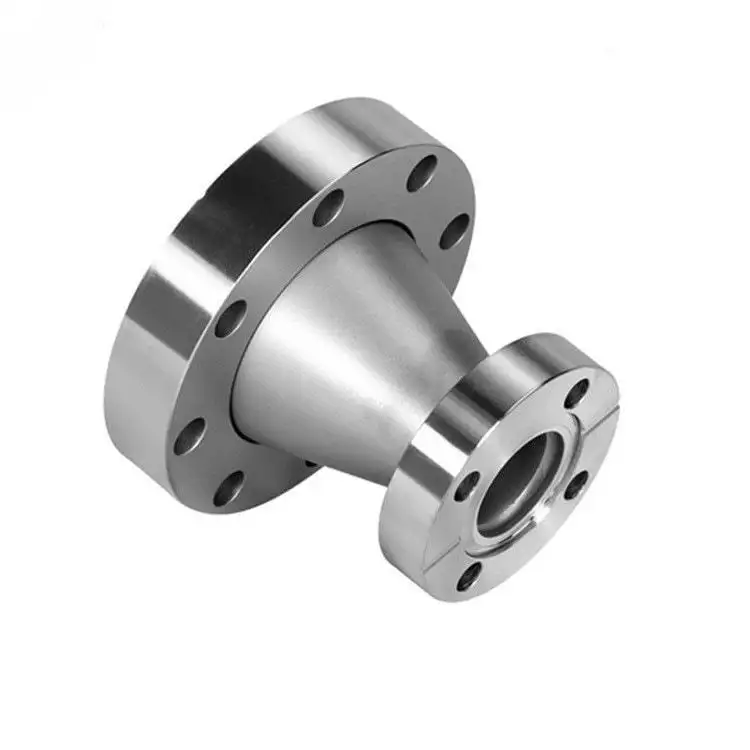
Custom machined metal parts offer unparalleled design flexibility that enables engineers to optimize component geometry for specific performance requirements without the constraints imposed by standard catalog parts or alternative manufacturing methods. This flexibility manifests in the ability to create complex internal passages, intricate external features, tight tolerance assemblies, and integrated functionality that would require multiple standard components. The engineering support provided by experienced machining professionals helps customers optimize their designs for manufacturability while maintaining performance objectives and cost targets. Design for manufacturability (DFM) analysis identifies opportunities to reduce machining time, minimize material waste, and eliminate potential quality issues through geometry modifications that do not compromise part function. This collaborative approach often results in significant cost savings and improved part performance compared to initial design concepts. The rapid prototyping capabilities inherent in custom machining operations enable quick evaluation of design concepts through functional prototypes that accurately represent production parts in material properties, dimensional accuracy, and surface finish characteristics. This capability accelerates product development cycles and reduces the risk of costly design changes during later development phases. Reverse engineering services help customers recreate obsolete parts or improve upon existing designs by creating detailed CAD models from physical samples, enabling modernization of legacy systems and replacement of discontinued components. The integration capabilities of custom machined metal parts allow multiple functions to be incorporated into single components, reducing assembly complexity, eliminating potential leak paths, and improving overall system reliability. Weight optimization through strategic material removal, hollow sections, and geometric optimization helps meet demanding weight targets in aerospace, automotive, and portable equipment applications. The scalability of custom machining processes accommodates design evolution from initial prototypes through production volumes, providing consistency as projects transition from development to manufacturing phases. Value engineering reviews identify opportunities for cost reduction through material optimization, process improvements, and design simplification without compromising part performance or quality requirements.