
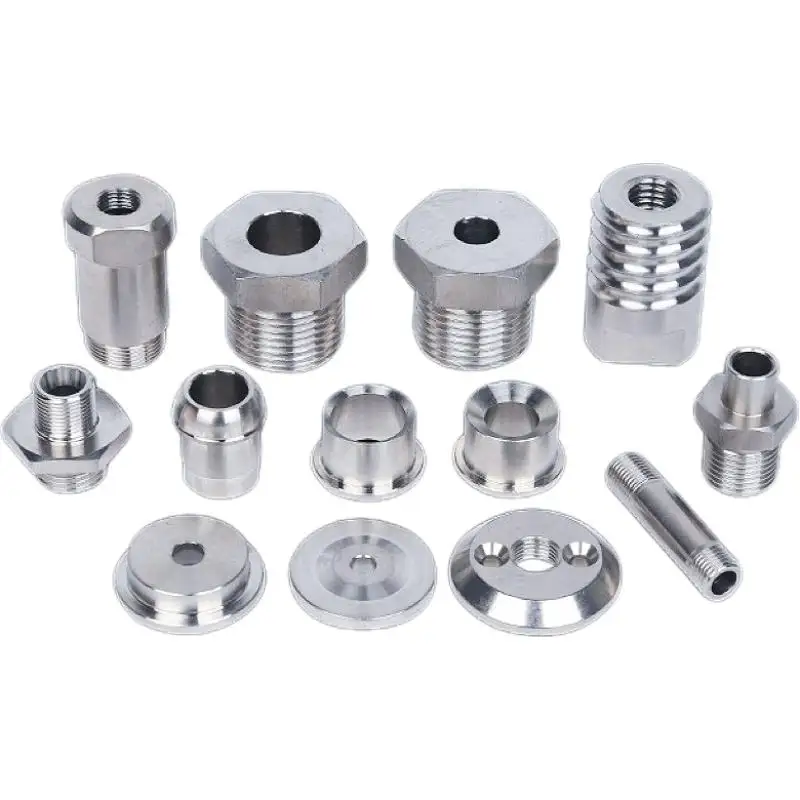
Custom metal milling represents a sophisticated manufacturing process that transforms raw metal materials into precisely engineered components according to specific client requirements. This advanced machining technique utilizes computer-controlled cutting tools to remove material from metal workpieces, creating complex geometries and intricate features that meet exact dimensional specifications. The custom metal milling process encompasses various operations including face milling, end milling, slot cutting, and profile machining, enabling manufacturers to produce everything from simple brackets to complex aerospace components. Modern custom metal milling facilities employ state-of-the-art CNC machines equipped with multiple axes of movement, allowing for simultaneous operations across different planes and angles. These machines can handle diverse metal materials including aluminum, steel, titanium, brass, copper, and exotic alloys, each requiring specialized cutting parameters and tooling strategies. The technological features of custom metal milling include advanced CAD/CAM programming systems that translate digital designs into precise machine instructions, ensuring consistent repeatability across production runs. High-speed spindles enable rapid material removal while maintaining surface finish quality, while integrated cooling systems manage heat generation during intensive cutting operations. Tool changers automatically select appropriate cutting implements for different operations, reducing setup time and maintaining production efficiency. Quality control systems incorporate in-process measurement and inspection capabilities, verifying dimensional accuracy throughout the manufacturing cycle. Custom metal milling applications span numerous industries including aerospace, automotive, medical devices, electronics, and energy sectors. In aerospace manufacturing, custom metal milling produces critical components such as engine housings, structural brackets, and landing gear assemblies that demand exceptional precision and material integrity. Automotive applications include transmission cases, engine blocks, and suspension components requiring high-volume production capabilities. Medical device manufacturers rely on custom metal milling for surgical instruments, implant components, and diagnostic equipment housings that must meet stringent biocompatibility standards.
Custom metal milling delivers exceptional precision that surpasses traditional manufacturing methods, achieving tolerances as tight as ±0.0001 inches through advanced machine control systems and precision tooling. This level of accuracy eliminates the need for secondary finishing operations in many applications, reducing overall production time and costs while ensuring consistent quality across all manufactured components. The versatility of custom metal milling allows manufacturers to work with an extensive range of materials, from common aluminum and steel alloys to specialized metals like Inconel, Hastelloy, and medical-grade titanium, providing solutions for virtually any industrial application. Production flexibility stands as another significant advantage, as custom metal milling can efficiently handle both prototype development and high-volume manufacturing runs without requiring expensive tooling changes or lengthy setup procedures. This adaptability makes it ideal for companies needing rapid prototyping capabilities or those experiencing fluctuating demand patterns. The process offers superior surface finish quality directly from the machine, often eliminating the need for additional polishing or coating operations that add time and expense to the manufacturing cycle. Complex geometries that would be impossible or extremely difficult to achieve through other manufacturing methods become readily achievable through custom metal milling, including undercuts, internal cavities, and intricate three-dimensional features. Cost-effectiveness emerges through reduced material waste, as the subtractive nature of milling allows for optimal material utilization and the ability to recycle chips and shavings. The elimination of expensive dies, molds, or specialized tooling required by other manufacturing processes makes custom metal milling particularly economical for low to medium volume production runs. Speed advantages become apparent through reduced lead times, as parts can move directly from digital design to finished product without the weeks or months required for tooling fabrication in processes like injection molding or die casting. Quality consistency remains exceptional due to computer-controlled operations that eliminate human error variables and maintain identical specifications across every produced part. The ability to make design modifications quickly and cost-effectively provides tremendous value for product development cycles, allowing engineers to test multiple iterations without significant time or financial investment. Integration capabilities with modern manufacturing systems enable seamless workflow from design through production, incorporating quality control checkpoints and real-time monitoring systems that ensure optimal results.
Precision Engineering Excellence
Custom metal milling stands at the forefront of precision manufacturing, delivering dimensional accuracy that meets the most demanding engineering specifications across diverse industrial applications. Advanced CNC machining centers equipped with linear encoders and thermal compensation systems maintain positioning accuracy within micrometers, ensuring that critical dimensions remain consistent throughout extended production runs. The precision capabilities of custom metal milling extend beyond simple dimensional control to include sophisticated geometric tolerances such as flatness, perpendicularity, and concentricity that are essential for proper component function and assembly. Multi-axis machining capabilities enable the simultaneous creation of complex features while maintaining precise relationships between surfaces, holes, and other geometric elements that would require multiple setups using conventional methods. Tool presetting systems and automatic tool measurement cycles verify cutting tool dimensions before machining operations begin, compensating for tool wear and ensuring maintained accuracy throughout the production process. In-process measurement systems continuously monitor critical dimensions during machining operations, making real-time adjustments to maintain specifications and prevent the production of non-conforming parts. Temperature-controlled machining environments minimize thermal expansion effects that could compromise precision, while advanced coolant delivery systems maintain stable cutting conditions that preserve dimensional stability. The integration of coordinate measuring machines with manufacturing cells provides immediate feedback on part quality, enabling rapid correction of any deviations before they affect subsequent parts in the production run. Statistical process control systems track dimensional trends over time, identifying potential issues before they result in quality problems and enabling predictive maintenance scheduling that maintains optimal machine performance. Precision fixture design and workholding systems ensure repeatable part positioning and eliminate movement during machining operations that could compromise accuracy. The combination of rigid machine structures, precision spindle systems, and advanced control algorithms creates an environment where even the most challenging tolerance requirements become routinely achievable, providing customers with the confidence that their critical components will meet or exceed specified requirements every time.
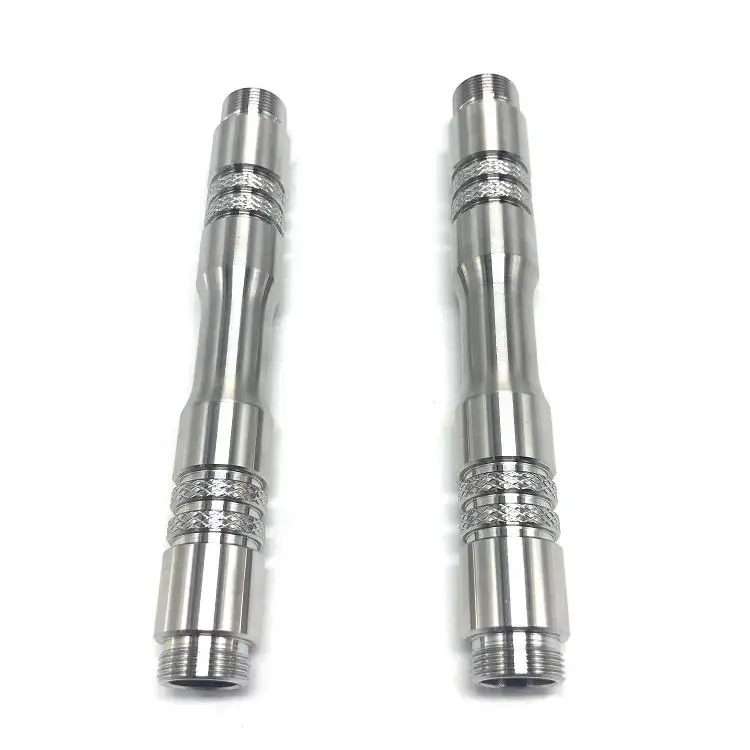
Material Versatility and Specialized Capabilities
The remarkable material versatility of custom metal milling encompasses an extensive range of metallic materials, each presenting unique machining challenges that modern facilities address through specialized equipment, tooling, and process parameters. Aluminum alloys benefit from high-speed machining strategies that take advantage of their excellent thermal conductivity and relatively low cutting forces, enabling rapid material removal rates while maintaining exceptional surface finishes suitable for aerospace and electronics applications. Steel machining requires robust cutting tools and optimized feed rates to manage the higher cutting forces involved, with specialized carbide and ceramic tooling designed to withstand the thermal and mechanical stresses encountered when working with hardened steels and tool steels. Titanium alloys demand careful attention to cutting parameters due to their poor thermal conductivity and tendency toward work hardening, requiring sharp cutting edges, controlled feed rates, and abundant coolant flow to prevent premature tool wear and maintain dimensional accuracy. Exotic materials such as Inconel, Hastelloy, and other superalloys present extreme machining challenges due to their high strength retention at elevated temperatures and rapid work hardening characteristics, necessitating specialized carbide grades and ceramic cutting tools designed specifically for these difficult-to-machine materials. Copper and brass alloys require different approaches due to their tendency to produce long, stringy chips that can interfere with machining operations, leading to the use of specialized chip breaker geometries and optimized cutting parameters that promote chip control. Medical-grade stainless steels and titanium alloys used in implant manufacturing must be machined under stringent cleanliness conditions using biocompatible cutting fluids and tools that prevent contamination while maintaining the surface integrity essential for biological compatibility. The ability to transition seamlessly between different materials within the same facility provides tremendous value for customers with diverse product portfolios, eliminating the need to work with multiple specialized suppliers. Advanced metallurgical knowledge enables machinists to optimize cutting strategies for each specific alloy composition, taking into account factors such as grain structure, heat treatment condition, and chemical composition that affect machinability. Specialized workholding solutions accommodate the unique characteristics of different materials, from soft copper alloys that require gentle clamping forces to brittle cast irons that need rigid support to prevent fracture during machining operations.
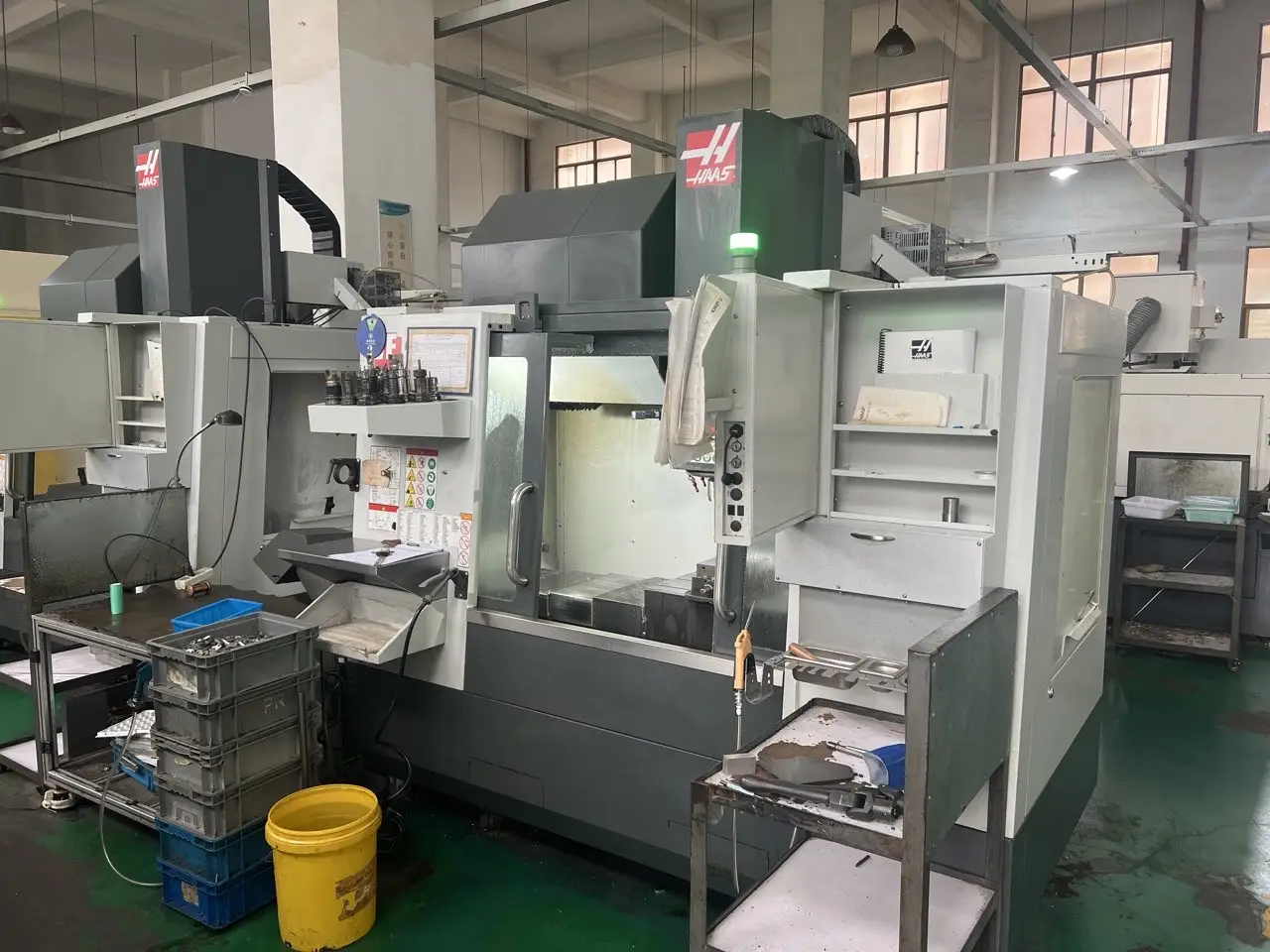
Advanced Technology Integration and Process Optimization
Modern custom metal milling operations integrate cutting-edge technologies that revolutionize traditional machining approaches, creating synergies between advanced hardware, intelligent software systems, and optimized process methodologies that deliver unprecedented levels of efficiency and quality. Computer-aided manufacturing software translates complex three-dimensional designs into optimized tool paths that minimize machining time while maximizing tool life and surface finish quality through sophisticated algorithms that consider material properties, cutting tool characteristics, and machine capabilities. Adaptive machining technologies continuously monitor cutting forces, spindle power, and vibration levels to automatically adjust feed rates and spindle speeds in real-time, maintaining optimal cutting conditions throughout the entire machining cycle and preventing tool breakage or workpiece damage. High-speed machining capabilities enable material removal rates that far exceed conventional machining approaches, utilizing spindle speeds exceeding 20,000 RPM combined with advanced tooling designed to withstand the centrifugal forces and thermal conditions encountered at these extreme operating parameters. Five-axis simultaneous machining eliminates the need for multiple setups and reduces handling time while improving accuracy by maintaining consistent workpiece orientation throughout complex machining operations, enabling the creation of intricate geometries that would be impossible using traditional three-axis approaches. Automation integration includes robotic loading systems, automated tool changers, and conveyor systems that enable lights-out manufacturing capabilities, reducing labor costs while maintaining consistent production output during extended operating periods. Predictive maintenance systems utilize sensors throughout the machining environment to monitor equipment health, predicting potential failures before they occur and scheduling maintenance activities during planned downtime to minimize production disruptions. Digital twin technology creates virtual representations of the entire manufacturing process, enabling simulation and optimization of machining strategies before actual production begins, reducing development time and eliminating potential problems before they impact delivery schedules. Cloud-based manufacturing execution systems provide real-time visibility into production status, quality metrics, and equipment performance, enabling remote monitoring and management capabilities that improve responsiveness to customer needs. Internet of Things connectivity links individual machines into integrated manufacturing systems that share information about tool wear, quality measurements, and production schedules, optimizing resource utilization across the entire facility. Machine learning algorithms analyze historical production data to identify patterns and optimize future machining strategies, continuously improving efficiency and quality outcomes through data-driven decision-making processes that surpass traditional experience-based approaches.