
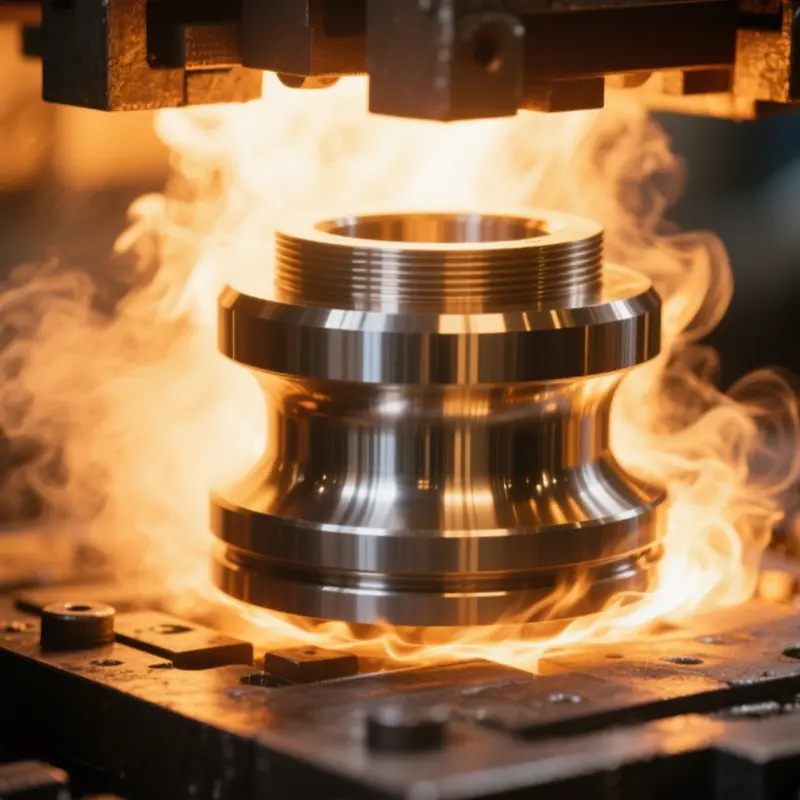
Pre heat treatment represents a fundamental thermal processing technique that prepares materials for subsequent manufacturing operations or final applications. This essential metallurgical process involves controlled heating of metals, alloys, and other materials to specific temperatures below their melting points, followed by carefully managed cooling cycles. The primary purpose of pre heat treatment is to modify the internal structure and properties of materials, making them more suitable for further processing or end-use applications. During this process, materials undergo controlled thermal cycles that alter their crystalline structure, grain boundaries, and internal stress patterns. The temperature ranges and time durations vary significantly depending on the material type, desired properties, and intended applications. Pre heat treatment serves multiple critical functions in manufacturing and materials engineering. It reduces internal stresses that develop during casting, forging, or machining operations, preventing potential cracking or dimensional instability. The process also improves machinability by softening hard materials, making them easier to cut, drill, or shape during subsequent manufacturing steps. Additionally, pre heat treatment enhances the uniformity of material properties throughout the workpiece, eliminating inconsistencies that could compromise final product quality. The technological features of pre heat treatment include precise temperature control systems, controlled atmosphere environments, and sophisticated monitoring equipment. Modern pre heat treatment facilities utilize advanced furnace technologies with programmable temperature profiles, ensuring consistent and repeatable results. Atmosphere control prevents oxidation and contamination during heating, while real-time monitoring systems track temperature distribution and heating rates. Applications span across numerous industries including automotive, aerospace, construction, and manufacturing. Components such as engine blocks, structural steel, cutting tools, and precision machinery parts benefit from pre heat treatment processes. The versatility of this technique makes it indispensable for achieving desired material characteristics in diverse manufacturing environments.
Pre heat treatment delivers substantial benefits that directly impact manufacturing efficiency and product quality. The process significantly reduces production costs by minimizing material waste and preventing costly failures during subsequent processing steps. When materials receive proper pre heat treatment, manufacturers experience fewer rejected parts and reduced rework requirements, leading to improved overall productivity. The enhanced machinability achieved through pre heat treatment translates into faster cutting speeds and longer tool life during machining operations. This improvement reduces both processing time and tooling expenses, creating measurable cost savings for manufacturers. Quality improvements represent another major advantage of pre heat treatment. The process creates more uniform material properties throughout components, eliminating weak spots and inconsistencies that could lead to premature failure. This uniformity ensures that finished products meet strict quality standards and perform reliably throughout their service life. Pre heat treatment also reduces the risk of cracking, warping, or dimensional changes during manufacturing, resulting in higher yield rates and fewer quality-related issues. Manufacturing flexibility increases dramatically with proper pre heat treatment implementation. The process allows manufacturers to work with a broader range of materials and achieve more complex geometries without compromising structural integrity. This flexibility enables companies to expand their product offerings and take on more challenging projects that would otherwise be impossible or economically unfeasible. Time savings constitute a significant practical benefit for manufacturers implementing pre heat treatment. While the initial heating process requires time investment, the overall manufacturing cycle becomes more efficient due to improved processing characteristics. Reduced machining time, fewer interruptions for tool changes, and decreased inspection requirements contribute to faster project completion and improved delivery schedules. Safety improvements are equally important advantages of pre heat treatment. The process reduces internal stresses that could cause unexpected material failure during handling or processing. This stress relief minimizes the risk of workplace accidents and equipment damage, creating a safer working environment for operators and technicians. Additionally, the improved predictability of material behavior allows for better planning and risk management throughout manufacturing operations. Long-term performance benefits make pre heat treatment particularly valuable for critical applications. Components that undergo proper pre heat treatment exhibit improved fatigue resistance, better dimensional stability, and enhanced resistance to environmental factors. These improvements extend service life and reduce maintenance requirements, providing ongoing value to end users and manufacturers alike.
Enhanced Material Workability and Processing Efficiency
Pre heat treatment fundamentally transforms material workability by modifying the internal structure of metals and alloys to optimize their processing characteristics. This transformation occurs through controlled heating cycles that reduce hardness levels and improve ductility, making materials significantly easier to machine, form, and shape. The process works by relieving internal stresses that naturally develop during casting, forging, or previous manufacturing operations, creating a more uniform and predictable material state. When materials undergo pre heat treatment, their grain structure becomes refined and more homogeneous, eliminating hard spots and inconsistencies that typically cause processing difficulties. This uniformity allows cutting tools to maintain consistent performance throughout machining operations, reducing wear rates and extending tool life substantially. Manufacturers report up to 40% improvement in tool life when working with properly pre-treated materials compared to untreated alternatives. The enhanced workability directly translates into improved surface finishes and dimensional accuracy. Materials that have received appropriate pre heat treatment produce smoother cuts with reduced burr formation and better surface quality, minimizing the need for secondary finishing operations. This improvement reduces overall manufacturing time and costs while ensuring that final products meet strict quality requirements. Furthermore, the reduced cutting forces required for machining pre-treated materials decrease energy consumption and reduce mechanical stress on manufacturing equipment, leading to lower maintenance requirements and extended equipment life. The processing efficiency gains extend beyond machining operations to include forming, welding, and assembly processes. Pre heat treatment makes materials more responsive to forming operations, allowing for tighter bend radii and more complex shapes without cracking or material failure. Welding operations benefit from reduced preheating requirements and improved fusion characteristics, while assembly processes experience fewer fit-up issues due to improved dimensional stability. These cumulative benefits create significant competitive advantages for manufacturers who implement comprehensive pre heat treatment programs.
Stress Relief and Dimensional Stability Optimization
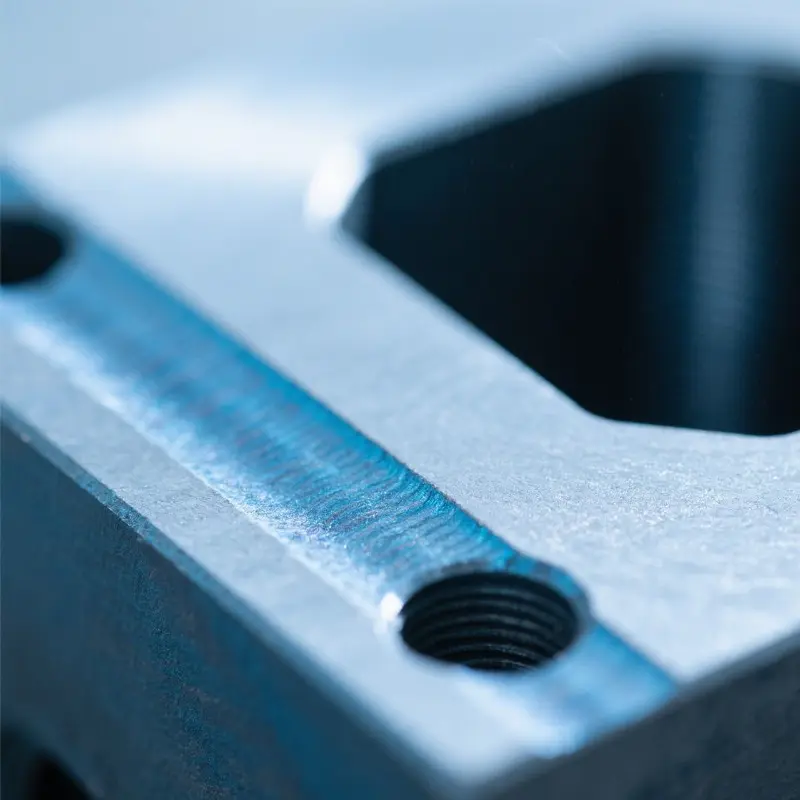
Pre heat treatment excels at eliminating residual stresses that naturally accumulate within materials during manufacturing processes, providing exceptional dimensional stability that remains consistent throughout the component’s service life. These internal stresses develop from various sources including rapid cooling during casting, mechanical deformation during forming operations, and thermal gradients created during welding or machining. Without proper stress relief through pre heat treatment, these accumulated stresses can cause unexpected warping, dimensional changes, or even catastrophic failure during subsequent processing or service conditions. The stress relief mechanism works through carefully controlled heating cycles that allow atoms within the material’s crystal structure to reorganize into more stable configurations. During this thermal treatment, the elevated temperatures provide sufficient energy for atomic movement, enabling the material to reach a lower energy state with reduced internal stress levels. The controlled cooling process locks these improvements in place, creating a stable material condition that resists dimensional changes under normal operating conditions. This dimensional stability proves particularly crucial for precision components where tight tolerances must be maintained throughout manufacturing and service life. Components such as machine tool bases, precision measurement equipment, and critical aerospace parts rely on this stability to maintain their accuracy and performance characteristics. Manufacturing processes benefit dramatically from the predictable behavior of stress-relieved materials, as engineers can design with confidence knowing that dimensional changes will be minimal and predictable. The long-term benefits of stress relief extend well beyond initial manufacturing advantages. Components that receive proper pre heat treatment exhibit superior resistance to stress corrosion cracking, fatigue failure, and environmental degradation. This resistance stems from the elimination of stress concentrations that typically serve as initiation sites for various failure mechanisms. Additionally, the improved dimensional stability reduces maintenance requirements and extends service intervals for critical equipment, providing ongoing operational benefits that justify the initial treatment investment. Quality assurance becomes more straightforward with stress-relieved materials, as inspection results remain valid throughout the manufacturing process and service life.
Superior Performance and Longevity Enhancement
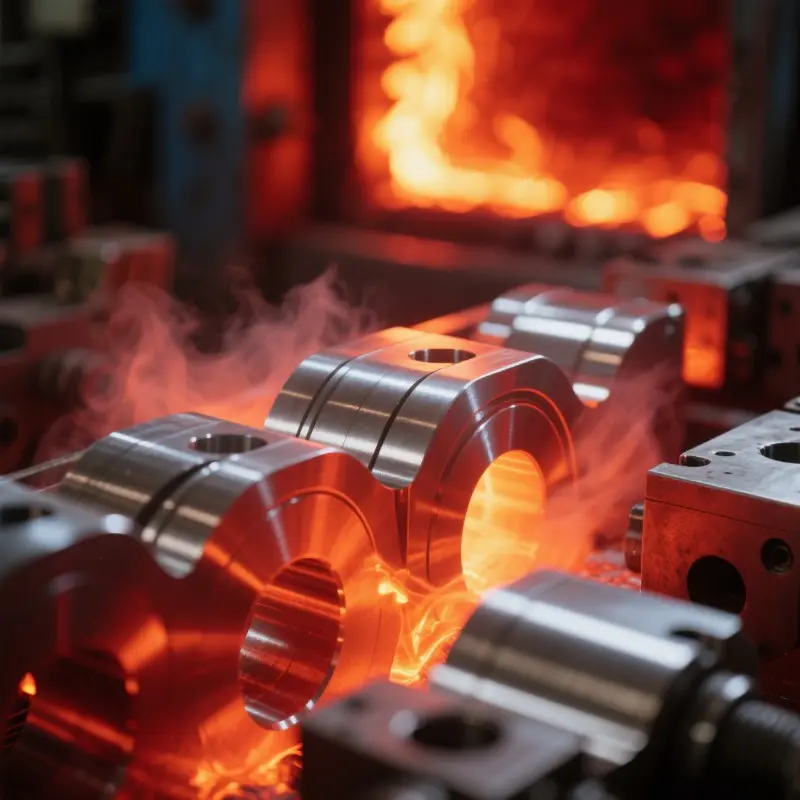
Pre heat treatment delivers exceptional performance improvements and longevity enhancements that significantly exceed the capabilities of untreated materials, making it an essential investment for applications demanding reliability and extended service life. The performance enhancements stem from fundamental improvements in material microstructure that optimize mechanical properties, fatigue resistance, and environmental durability. Through carefully controlled thermal cycles, pre heat treatment creates refined grain structures with improved grain boundary characteristics, resulting in enhanced strength-to-weight ratios and superior toughness properties. These microstructural improvements translate directly into measurable performance gains across multiple operating parameters. Fatigue resistance increases substantially due to the elimination of stress concentrations and the creation of more uniform stress distributions throughout the material. This improvement proves particularly valuable for components subject to cyclic loading conditions, such as automotive engine parts, aircraft structural elements, and rotating machinery components. Independent testing demonstrates that properly pre-treated materials can achieve fatigue life improvements of 200% or more compared to untreated alternatives, representing significant value for applications where failure consequences are severe. The longevity enhancements provided by pre heat treatment extend far beyond simple fatigue improvements. Materials exhibit superior resistance to wear, corrosion, and thermal degradation due to optimized surface characteristics and improved internal stability. The stress relief achieved through pre heat treatment eliminates preferred sites for corrosion initiation, while the refined microstructure provides better barriers to environmental penetration. These improvements result in extended maintenance intervals, reduced replacement costs, and improved overall equipment availability. Environmental resistance represents another crucial performance benefit of pre heat treatment. Materials that undergo proper thermal conditioning demonstrate enhanced resistance to temperature fluctuations, chemical exposure, and mechanical shock loading. This resistance stems from the more stable crystal structure and reduced internal stress state achieved through controlled heating and cooling cycles. The improved environmental resistance proves particularly valuable in harsh operating conditions where untreated materials would experience rapid degradation or premature failure. Cost-effectiveness calculations consistently favor pre heat treatment implementation when total lifecycle costs are considered. While the initial treatment investment requires capital expenditure, the extended service life, reduced maintenance requirements, and improved reliability deliver substantial returns over the component’s operational lifetime.