
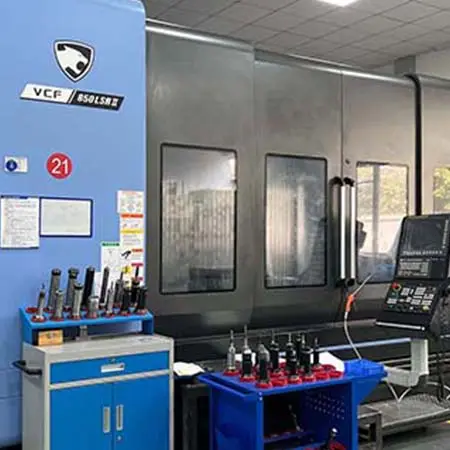
Precision CNC lathe work represents the pinnacle of modern machining technology, combining computer numerical control systems with traditional turning operations to deliver exceptional accuracy and consistency. This advanced manufacturing process utilizes sophisticated computer-controlled machinery that operates along multiple axes to shape, cut, and finish various materials with remarkable precision. The main functions of precision CNC lathe work encompass turning operations where materials rotate against stationary cutting tools, enabling the creation of cylindrical components, threaded parts, and complex geometrical shapes. The technological features that distinguish precision CNC lathe work include servo-controlled motors, high-resolution feedback systems, and programmable logic controllers that maintain tolerances as tight as ±0.0001 inches. These machines incorporate advanced spindle systems capable of achieving rotational speeds exceeding 10,000 RPM while maintaining stability and vibration control. The tooling systems feature automatic tool changers that can accommodate dozens of different cutting implements, allowing for seamless transitions between operations without manual intervention. Live tooling capabilities enable powered tools to perform milling, drilling, and tapping operations while the workpiece remains in the chuck, significantly reducing setup times and improving concentricity. Applications for precision CNC lathe work span numerous industries including aerospace, automotive, medical devices, electronics, and defense sectors. In aerospace manufacturing, these machines produce critical engine components, landing gear parts, and structural elements that must meet stringent quality standards. The automotive industry relies on precision CNC lathe work for engine blocks, transmission components, and suspension parts where dimensional accuracy directly impacts performance and safety. Medical device manufacturers utilize this technology to create surgical instruments, implants, and diagnostic equipment components that require biocompatible materials and exceptional surface finishes.
The advantages of precision CNC lathe work deliver substantial benefits that transform manufacturing operations and enhance product quality across industries. Exceptional dimensional accuracy stands as the primary advantage, with modern machines consistently achieving tolerances within micrometers, ensuring that every component meets exact specifications without variation. This level of precision eliminates the guesswork associated with manual machining and reduces the need for secondary finishing operations. Increased production efficiency emerges through automated operations that run continuously with minimal operator intervention, allowing manufacturers to produce parts around the clock while maintaining consistent quality standards. The programmable nature of precision CNC lathe work enables rapid setup changes between different part configurations, dramatically reducing downtime and increasing overall equipment effectiveness. Cost reduction materializes through several mechanisms including reduced labor requirements, minimized material waste, and decreased rejection rates due to improved accuracy. The ability to machine complex geometries in single setups eliminates multiple handling operations, reducing labor costs and potential errors while improving part concentricity and surface finish quality. Enhanced repeatability ensures that every part produced matches the original specifications exactly, regardless of operator skill level or environmental conditions, creating predictable manufacturing outcomes that support lean production principles. Superior surface finish quality results from precise control over cutting parameters, tool paths, and spindle speeds, often eliminating the need for additional finishing processes and reducing overall manufacturing costs. Versatility in material handling allows precision CNC lathe work to process everything from soft aluminum alloys to hardened steel and exotic materials like titanium and Inconel, expanding manufacturing capabilities without requiring specialized equipment. Quality assurance becomes more manageable through built-in monitoring systems that track dimensional accuracy in real-time, providing immediate feedback and enabling proactive adjustments before defects occur. Scalability advantages allow manufacturers to increase production volumes without proportional increases in labor or setup costs, making precision CNC lathe work ideal for both prototype development and high-volume production runs.
Unmatched Precision and Dimensional Control
Precision CNC lathe work delivers unparalleled dimensional control that sets the standard for modern manufacturing excellence. Advanced feedback systems continuously monitor tool position and workpiece dimensions throughout the machining process, making real-time adjustments to maintain tolerances within ±0.00005 inches on critical dimensions. This level of precision stems from sophisticated servo motor systems that control movement in increments measured in micrometers, combined with high-resolution encoders that provide position feedback accurate to nanometer levels. The thermal compensation systems actively adjust for temperature variations that could affect dimensional accuracy, ensuring consistent results regardless of ambient conditions or machine warm-up states. Linear scales and rotary encoders provide closed-loop control that eliminates backlash and positioning errors common in conventional machining systems. The rigid machine construction featuring precision-ground ways, thermally stable materials, and vibration-dampening designs creates an environment where cutting tools maintain exact positioning throughout extended operations. This dimensional control capability enables manufacturers to produce components that require no secondary machining or finishing operations, significantly reducing production costs and lead times. Industries such as aerospace and medical device manufacturing depend on this precision for components where dimensional variations can compromise safety or functionality. The ability to hold tight tolerances across multiple features simultaneously allows for the creation of complex parts that would otherwise require assembly of multiple components, reducing part count and potential failure points. Quality control becomes more predictable and reliable when precision CNC lathe work maintains consistent dimensional accuracy, enabling statistical process control methods that improve overall manufacturing efficiency and reduce inspection requirements.
Advanced Automation and Productivity Enhancement
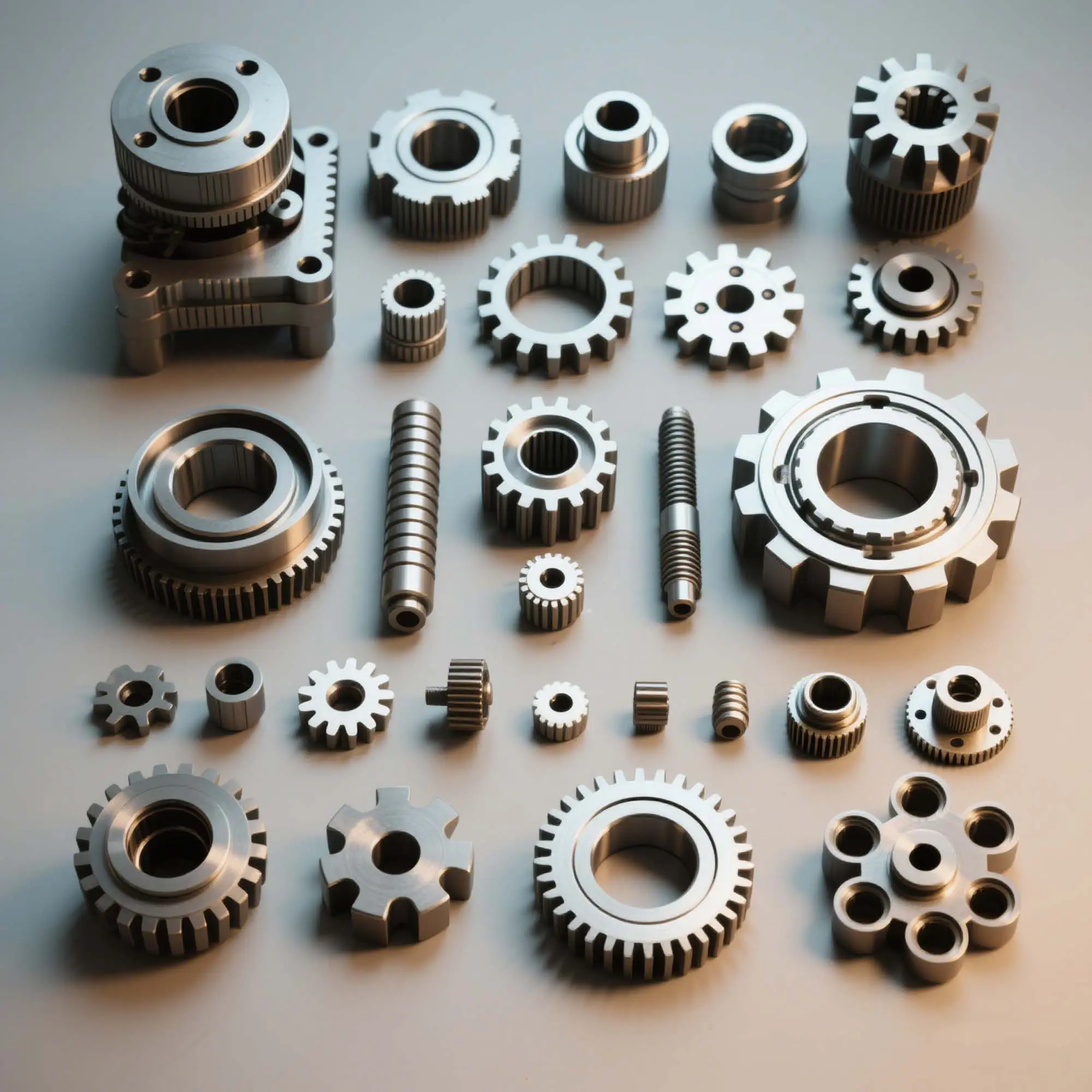
The automation capabilities inherent in precision CNC lathe work revolutionize manufacturing productivity through intelligent systems that operate with minimal human intervention while maximizing throughput and consistency. Automated tool changing systems equipped with tool libraries containing dozens of cutting implements enable continuous operation across multiple machining operations without manual setup changes. These systems automatically select appropriate tools based on programmed sequences, adjust cutting parameters for optimal performance, and monitor tool wear to schedule replacements before quality degradation occurs. Pallet changing systems further enhance automation by allowing workpiece loading and unloading to occur while machining continues on alternate setups, effectively eliminating non-productive time and maximizing spindle utilization. Advanced programming capabilities support lights-out manufacturing where machines operate unattended during off-hours, dramatically increasing effective production capacity without additional labor costs. Adaptive control systems monitor cutting forces, spindle loads, and vibration patterns to automatically optimize cutting parameters in real-time, ensuring optimal tool life and surface finish quality while preventing potential crashes or tool breakage. The integration of robotic loading systems creates fully automated manufacturing cells that handle material from raw stock through finished components without human intervention, reducing labor requirements and improving safety by removing operators from potentially hazardous environments. Predictive maintenance systems analyze machine performance data to schedule maintenance activities during planned downtime, preventing unexpected failures that could disrupt production schedules. Remote monitoring capabilities enable operators to oversee multiple machines simultaneously and receive alerts about operational status changes, allowing for proactive intervention when necessary. The scalability of automation systems allows manufacturers to expand production capacity by adding machines to existing cells without proportional increases in labor or supervision requirements, creating flexible manufacturing environments that adapt to changing production demands.
Comprehensive Material Versatility and Advanced Capabilities
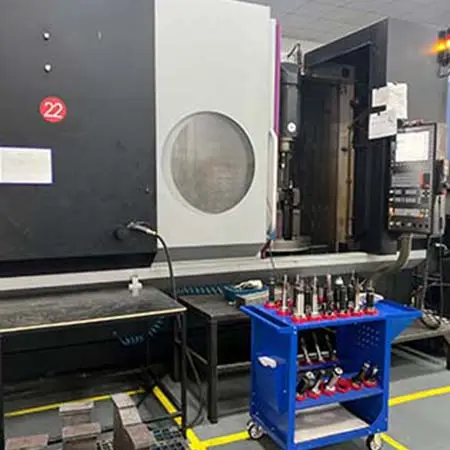
Precision CNC lathe work demonstrates exceptional versatility in material processing capabilities, handling everything from common engineering materials to exotic alloys with specialized requirements for cutting parameters and tooling strategies. Advanced spindle systems provide variable speed ranges from ultra-slow speeds for large diameter turning to high-speed capabilities exceeding 12,000 RPM for small diameter work and finishing operations. Powerful drive systems deliver consistent torque across the entire speed range, enabling effective machining of difficult materials like stainless steel, titanium, and hardened steels that challenge conventional machining methods. Sophisticated coolant systems provide flood cooling, through-tool coolant delivery, and mist cooling options that optimize chip evacuation and temperature control for different material types and machining operations. Live tooling capabilities transform turning centers into complete machining solutions by incorporating powered tools that perform milling, drilling, tapping, and grinding operations while the workpiece remains in the main spindle, eliminating secondary operations and improving part accuracy through single-setup manufacturing. Multi-axis capabilities enable simultaneous control of linear and rotary movements, allowing for the creation of complex contoured surfaces and angular features that would be impossible with conventional turning methods. The integration of sub-spindles enables complete part processing by transferring workpieces between spindles for back-end machining operations, producing finished parts that require no additional handling or secondary operations. Advanced workholding systems accommodate workpieces ranging from small precision components weighing ounces to large structural parts weighing hundreds of pounds, providing flexibility to handle diverse product portfolios within the same manufacturing facility. Specialized cutting tool geometries and coatings optimize performance for specific material combinations, while tool monitoring systems track performance parameters to ensure consistent results and prevent quality issues. The combination of these advanced capabilities enables precision CNC lathe work to serve as a complete manufacturing solution for industries requiring high-quality components with complex geometries and demanding material specifications.