
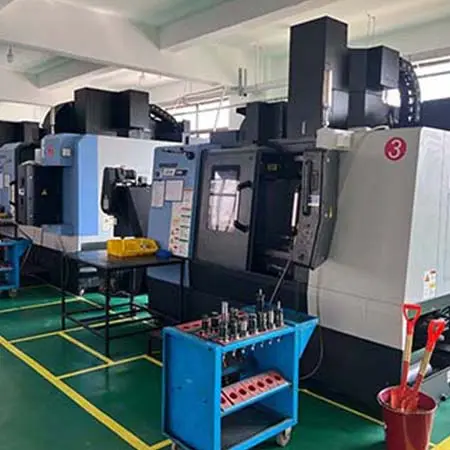
Precision CNC turning represents a sophisticated manufacturing process that utilizes computer numerical control technology to create highly accurate cylindrical components and parts. This advanced machining method employs specialized lathes equipped with cutting tools that rotate workpieces at controlled speeds while precisely removing material to achieve desired dimensions and surface finishes. The precision CNC turning process operates through pre-programmed instructions that control every aspect of the machining operation, ensuring consistent quality and exceptional accuracy across production runs. Modern precision CNC turning systems integrate multiple axes of movement, allowing for complex geometries and intricate features to be manufactured with minimal human intervention. The technology incorporates real-time monitoring systems that continuously track cutting parameters, tool wear, and dimensional accuracy throughout the manufacturing process. These systems can automatically adjust cutting speeds, feed rates, and tool positions to maintain optimal performance and product quality. The precision CNC turning process excels at producing components with tight tolerances, often achieving accuracies within micrometers. This capability makes it invaluable for industries requiring exact specifications and reliable performance. The process can handle various materials including metals, plastics, ceramics, and composite materials, adapting cutting parameters to suit specific material properties. Advanced tool management systems within precision CNC turning equipment automatically select appropriate cutting tools for different operations, reducing setup times and minimizing human error. The integration of quality control sensors enables immediate detection of dimensional variations, allowing for real-time corrections and maintaining consistent product quality. This technology supports both high-volume production runs and custom prototype development, offering flexibility in manufacturing scales. The precision CNC turning process incorporates sophisticated cooling and lubrication systems that manage heat generation during machining operations, preventing thermal distortion and extending tool life while maintaining dimensional stability throughout the manufacturing process.
Precision CNC turning delivers exceptional accuracy that surpasses traditional manual machining methods by significant margins. This technology consistently produces components with tolerances measured in micrometers, ensuring perfect fit and function in critical applications. The automated nature of precision CNC turning eliminates human error from the machining process, resulting in identical components across entire production runs without variation in quality or dimensions. Manufacturing facilities benefit from dramatically reduced production times when implementing precision CNC turning systems. These machines operate continuously with minimal supervision, running multiple shifts and maximizing productivity while maintaining consistent quality standards. The automated tool changes and programmable operations eliminate lengthy setup procedures between different parts, allowing rapid transitions between various product specifications. Cost efficiency becomes apparent through reduced material waste and optimized cutting paths programmed into precision CNC turning operations. The technology calculates optimal material removal strategies that minimize scrap while maximizing the number of finished components produced from raw materials. Labor costs decrease substantially as precision CNC turning requires fewer skilled operators compared to conventional machining methods, while simultaneously increasing output rates. Quality control improves dramatically with precision CNC turning through integrated measurement systems that monitor every aspect of the manufacturing process. These systems detect deviations immediately and make automatic corrections, preventing defective parts from progressing through production lines. The consistent quality reduces inspection requirements and eliminates costly rework or rejection of finished components. Flexibility in manufacturing becomes a significant advantage as precision CNC turning machines can quickly switch between different part specifications through simple program changes. This capability enables manufacturers to respond rapidly to changing customer demands and produce custom components without extensive retooling or setup modifications. The technology supports both prototype development and high-volume production using identical equipment and processes. Enhanced surface finishes achieved through precision CNC turning eliminate secondary finishing operations in many applications, reducing overall manufacturing costs and delivery times. The controlled cutting conditions and optimized tool paths produce superior surface quality directly from the machining operation, meeting stringent requirements for critical components without additional processing steps.
Unmatched Dimensional Accuracy and Repeatability
The dimensional accuracy achieved through precision CNC turning sets new standards in manufacturing excellence, consistently delivering components with tolerances that meet the most demanding engineering specifications. This exceptional accuracy stems from the sophisticated control systems that monitor and adjust every parameter of the machining process in real-time, ensuring that each component matches the programmed dimensions exactly. The computer-controlled nature of precision CNC turning eliminates the variability inherent in manual operations, where human factors can introduce inconsistencies that compromise product quality. Advanced feedback systems continuously monitor cutting tool position, workpiece dimensions, and surface conditions throughout the machining cycle, making micro-adjustments that maintain perfect accuracy even as tools experience normal wear. This real-time compensation capability ensures that the first component produced matches the specifications exactly as the thousandth component in a production run. The repeatability of precision CNC turning becomes particularly valuable in industries where interchangeable parts are essential for assembly processes and field maintenance operations. Components produced through precision CNC turning can be manufactured years apart while maintaining identical specifications, ensuring long-term serviceability and component availability. The technology incorporates multiple measurement systems that verify dimensions during machining operations, preventing the production of out-of-specification parts and eliminating costly rework or rejection of finished components. Temperature compensation systems account for thermal expansion and contraction of both the workpiece and machine components, maintaining accuracy even when ambient conditions change throughout production cycles. The precision achieved enables manufacturers to design products with tighter clearances and improved performance characteristics, as they can rely on the consistent dimensional accuracy of precision CNC turning to deliver components that meet exact specifications without variation.
Superior Surface Quality and Finish Excellence
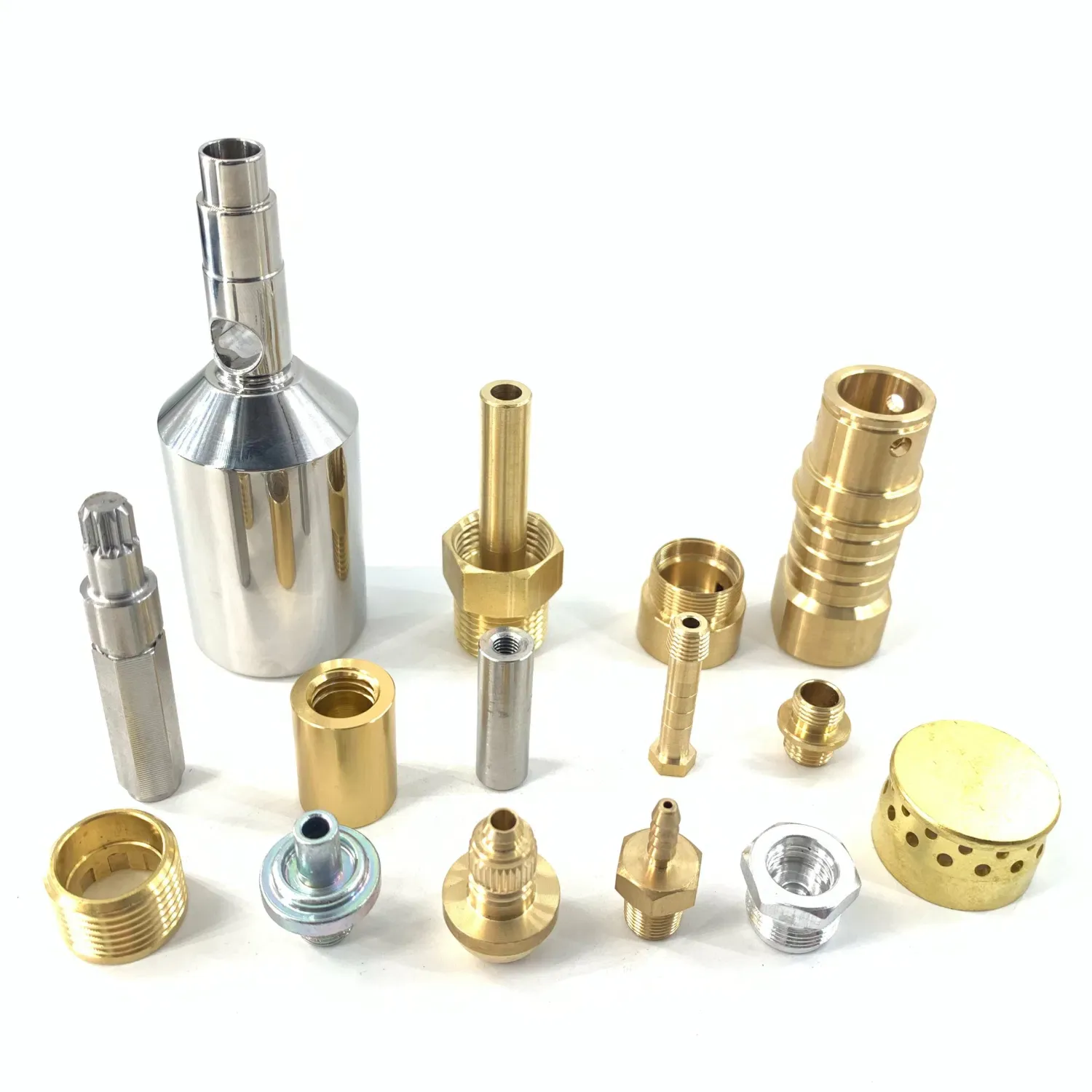
Precision CNC turning produces surface finishes that often eliminate the need for secondary finishing operations, delivering components ready for immediate use in critical applications. The controlled cutting environment and optimized tool paths create surfaces with exceptional smoothness and consistency that meet or exceed the most stringent quality requirements across various industries. Advanced cutting tool technology integrated into precision CNC turning systems utilizes specialized geometries and coatings that minimize surface irregularities while maximizing cutting efficiency and tool longevity. The programmable nature of precision CNC turning allows for precise control of cutting speeds, feed rates, and depth of cut, parameters that directly influence surface quality and can be optimized for specific material types and component requirements. Vibration dampening systems built into precision CNC turning equipment eliminate chatter and tool deflection that can compromise surface quality, ensuring smooth cuts and consistent finishes across entire component surfaces. The technology enables the production of complex surface profiles and contours with uniform quality, maintaining consistent finish characteristics even on intricate geometries that would be challenging or impossible to achieve through conventional machining methods. Quality monitoring systems integrated into precision CNC turning operations continuously assess surface conditions and automatically adjust parameters to maintain optimal finish quality throughout production runs. This real-time optimization prevents surface defects and ensures that every component meets specified roughness and finish requirements without variation. The superior surface quality achieved through precision CNC turning contributes directly to improved component performance, as smoother surfaces reduce friction, wear, and stress concentrations in mechanical applications. Corrosion resistance improves significantly with the enhanced surface finishes produced by precision CNC turning, as the smooth, uniform surfaces provide fewer sites for corrosion initiation and propagation. The elimination of surface finishing operations through precision CNC turning reduces manufacturing lead times and costs while ensuring that components maintain their dimensional accuracy throughout the entire manufacturing process.
Exceptional Material Versatility and Processing Capability
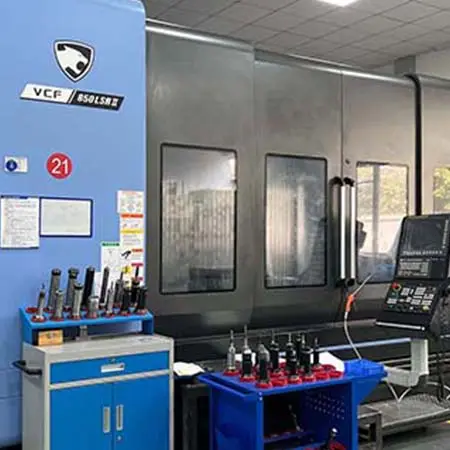
Precision CNC turning demonstrates remarkable versatility in processing diverse materials, from soft metals and plastics to exotic alloys and advanced composites, adapting cutting parameters and tooling strategies to optimize results for each specific material type. This adaptability enables manufacturers to consolidate multiple machining operations under a single technology platform, simplifying production planning and reducing equipment investments while maintaining superior quality across all materials processed. The programmable nature of precision CNC turning allows for the storage and recall of optimal cutting parameters for different materials, ensuring consistent results when switching between various workpiece materials throughout production schedules. Advanced tool management systems automatically select appropriate cutting tools based on material properties and machining requirements, optimizing tool life while maintaining surface quality and dimensional accuracy across diverse material types. Precision CNC turning excels at processing challenging materials that pose difficulties for conventional machining methods, including hardened steels, titanium alloys, and fiber-reinforced composites that require specialized cutting strategies and tool materials. The controlled cutting environment and precise parameter control enable successful machining of materials with varying hardness, thermal properties, and machinability characteristics while maintaining consistent quality standards. Cooling and lubrication systems integrated into precision CNC turning equipment adapt to different material requirements, providing optimal thermal management for heat-sensitive materials while ensuring proper chip evacuation for materials that generate challenging swarf conditions. The technology successfully processes both ferrous and non-ferrous materials with equal proficiency, adjusting cutting speeds and tool geometries to accommodate the unique characteristics of each material family while maintaining productivity and quality objectives. Material waste reduction becomes significant with precision CNC turning as the precise control enables optimal cutting strategies that maximize material utilization while minimizing scrap generation across all processed materials. The ability to machine multiple materials using identical equipment provides manufacturing flexibility that enables rapid response to changing customer requirements and market demands without significant equipment modifications or specialized tooling investments.