
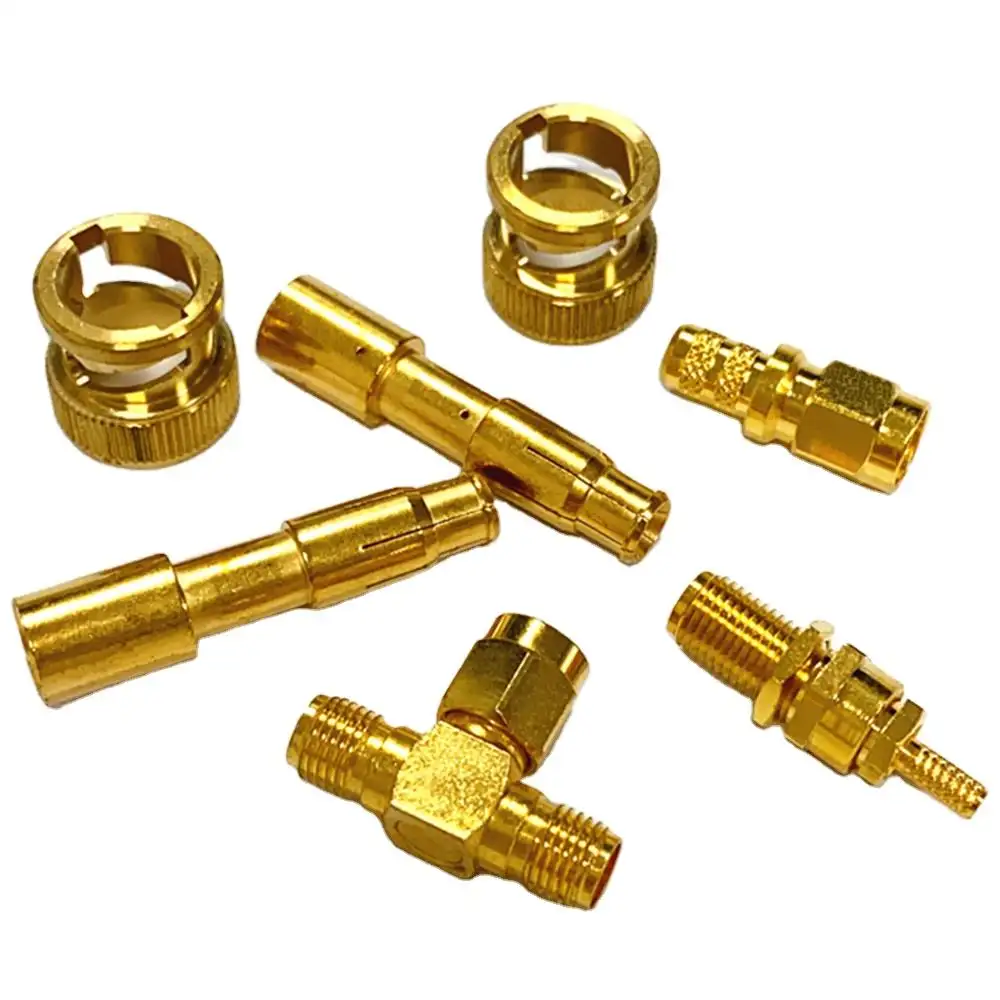
Prototype CNC machining represents a revolutionary manufacturing technology that transforms digital designs into precise physical components through computer-controlled cutting tools. This advanced manufacturing process utilizes sophisticated software and automated machinery to create prototypes with exceptional accuracy and repeatability. The main functions of prototype CNC machining include material removal, shaping, drilling, milling, and finishing operations that can work with various materials including metals, plastics, composites, and ceramics. The technology operates through a series of programmed instructions that guide cutting tools along predetermined paths, ensuring consistent results across multiple production runs. Technological features of prototype CNC machining encompass multi-axis capabilities that allow for complex geometries and intricate details that would be impossible to achieve through traditional manufacturing methods. Modern CNC systems incorporate advanced feedback mechanisms, real-time monitoring, and adaptive controls that automatically adjust parameters to maintain optimal cutting conditions throughout the machining process. The applications of prototype CNC machining span across numerous industries including aerospace, automotive, medical devices, consumer electronics, and industrial equipment manufacturing. Engineers and designers rely on this technology to validate their concepts, test functionality, and refine designs before committing to full-scale production. The process enables rapid iteration and modification of prototypes, allowing teams to explore multiple design variations efficiently. Prototype CNC machining supports both low-volume production runs and one-off custom components, making it invaluable for research and development activities. The technology accommodates tight tolerances, complex surface finishes, and specialized material requirements that are often critical in prototype development phases.
Prototype CNC machining delivers substantial benefits that make it the preferred choice for modern manufacturing and product development processes. The technology provides unmatched precision and accuracy, consistently producing components within tolerances as tight as 0.001 inches, which ensures that prototypes accurately represent final production parts. This level of precision eliminates guesswork and reduces the need for costly redesigns during later development stages. The speed advantage of prototype CNC machining cannot be overstated, as it significantly reduces lead times compared to traditional manufacturing methods. What once took weeks using conventional techniques can now be accomplished in days or even hours, accelerating product development cycles and enabling faster time-to-market strategies. Cost efficiency emerges as another major advantage, particularly for small batch production and complex geometries where traditional manufacturing would require expensive tooling and setup costs. Prototype CNC machining eliminates the need for custom jigs, fixtures, and specialized tools, making it economically viable for producing single prototypes or limited quantities. The technology offers exceptional material versatility, working effectively with everything from soft plastics to hardened steels, titanium alloys, and exotic materials used in specialized applications. This flexibility allows engineers to test prototypes using the same materials intended for final production, providing accurate performance data and validation results. Design freedom represents another significant advantage, as prototype CNC machining can create complex internal geometries, undercuts, and intricate features that would be impossible or extremely expensive using other manufacturing methods. The process maintains excellent repeatability, ensuring that multiple prototypes are identical, which is crucial for testing and validation purposes. Quality consistency remains high throughout production runs, with minimal variation between parts. The technology also supports rapid design changes and iterations, allowing engineers to quickly modify prototypes based on testing results without significant time delays or cost penalties.
Exceptional Precision and Quality Control
Prototype CNC machining stands out in the manufacturing landscape due to its extraordinary precision capabilities that consistently deliver components with tolerances as tight as ±0.0005 inches. This remarkable accuracy stems from the computer-controlled nature of the process, where every movement of the cutting tool follows precisely programmed coordinates, eliminating human error and ensuring repeatable results. The advanced feedback systems integrated into modern CNC machines continuously monitor tool position, spindle speed, and cutting forces, making real-time adjustments to maintain optimal machining conditions throughout the entire process. This level of control translates directly into superior surface finishes, dimensional accuracy, and geometric precision that meets or exceeds the most demanding engineering specifications. Quality control measures are built into every aspect of prototype CNC machining, with automated inspection systems capable of measuring critical dimensions during the machining process itself. This in-process monitoring prevents the production of defective parts and reduces waste while ensuring that every prototype meets exact specifications. The technology supports complex quality requirements including tight positional tolerances, surface roughness specifications, and geometric dimensioning and tolerancing standards that are essential for functional prototypes. Advanced CNC systems can maintain these precision standards across extended production runs, ensuring consistency whether producing a single prototype or multiple iterations for testing purposes. The precision advantage becomes particularly valuable when creating prototypes for industries such as aerospace, medical devices, and automotive applications where safety and performance requirements demand exacting standards. Engineers can confidently use CNC-machined prototypes for functional testing, knowing that the dimensional accuracy and surface quality closely match what can be expected from final production parts. This precision capability also enables the creation of assembly prototypes where multiple components must fit together with minimal clearances, allowing for comprehensive testing of mechanical interfaces and operational functionality.
Rapid Prototyping and Accelerated Development Cycles
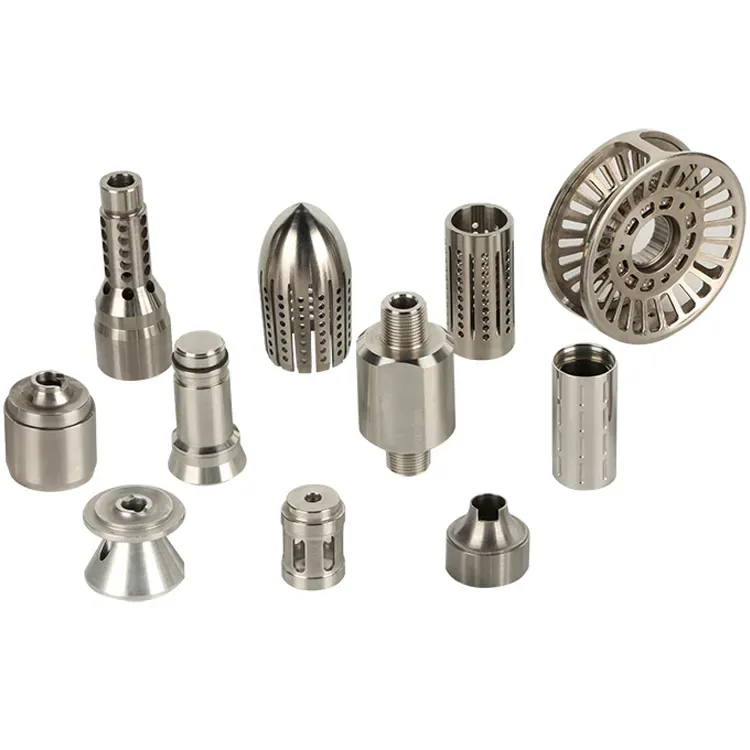
The speed and efficiency of prototype CNC machining fundamentally transform product development timelines by enabling rapid prototyping capabilities that compress traditional manufacturing schedules from weeks into days or hours. This acceleration stems from the elimination of tooling requirements and setup procedures that typically consume significant time in conventional manufacturing processes. Once a digital design file is prepared, CNC machines can immediately begin producing prototypes without the need for custom molds, dies, or specialized fixtures. The technology supports simultaneous multi-axis machining operations that complete complex geometries in single setups, dramatically reducing the total processing time required for intricate components. Modern CNC systems equipped with automatic tool changers and pallet systems can operate continuously with minimal human intervention, maximizing productive machining time and enabling around-the-clock production when project deadlines demand it. The rapid turnaround capability proves especially valuable during iterative design phases where engineers need to quickly test multiple design variations or implement modifications based on testing feedback. Prototype CNC machining accommodates rush orders and tight deadlines that are common in competitive development environments where first-to-market advantages can determine product success. The technology eliminates many traditional bottlenecks associated with prototype production, such as waiting for specialized tooling or scheduling conflicts with other production priorities. Design changes can be implemented immediately by simply updating the CNC program, allowing for real-time optimization and refinement of prototypes based on testing results or customer feedback. This responsiveness enables more thorough exploration of design alternatives within compressed development schedules, ultimately leading to better final products. The speed advantage extends beyond individual part production to complete assembly prototypes, where multiple components can be machined simultaneously on different machines, enabling parallel processing that further accelerates overall project timelines. Companies leveraging prototype CNC machining gain significant competitive advantages through faster concept validation, reduced development costs, and shorter time-to-market cycles.
Cost-Effective Solution for Complex Geometries
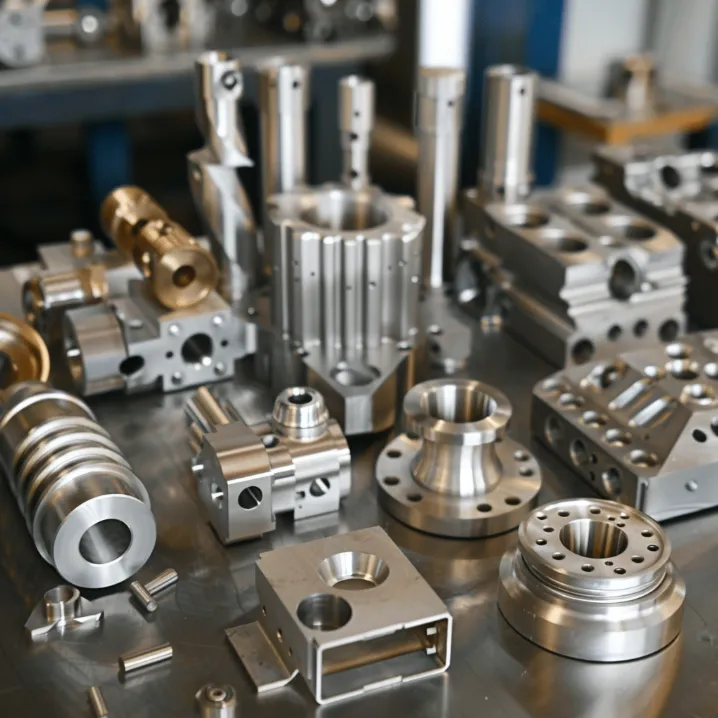
Prototype CNC machining provides exceptional cost-effectiveness for producing complex geometries and intricate components that would be prohibitively expensive using traditional manufacturing methods. The economic advantage becomes particularly pronounced when dealing with parts featuring internal cavities, undercuts, complex curves, or multiple intersecting features that would require elaborate setups, multiple operations, or specialized tooling in conventional machining. CNC technology eliminates the need for expensive custom fixtures, jigs, and specialized cutting tools that traditional manufacturing often requires for complex geometries, instead relying on standard tooling and programmable machine movements to achieve intricate shapes. The cost benefits extend beyond initial tooling savings to include reduced labor requirements, as CNC machines operate with minimal supervision once programs are established and verified. Setup times are significantly shorter compared to conventional methods, reducing the per-part cost allocation for setup activities and making small quantity production economically viable. Material utilization efficiency represents another cost advantage, as CNC programming can optimize cutting paths to minimize waste and maximize yield from raw material stock. The technology enables near-net-shape manufacturing that reduces subsequent finishing operations and associated costs. Complex multi-feature components that would traditionally require assembly of multiple simpler parts can often be machined as single integrated pieces, eliminating assembly costs, reducing part count, and improving overall reliability. The elimination of assembly operations also removes potential tolerance stack-up issues and reduces inventory complexity. Prototype CNC machining proves particularly cost-effective for low-volume production runs where traditional manufacturing methods would require substantial upfront investments in tooling and setup that cannot be amortized across large quantities. The technology supports economic production of custom components and one-off prototypes that would be cost-prohibitive using other manufacturing approaches. Design optimization opportunities emerge from the cost-effective complexity capabilities, allowing engineers to explore innovative geometries and integrated features that enhance product performance without penalty costs associated with manufacturing difficulty.