
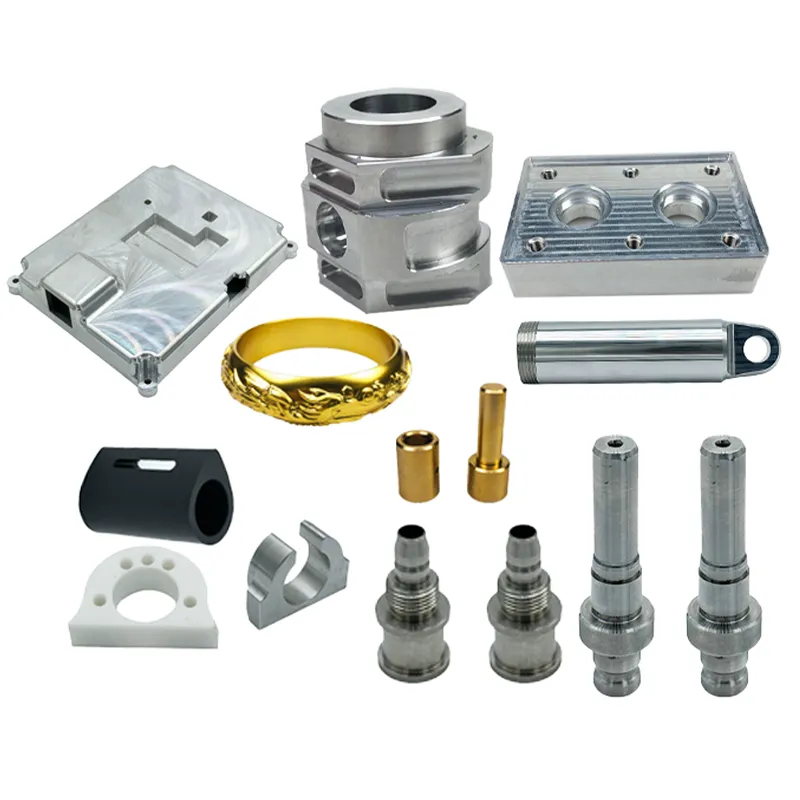
CNC aluminium parts represent the pinnacle of modern precision manufacturing, combining advanced computer numerical control technology with the exceptional properties of aluminum alloys. These components are created through sophisticated machining processes that remove material from aluminum stock using programmed cutting tools, resulting in parts with extraordinary dimensional accuracy and surface finish quality. The main functions of CNC aluminium parts span across multiple engineering disciplines, serving as structural components, heat dissipators, protective housings, and functional elements in complex mechanical systems. The technological features that distinguish CNC aluminium parts include their ability to achieve tolerances as tight as ±0.001 inches, their capacity for complex geometries including undercuts and internal cavities, and their compatibility with various aluminum grades ranging from 6061-T6 for general applications to 7075-T6 for high-strength requirements. The manufacturing process utilizes multi-axis CNC machines that can perform milling, turning, drilling, and tapping operations in a single setup, ensuring consistent quality and reducing production time. Applications for CNC aluminium parts are extensive, encompassing aerospace components such as aircraft brackets and panels, automotive parts including engine blocks and transmission housings, electronics enclosures for protecting sensitive circuits, medical devices requiring biocompatible materials, and consumer products demanding aesthetic appeal. The versatility of CNC aluminium parts makes them indispensable in industries where weight reduction, corrosion resistance, and thermal conductivity are critical factors. These parts can be manufactured in quantities ranging from single prototypes to high-volume production runs, making them suitable for both custom applications and mass manufacturing scenarios.
CNC aluminium parts deliver exceptional value through their superior strength-to-weight ratio, making them ideal for applications where reducing mass without compromising structural integrity is essential. This characteristic translates directly into fuel savings in automotive and aerospace applications, improved portability in consumer electronics, and enhanced performance in sporting equipment. The corrosion resistance inherent in aluminum alloys ensures that CNC aluminium parts maintain their functionality and appearance over extended periods, even in harsh environmental conditions including marine, chemical, and outdoor applications. This durability eliminates the need for frequent replacements, reducing long-term maintenance costs and downtime. The excellent thermal conductivity of CNC aluminium parts makes them perfect for heat management applications, efficiently dissipating heat from electronic components, engines, and industrial equipment, thereby extending the lifespan of sensitive components and improving overall system reliability. The precision achievable through CNC machining ensures that CNC aluminium parts fit perfectly with other components, reducing assembly time and eliminating the need for secondary operations such as filing or adjustment. This precision also enables the creation of complex internal passages and features that would be impossible or extremely costly to produce using other manufacturing methods. The material properties of aluminum allow CNC aluminium parts to be easily anodized, painted, or otherwise finished to meet specific aesthetic or functional requirements, providing customers with extensive customization options. The rapid production capabilities of CNC machining mean that CNC aluminium parts can be delivered quickly, even for complex geometries, enabling faster product development cycles and reduced time-to-market. The cost-effectiveness of CNC aluminium parts becomes apparent when considering their longevity, performance, and the elimination of secondary operations, making them an economical choice for both small-scale and large-scale manufacturing projects. Additionally, aluminum is highly recyclable, making CNC aluminium parts an environmentally responsible choice that aligns with sustainability goals while maintaining superior performance characteristics.
Unmatched Precision and Dimensional Accuracy
The precision capabilities of CNC aluminium parts set them apart from conventional manufacturing methods, delivering dimensional accuracy that meets the most stringent engineering requirements. Modern CNC machining centers can achieve tolerances of ±0.0005 inches on critical dimensions, ensuring that CNC aluminium parts function flawlessly in precision assemblies where even microscopic variations can cause failure. This level of accuracy is maintained consistently across production runs, whether manufacturing a single prototype or thousands of identical components. The computer-controlled nature of CNC machining eliminates human error and variability, resulting in CNC aluminium parts that are virtually identical to the CAD model specifications. This precision extends beyond simple dimensional accuracy to include surface finish quality, with CNC aluminium parts capable of achieving surface roughness values as low as 0.8 micrometers Ra directly from machining, often eliminating the need for secondary finishing operations. The ability to maintain tight tolerances on complex geometries, including intricate internal features, angled surfaces, and compound curves, makes CNC aluminium parts suitable for applications where traditional manufacturing methods would require multiple operations or compromise on accuracy. Quality control systems integrated into CNC machining processes continuously monitor cutting tool wear, temperature variations, and machine condition, automatically adjusting parameters to maintain consistent precision throughout production. This results in CNC aluminium parts that not only meet specifications initially but continue to perform reliably throughout their service life. The precision of CNC aluminium parts translates directly into improved product performance, reduced assembly time, elimination of fit-up issues, and enhanced overall quality of the final product, making them the preferred choice for engineers and manufacturers who cannot compromise on accuracy.
Superior Material Properties and Performance
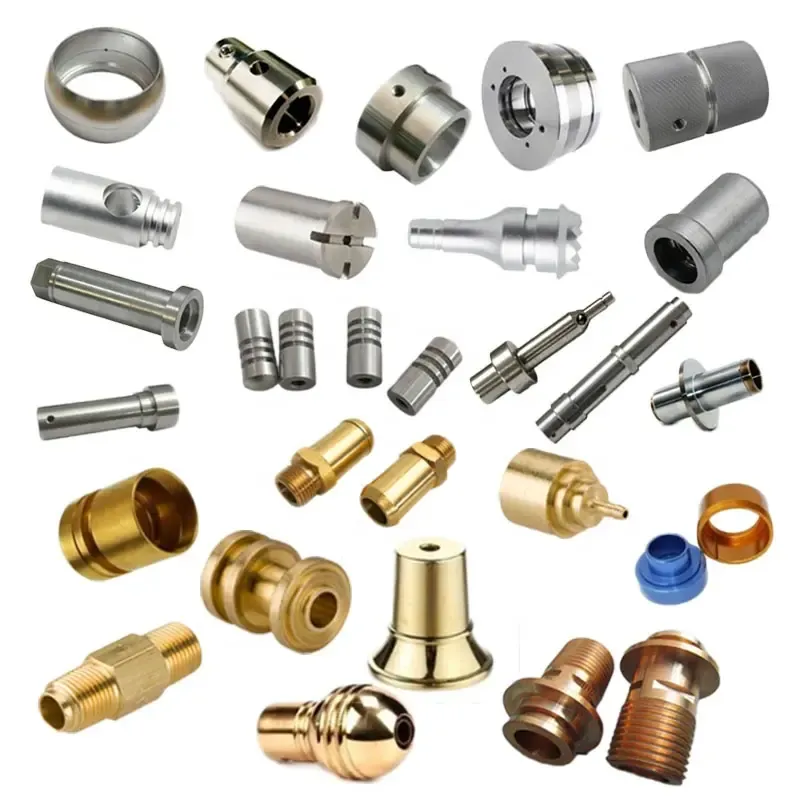
CNC aluminium parts leverage the exceptional material properties of aluminum alloys to deliver performance advantages that surpass many alternative materials in critical applications. The strength-to-weight ratio of CNC aluminium parts is particularly impressive, with high-grade aluminum alloys providing tensile strengths exceeding 70,000 PSI while maintaining a density of only 2.7 g/cm³, approximately one-third the weight of steel. This characteristic makes CNC aluminium parts invaluable in weight-sensitive applications such as aerospace components, automotive parts, and portable equipment where every gram matters. The corrosion resistance of CNC aluminium parts stems from the natural oxide layer that forms on aluminum surfaces, providing protection against environmental degradation without additional treatments. This inherent corrosion resistance can be further enhanced through anodizing processes, creating CNC aluminium parts that withstand harsh chemical environments, saltwater exposure, and extreme weather conditions for decades without degradation. The thermal properties of CNC aluminium parts make them excellent choices for heat management applications, with thermal conductivity values ranging from 120-200 W/mK depending on the alloy, enabling efficient heat dissipation that protects sensitive components and improves system performance. The electrical conductivity of CNC aluminium parts, while lower than copper, is sufficient for many electrical applications while offering significant weight and cost advantages. The machinability of aluminum allows CNC aluminium parts to be manufactured with complex internal cooling channels, heat sinks, and other thermal management features that would be difficult or impossible to create in other materials. Additionally, CNC aluminium parts exhibit excellent fatigue resistance, maintaining their mechanical properties through millions of load cycles, making them suitable for dynamic applications such as rotating machinery, vibrating equipment, and cyclic loading conditions.
Versatile Design Flexibility and Customization Options
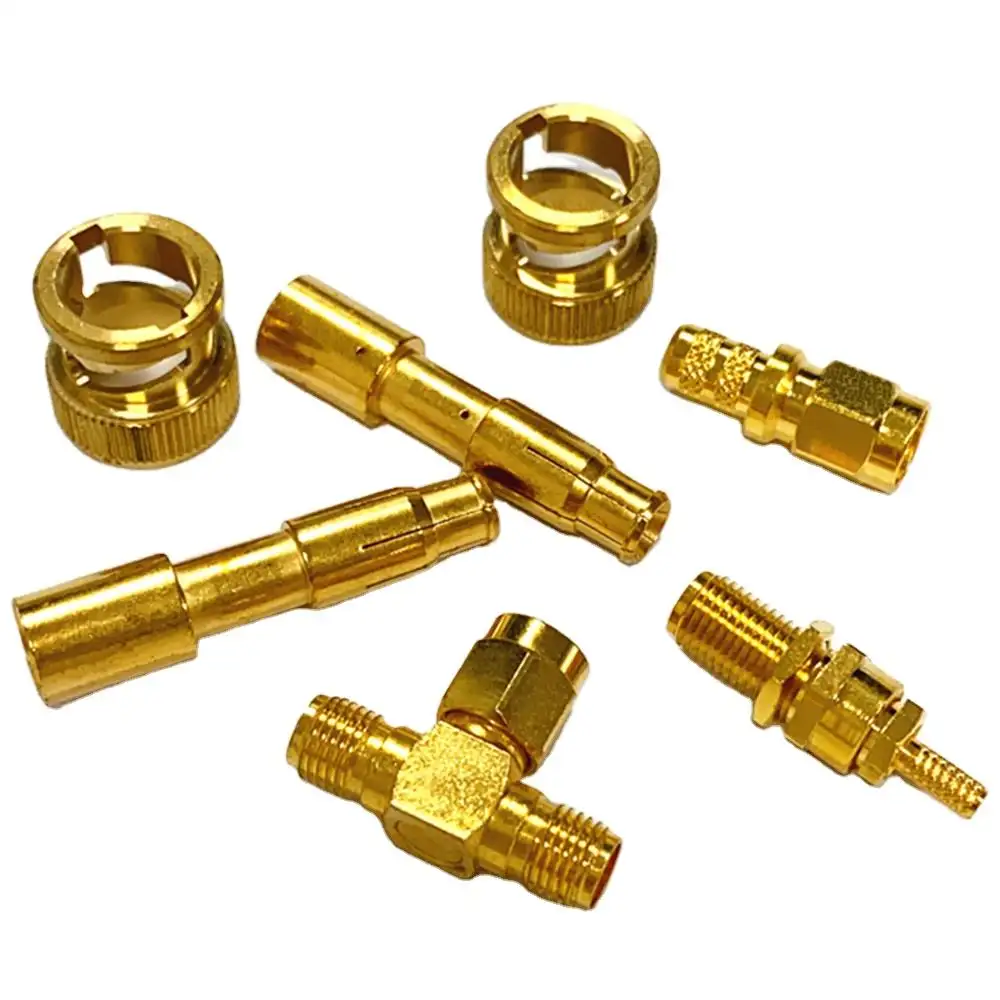
The design flexibility offered by CNC aluminium parts enables engineers and manufacturers to create components that perfectly match their specific requirements without the constraints imposed by traditional manufacturing methods. CNC machining can produce CNC aluminium parts with virtually unlimited geometric complexity, including undercuts, internal cavities, threaded features, and compound angles that would require multiple operations or specialized tooling with other processes. This flexibility allows designers to optimize CNC aluminium parts for their intended function, incorporating features such as integrated mounting points, cable routing channels, ventilation slots, and decorative elements all within a single component. The ability to work with various aluminum grades enables CNC aluminium parts to be tailored for specific performance requirements, from soft, highly machinable alloys for intricate decorative components to high-strength aerospace grades for structural applications. Surface finishing options for CNC aluminium parts are extensive, including natural aluminum finish, anodizing in multiple colors, powder coating, painting, and specialized treatments such as hard coat anodizing or chromate conversion coatings. These finishing options not only enhance the appearance of CNC aluminium parts but also provide additional protection and functionality such as increased wear resistance, improved electrical insulation, or enhanced aesthetic appeal. The rapid prototyping capabilities of CNC machining enable designers to quickly iterate and refine their CNC aluminium parts designs, testing form, fit, and function before committing to production tooling. This iterative design process ensures that the final CNC aluminium parts meet all requirements while minimizing development time and costs. Customization extends to packaging and delivery options, with CNC aluminium parts available in various quantities from single pieces to large production runs, accommodating both prototype development and full-scale manufacturing needs. The combination of material versatility, geometric freedom, finishing options, and rapid production capabilities makes CNC aluminium parts the ideal solution for applications requiring unique, high-performance components that cannot be satisfied by standard off-the-shelf products.