
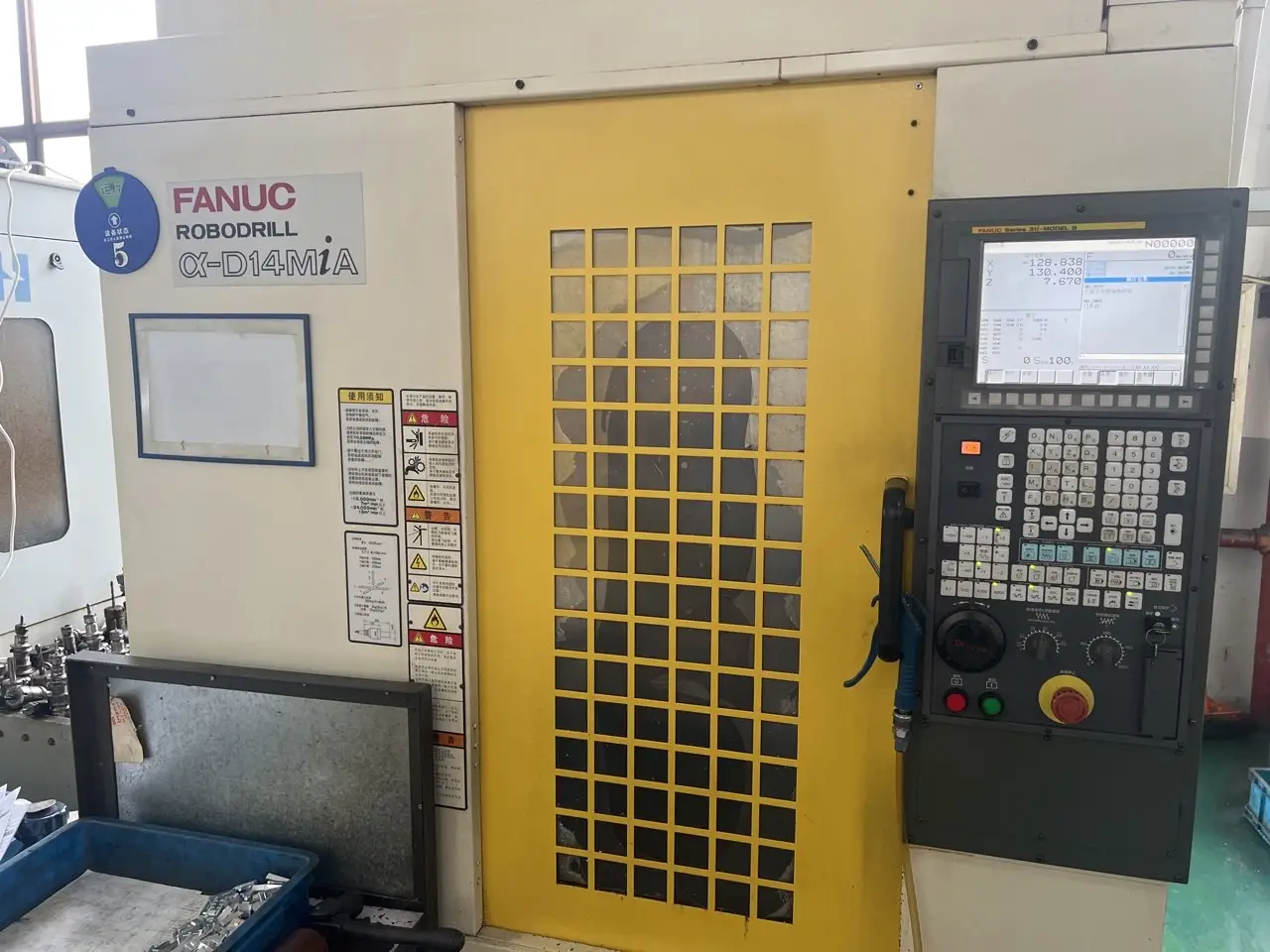
CNC aerospace machining represents one of the most sophisticated manufacturing processes in modern industry, combining computer numerical control technology with specialized techniques designed specifically for aerospace component production. This advanced manufacturing method utilizes computer-controlled machine tools to create precise, complex parts that meet the stringent requirements of aviation and space applications. What is CNC aerospace machining fundamentally involves the automated removal of material from aerospace-grade metals and composites using pre-programmed computer software that controls the movement of cutting tools with exceptional accuracy. The process encompasses multiple machining operations including milling, turning, drilling, and grinding, all performed under strict quality control standards that ensure components meet aerospace industry specifications. CNC aerospace machining incorporates advanced technological features such as multi-axis capabilities, allowing simultaneous movement in multiple directions to create intricate geometries that would be impossible with traditional machining methods. These systems utilize sophisticated CAD/CAM software integration, enabling engineers to design complex parts digitally and translate those designs directly into machine instructions. The technology employs high-speed spindles, precision tooling systems, and advanced workholding fixtures specifically engineered for aerospace materials like titanium alloys, aluminum composites, and specialized steel grades. Applications of CNC aerospace machining span across commercial aviation, military aircraft, spacecraft, and satellite components, producing critical parts such as engine components, structural elements, landing gear assemblies, and flight control systems. The process maintains exceptional dimensional accuracy, typically achieving tolerances within thousandths of an inch, which is essential for aerospace safety standards. Modern CNC aerospace machining centers feature automated tool changers, coolant systems, and in-process measurement capabilities that ensure consistent quality throughout production runs while minimizing human intervention and potential errors.
CNC aerospace machining delivers exceptional precision that surpasses traditional manufacturing methods, ensuring every component meets exact specifications required for safe aircraft operation. This precision translates directly into improved product reliability, reduced maintenance costs, and enhanced safety margins for aerospace applications. The automated nature of CNC aerospace machining eliminates human error variables, providing consistent results across large production runs while maintaining the tight tolerances essential for aerospace components. Manufacturing efficiency represents another significant advantage, as CNC systems operate continuously with minimal supervision, reducing labor costs and increasing production capacity. What is CNC aerospace machining particularly beneficial for is its ability to work with exotic materials commonly used in aerospace applications, including titanium, inconel, and advanced composites that require specialized cutting strategies and precise environmental controls. The technology enables rapid prototyping capabilities, allowing engineers to quickly test design concepts and iterate improvements without lengthy setup procedures associated with conventional machining methods. Quality control benefits include real-time monitoring systems that detect variations immediately, preventing defective parts from progressing through the manufacturing process and reducing waste. CNC aerospace machining offers superior surface finish quality, often eliminating secondary finishing operations and reducing overall production time. The programmable nature of these systems allows for easy modification of manufacturing parameters when design changes occur, providing flexibility that traditional methods cannot match. Cost-effectiveness emerges through reduced material waste, as CNC programming optimizes cutting paths to minimize raw material consumption while maximizing yield from expensive aerospace materials. The technology supports complex geometries that would require multiple operations on conventional machines, consolidating manufacturing steps and reducing handling time between processes. Repeatability ensures that identical components maintain consistent performance characteristics, critical for aerospace applications where component interchangeability is essential for maintenance and repair operations. Advanced CNC aerospace machining systems incorporate predictive maintenance capabilities, reducing unexpected downtime and maintaining production schedules. The integration of quality measurement systems within the machining process provides immediate feedback, enabling real-time adjustments that maintain optimal performance standards throughout production cycles.
Unmatched Precision and Dimensional Accuracy
CNC aerospace machining delivers unprecedented precision levels that define the gold standard for aerospace component manufacturing, achieving dimensional accuracies that consistently meet or exceed the most stringent industry requirements. What is CNC aerospace machining distinguished by is its ability to maintain tolerances within 0.0001 inches across complex geometries, ensuring perfect fit and function of critical aerospace components. This exceptional precision stems from advanced servo motor systems, high-resolution encoders, and sophisticated feedback mechanisms that continuously monitor and adjust cutting tool positions throughout the machining process. The technology employs laser interferometry and touch probe systems for real-time measurement and compensation, automatically correcting for thermal expansion, tool wear, and machine deflection that could affect dimensional accuracy. Modern CNC aerospace machining centers utilize granite or cast iron bases with advanced vibration dampening systems, creating stable platforms that eliminate external influences that could compromise precision. The implementation of closed-loop control systems ensures that programmed dimensions translate accurately to finished components, with automatic error correction capabilities that maintain consistency across extended production runs. Temperature-controlled environments and thermal compensation software account for material expansion and contraction during machining, preserving dimensional stability even when working with materials that exhibit significant thermal characteristics. Multi-axis capabilities enable simultaneous machining operations that eliminate the need for multiple setups, reducing cumulative tolerance stack-up and maintaining geometric relationships between features. Advanced tooling systems with precise runout characteristics and high-quality cutting inserts contribute to surface finish quality and dimensional consistency. The integration of in-process measurement systems allows for immediate verification of critical dimensions without removing parts from machine fixtures, maintaining positional accuracy and enabling real-time adjustments when necessary. Statistical process control integration provides comprehensive documentation of dimensional performance, supporting aerospace quality requirements and traceability standards essential for certification compliance.
Advanced Multi-Axis Capabilities for Complex Geometries
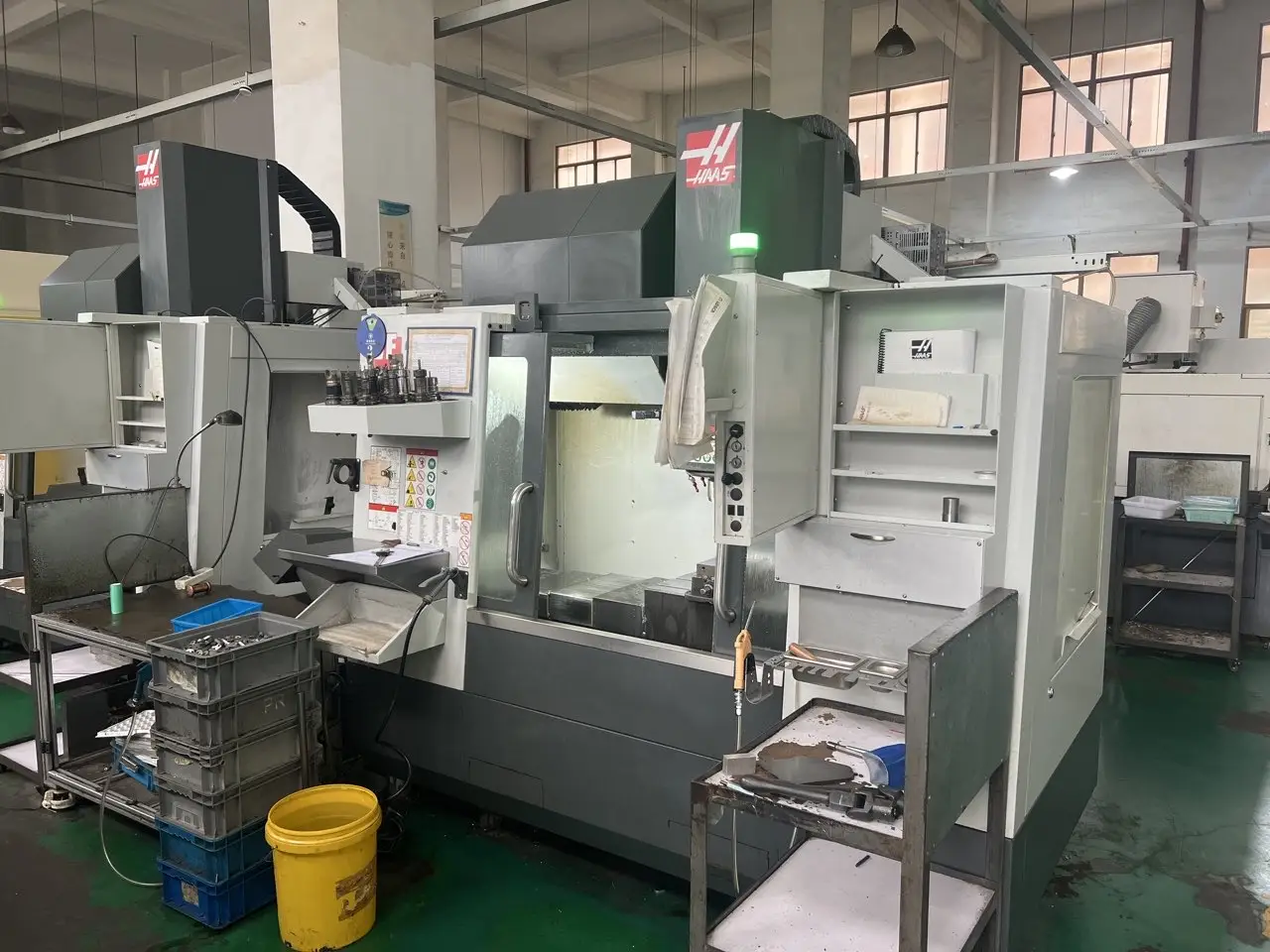
The sophisticated multi-axis capabilities of CNC aerospace machining systems represent a revolutionary advancement in manufacturing complex aerospace components, enabling the production of intricate geometries that would be impossible or prohibitively expensive using conventional machining methods. What is CNC aerospace machining particularly renowned for is its ability to simultaneously control movement in up to nine axes, allowing cutting tools to approach workpieces from virtually any angle while maintaining optimal cutting conditions throughout the machining process. Five-axis machining capabilities enable continuous tool orientation adjustment, eliminating the need for multiple setups and specialized fixtures while maintaining precise geometric relationships between complex features. This technology excels in manufacturing components with compound curves, undercuts, and deep cavities that characterize modern aerospace designs, such as turbine blades, impellers, and structural components with weight-reduction features. Advanced interpolation algorithms coordinate simultaneous axis movements, ensuring smooth tool paths that minimize vibration and tool deflection while maximizing surface finish quality. The capability to machine complex angles and contours in single setups reduces handling time, eliminates setup errors, and maintains dimensional relationships that are critical for aerospace component functionality. Rotary tables and tilting spindle heads provide additional positioning flexibility, enabling access to all surfaces of complex workpieces without compromising accuracy or requiring expensive custom fixtures. Multi-axis programming software optimizes tool paths to minimize machining time while avoiding collisions between cutting tools, workpieces, and machine components. The technology supports simultaneous rough and finish machining operations, with different tools operating on various surfaces concurrently to maximize efficiency. Advanced kinematics ensure that complex interpolated movements maintain programmed feed rates and cutting speeds, preserving optimal cutting conditions regardless of tool orientation. Real-time collision detection and avoidance systems protect expensive components and tooling while enabling aggressive machining strategies that reduce cycle times. The ability to machine multiple features simultaneously reduces the number of operations required, minimizing cumulative errors and improving overall component accuracy while reducing manufacturing lead times essential for aerospace production schedules.
Specialized Material Handling for Aerospace Alloys
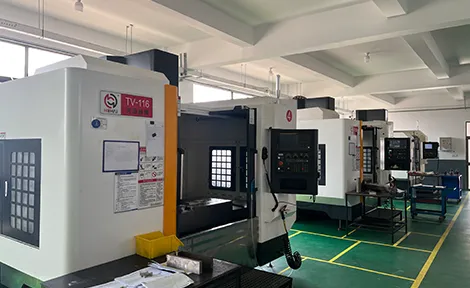
CNC aerospace machining systems incorporate specialized capabilities specifically engineered to handle the unique challenges presented by advanced aerospace materials, including exotic alloys, composites, and superalloys that demand precise cutting strategies and environmental controls. What is CNC aerospace machining particularly effective at is processing materials like titanium alloys, inconel, carbon fiber composites, and specialized steels that exhibit challenging machining characteristics such as work hardening, high strength-to-weight ratios, and thermal sensitivity. Advanced spindle systems with high torque capabilities and precise speed control enable optimal cutting parameters for difficult-to-machine materials, maintaining consistent performance even under demanding conditions. Specialized tooling systems utilize cutting tools with advanced coatings and geometries specifically designed for aerospace materials, extending tool life and maintaining surface finish quality throughout extended machining operations. Sophisticated coolant delivery systems provide flood cooling, high-pressure coolant, and through-tool coolant options that manage heat generation and chip evacuation critical for maintaining material properties and dimensional accuracy. Temperature monitoring and control systems prevent overheating that could compromise material integrity or induce residual stresses that affect component performance. The technology incorporates adaptive feed rate control that automatically adjusts cutting parameters based on real-time cutting force feedback, optimizing material removal rates while preventing tool breakage or workpiece damage. Specialized workholding systems designed for aerospace materials provide secure clamping without inducing distortion or stress concentrations that could affect component performance. Chip evacuation systems ensure continuous removal of swarf and debris, preventing re-cutting and maintaining optimal cutting conditions throughout the machining process. Advanced programming capabilities include material-specific machining strategies that account for the unique characteristics of each alloy type, optimizing tool paths and cutting parameters for maximum efficiency and quality. Environmental controls maintain consistent temperature and humidity levels that prevent material property variations during machining operations. Quality monitoring systems continuously track cutting forces, vibration levels, and temperature variations, providing early warning of potential issues that could affect material integrity. The integration of material certification tracking ensures complete traceability from raw material receipt through finished component delivery, supporting aerospace quality requirements and regulatory compliance essential for aviation applications.