
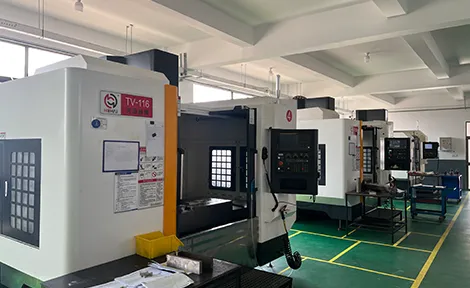
CNC medical device manufacturing represents a revolutionary approach to producing precision medical equipment and components using Computer Numerical Control technology. This sophisticated manufacturing process combines advanced software programming with high-precision machinery to create medical devices that meet the stringent quality standards required in healthcare applications. What is CNC medical device manufacturing fundamentally transforms how medical equipment is produced, offering unprecedented accuracy, consistency, and reliability in manufacturing processes. The technology utilizes computer-controlled cutting tools, milling machines, lathes, and other automated equipment to shape materials into complex medical device components with micron-level precision. CNC medical device manufacturing encompasses the production of surgical instruments, implantable devices, diagnostic equipment components, prosthetics, and various medical hardware. The process begins with detailed 3D modeling and computer-aided design, where engineers create precise specifications for each component. These digital blueprints are then translated into machine-readable code that directs the CNC equipment through every cutting, drilling, and shaping operation. The technological features of CNC medical device manufacturing include multi-axis machining capabilities, real-time quality monitoring systems, automated tool changing mechanisms, and integrated inspection processes. Modern CNC systems can work with various materials including titanium, stainless steel, medical-grade plastics, ceramics, and biocompatible alloys. The manufacturing process maintains strict environmental controls, ensuring sterile conditions and preventing contamination during production. Applications span across multiple medical specialties including orthopedics, cardiology, neurosurgery, and dental care, where precision and reliability are paramount for patient safety and treatment effectiveness.
CNC medical device manufacturing delivers exceptional precision that traditional manufacturing methods simply cannot match, ensuring that every component meets exact specifications required for medical applications. This precision translates directly into better patient outcomes and reduced risk of device failure during critical medical procedures. The automated nature of CNC processes eliminates human error variables that can compromise product quality, providing consistent results across large production runs. Medical device manufacturers benefit from significantly reduced production times compared to conventional machining methods, allowing for faster time-to-market for new medical innovations. The efficiency gains enable manufacturers to respond quickly to healthcare demands and regulatory changes while maintaining cost-effective production schedules. CNC medical device manufacturing offers remarkable material versatility, allowing manufacturers to work with the most advanced biocompatible materials without compromising precision or quality standards. This flexibility enables the development of innovative medical devices that were previously impossible to manufacture using traditional methods. Quality control becomes inherently built into the CNC manufacturing process through continuous monitoring and real-time adjustments, reducing defect rates and ensuring regulatory compliance. The technology provides complete traceability for every manufactured component, creating detailed production records that support FDA approval processes and quality assurance requirements. Cost savings emerge through reduced material waste, as CNC machines optimize cutting patterns and minimize scrap generation during production cycles. The scalability of CNC medical device manufacturing allows companies to adjust production volumes efficiently based on market demand without significant retooling costs or setup time. Risk mitigation becomes a natural benefit as CNC systems reduce dependency on skilled manual labor while maintaining consistent quality standards. The technology supports complex geometries and intricate designs that enable medical device innovations previously limited by manufacturing constraints. Environmental benefits include reduced energy consumption per unit produced and minimized chemical waste through precision material usage and automated processes.
Unmatched Precision and Accuracy in Medical Component Production
CNC medical device manufacturing achieves tolerances as tight as ±0.0001 inches, delivering the extraordinary precision essential for life-critical medical applications. This level of accuracy ensures that surgical instruments fit perfectly, implants integrate seamlessly with human anatomy, and diagnostic equipment provides reliable measurements that healthcare professionals depend upon for patient care decisions. The precision capabilities extend beyond simple dimensional accuracy to include surface finish quality, geometric tolerances, and material consistency that directly impact device performance and patient safety. Advanced CNC systems utilize laser measurement tools, touch probes, and coordinate measuring machines integrated directly into the manufacturing process, providing real-time verification of dimensional accuracy throughout production cycles. This continuous monitoring approach prevents defective components from advancing through manufacturing stages, eliminating costly rework and ensuring that every finished product meets stringent medical device standards. The precision achieved through CNC medical device manufacturing enables the production of complex internal geometries, micro-features, and intricate surface textures that enhance device functionality and biocompatibility. For implantable devices, this precision directly correlates to improved osseointegration, reduced wear rates, and extended device longevity within the human body. Surgical instruments manufactured using CNC processes maintain sharp cutting edges, precise alignment, and consistent performance characteristics that surgeons rely upon during delicate procedures. The accuracy benefits extend to diagnostic equipment components where precise mechanical tolerances ensure accurate measurements and reliable operation under demanding clinical conditions. Quality assurance protocols built into CNC medical device manufacturing processes provide comprehensive documentation and traceability for regulatory compliance while maintaining the precision standards required for FDA approval and international medical device certifications.

Enhanced Production Efficiency and Scalability Solutions
CNC medical device manufacturing revolutionizes production efficiency by automating complex manufacturing processes that traditionally required extensive manual labor and specialized craftsmanship. The technology enables continuous operation with minimal human intervention, significantly reducing production cycle times while maintaining consistent quality standards across all manufactured components. Automated tool changing systems allow CNC machines to complete multiple manufacturing operations in a single setup, eliminating time-consuming manual repositioning and reducing the potential for errors that occur during component handling. The efficiency gains translate into faster product development cycles, enabling medical device companies to bring innovative solutions to market more quickly and respond rapidly to emerging healthcare needs. Production scheduling becomes more predictable and reliable with CNC medical device manufacturing, as computerized systems provide accurate time estimates for manufacturing operations and enable precise capacity planning. The scalability advantages allow manufacturers to adjust production volumes seamlessly, from prototype development through full-scale commercial production, without significant retooling investments or extended setup periods. Batch processing capabilities enable efficient production of multiple device types simultaneously, maximizing machine utilization and reducing per-unit manufacturing costs. The technology supports lean manufacturing principles by minimizing work-in-process inventory, reducing material handling requirements, and streamlining production workflows. Integration with enterprise resource planning systems enables real-time production monitoring, inventory management, and quality tracking throughout manufacturing operations. Flexibility in production scheduling allows manufacturers to accommodate rush orders, custom device requirements, and varying production volumes without disrupting established manufacturing workflows. The efficiency benefits extend to reduced labor costs, lower overhead expenses, and improved return on manufacturing investments through optimized machine utilization and consistent production output.
Superior Quality Control and Regulatory Compliance Assurance
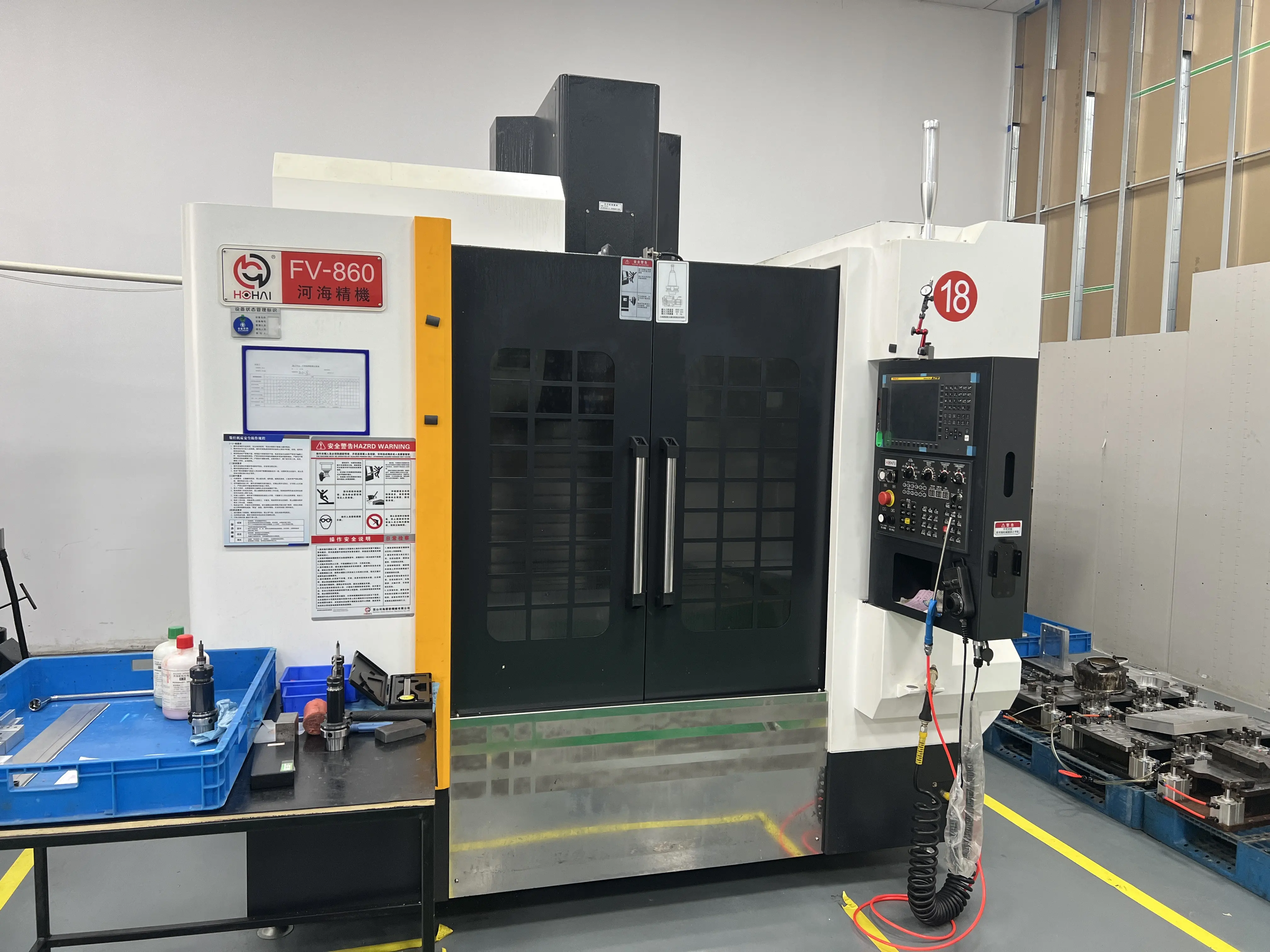
CNC medical device manufacturing incorporates sophisticated quality control systems that provide unprecedented visibility and control over every aspect of the production process, ensuring compliance with FDA regulations, ISO 13485 standards, and other international medical device quality requirements. Integrated inspection systems perform continuous dimensional verification, surface finish analysis, and material property testing throughout manufacturing cycles, creating comprehensive quality documentation that supports regulatory submissions and audit requirements. The automated quality control approach eliminates subjective human inspection variables while providing objective, quantifiable measurements that demonstrate consistent adherence to design specifications and quality standards. Statistical process control capabilities enable real-time monitoring of manufacturing trends, early detection of potential quality issues, and proactive adjustments to maintain optimal production parameters. Traceability systems built into CNC medical device manufacturing processes create detailed records for every component, including material certifications, manufacturing parameters, inspection results, and operator information, supporting complete product lifecycle documentation requirements. The quality assurance benefits extend to risk management through predictive maintenance systems that monitor machine condition, cutting tool wear, and process stability to prevent quality degradation before it occurs. Validation protocols integrated into CNC manufacturing processes provide the documented evidence required for medical device validation studies and regulatory approval processes. Non-conformance detection systems automatically identify and isolate defective components, preventing their advancement through production stages and ensuring that only compliant products reach final inspection. Quality control integration with design controls ensures that manufacturing processes consistently produce devices that meet their intended use requirements and performance specifications. The comprehensive quality management approach supported by CNC medical device manufacturing reduces the risk of product recalls, regulatory citations, and quality-related customer complaints while enhancing overall patient safety and device effectiveness.