
Metal stamping
Stamping parts services
The viable stamping route depends on geometry, material strip, annual demand, tooling scope, burr direction and the controls needed to hold critical dimensions across production.
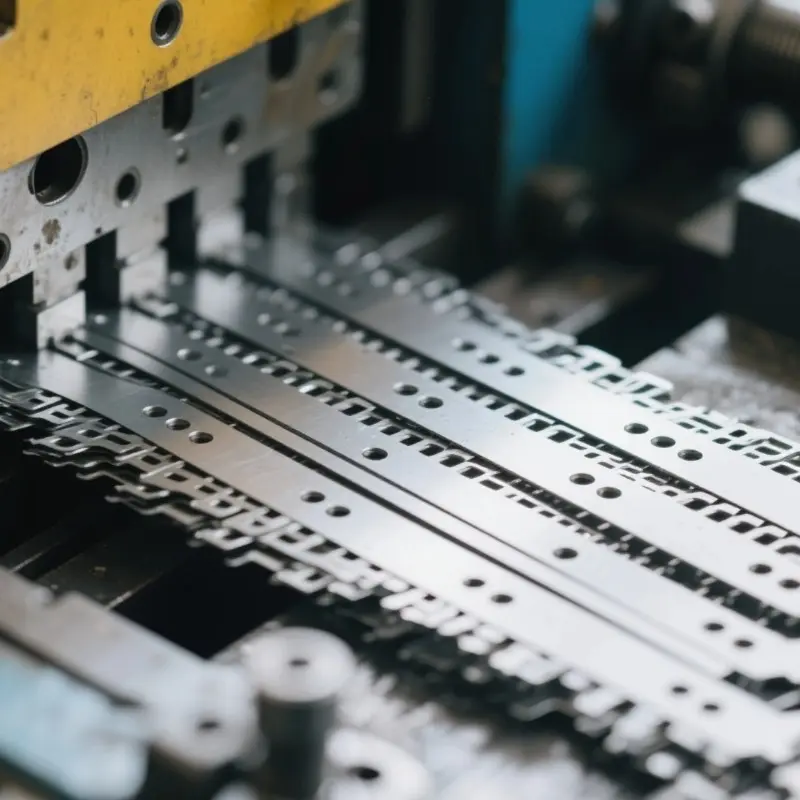
Processing scope
What this service can include
- Blanking, piercing and forming review
- Progressive or staged tooling assessment
- Prototype-to-production route comparison
- Burr, flatness and critical-dimension control planning
Buyer inputs
What to include in the RFQ
- Part drawing and functional interfaces
- Material grade, temper and thickness
- Prototype and annual volume
- Tool ownership, life and maintenance expectations
- Burr direction, flatness and inspection plan
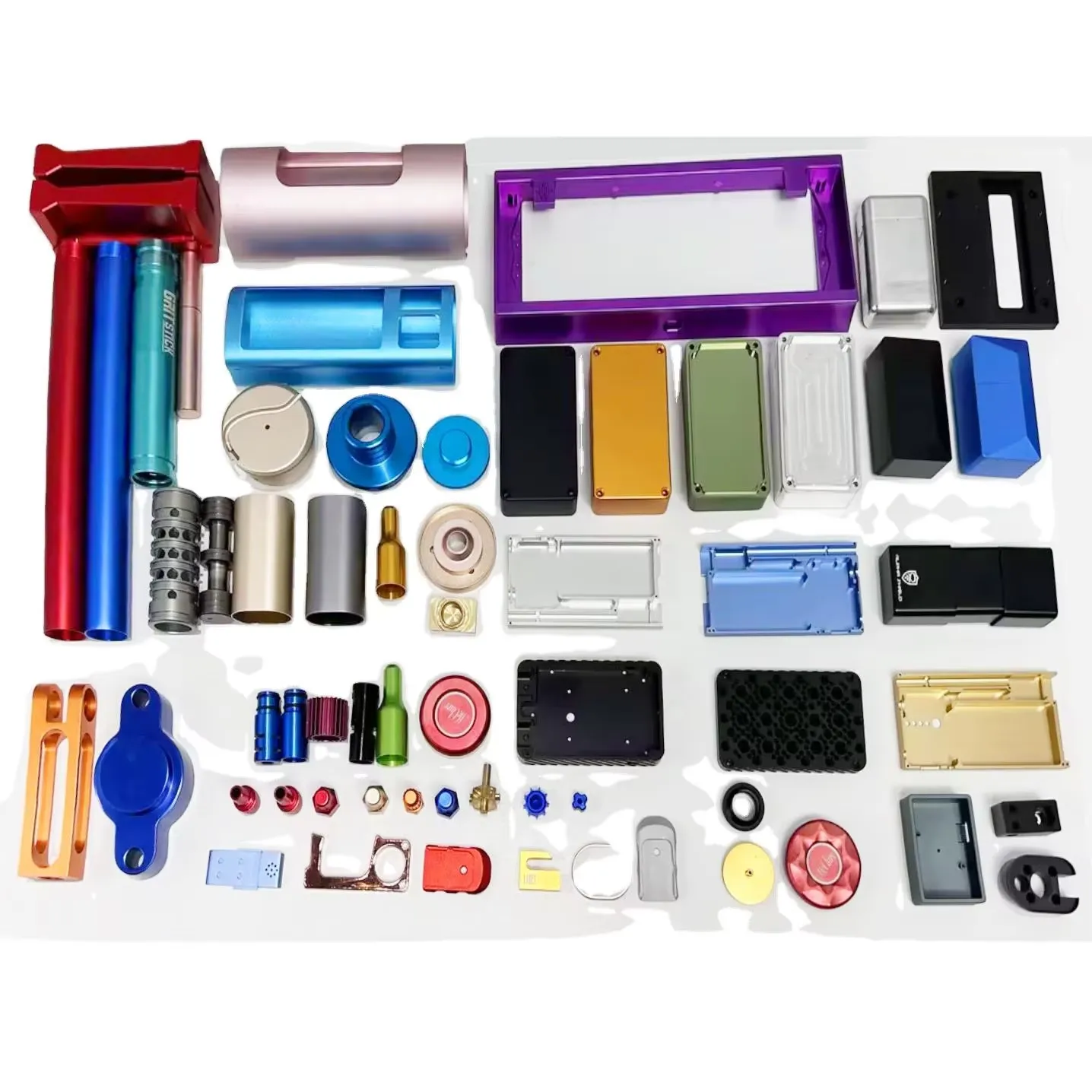
Products & equipment
Sample evidence must connect to the process.
These retained images show product or equipment context available for review.
- Evidence pointPress capacity selected after part/tool review
- Evidence pointTooling, die and maintenance resources
- Evidence pointIn-process gauges and sample inspection
- Evidence pointPacking controls for thin or cosmetic parts
Technical data
Project limits must be verified before commitment.
The drawing, material, quantity and inspection requirements determine the project-specific manufacturing route.
Manufacturing workflow
One controlled route from RFQ to shipment.
- 01 · Requirement reviewDrawing revision, material, quantity and critical requirements.
- 02 · DFM & process planManufacturing route, open questions, tooling and inspection checkpoints.
- 03 · Production & in-process controlApproved inputs, controlled setup and risk-based checks.
- 04 · Final verificationAgreed dimensions, documentation, finish, marking and packaging.
Service FAQ
Questions to resolve before commitment.
When does production tooling make sense?
Tooling economics depend on geometry, material, forecast volume, expected program life and the alternative machining or fabrication route.
What should be defined about burrs?
State allowable burr height, preferred burr direction, edge-break requirements and any functional or safety interfaces.
Next step
Let the drawing determine the answer.
Send the latest files and commercial context so the process and inspection route can be reviewed together.