
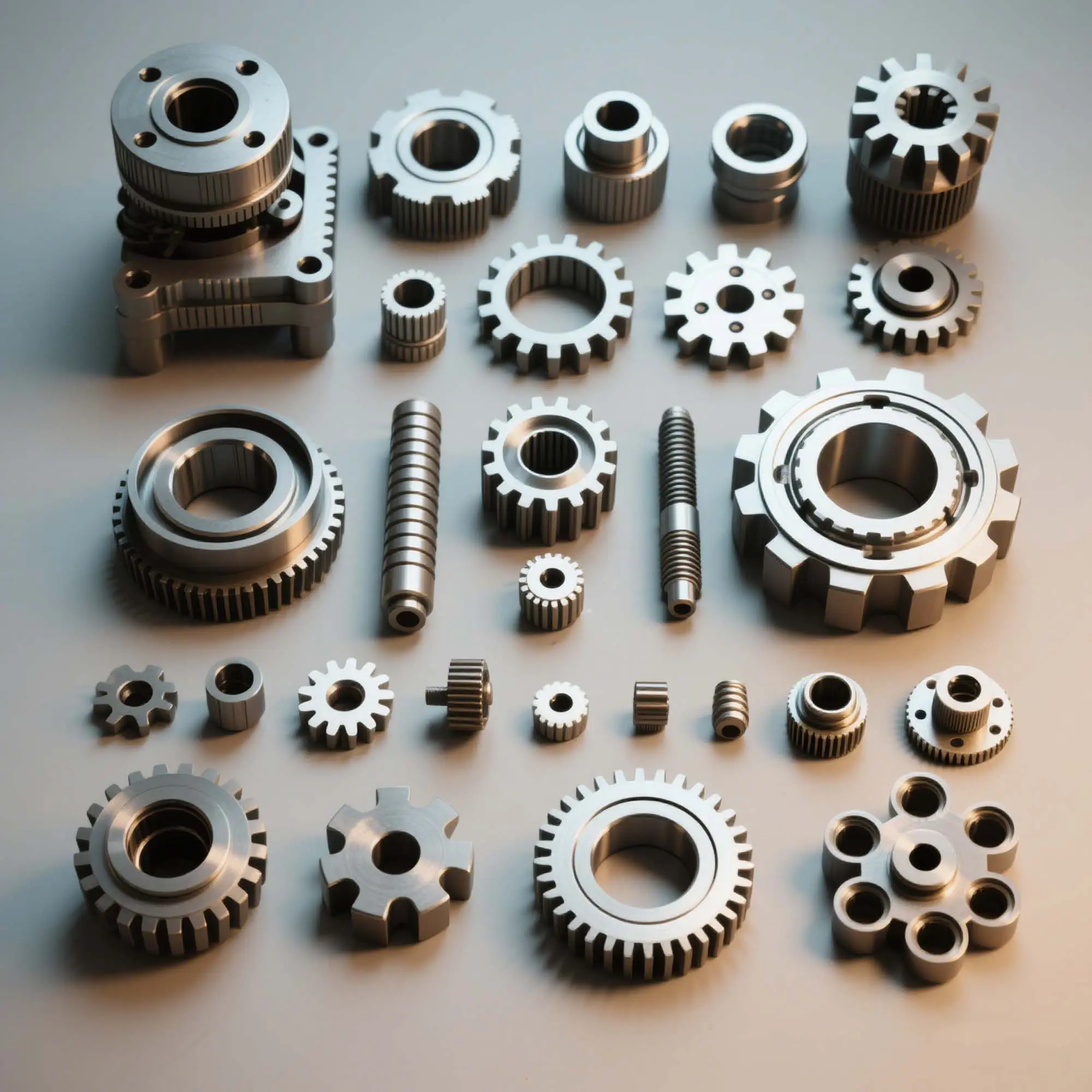
A CNC lathe machine working represents a pinnacle of modern manufacturing technology that revolutionizes the precision machining industry. This computer numerically controlled system operates by rotating workpieces against cutting tools to create cylindrical shapes, threads, and complex geometries with exceptional accuracy. The cnc lathe machine working process begins when operators load raw materials into the chuck or collet system, which securely holds the workpiece during rotation. The machine’s sophisticated control system interprets programmed instructions to guide cutting tools along predetermined paths, removing material with microscopic precision. The main functions of cnc lathe machine working encompass turning operations, facing, threading, drilling, boring, and grooving. These versatile machines excel at producing components ranging from simple shafts to intricate aerospace parts. The technological features include servo-driven spindles that maintain consistent rotational speeds, programmable tool changers that automatically select appropriate cutting implements, and advanced feedback systems that monitor performance in real-time. Modern cnc lathe machine working incorporates live tooling capabilities, allowing for milling operations without repositioning workpieces. The control systems feature user-friendly interfaces with graphical programming options, making complex operations accessible to operators with varying skill levels. Temperature compensation systems ensure dimensional accuracy despite thermal variations, while integrated coolant systems maintain optimal cutting conditions. Applications span across automotive manufacturing, where cnc lathe machine working produces engine components, transmission parts, and suspension elements. Aerospace industries rely on these machines for creating turbine blades, landing gear components, and structural elements requiring tight tolerances. Medical device manufacturing utilizes cnc lathe machine working for producing surgical instruments, implants, and diagnostic equipment. The oil and gas sector depends on these machines for manufacturing drilling components, valve bodies, and pipeline fittings that must withstand extreme operating conditions.
The advantages of cnc lathe machine working extend far beyond traditional manufacturing methods, delivering transformative benefits that directly impact productivity and profitability. Precision stands as the foremost advantage, with cnc lathe machine working achieving tolerances within micrometers, ensuring consistent quality across production runs. This level of accuracy eliminates costly rework and reduces material waste significantly. Speed represents another crucial benefit, as cnc lathe machine working operates continuously without fatigue, completing complex parts in fractions of the time required by manual methods. Operators can program multiple operations into single setups, reducing handling time and increasing throughput substantially. Consistency becomes guaranteed with cnc lathe machine working, as each component emerges identical to specifications regardless of production volume. This reliability builds customer confidence and strengthens brand reputation in competitive markets. Cost-effectiveness manifests through reduced labor requirements, as one skilled operator can manage multiple cnc lathe machine working units simultaneously. The automation eliminates human error, preventing expensive mistakes that plague manual operations. Flexibility allows manufacturers to switch between different products quickly by simply loading new programs, making cnc latle machine working ideal for both high-volume production and custom manufacturing. Safety improvements occur naturally, as operators work away from moving parts and cutting zones, reducing workplace accidents and insurance costs. Quality control becomes integrated into the cnc lathe machine working process through real-time monitoring systems that detect deviations immediately. Material optimization results from precise cutting paths that minimize waste, contributing to environmental sustainability while reducing raw material costs. Scalability enables businesses to increase production capacity without proportional increases in workforce, making cnc lathe machine working essential for growth strategies. Documentation capabilities provide complete traceability for quality assurance and regulatory compliance. The technology adapts to various materials including exotic alloys, composites, and hardened steels that challenge conventional machining methods. Training requirements decrease as intuitive interfaces make cnc lathe machine working accessible to newer technicians while veteran machinists enhance their capabilities. Remote monitoring capabilities allow supervisors to oversee cnc lathe machine working operations from anywhere, optimizing resource allocation and response times.
Unmatched Precision and Repeatability in Manufacturing
The precision capabilities of cnc lathe machine working represent a quantum leap in manufacturing accuracy that transforms how industries approach component production. Modern cnc lathe machine working systems achieve tolerances as tight as ±0.0001 inches, a level of precision that was impossible with manual machining methods. This extraordinary accuracy stems from advanced servo motor systems that control tool movement with microscopic increments, ensuring every cut follows programmed specifications exactly. The repeatability factor means that whether producing the first part or the thousandth, cnc lathe machine working maintains identical dimensions and surface finishes throughout the entire production run. This consistency eliminates the variability inherent in human-operated machinery, where fatigue, skill differences, and environmental factors can affect quality. Temperature compensation systems within cnc lathe machine working automatically adjust for thermal expansion, maintaining dimensional accuracy even as machines warm up during operation. High-resolution encoders provide real-time position feedback, allowing the control system to correct minute deviations instantly. The rigid machine construction, featuring cast iron bases and precision-ground ways, provides the stability necessary for maintaining accuracy during heavy cutting operations. Advanced interpolation algorithms enable cnc lathe machine working to create smooth curved surfaces and complex profiles that would require multiple setups on conventional machines. Quality control integration allows operators to measure critical dimensions during machining cycles, with automatic adjustments made if variations are detected. This precision translates directly into reduced assembly time for customers, as parts fit together perfectly without manual adjustment or modification. Industries manufacturing critical components such as medical implants, aerospace fasteners, and precision instruments rely on cnc lathe machine working to meet stringent regulatory requirements where dimensional accuracy can impact safety and performance. The economic impact of this precision cannot be overstated, as reduced scrap rates, eliminated rework, and improved customer satisfaction contribute significantly to profitability and competitive advantage in demanding markets.
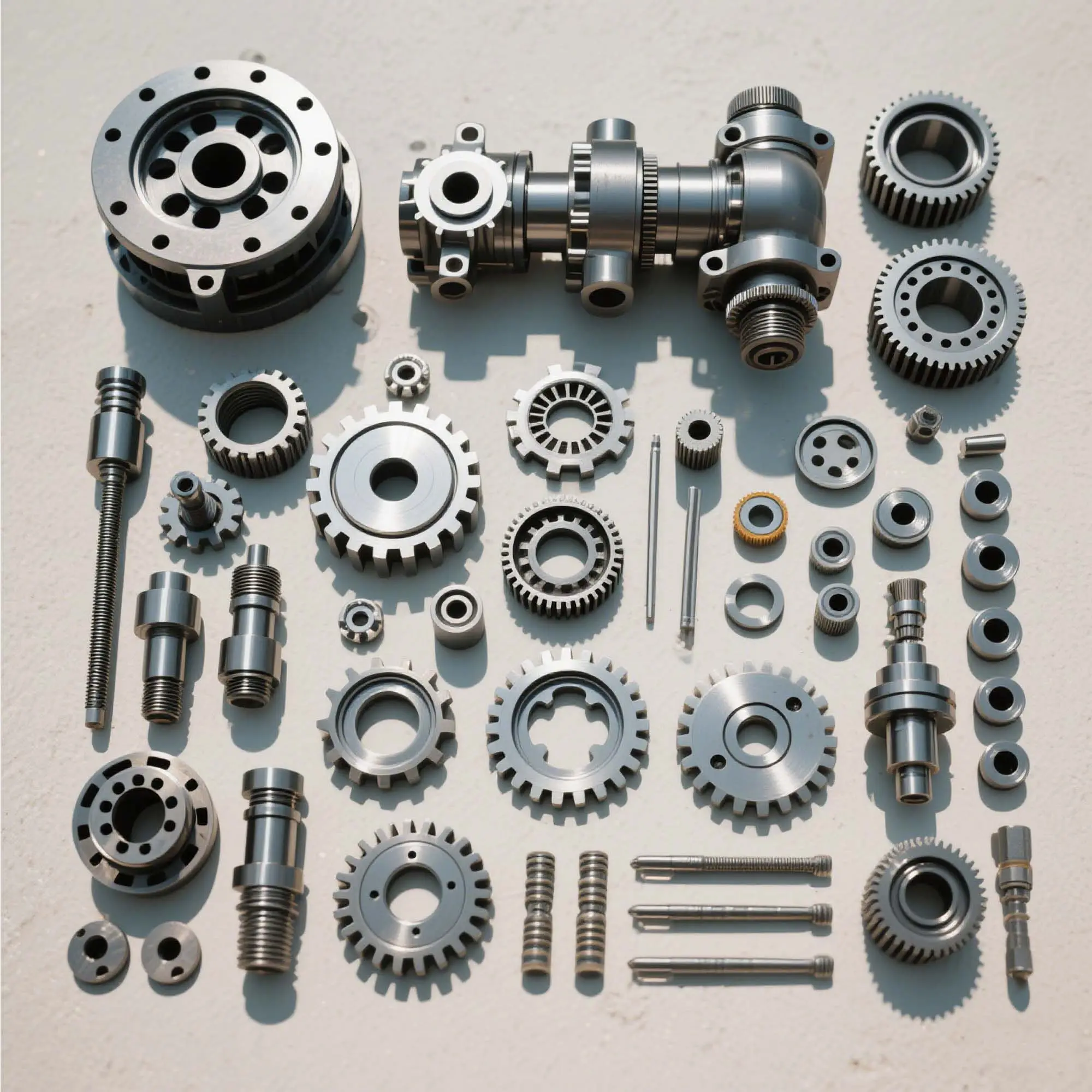
Revolutionary Automation and Productivity Enhancement
The automation capabilities of cnc lathe machine working fundamentally transform manufacturing productivity by eliminating human limitations and optimizing operational efficiency. Modern cnc lathe machine working systems operate continuously for extended periods, requiring minimal human intervention while maintaining consistent output quality. Automated tool changers allow these machines to perform multiple operations in single setups, dramatically reducing cycle times and increasing throughput compared to manual machining methods. The programming flexibility of cnc lathe machine working enables operators to optimize cutting parameters, tool paths, and operational sequences to maximize material removal rates while preserving tool life. Lights-out manufacturing becomes possible with cnc lathe machine working, as these systems can operate unattended during night shifts and weekends with appropriate safety measures and monitoring systems in place. Predictive maintenance systems integrated into cnc lathe machine working monitor component wear and performance parameters, scheduling maintenance activities before failures occur to minimize unexpected downtime. Advanced workholding systems automatically position and secure workpieces, ensuring proper alignment and reducing setup times significantly. The ability to machine complex geometries in single operations eliminates multiple setups and transfers, reducing handling time and potential errors while improving surface finish quality. Inventory management benefits from cnc lathe machine working automation, as just-in-time production becomes feasible with rapid changeover capabilities and consistent processing times. Labor cost reduction occurs naturally as skilled operators can supervise multiple cnc lathe machine working units simultaneously, multiplying individual productivity without compromising quality standards. Real-time production monitoring provides managers with instant visibility into manufacturing progress, enabling rapid response to changing priorities or customer demands. Integration with enterprise resource planning systems allows cnc lathe machine working operations to communicate directly with scheduling and inventory systems, optimizing workflow and resource allocation automatically. The scalability of automated cnc lathe machine working systems enables manufacturers to increase capacity incrementally without proportional increases in facility space or workforce requirements, supporting sustainable business growth strategies.
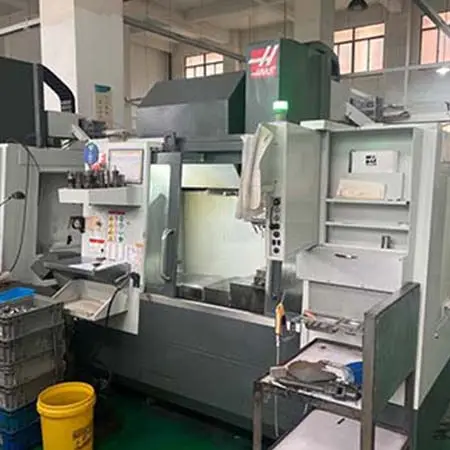
Exceptional Versatility and Material Handling Capabilities
The versatility of cnc lathe machine working extends across an impressive range of materials, geometries, and applications, making these machines indispensable for diverse manufacturing requirements. Modern cnc lathe machine working systems handle everything from soft aluminum alloys to hardened tool steels, exotic superalloys, and advanced composites with equal proficiency. This material flexibility results from sophisticated spindle systems that provide optimal speed and torque combinations for different cutting requirements. Variable speed control in cnc lathe machine working allows operators to optimize cutting conditions for each material type, maximizing productivity while minimizing tool wear and ensuring superior surface finishes. Live tooling capabilities transform cnc lathe machine working into complete machining centers, enabling milling, drilling, and tapping operations without workpiece repositioning, significantly reducing cycle times for complex components. Multi-axis functionality in advanced cnc lathe machine working systems allows for simultaneous operations on multiple surfaces, creating intricate geometries that would require numerous setups on conventional equipment. The ability to machine both external and internal features in single operations makes cnc lathe machine working ideal for producing complex components such as hydraulic valves, transmission cases, and engine blocks. Threading capabilities range from fine pitch precision threads to large diameter power threads, with cnc lathe machine working systems maintaining perfect pitch accuracy across varying diameters and materials. Workpiece size flexibility accommodates components ranging from tiny electronic parts measuring millimeters to large industrial components weighing several tons, demonstrating the scalability of cnc lathe machine working technology. Custom tooling integration allows manufacturers to develop specialized cutting solutions for unique applications, expanding the capabilities of cnc lathe machine working beyond standard operations. Part complexity handling includes features such as undercuts, grooves, chamfers, and radius transitions that would be challenging or impossible with manual methods. The programming flexibility of cnc lathe machine working enables operators to optimize machining strategies for each unique component, balancing productivity, quality, and tool life considerations. Integration with auxiliary equipment such as bar feeders, part catchers, and automated measurement systems creates complete manufacturing cells centered around cnc lathe machine working units, maximizing efficiency and minimizing labor requirements while maintaining exceptional quality standards throughout diverse production requirements.