
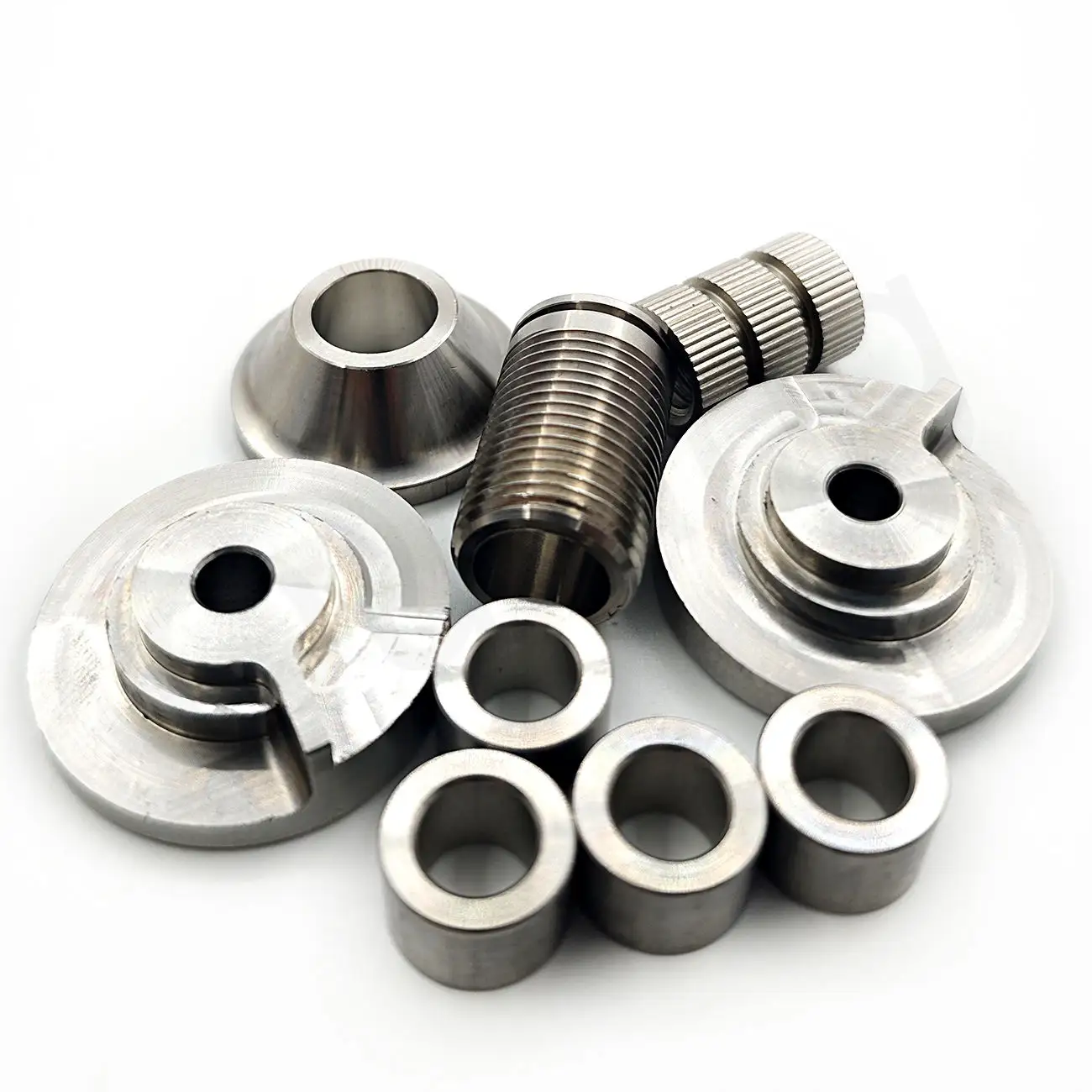
Custom CNC cutting represents a revolutionary manufacturing process that transforms raw materials into precise, tailored components through computer-controlled machining operations. This advanced technology utilizes sophisticated software programming to guide cutting tools along predetermined paths, enabling manufacturers to create parts with exceptional accuracy and consistency. The process begins with detailed CAD designs that specify exact dimensions, tolerances, and geometric features required for each component. These digital blueprints are then converted into machine-readable instructions that control every aspect of the cutting operation. Custom CNC cutting encompasses various machining techniques including milling, turning, drilling, and grinding, each optimized for specific material types and part geometries. The technology supports an extensive range of materials from metals like aluminum, steel, and titanium to plastics, composites, and exotic alloys. Modern custom CNC cutting systems feature multi-axis capabilities, allowing simultaneous movement in multiple directions to create complex three-dimensional shapes that would be impossible to achieve through conventional manufacturing methods. The process delivers remarkable precision with tolerances often reaching within thousandths of an inch, making it ideal for applications requiring exact specifications. Quality control systems integrated into custom CNC cutting operations continuously monitor dimensional accuracy throughout production, ensuring every part meets stringent requirements. The technology excels at producing both prototype quantities and high-volume production runs with consistent quality levels. Advanced tooling systems automatically change cutting implements based on programmed sequences, optimizing efficiency and reducing manual intervention. Custom CNC cutting operations can accommodate rush orders and complex scheduling requirements while maintaining quality standards. The process generates minimal waste compared to traditional manufacturing methods, as computer-controlled precision minimizes material removal beyond specified requirements. Environmental benefits include reduced energy consumption and improved material utilization rates, supporting sustainable manufacturing practices.
Custom CNC cutting delivers substantial cost savings through reduced labor requirements and minimized material waste, making it an economical choice for businesses seeking efficient manufacturing solutions. The automated nature of custom CNC cutting eliminates the need for skilled machinists to manually operate equipment, reducing labor costs while maintaining consistent production quality. Companies benefit from faster turnaround times as custom CNC cutting systems operate continuously with minimal supervision, enabling 24-hour production capabilities that accelerate project completion schedules. The precision inherent in custom CNC cutting reduces the need for secondary finishing operations, saving both time and additional processing costs. Material optimization achieved through custom CNC cutting significantly reduces waste generation, as computer-controlled cutting paths minimize excess material removal while maximizing yield from raw stock. Quality consistency represents another major advantage, as custom CNC cutting produces identical parts regardless of production volume, eliminating variations that plague manual manufacturing processes. The flexibility of custom CNC cutting allows rapid design modifications without requiring expensive tooling changes, enabling quick responses to customer requirements or design improvements. Scalability becomes effortless with custom CNC cutting, as production volumes can be easily adjusted by simply modifying program parameters rather than reconfiguring entire manufacturing setups. Risk reduction occurs through the elimination of human error factors that commonly affect manual machining operations, resulting in fewer defective parts and reduced rework costs. Custom CNC cutting supports complex geometries that would be extremely difficult or impossible to achieve through conventional methods, expanding design possibilities and enabling innovative product development. The technology accommodates various material types within the same setup, allowing manufacturers to diversify their capabilities without investing in specialized equipment for each material category. Documentation and traceability improve with custom CNC cutting systems that automatically record production parameters and quality metrics for each part produced. Lead time reduction becomes possible as custom CNC cutting eliminates the need for complex fixture design and setup procedures required by traditional manufacturing methods. The repeatability of custom CNC cutting ensures that replacement parts can be manufactured years later with identical specifications, supporting long-term customer service commitments and warranty obligations.
Unmatched Precision and Quality Control
The precision capabilities of custom CNC cutting set new standards for manufacturing excellence, delivering dimensional accuracy that surpasses traditional machining methods by significant margins. This extraordinary precision stems from advanced servo motor systems and high-resolution encoders that control cutting tool movements with micro-level accuracy, ensuring every cut follows the programmed path exactly. Custom CNC cutting systems utilize sophisticated feedback mechanisms that continuously monitor tool position and automatically compensate for any deviations, maintaining consistent quality throughout extended production runs. The integration of laser measurement systems and touch probes enables real-time quality verification, allowing operators to detect and correct any variations before they affect subsequent parts. Temperature compensation algorithms built into custom CNC cutting controllers adjust for thermal expansion effects that could impact dimensional stability, ensuring parts maintain specified tolerances even during long machining cycles. The computer-controlled nature of custom CNC cutting eliminates human variability factors that traditionally contribute to dimensional inconsistencies, resulting in parts that meet or exceed customer specifications consistently. Advanced tooling systems equipped with wear monitoring capabilities automatically notify operators when cutting tools approach replacement thresholds, preventing quality degradation due to tool wear. Multi-point inspection routines programmed into custom CNC cutting operations verify critical dimensions at multiple stages, providing comprehensive quality assurance throughout the manufacturing process. Statistical process control integration enables custom CNC cutting systems to track quality trends and identify potential issues before they impact production, supporting proactive quality management strategies. The precision achievable through custom CNC cutting opens opportunities for applications in aerospace, medical devices, and precision instrumentation where dimensional accuracy directly impacts performance and safety. Geometric tolerance capabilities inherent in custom CNC cutting ensure proper fit and function of mating components, reducing assembly complications and improving overall product reliability. Surface finish quality produced by custom CNC cutting often eliminates the need for secondary finishing operations, reducing costs while maintaining aesthetic and functional requirements.
Exceptional Material Versatility and Adaptability
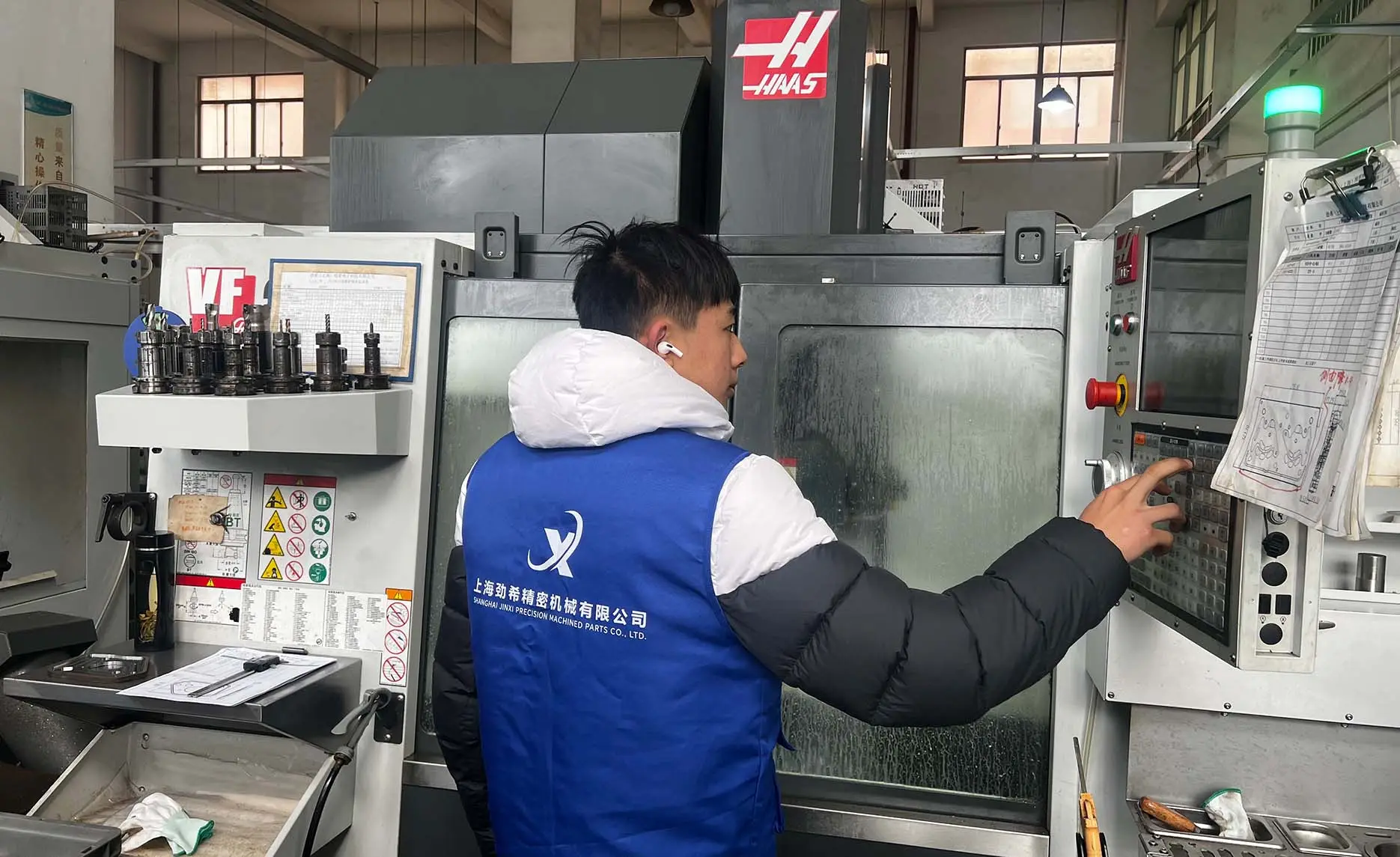
Custom CNC cutting demonstrates remarkable versatility in material processing capabilities, accommodating an extensive range of substances from common metals to exotic aerospace alloys and advanced composite materials. This adaptability stems from programmable cutting parameters that can be optimized for each material’s unique characteristics, ensuring optimal processing conditions regardless of material type or hardness level. Aluminum processing through custom CNC cutting achieves excellent surface finishes and tight tolerances while maintaining high material removal rates, making it ideal for aerospace and automotive applications. Steel machining capabilities of custom CNC cutting systems handle various grades from mild steel to hardened tool steels, adapting cutting speeds and feeds to match material properties and achieve desired results. Titanium processing represents one of the most challenging applications for custom CNC cutting, yet modern systems successfully machine this difficult material by utilizing specialized tooling and optimized cutting strategies. Plastic and composite material processing through custom CNC cutting requires different approaches than metal cutting, with systems automatically adjusting parameters to prevent melting or delamination while maintaining dimensional accuracy. The ability to switch between materials without major reconfiguration makes custom CNC cutting extremely valuable for job shops and manufacturers serving diverse industries with varying material requirements. Tool selection automation in custom CNC cutting systems ensures optimal cutting implements are used for each material type, maximizing efficiency while preventing premature tool wear or part quality issues. Coolant and lubrication systems integrated into custom CNC cutting operations adapt to material requirements, providing appropriate cooling and chip evacuation for different material types. Programming flexibility allows custom CNC cutting operators to create material-specific cutting strategies that optimize surface finish, dimensional accuracy, and production efficiency for each application. The material versatility of custom CNC cutting enables manufacturers to expand their service offerings without investing in specialized equipment for each material category, improving business flexibility and market opportunities. Quality assurance protocols in custom CNC cutting operations can be customized for different material types, ensuring appropriate inspection methods and tolerance verification procedures are applied based on material characteristics and application requirements.
Rapid Prototyping and Production Flexibility
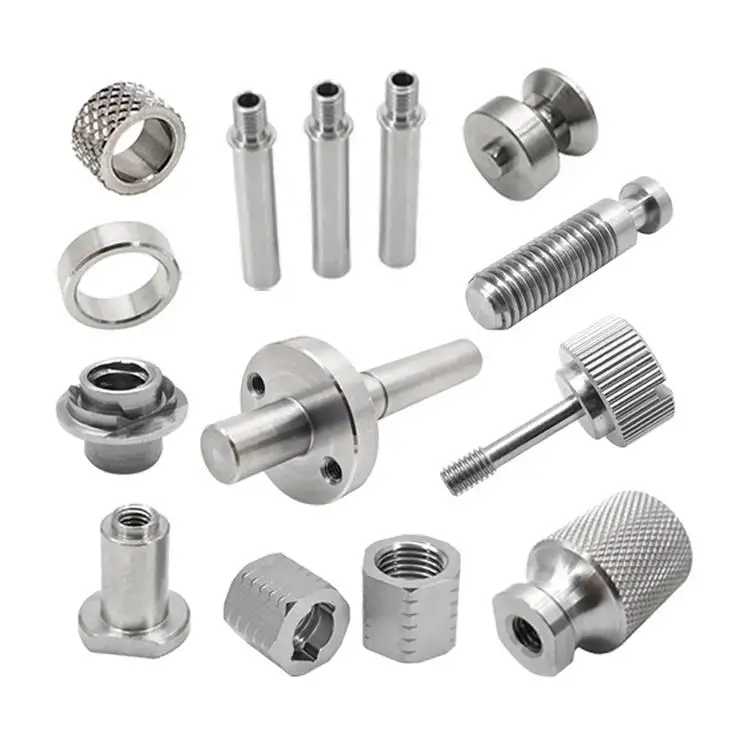
Custom CNC cutting excels in rapid prototyping applications, enabling designers and engineers to quickly transform concepts into physical components for testing and evaluation purposes. The speed advantage of custom CNC cutting in prototype development comes from the ability to directly machine parts from CAD files without requiring expensive tooling or lengthy setup procedures. Design iteration becomes seamless with custom CNC cutting, as modifications can be implemented simply by updating program parameters rather than creating new manufacturing fixtures or processes. The flexibility of custom CNC cutting supports small batch production runs economically, making it viable to produce limited quantities without the high setup costs associated with traditional manufacturing methods. Rush order capabilities inherent in custom CNC cutting operations allow manufacturers to respond quickly to urgent customer requirements, often delivering parts within days rather than weeks. Programming versatility enables custom CNC cutting systems to accommodate complex part geometries and unusual features that would be difficult or impossible to produce through conventional manufacturing processes. The ability to produce functional prototypes using actual production materials through custom CNC cutting provides more accurate performance evaluation compared to prototypes made from substitute materials. Custom CNC cutting supports concurrent engineering approaches where multiple design variations can be quickly produced and tested, accelerating product development cycles and reducing time-to-market. Low-volume production flexibility makes custom CNC cutting ideal for specialty applications, custom products, and markets where high-volume manufacturing would not be economically viable. Design validation through custom CNC cutting prototyping identifies potential manufacturing issues early in the development process, preventing costly problems during full-scale production. The rapid changeover capabilities of custom CNC cutting systems enable efficient production of multiple part numbers within the same production run, maximizing equipment utilization and reducing scheduling complexity. Custom CNC cutting supports agile manufacturing principles by enabling quick responses to changing customer requirements and market conditions without significant retooling investments. Documentation and program storage capabilities ensure that custom CNC cutting operations can reproduce parts exactly when needed, supporting ongoing prototype development and small-scale production requirements throughout product lifecycles.