
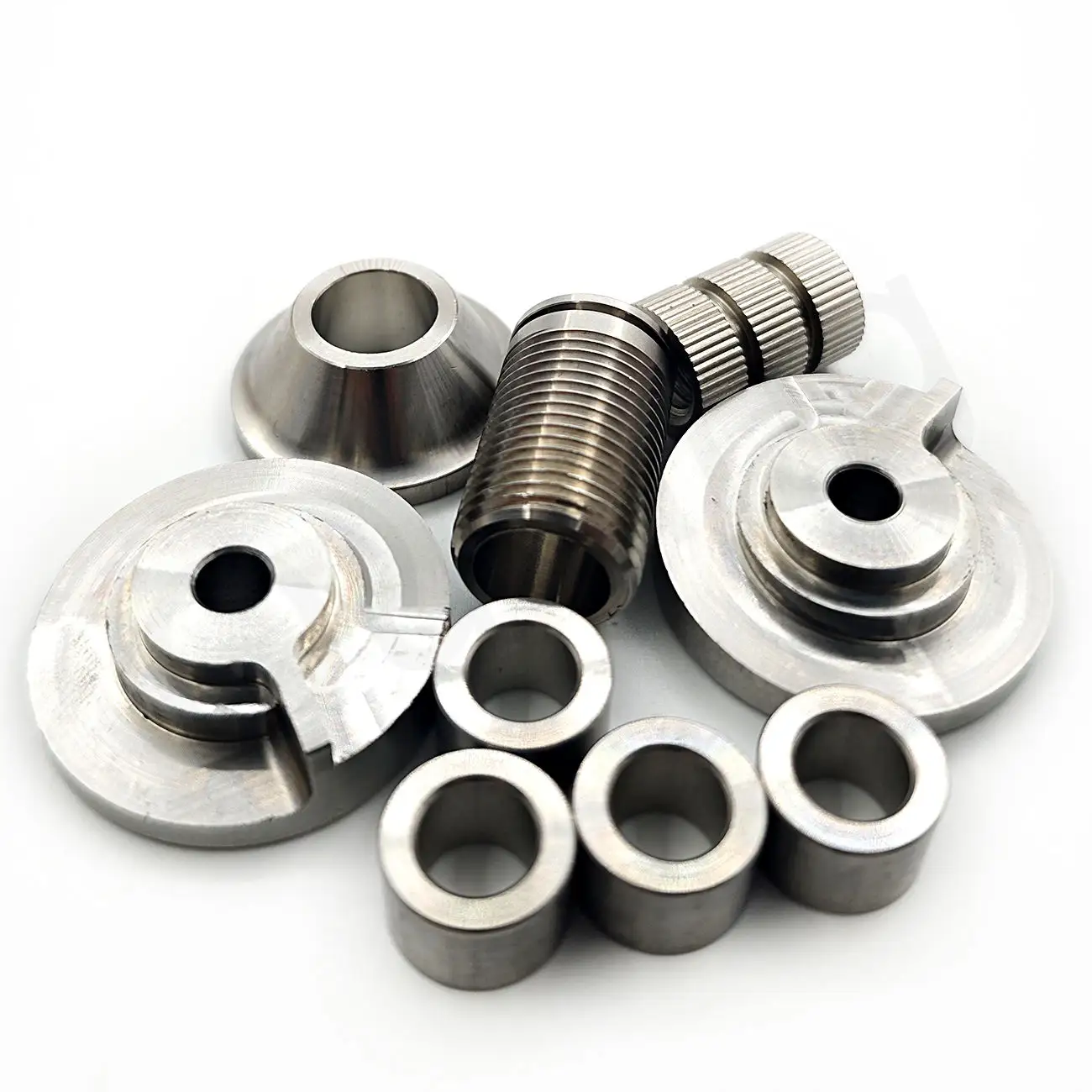
Custom machined aluminum parts represent precision-engineered components manufactured through advanced machining processes to meet specific design requirements and dimensional tolerances. These specialized components are created using high-grade aluminum alloys that undergo sophisticated computer-controlled machining operations, including CNC milling, turning, drilling, and finishing processes. The primary function of custom machined aluminum parts centers on delivering tailored solutions for industries requiring lightweight yet durable components with exact specifications. Manufacturing processes involve state-of-the-art technology that ensures consistent quality and dimensional accuracy across production runs. Custom machined aluminum parts feature exceptional strength-to-weight ratios, making them ideal for applications where weight reduction without compromising structural integrity remains critical. The technological foundation relies on multi-axis CNC machines capable of producing complex geometries with tight tolerances, typically achieving precision levels within ±0.001 inches. Advanced CAD/CAM software integration enables seamless translation from design concepts to finished products, ensuring manufacturing efficiency and accuracy. Surface finishing options include anodizing, powder coating, and specialized treatments that enhance corrosion resistance and aesthetic appeal. Applications span diverse industries including aerospace, automotive, electronics, medical devices, and industrial machinery. In aerospace applications, custom machined aluminum parts serve as structural components, brackets, and housings that must withstand extreme conditions while maintaining minimal weight. Automotive manufacturers utilize these components for engine parts, suspension systems, and body panels where performance and fuel efficiency considerations drive design decisions. Electronics industries rely on custom machined aluminum parts for heat sinks, enclosures, and mounting hardware that provide thermal management and electromagnetic shielding. Medical device applications demand biocompatible aluminum components with precise tolerances for surgical instruments and diagnostic equipment. The versatility of custom machined aluminum parts extends to prototyping capabilities, enabling rapid development cycles and design validation before full-scale production commitment.
Custom machined aluminum parts deliver significant advantages that make them superior choices for demanding applications across multiple industries. The lightweight nature of aluminum provides immediate benefits in weight-sensitive applications, reducing overall system weight by up to 60% compared to steel alternatives while maintaining comparable strength characteristics. This weight reduction translates directly into improved fuel efficiency for transportation applications and easier handling during installation and maintenance procedures. Corrosion resistance represents another major advantage, as aluminum naturally forms a protective oxide layer that prevents rust and degradation in harsh environmental conditions. This inherent corrosion resistance eliminates the need for additional protective coatings in many applications, reducing long-term maintenance costs and extending component lifespan significantly. The excellent thermal conductivity properties of aluminum make custom machined aluminum parts particularly valuable in heat dissipation applications, effectively transferring heat away from critical components to maintain optimal operating temperatures. Manufacturing precision achievable with custom machined aluminum parts ensures perfect fit and function in complex assemblies, eliminating costly rework and assembly issues that commonly occur with less precise manufacturing methods. The machining process allows for tight dimensional tolerances and smooth surface finishes that meet exacting specifications consistently across production runs. Design flexibility stands as a key advantage, enabling engineers to create complex geometries, intricate features, and custom shapes that would be impossible or extremely costly to produce using other manufacturing methods. Custom machined aluminum parts can incorporate multiple features into single components, reducing assembly time and potential failure points while simplifying inventory management. Cost-effectiveness emerges through reduced material waste, efficient machining processes, and the ability to optimize designs for specific applications rather than adapting generic components. The recyclability of aluminum provides environmental benefits and potential cost recovery at end-of-life, supporting sustainability initiatives while maintaining economic viability. Quick turnaround times for prototype and production quantities enable faster time-to-market for new products and rapid response to changing market demands. Quality consistency remains exceptional due to computer-controlled machining processes that eliminate human error and ensure repeatable results batch after batch. Custom machined aluminum parts offer excellent electrical conductivity properties when required, making them suitable for electrical and electronic applications where consistent performance is essential.
Precision Engineering Excellence
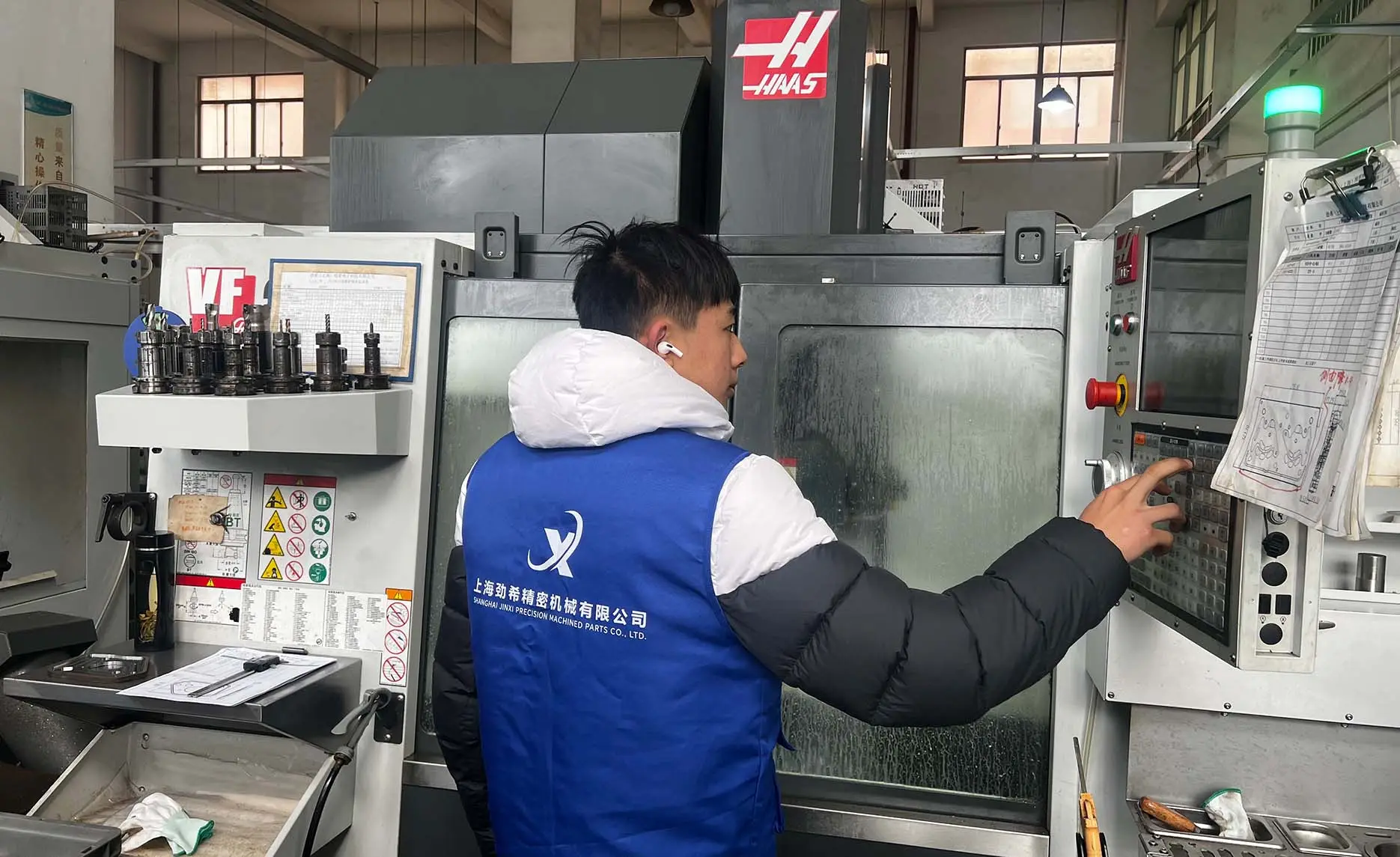
Custom machined aluminum parts represent the pinnacle of precision engineering, delivering unmatched accuracy and consistency that exceeds industry standards across all manufacturing specifications. The foundation of this precision excellence lies in advanced CNC machining technology that utilizes computer-controlled multi-axis machines capable of maintaining tolerances within ±0.001 inches throughout the entire production process. This level of precision ensures that every custom machined aluminum part meets exact dimensional requirements, eliminating fit and assembly issues that plague less precise manufacturing methods. The precision engineering process begins with detailed CAD modeling and simulation, allowing engineers to optimize designs before material removal begins, reducing waste and ensuring optimal material utilization. State-of-the-art tooling systems maintain cutting edge geometry throughout machining operations, preventing dimensional drift and surface finish degradation that can compromise part quality. Temperature-controlled machining environments eliminate thermal expansion variables that could affect dimensional accuracy, while sophisticated measurement systems provide real-time feedback to maintain precise specifications. Custom machined aluminum parts benefit from rigorous quality control protocols that include coordinate measuring machine verification, surface roughness analysis, and dimensional inspection at multiple stages of production. This comprehensive approach to precision engineering results in components that consistently perform to specification, reducing warranty claims and customer dissatisfaction while building long-term relationships based on reliability and quality. The precision engineering excellence extends to complex geometries and intricate features that would be impossible to achieve through conventional manufacturing methods, enabling innovative product designs that provide competitive advantages in demanding markets. Advanced programming techniques optimize cutting paths and machining parameters for each specific geometry, ensuring consistent results regardless of part complexity or production volume requirements. The precision engineering capabilities of custom machined aluminum parts support critical applications in aerospace, medical devices, and high-performance automotive systems where dimensional accuracy directly impacts safety and performance outcomes.
Exceptional Durability and Longevity
Custom machined aluminum parts demonstrate exceptional durability and longevity that significantly exceed expectations for lightweight components, providing reliable performance throughout extended service lifecycles in demanding operating environments. The superior durability stems from carefully selected aluminum alloys that combine optimal mechanical properties with excellent fatigue resistance, ensuring components maintain structural integrity under repeated stress cycles and dynamic loading conditions. Heat treatment processes enhance the inherent strength characteristics of aluminum alloys, creating custom machined aluminum parts with yield strengths approaching those of steel components while retaining the weight advantages that make aluminum the preferred choice for performance applications. The durability advantage extends to environmental resistance, where aluminum’s natural corrosion resistance prevents degradation in harsh chemical environments, salt spray conditions, and extreme temperature variations that would rapidly deteriorate other materials. Custom machined aluminum parts maintain dimensional stability throughout temperature cycling, preventing warping and distortion that could compromise assembly fits or functional performance over time. The longevity of these components is further enhanced through specialized surface treatments and finishes that provide additional protection against wear, abrasion, and chemical attack while maintaining the aesthetic appearance throughout the service life. Comprehensive testing protocols validate durability performance under simulated operating conditions, including vibration testing, thermal cycling, and accelerated corrosion exposure that demonstrate long-term reliability before components enter service applications. The exceptional durability of custom machined aluminum parts translates into reduced maintenance requirements, lower replacement costs, and improved system reliability that provides significant total cost of ownership advantages over alternative materials and manufacturing methods. Field performance data consistently demonstrates service life expectations that exceed design requirements, with many custom machined aluminum parts continuing to perform satisfactorily well beyond their intended replacement intervals. This proven durability record builds confidence in critical applications where component failure could result in system downtime, safety concerns, or costly repairs that far exceed the initial component investment.
Rapid Prototyping and Production Flexibility
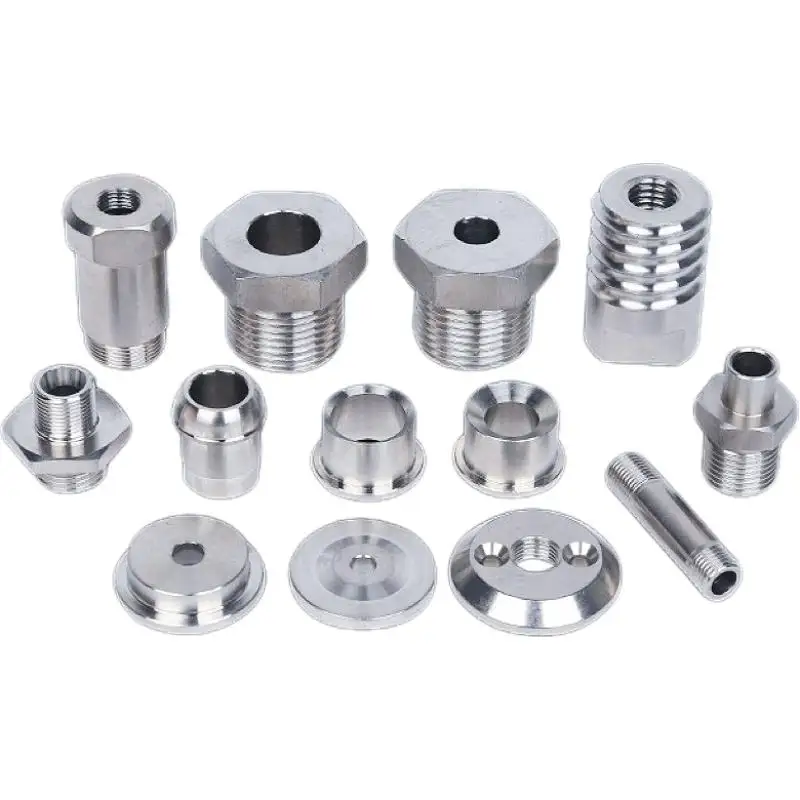
Custom machined aluminum parts offer unparalleled rapid prototyping and production flexibility that accelerates product development cycles and enables responsive manufacturing solutions for changing market demands and evolving design requirements. The rapid prototyping capabilities stem from streamlined processes that can transform design concepts into physical components within days rather than weeks or months required by traditional manufacturing methods. Advanced CAD/CAM integration eliminates time-consuming setup procedures and programming delays, allowing immediate transition from approved designs to active machining operations that produce prototype components for testing and validation. Custom machined aluminum parts support iterative design processes where multiple design variations can be produced quickly and cost-effectively, enabling comprehensive testing and optimization before committing to final design specifications and full-scale production tooling investments. The production flexibility extends to volume scalability, where the same machining processes and tooling can efficiently produce single prototypes, small batch quantities for market testing, or full production volumes without requiring separate manufacturing setups or equipment changeovers. This seamless scalability eliminates the traditional barriers between prototype and production phases, reducing total development time and enabling faster time-to-market advantages that provide competitive benefits in rapidly evolving industries. Custom machined aluminum parts accommodate design changes throughout the development process without penalty, allowing engineers to incorporate improvements and modifications based on testing results or customer feedback without incurring tooling modification costs or production delays. The flexibility of machining operations supports complex geometries and intricate features that can be incorporated into prototype designs, enabling comprehensive form and function validation that accurately represents final production components. Material availability and machining efficiency ensure consistent lead times for both prototype and production quantities, providing predictable delivery schedules that support project planning and customer commitments. This rapid prototyping and production flexibility particularly benefits industries with short product lifecycles, custom applications, and specialized requirements where traditional manufacturing approaches cannot provide adequate responsiveness or cost-effectiveness for successful market introduction and customer satisfaction.