
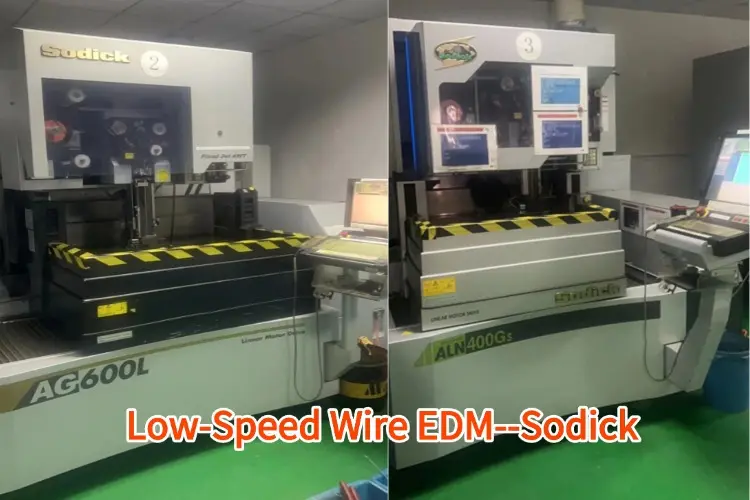
Titanium CNC precision machining represents a cutting-edge manufacturing process that combines advanced computer numerical control technology with the exceptional properties of titanium materials. This sophisticated machining technique enables the production of complex, high-precision components with remarkable accuracy and consistency. The process utilizes state-of-the-art CNC machines that follow precise computer-generated instructions to cut, drill, and shape titanium workpieces into desired configurations. The technology incorporates multiple-axis machining capabilities, allowing for intricate geometries and tight tolerances that would be impossible to achieve through conventional manufacturing methods. The process excels in producing components for aerospace, medical, automotive, and industrial applications, where precision and material integrity are paramount. Modern titanium CNC precision machining centers feature advanced tooling systems, sophisticated cooling mechanisms, and real-time monitoring capabilities that ensure optimal cutting conditions and superior surface finishes. This technology has revolutionized the manufacturing of titanium components by significantly reducing production time while maintaining exceptional quality standards and dimensional accuracy down to micrometers.
Titanium CNC precision machining offers numerous compelling advantages that make it the preferred choice for high-performance component manufacturing. First, it delivers unparalleled accuracy and repeatability, ensuring consistent quality across production runs. The automated nature of CNC machining significantly reduces human error while maintaining tight tolerances and superior surface finishes. The process is particularly effective with titanium, allowing for the creation of complex geometries while preserving the material’s excellent strength-to-weight ratio and corrosion resistance. Cost efficiency is achieved through reduced material waste, as CAD/CAM software optimizes cutting paths and material usage. The technology offers exceptional flexibility in design modifications and can quickly adapt to different product specifications without requiring extensive retooling. Quality control is enhanced through integrated measurement systems and real-time monitoring, ensuring components meet exact specifications. The process is particularly valuable for prototyping and small-batch production, allowing for rapid iterations and design improvements. Environmental benefits include minimal material waste and the ability to recycle titanium chips. The technology also enables the production of components with internal features and complex surfaces that would be impossible to manufacture using traditional methods. Furthermore, the automated nature of CNC machining ensures consistent production schedules and reliable delivery times, making it ideal for just-in-time manufacturing requirements.
Advanced Multi-Axis Capabilities
The multi-axis capabilities of modern titanium CNC precision machining systems represent a significant technological advancement in manufacturing. These sophisticated machines can simultaneously operate on up to 5 axes, enabling the creation of complex geometries with a single setup. This capability dramatically reduces production time and improves accuracy by eliminating the need for multiple setups and manual repositioning. The technology allows for the machining of undercuts, complex contours, and intricate features while maintaining precise tolerances. The integration of advanced CAM software enables optimal tool path generation, ensuring efficient material removal and superior surface finishes. This capability is particularly valuable when manufacturing aerospace components, medical implants, and high-performance mechanical parts that require exceptional precision and complexity.
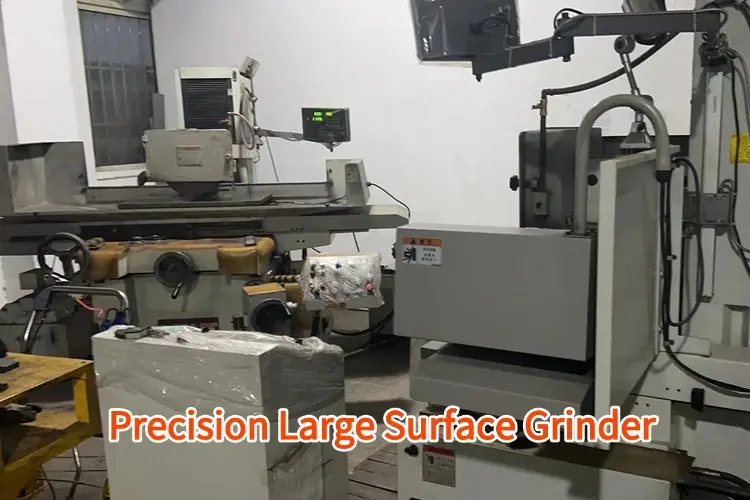
Intelligent Process Monitoring and Control
Modern titanium CNC precision machining incorporates advanced monitoring and control systems that ensure optimal processing conditions throughout the manufacturing cycle. These systems utilize sophisticated sensors and real-time data analysis to maintain ideal cutting parameters, tool condition, and workpiece quality. The technology includes adaptive control algorithms that automatically adjust machining parameters based on feedback from multiple sensors, ensuring consistent quality even when material properties vary. Temperature monitoring, vibration analysis, and tool wear detection systems work together to prevent defects and optimize tool life. This intelligent monitoring capability significantly reduces scrap rates and increases overall process reliability, making it particularly valuable for high-value titanium components.
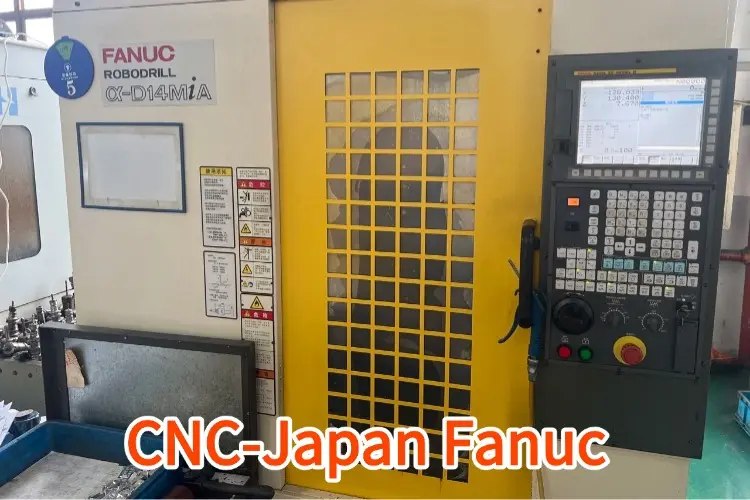
Superior Surface Finish and Material Integrity
Titanium CNC precision machining excels in producing components with exceptional surface quality while maintaining the material’s inherent properties. The process employs specialized cutting strategies and tooling designed specifically for titanium, preventing work hardening and ensuring optimal chip formation. Advanced cooling systems and cutting fluid management maintain ideal temperature conditions, preventing thermal damage and ensuring dimensional stability. The technology achieves surface roughness values as low as 0.4 Ra while maintaining strict geometric tolerances. This capability is crucial for applications requiring excellent fatigue resistance and biocompatibility, such as medical implants and aerospace components. The process preserves titanium’s exceptional corrosion resistance and mechanical properties, ensuring long-term performance in demanding applications.