
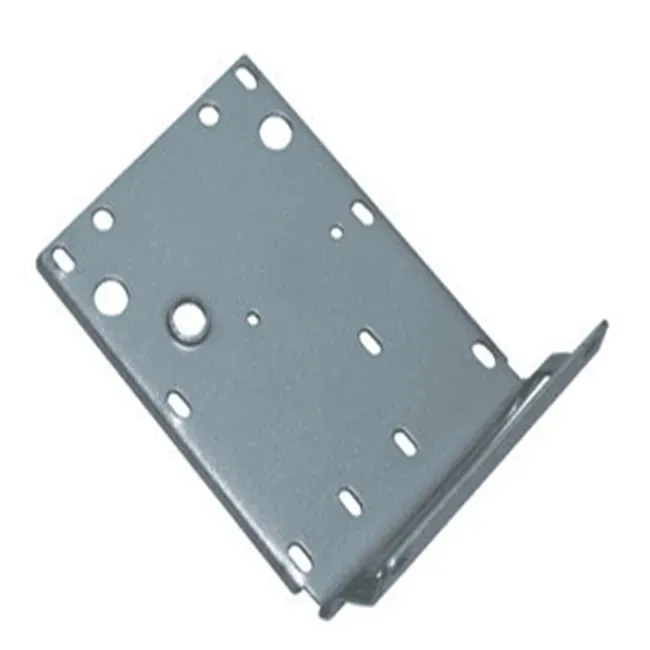
Stamping dies represent sophisticated tooling systems engineered for high-precision metal forming operations across diverse manufacturing sectors. These specialized tools transform flat metal sheets into complex three-dimensional components through controlled deformation processes. The fundamental operation involves positioning metal blanks between upper and lower die components, where hydraulic or mechanical presses apply tremendous force to shape materials according to predetermined specifications. Modern stamping dies incorporate advanced materials like hardened tool steels, carbide inserts, and specialized coatings that ensure exceptional durability and dimensional accuracy. The technological architecture includes multiple stations for progressive operations, allowing manufacturers to complete cutting, bending, drawing, and forming processes in sequential steps. Precision engineering enables these tools to maintain tolerances within micrometers, making them indispensable for automotive, electronics, aerospace, and appliance industries. The die structure typically consists of punch components, die blocks, strippers, and guide systems that work harmoniously to produce consistent results. Advanced stamping dies feature automated feeding mechanisms, sensors for quality monitoring, and quick-change capabilities that minimize downtime during production transitions. Temperature control systems prevent thermal expansion issues, while specialized lubricant distribution ensures smooth material flow and extended tool life. The versatility of stamping dies allows processing of various materials including steel, aluminum, copper, brass, and specialized alloys. Computer-aided design integration enables precise simulation of forming processes before physical production, reducing development time and material waste. Quality assurance protocols ensure each stamping die meets stringent performance standards through rigorous testing and calibration procedures before deployment in production environments.
Stamping dies deliver exceptional production efficiency that transforms manufacturing operations by enabling rapid part creation with minimal manual intervention. These tools process thousands of components per hour, dramatically reducing labor costs while maintaining consistent quality standards throughout extended production runs. The automated nature of stamping operations eliminates human error factors that typically affect manual fabrication processes, resulting in predictable output quality that meets strict dimensional requirements. Cost effectiveness becomes apparent when manufacturers consider the long-term operational benefits, as stamping dies produce parts at significantly lower per-unit costs compared to alternative manufacturing methods like machining or casting. Material utilization reaches optimal levels through precise blank layouts that minimize waste, contributing to sustainable manufacturing practices while reducing raw material expenses. The repeatability factor ensures every stamped component matches exact specifications, eliminating quality variations that plague other production methods and reducing rejection rates substantially. Stamping dies accommodate rapid design modifications through modular construction, allowing manufacturers to adapt quickly to changing market demands without extensive retooling investments. The speed advantage becomes crucial in competitive markets where time-to-market determines success, as stamping dies enable immediate production scaling from prototype to full manufacturing volumes. Maintenance requirements remain minimal due to robust construction using premium materials and advanced surface treatments that resist wear and corrosion. Energy consumption stays relatively low compared to alternative forming processes, as stamping operations require energy only during the brief forming cycle rather than continuous heating or cutting processes. Quality consistency extends beyond dimensional accuracy to include surface finish characteristics, material properties, and structural integrity that remain uniform across entire production batches. The scalability factor allows manufacturers to adjust production volumes efficiently by modifying press speeds and operational schedules without compromising quality standards or requiring additional equipment investments.
Precision Engineering Excellence for Unmatched Accuracy
Stamping dies achieve extraordinary precision levels that surpass conventional manufacturing tolerances through meticulously engineered components and advanced manufacturing techniques. The precision foundation begins with computer-controlled machining processes that create die surfaces accurate to within 0.0001 inches, establishing the baseline for exceptional part quality. Specialized grinding operations produce mirror-like finishes on critical forming surfaces, eliminating microscopic irregularities that could transfer to finished components and affect functionality. The geometric accuracy extends throughout the entire die assembly, where guide pins, bushings, and alignment systems maintain perfect registration between upper and lower die halves throughout millions of operational cycles. Heat treatment processes optimize material properties to achieve ideal hardness gradients that resist deformation while maintaining dimensional stability under extreme forming pressures. Advanced measurement systems verify dimensional accuracy at multiple production stages, ensuring that stamping dies continue delivering precise results even after extended service periods. The engineering excellence encompasses thermal compensation features that account for temperature variations during production, maintaining consistent part dimensions regardless of ambient conditions or operational heating. Precision stamping dies incorporate sophisticated spring systems that provide controlled pressure distribution across forming surfaces, preventing stress concentrations that could compromise part quality or die longevity. The attention to detail extends to surface texturing applications where specific patterns enhance material flow characteristics or create desired aesthetic finishes on final products. Quality control protocols verify precision performance through statistical sampling and coordinate measuring machine inspections that document dimensional achievements across production runs. This engineering excellence translates directly into customer benefits including reduced secondary operations, improved assembly fits, enhanced product performance, and elimination of quality-related production delays that typically increase manufacturing costs and delivery times.
Superior Durability and Extended Service Life
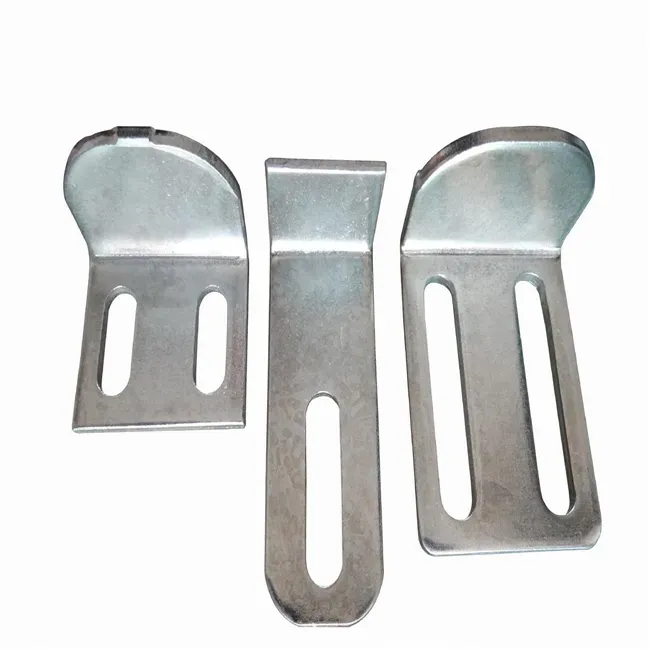
Stamping dies demonstrate remarkable durability characteristics that significantly extend operational lifespans while maintaining consistent performance standards throughout extended production cycles. The durability foundation relies on premium tool steel selection and specialized heat treatment processes that create optimal hardness profiles balancing wear resistance with impact toughness. Advanced surface treatments including nitriding, coating applications, and specialized finishes create protective barriers that resist abrasive wear, corrosion, and thermal degradation during intensive manufacturing operations. The structural design incorporates stress distribution principles that prevent fatigue failures by eliminating sharp corners, optimizing material thickness transitions, and incorporating reinforcement features in high-stress areas. Maintenance accessibility features enable routine servicing without complete die disassembly, allowing technicians to replace wear components, adjust clearances, and perform preventive maintenance efficiently. The modular construction approach permits selective replacement of worn sections rather than complete die reconstruction, reducing maintenance costs and minimizing production downtime significantly. Quality materials extend beyond basic tool steels to include specialized carbide inserts for extreme wear applications, bronze components for bearing surfaces, and spring steels engineered for consistent force delivery throughout service life. Environmental resistance features protect critical surfaces from corrosive coolants, humidity, and temperature fluctuations that typically accelerate tool degradation in industrial environments. The durability engineering encompasses proper stress relief procedures, controlled cooling rates, and dimensional stability treatments that prevent warping or cracking during thermal cycling. Regular inspection protocols identify wear patterns before they affect part quality, enabling proactive maintenance scheduling that maximizes productive uptime. This superior durability translates into substantial customer benefits including reduced tooling replacement costs, extended production campaigns, improved return on investment, predictable maintenance schedules, and enhanced manufacturing reliability that supports consistent delivery commitments and customer satisfaction objectives.
Versatile Applications Across Multiple Industries
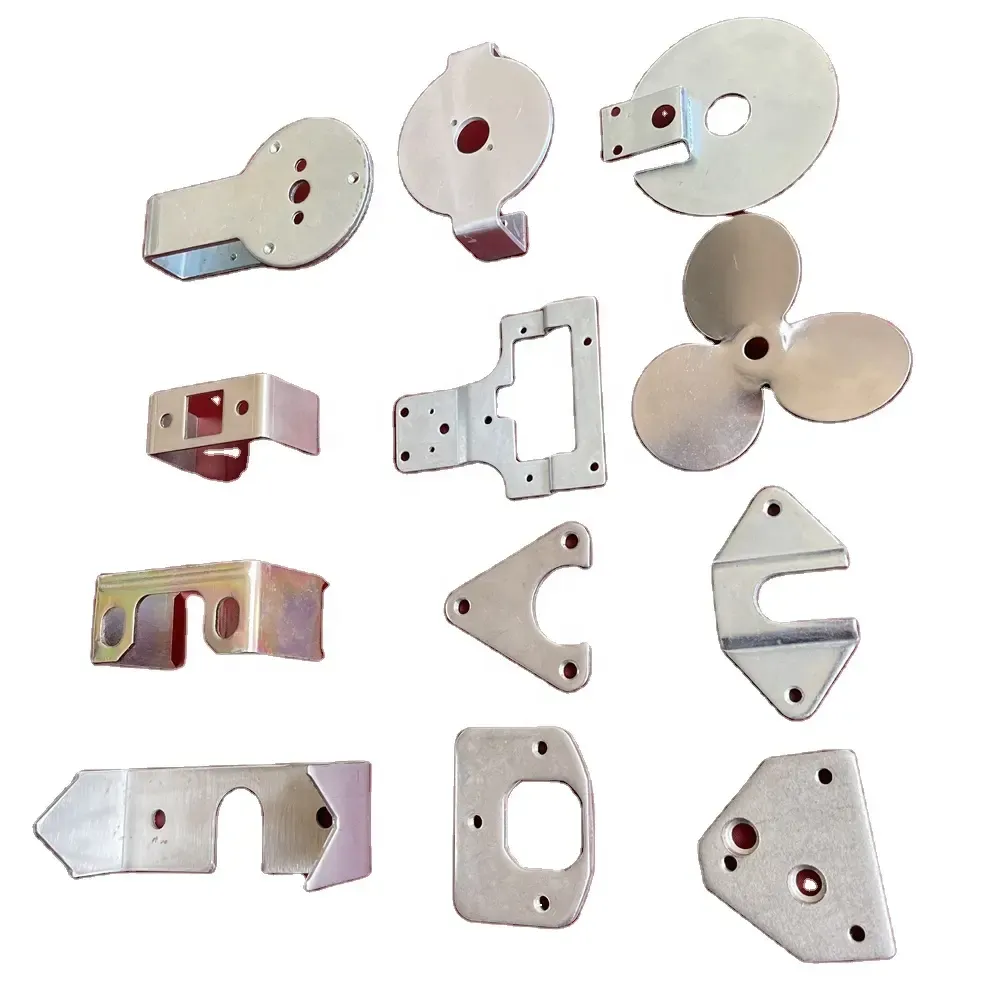
Stamping dies demonstrate exceptional versatility through adaptable designs that accommodate diverse material types, part geometries, and production requirements across numerous industrial sectors. The automotive industry relies extensively on stamping dies for creating body panels, structural components, brackets, and decorative trim pieces that meet stringent safety and aesthetic standards while maintaining cost-effective production volumes. Electronics manufacturing utilizes precision stamping dies to produce connector housings, heat sinks, shielding components, and intricate circuit board mounting hardware where dimensional accuracy directly impacts electrical performance and assembly reliability. Aerospace applications demand specialized stamping dies capable of forming lightweight materials including aluminum alloys, titanium, and composite structures that satisfy strict weight limitations while providing exceptional strength characteristics. Home appliance manufacturers depend on stamping dies to create functional and decorative components ranging from control panels and handles to internal structural elements that combine durability with attractive appearances. The medical device industry employs ultra-precision stamping dies for producing surgical instruments, implant components, and diagnostic equipment parts where biocompatibility and dimensional accuracy are critical for patient safety and device effectiveness. Construction hardware applications utilize robust stamping dies to manufacture fasteners, brackets, reinforcement plates, and architectural elements that withstand environmental exposure while maintaining structural integrity. Consumer goods production leverages stamping die versatility to create packaging components, decorative elements, and functional hardware that balance cost considerations with quality requirements. The adaptability extends to prototype development where stamping dies enable rapid iteration of design concepts before committing to full production tooling investments. Material compatibility encompasses steel alloys, non-ferrous metals, specialized composites, and advanced materials that require specific forming techniques and temperature control during processing. This remarkable versatility provides customers with comprehensive manufacturing solutions that consolidate multiple production processes, reduce supplier dependencies, streamline quality control procedures, and enable efficient scaling from prototype quantities to high-volume production requirements while maintaining consistent quality standards and competitive pricing structures.