
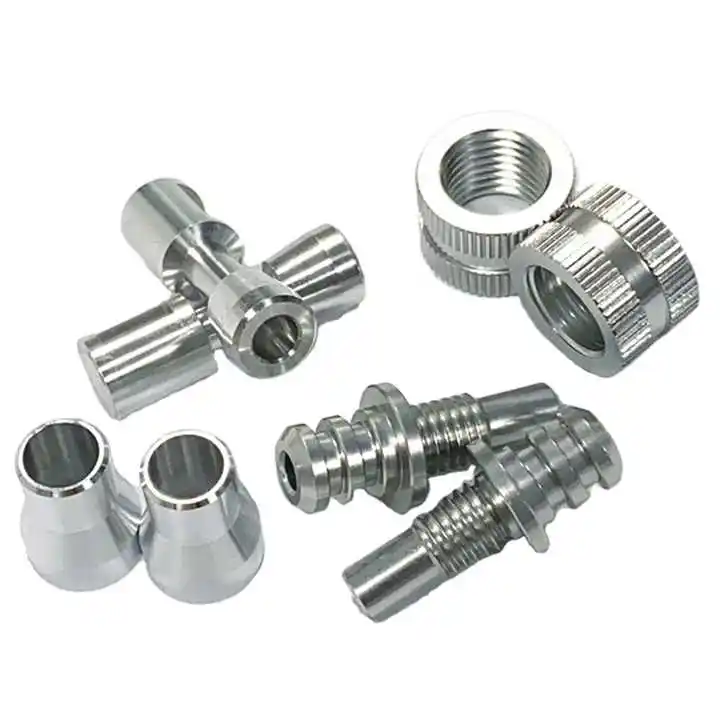
Custom precision machining represents a sophisticated manufacturing process that transforms raw materials into highly accurate components through computer-controlled cutting, shaping, and finishing operations. This advanced manufacturing technique utilizes state-of-the-art CNC machines, lathes, mills, and specialized equipment to create parts with tolerances as tight as ±0.0001 inches. The process begins with detailed engineering drawings and specifications, which are then translated into precise machine instructions that guide automated tools through complex cutting operations. Custom precision machining serves as the backbone of modern manufacturing, enabling the production of intricate components that meet exact dimensional requirements and surface finish standards. The technology encompasses various machining methods including turning, milling, drilling, grinding, and EDM processes, each selected based on material properties and geometric requirements. Advanced CAD/CAM software integration ensures seamless translation from design concepts to finished products, while real-time monitoring systems maintain consistent quality throughout production runs. The process accommodates diverse materials ranging from aluminum and steel to exotic alloys, plastics, and composite materials. Quality control measures include coordinate measuring machines, surface roughness testers, and dimensional inspection equipment that verify each component meets stringent specifications. Custom precision machining applications span aerospace, medical devices, automotive, electronics, defense, and industrial equipment sectors. The technology enables rapid prototyping, low-volume production runs, and high-volume manufacturing while maintaining exceptional accuracy and repeatability. Multi-axis machining capabilities allow for complex geometries and undercuts that traditional manufacturing methods cannot achieve, making custom precision machining essential for creating sophisticated components that drive innovation across multiple industries.
Custom precision machining delivers exceptional accuracy that surpasses conventional manufacturing methods, ensuring components meet the most demanding specifications with tolerances measured in thousandths of inches. This level of precision eliminates costly rework and reduces assembly time, directly impacting your bottom line through improved efficiency and reduced waste. The technology offers remarkable versatility in material selection, accommodating everything from common metals like aluminum and steel to specialized alloys, titanium, and advanced plastics, giving you flexibility to choose optimal materials for specific applications without compromising manufacturability. Cost-effectiveness emerges through reduced material waste, as computer-controlled operations maximize material utilization while minimizing scrap generation. The automated nature of custom precision machining reduces labor costs and human error, resulting in consistent quality across production runs regardless of volume requirements. Time-to-market advantages become apparent through rapid prototyping capabilities that allow design validation and testing before committing to full production, accelerating product development cycles and enabling faster response to market demands. Quality assurance benefits include built-in inspection processes and real-time monitoring that detect deviations immediately, preventing defective parts from progressing through subsequent operations. Scalability represents another significant advantage, as the same processes and tooling can efficiently handle single prototypes or thousands of production units without sacrificing quality or precision. Surface finish capabilities eliminate secondary operations in many cases, reducing handling and processing time while achieving superior cosmetic and functional surface requirements. Repeatability ensures that every component matches specifications exactly, crucial for assemblies requiring precise fits and clearances. The technology supports complex geometries impossible with traditional machining, enabling innovative designs that optimize performance while reducing component count and assembly complexity. Documentation and traceability features provide complete manufacturing records, essential for regulated industries and quality certifications, ensuring compliance with industry standards and customer requirements.
Advanced Multi-Axis Machining Capabilities
Custom precision machining leverages cutting-edge multi-axis CNC technology that revolutionizes component manufacturing by enabling complex geometries and intricate features in single setups. This sophisticated approach utilizes 4-axis and 5-axis machining centers that simultaneously control multiple cutting tools and workpiece positioning, eliminating the need for multiple fixtures and reducing setup time significantly. The multi-axis capability allows manufacturers to machine undercuts, angled holes, contoured surfaces, and complex internal cavities that would be impossible or extremely difficult with conventional 3-axis operations. This technology proves invaluable for aerospace components requiring lightweight structures with internal cooling passages, medical implants needing precise anatomical contours, and automotive parts demanding optimal fluid flow characteristics. The simultaneous motion of multiple axes reduces cycle times by up to 75% compared to traditional methods, while improving surface finish quality through continuous cutting action that eliminates tool marks and chatter. Tool life extends dramatically due to optimized cutting angles and reduced vibration, translating to lower tooling costs and fewer production interruptions. The precision achieved through multi-axis machining eliminates secondary operations like drilling, tapping, and contouring that would normally require additional setups and fixtures. Quality improvements result from maintaining workpiece datum references throughout the entire machining process, ensuring dimensional accuracy and geometric relationships remain consistent. Programming sophistication has evolved to include collision avoidance algorithms, adaptive toolpath optimization, and automatic tool selection, making complex part production more reliable and efficient. The technology accommodates difficult-to-machine materials like titanium, Inconel, and hardened steels through optimized cutting strategies and specialized tooling designed for multi-axis operations. Integration with advanced CAM software enables seamless transition from design models to machine code, reducing programming time and eliminating human interpretation errors that can compromise part quality.
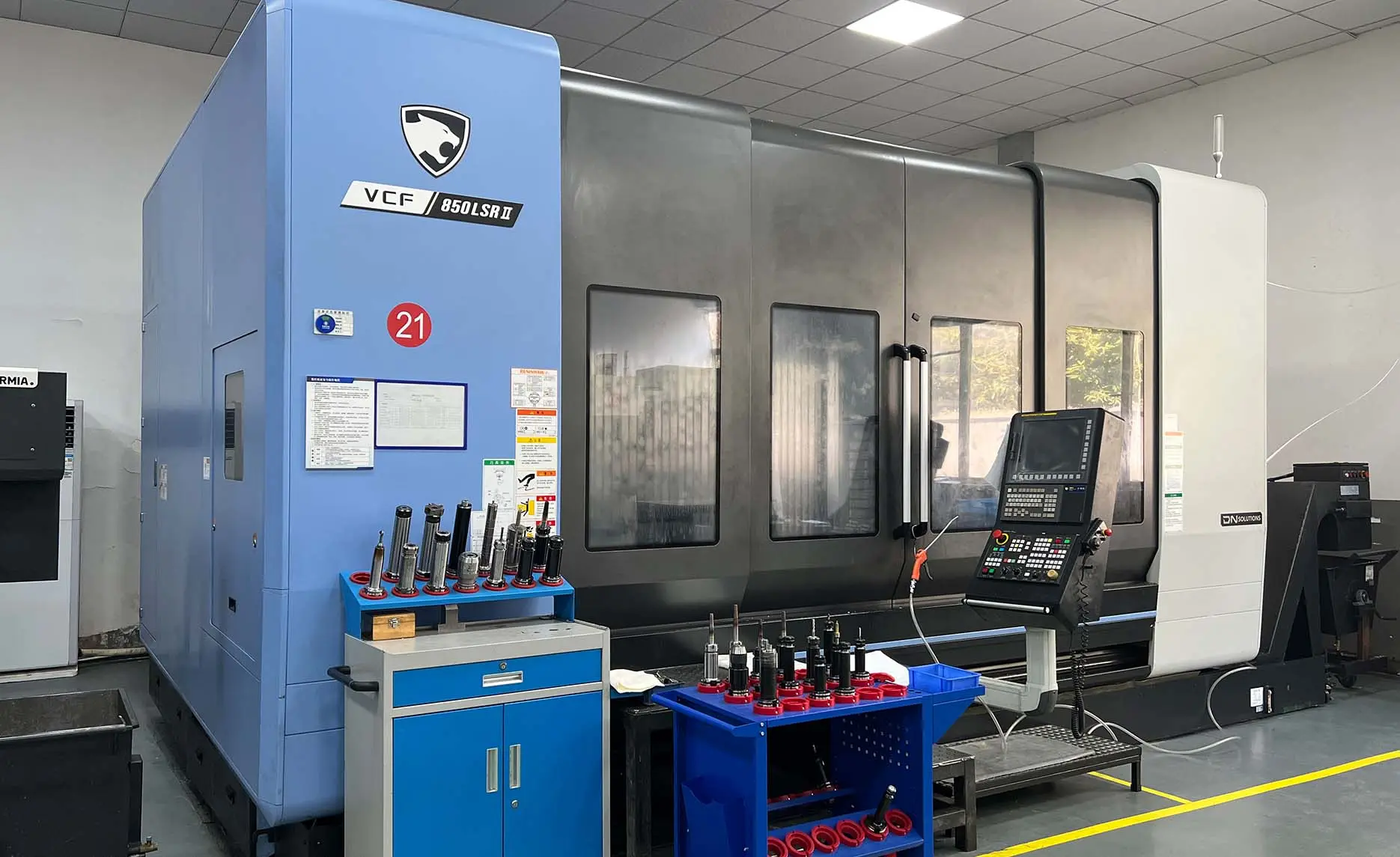
Comprehensive Quality Control and Inspection Systems
Custom precision machining incorporates sophisticated quality control measures that ensure every component meets exact specifications through integrated inspection technologies and statistical process control methodologies. State-of-the-art coordinate measuring machines provide three-dimensional verification of critical dimensions, geometric tolerances, and surface characteristics with measurement uncertainty better than ±0.0002 inches. In-process monitoring systems utilize laser measurement, vision inspection, and probe technology to verify dimensions during machining operations, enabling immediate corrections before parts move to subsequent operations. This real-time feedback prevents the production of non-conforming parts and reduces material waste while maintaining consistent quality throughout production runs. Statistical process control software analyzes measurement data to identify trends and predict potential quality issues before they occur, enabling proactive adjustments to maintain optimal performance. Calibration protocols ensure all measurement equipment maintains traceability to national standards, providing confidence in measurement accuracy and supporting quality certifications required by aerospace, medical, and automotive industries. Surface finish measurement capabilities include profilometry and optical inspection systems that verify texture, roughness, and cosmetic requirements to ensure components meet both functional and aesthetic specifications. First article inspection procedures validate new setups and process changes through comprehensive dimensional analysis, material verification, and documentation that provides baseline references for production monitoring. Quality documentation systems generate certificates of compliance, inspection reports, and traceability records that satisfy customer requirements and regulatory standards. Temperature-controlled measurement environments eliminate thermal expansion effects that could compromise measurement accuracy, ensuring reliable results regardless of ambient conditions. Operator training programs ensure personnel understand proper measurement techniques and interpretation of results, maintaining consistency in quality evaluation across all shifts and production areas. Advanced inspection software provides automated comparison between measured values and design specifications, highlighting deviations and generating corrective action recommendations that streamline quality response procedures.
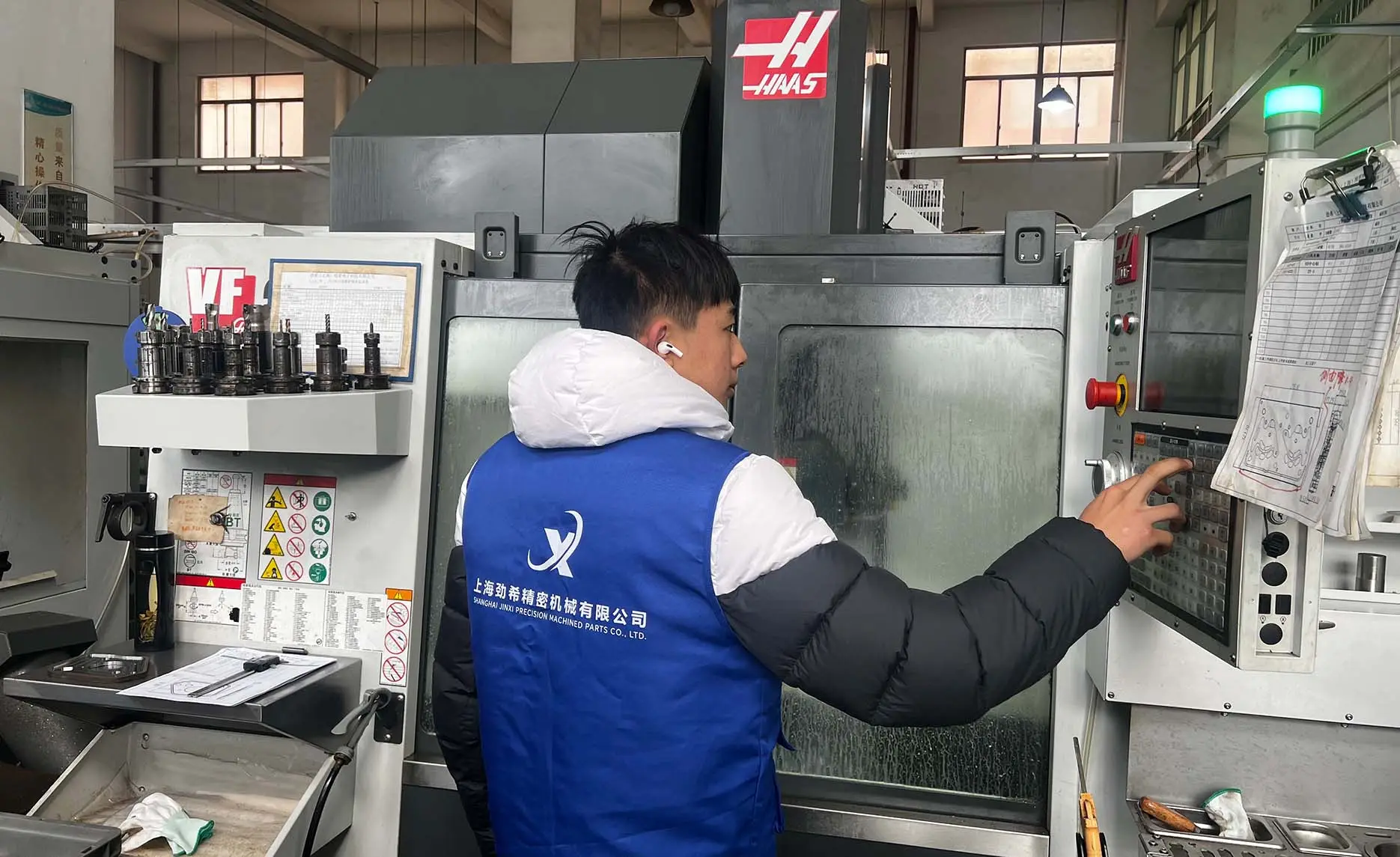
Rapid Prototyping and Design Optimization Support
Custom precision machining excels in rapid prototyping applications that accelerate product development cycles through quick turnaround of functional prototypes and design validation components. This capability enables engineers to test form, fit, and function characteristics using actual production materials and processes, providing realistic performance data that cannot be obtained through computer simulations alone. The flexibility of CNC programming allows rapid modifications to accommodate design changes without tooling investments or lengthy setup procedures, enabling iterative design improvements that optimize performance before committing to full production. Material selection advantages include the ability to prototype with the same materials intended for production, eliminating concerns about material property differences that could affect test results and design validation. Complex geometries and tight tolerances achievable in prototype quantities match production capabilities, ensuring prototype testing accurately represents final product performance characteristics. Lead time advantages typically range from days to weeks compared to months required for conventional tooling approaches, enabling faster time-to-market and competitive advantages in rapidly evolving industries. Cost-effectiveness emerges through elimination of expensive prototype tooling, molds, and fixtures that traditional manufacturing methods require, making design iteration economically feasible even for complex components. Design optimization benefits include the ability to test multiple design variations quickly and economically, enabling engineers to compare performance characteristics and select optimal configurations before production commitment. Integration with additive manufacturing creates hybrid prototyping approaches that combine 3D printing for complex internal structures with precision machining for critical surfaces and tolerances, maximizing the advantages of both technologies. Documentation and analysis support includes dimensional reports, material certificates, and performance test data that facilitate design reviews and regulatory submissions required for product approval processes. The scalability from prototype to production using identical processes eliminates manufacturing variables that could affect product performance, ensuring smooth transition from development to full-scale manufacturing. Engineering support services include design for manufacturability reviews that identify potential production issues early in the development process, reducing costly redesigns and ensuring optimal manufacturing efficiency when products enter full production phases.