
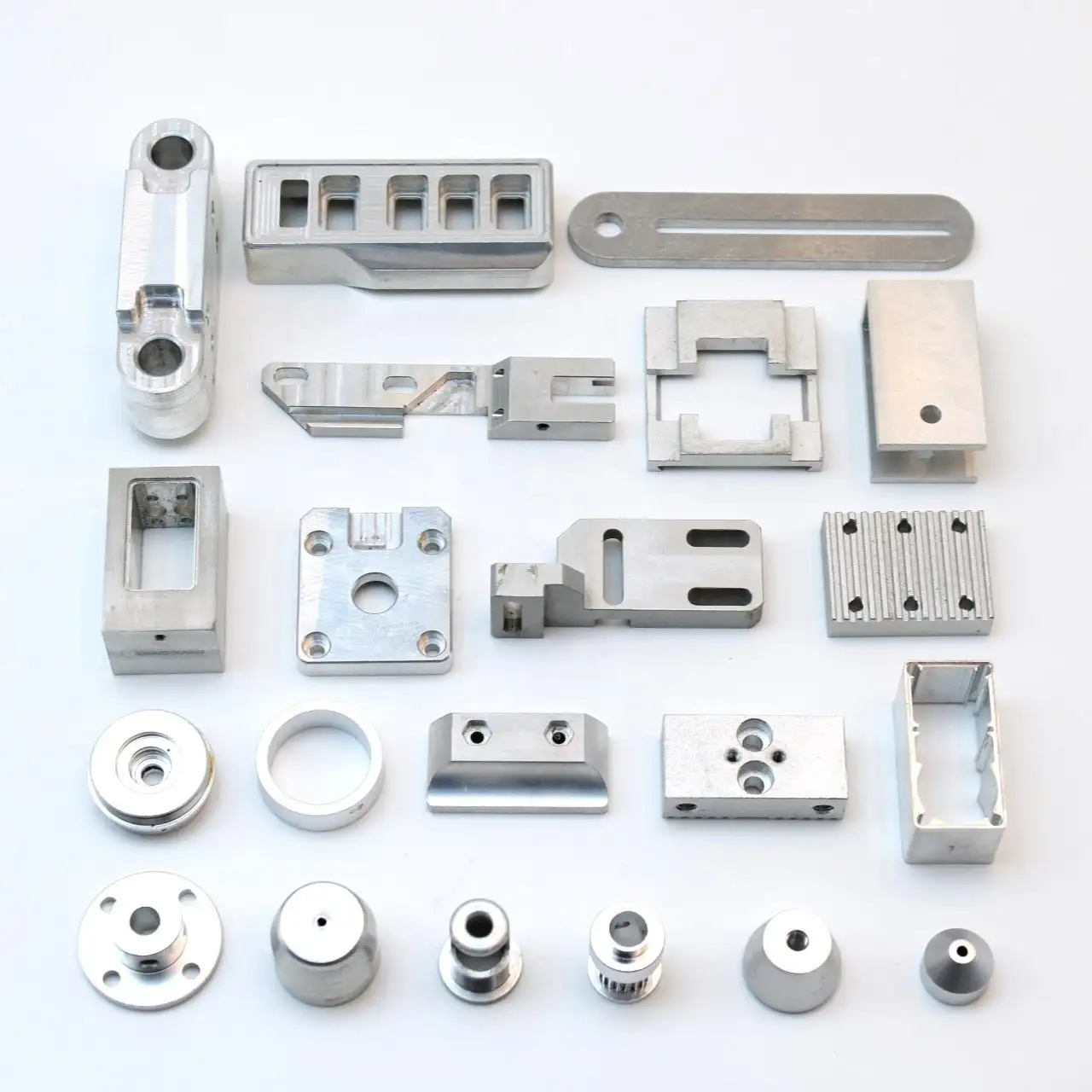
Machined plastic components represent a sophisticated manufacturing solution that combines the versatility of plastic materials with precision machining techniques to create high-performance parts for diverse industrial applications. These components are produced through advanced CNC machining processes that remove material from plastic stock to achieve exact specifications, tight tolerances, and superior surface finishes. The primary function of machined plastic components lies in their ability to replace traditional metal parts while offering enhanced chemical resistance, reduced weight, and improved cost-effectiveness. The technological features of these components include exceptional dimensional accuracy, typically achieving tolerances within ±0.001 inches, and the capability to machine complex geometries that would be challenging or impossible with other manufacturing methods. Modern machining centers equipped with specialized tooling can process various plastic materials including PEEK, PTFE, nylon, acetal, and polycarbonate, each offering unique properties suited to specific applications. The machining process allows for the creation of intricate internal channels, precise threading, and smooth surface finishes that eliminate the need for secondary operations. Applications for machined plastic components span numerous industries, from aerospace and automotive to medical devices and semiconductor manufacturing. In the medical field, these components serve as surgical instruments, implantable devices, and diagnostic equipment parts due to their biocompatibility and sterilization capabilities. The aerospace industry utilizes machined plastic components for lightweight structural elements, electrical insulators, and fuel system components that must withstand extreme temperatures and pressures. Automotive applications include precision gears, bushings, and electronic housings that require durability and resistance to automotive fluids. The semiconductor industry relies on these components for wafer handling equipment, chemical delivery systems, and clean room fixtures where contamination control is critical.
Machined plastic components deliver substantial advantages that make them the preferred choice for modern manufacturing applications across multiple industries. Weight reduction stands as one of the most significant benefits, with plastic components typically weighing 50 to 90 percent less than equivalent metal parts, leading to improved fuel efficiency in automotive applications and reduced structural loads in aerospace systems. This weight advantage translates directly into cost savings through reduced shipping expenses and enhanced performance in applications where weight matters. The superior chemical resistance of machined plastic components provides exceptional durability in harsh environments where traditional materials would quickly deteriorate. Unlike metals that corrode or degrade when exposed to acids, bases, or solvents, properly selected plastic materials maintain their structural integrity and performance characteristics over extended periods. This resistance eliminates the need for protective coatings and reduces maintenance requirements, resulting in lower total cost of ownership. Manufacturing flexibility represents another compelling advantage, as machined plastic components can be produced in small quantities without the expensive tooling required for injection molding or die casting. This capability enables rapid prototyping, custom configurations, and economical production of specialized parts that would be cost-prohibitive using traditional manufacturing methods. The precision achievable through modern CNC machining ensures that these components meet the most demanding specifications while maintaining consistent quality across production runs. Electrical insulation properties inherent in many plastic materials make machined plastic components ideal for electronic applications where metal parts would create unwanted conductivity or electromagnetic interference. This natural insulation eliminates the need for additional protective measures and simplifies assembly processes. The ability to machine complex internal features, such as cooling channels or fluid passages, in a single setup reduces assembly requirements and potential leak points compared to multi-piece metal assemblies. Temperature stability across a wide range makes these components suitable for applications from cryogenic systems to high-temperature environments, depending on material selection. Cost-effectiveness extends beyond material costs to include reduced machining time due to the ease of cutting plastic materials and longer tool life compared to machining metals.
Superior Chemical Resistance and Environmental Durability
The exceptional chemical resistance of machined plastic components sets them apart as the optimal solution for applications involving exposure to aggressive chemicals, extreme pH conditions, and corrosive environments. This remarkable characteristic stems from the inherent molecular structure of engineering plastics, which creates a barrier against chemical penetration and degradation that surpasses traditional metal alternatives. Unlike steel, aluminum, or brass components that require protective coatings or frequent replacement due to corrosion, machined plastic components maintain their structural integrity and dimensional stability when exposed to acids, bases, solvents, and other reactive substances. This resistance proves invaluable in chemical processing facilities where equipment must withstand continuous exposure to corrosive media without compromising performance or safety. The durability advantage extends to outdoor applications where UV radiation, temperature cycling, and moisture would typically cause metal components to rust, pit, or lose their protective finishes. Machined plastic components fabricated from UV-stabilized materials resist weathering and maintain their appearance and functionality for decades without requiring protective treatments or maintenance interventions. In marine environments, where saltwater exposure rapidly deteriorates metal components, plastic alternatives eliminate the galvanic corrosion that occurs when dissimilar metals contact each other in the presence of electrolytes. This environmental durability translates into significant cost savings through reduced maintenance schedules, extended service intervals, and eliminated downtime for component replacement. The chemical inertness of these materials also makes them ideal for food processing applications where contamination concerns prohibit the use of reactive materials that could leach harmful substances into products. Pharmaceutical and biotechnology industries benefit from this chemical stability, as machined plastic components can be repeatedly sterilized using harsh chemicals or radiation without degrading or releasing contaminants that could compromise product purity. The long-term stability of these materials under challenging conditions provides engineers with confidence that their designs will perform reliably throughout their intended service life, reducing warranty concerns and enhancing customer satisfaction.
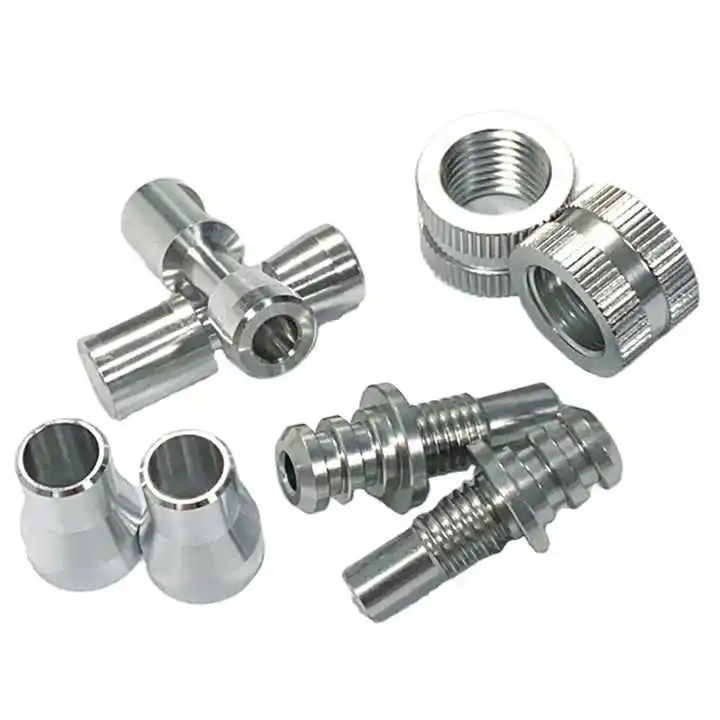
Precision Manufacturing with Complex Geometry Capabilities
The precision manufacturing capabilities of machined plastic components enable the creation of intricate geometries and tight tolerances that would be impossible or economically unfeasible using traditional plastic forming methods such as injection molding or thermoforming. Modern CNC machining centers equipped with specialized cutting tools and programming software can achieve dimensional accuracies within thousandths of an inch while maintaining consistent quality across production runs. This precision extends to complex internal features such as intersecting bores, undercuts, and intricate surface textures that require multi-axis machining capabilities. The ability to machine these complex geometries in a single setup eliminates the accumulation of tolerance stack-up that occurs when assembling multiple components, resulting in superior fit and function compared to assembled alternatives. Thread forms can be cut to exact specifications, ensuring proper engagement and eliminating the need for secondary tapping operations that could introduce dimensional variations. Surface finish quality achievable through machining plastic materials often surpasses that of molded parts, with options ranging from smooth, polished surfaces suitable for optical applications to textured finishes that enhance grip or reduce glare. The machining process allows for the creation of sharp corners and precise edge definitions that are difficult to achieve through molding due to draft angle requirements and tool limitations. Complex cooling channels, fluid passages, and internal chambers can be machined to exact specifications, enabling innovative designs that optimize performance while minimizing weight and material usage. This manufacturing flexibility proves particularly valuable in prototype development, where design iterations can be quickly implemented without the expense and lead time associated with creating new molds or tooling. The precision achievable through machining also enables the production of components that interface directly with high-precision assemblies such as optical systems, measurement instruments, and semiconductor equipment where dimensional accuracy directly impacts performance. Custom configurations and modifications can be easily accommodated, allowing manufacturers to respond quickly to changing customer requirements or design improvements without significant tooling investments.
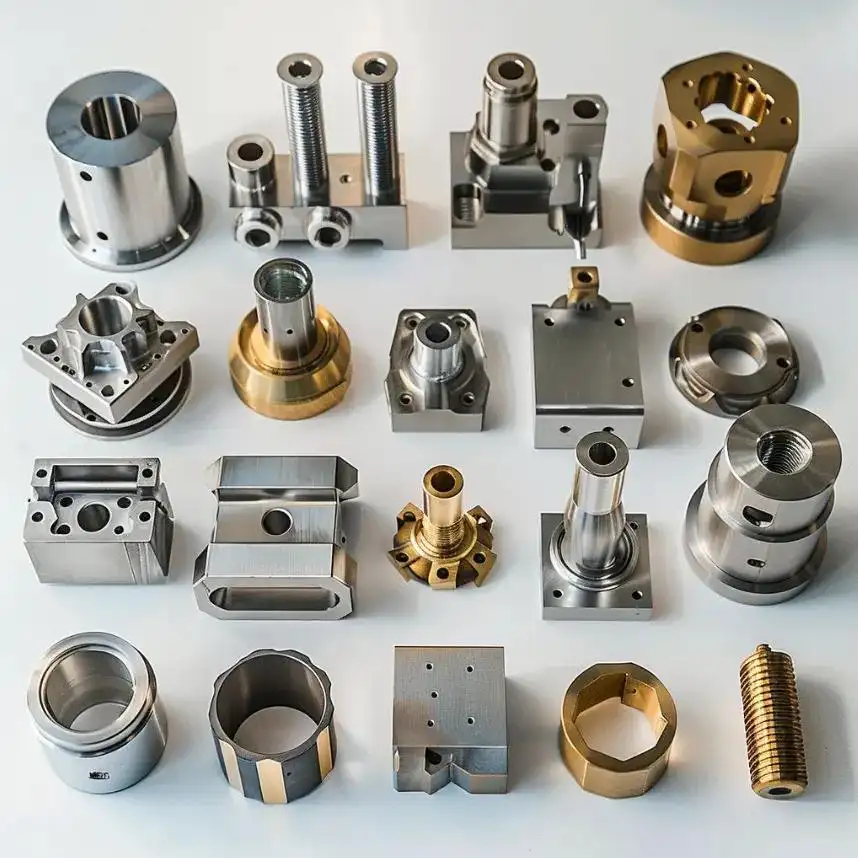
Cost-Effective Solutions for Low to Medium Volume Production
Machined plastic components provide exceptional cost-effectiveness for low to medium volume production runs, offering significant economic advantages over both injection molding and metal alternatives in specific quantity ranges. The absence of expensive tooling requirements eliminates the substantial upfront investments associated with injection molds, which can cost tens of thousands of dollars and require weeks or months for completion. This tooling-free approach enables immediate production startup and rapid response to market demands without the financial risk of committing to large mold investments before market acceptance is confirmed. The economics become particularly attractive for specialized components, custom configurations, or products with uncertain demand volumes where the cost of tooling cannot be amortized over sufficient quantities to justify the investment. Material costs for engineering plastics often represent substantial savings compared to exotic metals or alloys required for similar performance characteristics, especially when considering the reduced weight and volume of material required. Manufacturing efficiency gains arise from the relative ease of machining plastic materials compared to metals, resulting in faster cutting speeds, reduced tool wear, and lower energy consumption during production. The excellent machinability of plastic materials allows for aggressive cutting parameters that significantly reduce cycle times while maintaining surface quality and dimensional accuracy. Setup times for machining operations are typically shorter than those required for metal components due to reduced clamping forces and simplified fixturing requirements. Quality control processes benefit from the dimensional stability of properly selected plastic materials, which exhibit minimal thermal expansion and consistent properties that reduce the frequency of dimensional inspections and adjustments. The ability to machine complete assemblies from single pieces of stock eliminates assembly costs and potential quality issues associated with joining multiple components. Inventory management becomes more efficient as standard plastic stock materials can be maintained and machined to order, reducing the carrying costs associated with maintaining finished goods inventory. The flexibility to produce exact quantities needed eliminates the waste associated with minimum order quantities common in injection molding, while the short lead times enable just-in-time manufacturing approaches that reduce working capital requirements and improve cash flow for manufacturers and their customers.