
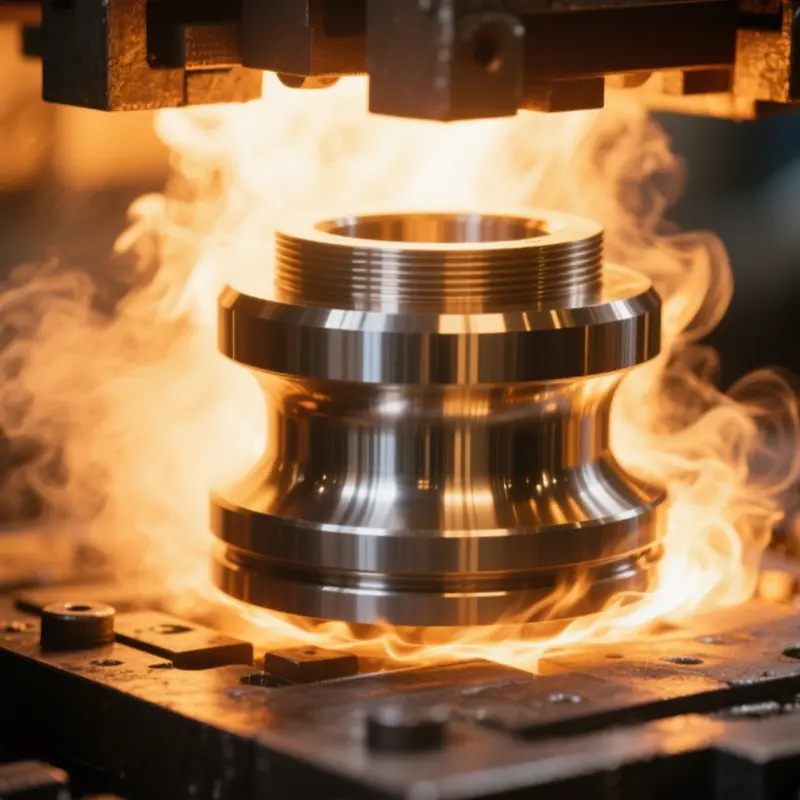
Spheroidizing heat treatment represents a specialized thermal processing technique designed to transform the microstructure of steel and other ferrous materials. This controlled heating and cooling process converts angular carbide particles into spherical shapes, fundamentally altering the material’s mechanical properties. The spheroidizing heat treatment operates by heating steel to specific temperatures below the critical transformation point, typically between 650°C to 700°C, followed by controlled cooling cycles that promote carbide spheroidization. The primary function of spheroidizing heat treatment involves improving machinability, reducing hardness, and enhancing ductility in high-carbon steels. During this process, the lamellar pearlite structure transforms into spheroidal carbides distributed throughout a ferrite matrix, creating a more uniform and workable material. This transformation occurs through diffusion mechanisms that redistribute carbon atoms, allowing carbides to assume their thermodynamically favorable spherical configuration. The technological features of spheroidizing heat treatment include precise temperature control, extended holding periods, and carefully managed cooling rates. The process requires furnace atmospheres that prevent oxidation and decarburization, ensuring consistent results throughout the material cross-section. Applications for spheroidizing heat treatment span numerous industries, including automotive manufacturing, tool production, bearing fabrication, and precision machining operations. High-carbon tool steels, bearing steels, and spring steels particularly benefit from this treatment, as the spheroidal carbide structure significantly improves their formability and machinability. The aerospace industry utilizes spheroidizing heat treatment for critical components requiring exceptional dimensional stability and surface finish. Additionally, this process proves invaluable for preparing materials for subsequent cold forming operations, wire drawing, and complex machining procedures where improved plasticity becomes essential for successful manufacturing outcomes.
Spheroidizing heat treatment delivers substantial improvements in material machinability, reducing cutting forces by up to 40% compared to untreated steels. This enhanced machinability translates directly into increased tool life, faster production speeds, and reduced manufacturing costs for customers across various industries. The process creates uniform carbide distribution throughout the steel matrix, eliminating hard spots and inconsistencies that typically cause premature tool wear and dimensional variations during machining operations. Manufacturers experience significant cost savings through reduced tooling expenses and increased production throughput when utilizing spheroidized materials. The treatment dramatically improves material ductility and formability, making previously difficult-to-work materials suitable for complex forming operations. Cold heading, deep drawing, and wire drawing processes become more efficient and reliable when applied to spheroidizing heat treatment processed materials. This increased formability reduces rejection rates and enables manufacturers to produce more intricate geometries without material failure or surface defects. The spheroidal carbide structure provides superior stress distribution, minimizing crack initiation points that could compromise component integrity. Quality control becomes more predictable with spheroidizing heat treatment, as the process produces consistent mechanical properties throughout the material volume. This uniformity eliminates the variability often encountered with conventional steel processing, resulting in more reliable product performance and reduced quality control costs. The treatment enables easier secondary operations such as plating, coating, and heat treating, as the improved surface finish and dimensional stability facilitate these processes. Spheroidizing heat treatment reduces internal stresses within the material, minimizing distortion during subsequent manufacturing steps and improving final component accuracy. Energy consumption decreases during machining operations due to reduced cutting resistance, contributing to more sustainable manufacturing practices. The process extends equipment life by reducing wear on forming dies, cutting tools, and production machinery, providing long-term economic benefits. Customer satisfaction improves through enhanced product consistency, reduced lead times, and lower overall production costs, making spheroidizing heat treatment an essential process for competitive manufacturing operations.
Enhanced Machinability and Tool Life Extension
Spheroidizing heat treatment revolutionizes machining operations by transforming angular, abrasive carbide particles into smooth, spherical formations that significantly reduce cutting tool wear and machining forces. This microstructural transformation creates a material that machines with remarkable ease, allowing cutting tools to glide through the workpiece with minimal resistance. The spheroidal carbide structure eliminates the sharp, angular particles that typically cause excessive tool wear, chipping, and premature failure in conventional high-carbon steels. Manufacturing facilities report tool life improvements of 200% to 400% when processing spheroidized materials compared to their untreated counterparts. This dramatic improvement stems from the reduced abrasive action of spherical carbides, which roll rather than cut against tool surfaces during machining operations. The enhanced machinability enables higher cutting speeds and feed rates, directly increasing production throughput while maintaining superior surface finishes. Quality control becomes more predictable as the uniform carbide distribution eliminates hard spots that cause dimensional variations and surface irregularities. The consistent material properties throughout the workpiece ensure uniform chip formation and predictable cutting forces, reducing machine vibration and improving part accuracy. Spheroidizing heat treatment enables manufacturers to achieve tighter tolerances with standard tooling, eliminating the need for specialized cutting tools or modified machining parameters. The improved machinability also facilitates complex geometries and intricate features that would be challenging or impossible to produce with untreated materials. Cost analysis demonstrates substantial savings through reduced tooling expenses, decreased machine downtime, and increased production capacity. The treatment proves particularly valuable for high-volume production runs where tooling costs significantly impact overall manufacturing economics. Additionally, the superior surface finish achieved through machining spheroidized materials often eliminates secondary finishing operations, further reducing production costs and lead times.
Superior Cold Forming Capabilities and Dimensional Stability
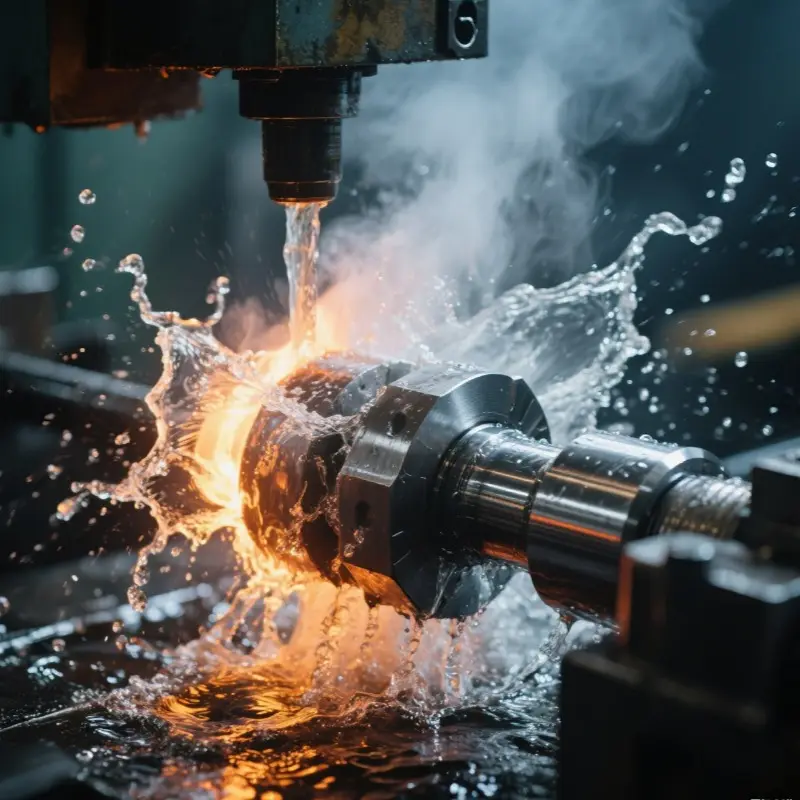
Spheroidizing heat treatment transforms brittle, hard-to-form high-carbon steels into highly ductile materials capable of withstanding severe cold forming operations without cracking or failure. The spheroidal carbide structure provides exceptional stress distribution during deformation, preventing the stress concentrations that typically cause material failure in conventional steel processing. This enhanced formability opens new possibilities for manufacturers seeking to produce complex geometries through cold heading, deep drawing, extrusion, and other forming processes. The treatment enables dramatic shape changes that would be impossible with untreated materials, allowing designers greater freedom in component configuration and manufacturing flexibility. Wire drawing operations benefit enormously from spheroidizing heat treatment, as the improved ductility permits greater area reductions per pass and reduces the number of intermediate annealing cycles required. This translates to increased production speeds, reduced energy consumption, and lower processing costs for wire manufacturers. The uniform carbide distribution ensures consistent deformation characteristics throughout the material, eliminating weak spots that could cause premature failure during forming operations. Dimensional stability represents another critical advantage, as the stress-relieved microstructure minimizes distortion during subsequent processing steps. Components maintain their intended dimensions more accurately through heat treatment cycles, machining operations, and service conditions. This stability reduces scrap rates and eliminates costly rework operations that plague manufacturers using conventional materials. The spheroidizing heat treatment process also improves spring-back characteristics in forming operations, making bend angles and formed shapes more predictable and consistent. Dies and forming tools experience extended life when processing spheroidized materials due to reduced forming forces and improved material flow characteristics. The enhanced formability enables thinner wall sections and lighter component designs without compromising structural integrity, supporting weight reduction initiatives in automotive and aerospace applications. Quality assurance becomes more straightforward as the consistent material properties reduce process variations and improve first-pass yield rates across production runs.
Optimized Microstructure for Enhanced Performance and Reliability
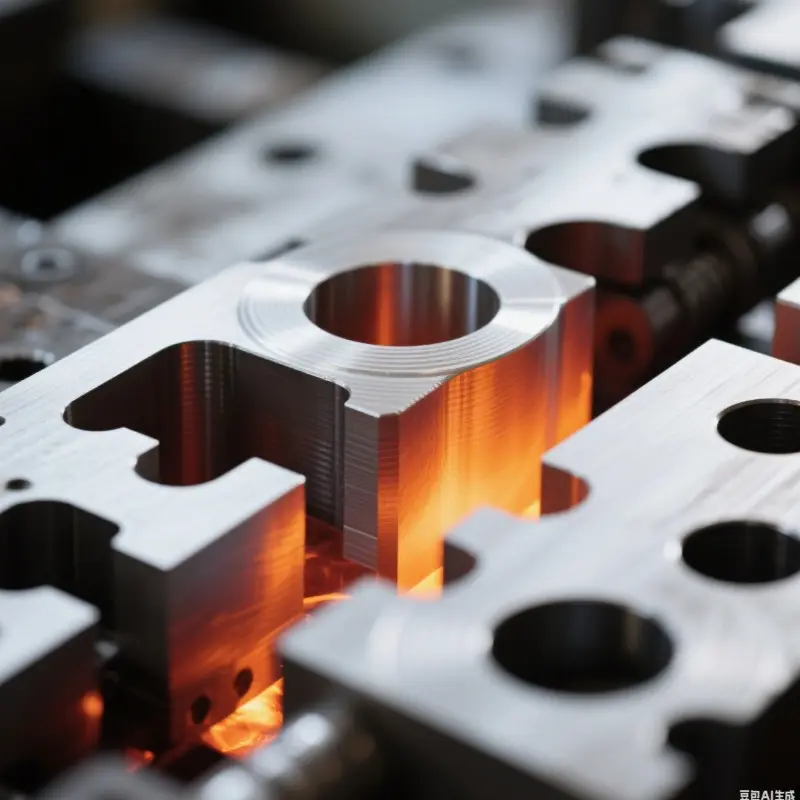
Spheroidizing heat treatment creates an optimized microstructure that delivers superior mechanical properties and enhanced reliability compared to conventional steel processing methods. The carefully controlled thermal cycle transforms the lamellar pearlite structure into spheroidal carbides uniformly distributed throughout a ferrite matrix, creating an ideal balance of strength, ductility, and toughness. This microstructural optimization eliminates the brittleness associated with angular carbide formations while maintaining the wear resistance and strength characteristics essential for demanding applications. The spheroidal carbide structure provides excellent fatigue resistance by minimizing stress concentration points that typically initiate crack formation in cyclically loaded components. This improved fatigue performance extends component service life and reduces maintenance requirements in critical applications such as bearings, gears, and spring systems. The uniform carbide distribution ensures consistent mechanical properties throughout the component cross-section, eliminating weak zones that could compromise performance under service conditions. Spheroidizing heat treatment enhances the steel’s response to subsequent heat treatments, enabling more predictable and uniform results during hardening, tempering, and case hardening operations. The optimized microstructure facilitates more even heating and cooling during these processes, reducing distortion and improving dimensional accuracy. Surface treatments such as carburizing, nitriding, and coating applications benefit from the improved surface condition and reduced internal stresses inherent in spheroidized materials. The treatment creates an ideal substrate for these surface enhancement processes, improving coating adhesion and uniformity. Corrosion resistance improves due to the reduced number of grain boundary irregularities and stress concentration points that typically serve as corrosion initiation sites. The spheroidal carbide structure also provides better thermal conductivity and more uniform thermal expansion characteristics, making the material suitable for applications involving temperature cycling or thermal shock conditions. Quality control procedures become more effective as the consistent microstructure enables reliable non-destructive testing and predictable material behavior under various loading conditions. This reliability translates to increased customer confidence and reduced warranty claims for manufacturers utilizing spheroidizing heat treatment in their production processes.