
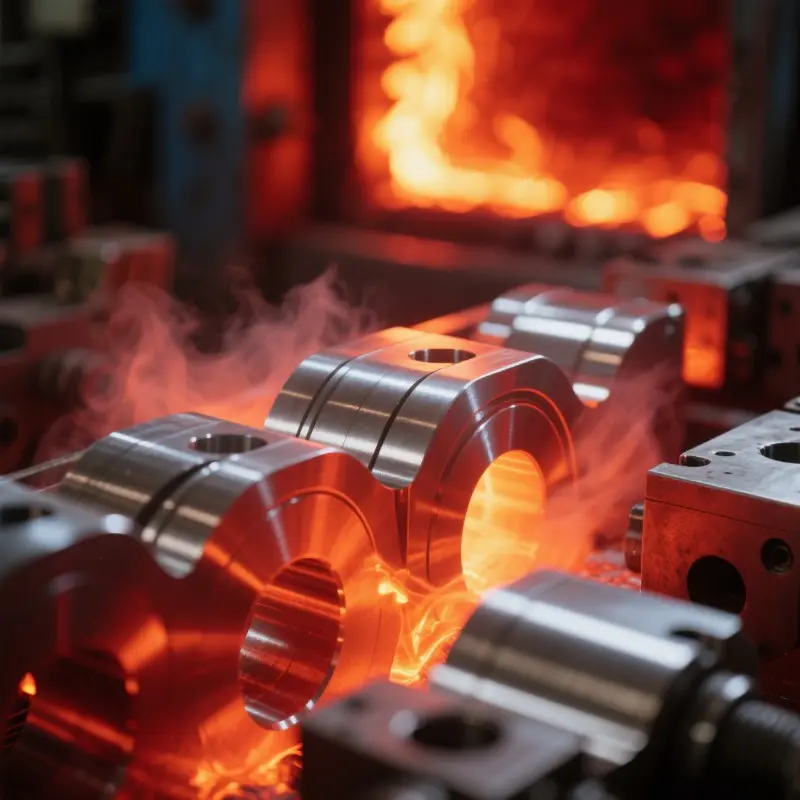
Salt bath annealing represents a sophisticated heat treatment process that utilizes molten salt as the heating medium to achieve precise temperature control and uniform heat distribution throughout metal components. This advanced metallurgical technique involves immersing steel parts, tools, or other metal workpieces into carefully controlled molten salt baths maintained at specific temperatures ranging from 300°C to 1200°C depending on the material requirements and desired outcomes. The salt bath annealing process serves multiple critical functions in modern manufacturing, including stress relief, grain structure refinement, hardness reduction, and improvement of mechanical properties such as ductility and machinability. The technological features of salt bath annealing distinguish it from conventional furnace-based annealing methods through its exceptional temperature uniformity, rapid heating rates, and precise atmosphere control. The molten salt medium provides intimate contact with all surfaces of the workpiece, ensuring consistent heat transfer and eliminating temperature gradients that commonly occur in gas or electric furnaces. This uniform heating characteristic makes salt bath annealing particularly valuable for complex geometries, thin sections, and precision components where dimensional stability and consistent material properties are paramount. The process applications span across diverse industries including automotive manufacturing, aerospace engineering, tool and die production, and precision machining operations. Salt bath annealing proves especially beneficial for treating high-speed steel cutting tools, where controlled heating and cooling cycles restore optimal cutting performance while extending tool life. The automotive sector leverages this technology for processing transmission components, engine parts, and suspension elements that require specific hardness profiles and stress relief patterns. Aerospace applications utilize salt bath annealing for critical components subjected to extreme operating conditions, where material reliability and performance consistency directly impact safety and operational efficiency. The controlled atmosphere within the salt bath prevents oxidation and decarburization, maintaining surface integrity while achieving desired metallurgical transformations throughout the component cross-section.
Salt bath annealing delivers exceptional temperature precision that surpasses traditional heating methods, providing manufacturers with unparalleled control over their heat treatment processes. The molten salt medium maintains temperature variations within ±3°C across the entire bath volume, ensuring every component receives identical thermal treatment regardless of size or placement within the system. This precision translates directly into consistent material properties and predictable performance characteristics that manufacturers can rely upon for critical applications. The rapid heating capability of salt bath annealing significantly reduces processing time compared to conventional furnace operations, allowing components to reach target temperatures in minutes rather than hours. This efficiency improvement directly impacts production throughput and operational costs while maintaining superior quality standards. The intimate contact between molten salt and component surfaces eliminates cold spots and thermal gradients that commonly plague traditional heating methods, resulting in uniform microstructure development throughout the entire workpiece. Salt bath annealing provides excellent surface protection during the heat treatment cycle, as the molten salt creates a protective atmosphere that prevents oxidation, scaling, and decarburization. Components emerge from the process with clean, bright surfaces that require minimal post-treatment finishing, reducing secondary operations and associated costs. The process offers remarkable flexibility in atmosphere control, allowing operators to create neutral, reducing, or slightly oxidizing conditions by adjusting salt composition and operating parameters. This atmospheric control capability enables treatment of various alloy systems while maintaining optimal surface chemistry and preventing unwanted reactions. Energy efficiency represents another significant advantage, as the thermal mass and heat retention properties of molten salt systems minimize energy consumption compared to electric or gas furnaces that must repeatedly heat large volumes of air or protective gases. The salt bath maintains stable operating temperatures with minimal energy input once established, reducing operational costs and environmental impact. Process repeatability achieves exceptional standards through automated temperature monitoring and control systems that maintain precise thermal profiles for each treatment cycle. This consistency eliminates batch-to-batch variations and ensures reliable product quality that meets stringent industry specifications. Salt bath annealing accommodates complex component geometries that present challenges for conventional heating methods, providing uniform treatment for intricate shapes, hollow sections, and assemblies with varying cross-sections. The liquid medium flows around and through complex configurations, delivering consistent heating to all surfaces and internal features that might remain undertreated in gas-fired or electric furnaces.
Unmatched Temperature Uniformity and Precision Control
The fundamental advantage of salt bath annealing lies in its exceptional temperature uniformity and precision control capabilities that far exceed conventional heat treatment methods. The molten salt medium creates an isothermal environment where temperature variations across the entire bath volume remain within ±2°C, providing manufacturers with unprecedented thermal consistency for their critical components. This remarkable temperature stability results from the high thermal conductivity and specific heat capacity of molten salts, which effectively distribute and maintain heat throughout the treatment zone. Unlike gas-fired furnaces where temperature gradients and hot spots create inconsistent heating patterns, the liquid salt medium ensures intimate contact with every surface of the workpiece, delivering uniform heat transfer that penetrates complex geometries and varying cross-sections equally. The precision control extends beyond simple temperature maintenance to include programmable heating and cooling rates that can be tailored to specific alloy requirements and desired metallurgical outcomes. Advanced monitoring systems continuously track temperature profiles and automatically adjust heating elements to maintain optimal conditions throughout the treatment cycle. This level of control enables manufacturers to achieve specific hardness profiles, grain structures, and mechanical properties with remarkable consistency from batch to batch. The uniform heating characteristic proves particularly valuable for precision components such as cutting tools, measuring instruments, and aerospace parts where dimensional stability and consistent material properties directly impact performance and safety. Components with varying wall thickness or complex internal passages receive identical thermal treatment, eliminating the stress concentrations and property variations that commonly result from uneven heating in conventional systems. The molten salt environment also provides excellent thermal shock resistance, allowing rapid heating and cooling cycles without inducing harmful thermal stresses that could compromise component integrity. This controlled thermal environment enables treatment of delicate parts and thin sections that might warp or crack under the thermal gradients present in traditional furnace operations. The resulting uniformity in microstructure development ensures predictable mechanical properties throughout the component cross-section, providing engineers with reliable design data and consistent performance characteristics that enhance product quality and operational reliability.
Superior Surface Protection and Cleanliness
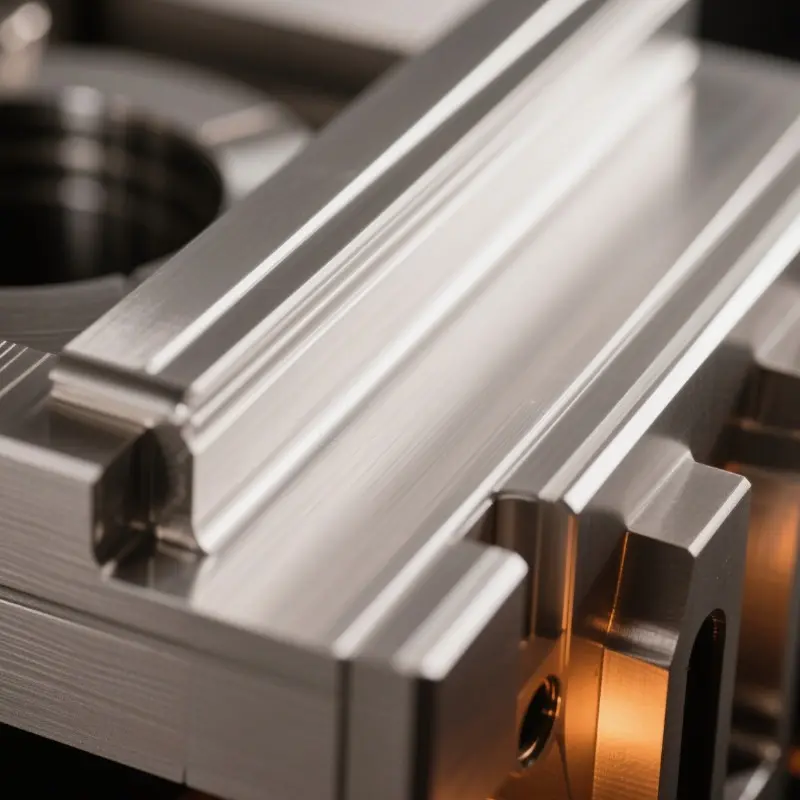
Salt bath annealing provides exceptional surface protection and cleanliness that represents a significant advancement over conventional heat treatment methods, delivering components with pristine surfaces that require minimal post-treatment processing. The molten salt environment creates a protective atmosphere that effectively prevents oxidation, scaling, and decarburization during the heating cycle, maintaining the original surface finish and dimensional accuracy of treated components. This protective capability results from the chemical properties of the salt medium, which excludes atmospheric oxygen and creates neutral to slightly reducing conditions that prevent unwanted surface reactions. Components emerge from the salt bath with bright, clean surfaces free from the oxide scales and discoloration typically associated with furnace-based annealing processes. The absence of surface contamination eliminates the need for subsequent cleaning operations such as pickling, blasting, or machining to remove scale and restore dimensional accuracy. This surface preservation translates directly into cost savings through reduced secondary processing requirements and improved material utilization rates. The salt bath environment also prevents decarburization, a common problem in high-temperature heat treatment where carbon migrates from the surface layers of steel components, creating soft zones that compromise performance. By maintaining the original carbon content throughout the component cross-section, salt bath annealing preserves the intended mechanical properties and eliminates the need for additional surface hardening treatments. The protective atmosphere extends to preventing hydrogen embrittlement and other environmental degradation mechanisms that can occur during conventional heat treatment processes. The molten salt medium acts as a barrier against contamination while providing uniform heating, ensuring that surface integrity remains intact throughout the treatment cycle. This surface protection proves particularly valuable for precision components where dimensional tolerances and surface finish requirements are critical to proper function. Cutting tools, measuring instruments, and optical components benefit significantly from the clean surfaces achieved through salt bath annealing, as surface irregularities and contamination can severely impact performance. The elimination of post-treatment cleaning operations not only reduces processing costs but also minimizes handling damage and maintains the precise geometries achieved during manufacturing. Components can proceed directly to final assembly or service without intermediate processing steps, streamlining production workflows and reducing manufacturing lead times while ensuring optimal surface conditions for reliable long-term performance.
Enhanced Operational Efficiency and Cost-Effectiveness
Salt bath annealing delivers remarkable operational efficiency and cost-effectiveness that provides manufacturers with compelling economic advantages while maintaining superior quality standards throughout their heat treatment operations. The rapid heating characteristics of molten salt systems enable components to reach target temperatures in a fraction of the time required by conventional furnace-based processes, significantly increasing production throughput and reducing cycle times. This efficiency improvement stems from the excellent heat transfer properties of liquid salt, which provides immediate and intimate contact with all component surfaces, eliminating the slow heat-up periods associated with heating large volumes of air or protective gases in traditional systems. The thermal mass and heat retention capabilities of salt bath systems minimize energy consumption during operation, as the molten salt maintains stable temperatures with minimal energy input once the system reaches operating conditions. This energy efficiency translates into lower operational costs and reduced environmental impact compared to electric or gas-fired furnaces that must continuously heat and reheat large chamber volumes. The automated control systems integrated into modern salt bath annealing equipment further enhance efficiency by optimizing heating cycles, monitoring process parameters, and ensuring consistent treatment conditions without constant operator intervention. This automation capability reduces labor costs while improving process reliability and repeatability, enabling manufacturers to achieve consistent quality standards with minimal workforce requirements. The flexibility of salt bath systems allows processing of multiple component types and sizes within the same treatment cycle, maximizing equipment utilization and reducing per-piece processing costs. Unlike batch furnaces that may operate at partial capacity, salt bath systems can accommodate varying production volumes efficiently while maintaining optimal treatment conditions. The elimination of protective atmosphere gases and related handling equipment reduces operational complexity and associated costs, as the molten salt environment provides inherent atmosphere control without additional gas supply systems. Maintenance requirements remain minimal due to the stable operating environment and absence of combustion-related wear mechanisms found in gas-fired systems. The long service life of properly maintained salt bath systems provides excellent return on investment through years of reliable operation with minimal downtime for repairs or component replacement. The consistent quality achieved through salt bath annealing reduces rejection rates and rework requirements, improving overall manufacturing efficiency and customer satisfaction while minimizing waste and associated disposal costs.